Home Automation: Transforming the Modern Smart Home
Discover fresh insights, trends, and practical guidance on home automation and learn how connected devices improve convenience and energy efficiency.
Blog posts

Apple Home connects hundreds of HomeKit and Matter devices through a single...
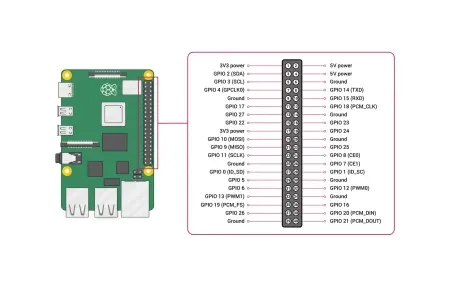
Home Assistant gives you full local control over every smart device in...
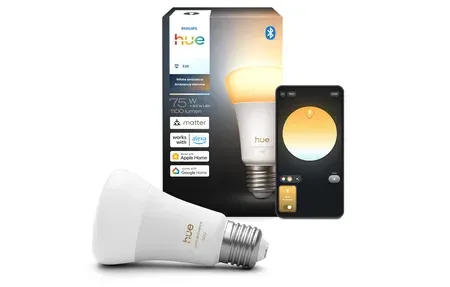
Smart lighting starts with Philips Hue for many people, but there are...

Learn how to troubleshoot common SmartThings issues in 2026. This guide provides...

Somfy motorized blinds and shades automate window coverage in ways manual blinds...

Xiaomi's smart home ecosystem spans cameras, sensors, lights, and robots at budget...
Home Assistant isn't one program. It's a stack: an operating system, a...
Home Assistant 2026.9 finally draws a map of your Matter network inside...
Wi-Fi, Zigbee, Z-Wave, Thread, Bluetooth. The protocol a device uses decides how...

SmartThings handles more device types than most smart home hubs, including Matter,...

Matter isn't a rival to Zigbee or Thread. It sits on top...
Most smart kitchen appliances talk to their maker's cloud and nothing else....

SmartThings connects hundreds of devices, but the setup and automation options can...

Every protocol comparison assumes you own the walls. Renting changes the question...

A burst washing machine hose can flood a floor in minutes, and...

Picking the right hardware for Home Assistant in 2026 is trickier than...
Zigbee2MQTT bridges your Zigbee radio to Home Assistant through an MQTT broker...
This is desk research on five smart plugs: spec sheets, protocol support...
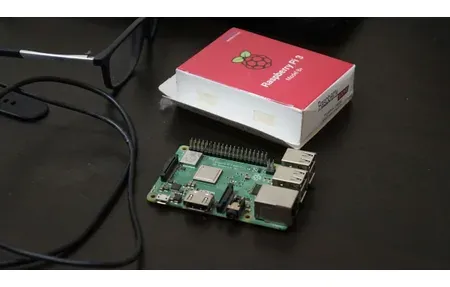
Home Assistant is free, local smart home software with 1,500+ integrations, and...
Most home energy waste is small, constant and invisible. A thermostat setback...
For years, buying a smart home device meant checking whether it worked...

The default Home Assistant dashboard works fine for getting started. After a...

A wall-mounted tablet turns your Home Assistant setup from a phone app...
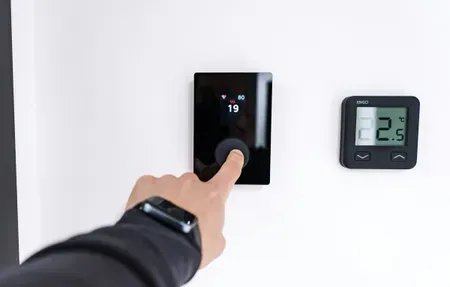
The right Home Assistant theme does more than look nice. It changes...

Running a local AI model inside Home Assistant means your bedroom light...

Kasa is one of the most popular Wi-Fi smart home lines you...
Products

The compact yet powerful Raspberry Pi 500, built into a full-size keyboard...

Transform your home with the Sonoff Smart Plug-in Unit. This device offers...
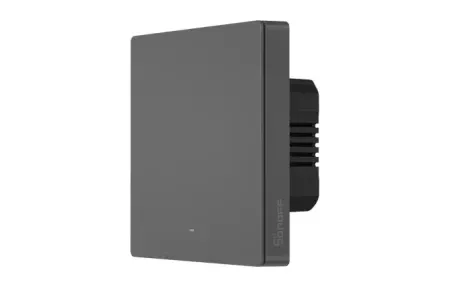
Control your home's lighting with the Sonoff SwitchMan Smart Wall Switch-M5, featuring...

Dual-lens baby camera with 2K and 1080p lenses, 360 degree pan, 140...

mmWave radar sensor for multi-person tracking, posture detection and zone mapping over...
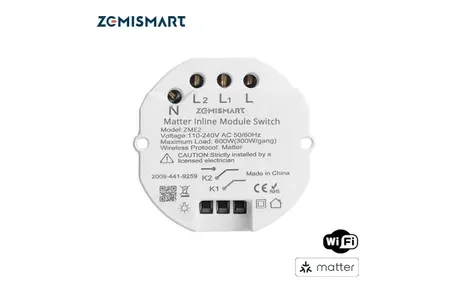
Zemismart ZME2 dual relay inline module with Matter over WiFi: 300W per...

The SONOFF MINI-ZBRBS-E is a Zigbee roller shutter switch that adds percentage...
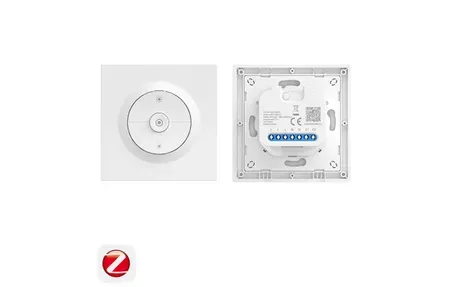
The SONOFF MINI-ZBDIM-E is a Zigbee wall dimmer with 0-100% flicker-free control,...
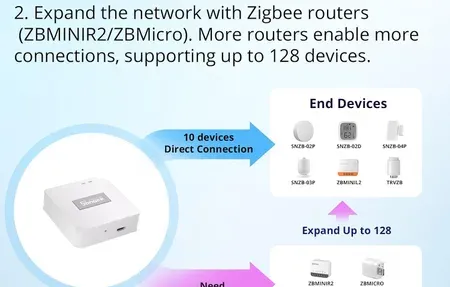
The SONOFF Zigbee Bridge Pro ZBBridge-P links up to 128 Zigbee devices...
This guide covers exploring home automation: the future of and how they enhance your smart home setup. Home Automation is no longer a futuristic dream-it's transforming how we live. Exploring the possibilities of home automation reveals it's the heartbeat of the smart home revolution, shaping the future of smart living through connected technologies that respond to your every need. From dimming lights with a tap to using intelligent cameras, connected technology powers flexible, efficient modern smart homes that learn and adapt to your lifestyle.
The future of smart living emerges when systems respond to your needs in real time, anticipating actions before you make them. Transforming everyday living one device at a time, home automation transforms houses into intelligent environments that enhance comfort, convenience, and sustainability for families seeking smarter homes.
Why Home Automation Matters
Imagine arriving home after work: the porch lamp glows as your car approaches, the thermostat eases into a cozy temperature, and soothing music greets you at the door. These small touches illustrate how convenience and energy efficiency merge when devices collaborate through the Internet of Things (IoT). With every passing year, smart systems become more affordable, placing professional-grade comfort within reach of everyday homeowners.
Everyday Comfort Made Simple
- Smart devices synchronize to your routine, dimming lights at bedtime and brewing coffee at dawn.
- Learning thermostats trim energy bills by adjusting to occupancy patterns.
- Voice-activated assistants provide hands-free control for seniors, children, or anyone multitasking.
Such frictionless interactions transform houses into responsive environments that feel almost alive.
Core Features of a Connected Home
Smart Hub Platforms:
- Amazon Alexa - Broad device compatibility
- Google Assistant - Excellent voice recognition
- Apple HomeKit - Privacy-focused local processing
Connected Devices:
- Doorbells with HD video streaming
- Smart speakers that work as intercoms
- Smart lighting with millions of color options
These platforms weave gadgets into one smooth system.
Learning Devices and Predictive Action
Artificial intelligence learns your habits and adjusts automatically:
- Thermostats pre-heat rooms before sunrise
- Robot vacuums map floors and avoid busy times
- Systems learn to anticipate your needs
- Quiet operation saves electricity
- Extends the life of components
Key Advantages of Home Automation
The practical benefits stretch far beyond novelty. Here are the most compelling reasons households embrace connected living:
- Security boosts with automated locks, motion alerts, and real-time camera feeds.
- Energy savings arise as thermostats, blinds, and water heaters collaborate to cut waste.
- Accessibility improves for people with mobility limits via voice or app control.
- Customization allows routines to match work hours, sleep schedules, or holiday travel.
- Future resale value climbs because buyers prize turnkey smart infrastructure.
Freeing up time once lost to mundane chores lets residents focus on family, hobbies, and wellness.
Getting Started on Your Smart Journey
Launching a connected home can be simpler than it looks:
- Select a hub-choose a voice assistant or mobile platform compatible with your favorite brands.
- Begin small-install a smart plug or bulb to learn the basics before expanding.
- Build securely-use strong passwords and enable two-factor authentication.
- Layer routines-link multiple devices so one action, like locking the front door, prompts lights to fade and the alarm to arm.
Gradual growth keeps costs manageable and ensures every component fits your lifestyle.
Protecting Privacy and Data
While convenience is paramount, safeguarding personal information is vital. Privacy-conscious homeowners have multiple strategies to protect their smart home environments without sacrificing functionality or control.
Firmware and Security Updates: Regular firmware updates patch vulnerabilities before attackers exploit them. Enable automatic updates when available, or manually check quarterly for critical security patches. Manufacturers release updates to address newly discovered threats, so staying current is your first line of defense against unauthorized access. Set calendar reminders for hub devices that don't support auto-updates, ensuring you catch important security fixes promptly.
Network Segmentation: Isolate smart devices on a dedicated guest Wi-Fi network separate from computers containing financial data or personal documents. This network isolation prevents a compromised smart bulb or camera from exposing sensitive files on your primary computers. Configure your router to block communication between the smart home network and your main network. Advanced users can implement VLANs (Virtual Local Area Networks) for even more granular control, creating distinct security zones within their home network architecture.
Cloud vs. Local Processing: Evaluate which data must reach the cloud and which can stay local. Many systems like Apple HomeKit emphasize local processing where automations run on your hub without transmitting sensitive information to remote servers. Disable cloud features you don't actively use, reducing data exposure while improving responsiveness.
Disable Unnecessary Features:
- Turn off voice recording when you're away or sleeping
- Disable camera cloud storage if you use local recording instead
- Restrict device microphone access when not needed
- Limit app permissions to only required functions
Strong Authentication: Use unique, complex passwords for each smart home account-avoid reusing credentials from other services. Enable two-factor authentication (2FA) wherever available. This prevents attackers from gaining access even if they obtain your password through data breaches at other services. Consider password managers to generate and store these complex credentials securely.
These security practices empower you to enjoy innovation without sacrificing peace of mind.
Looking Ahead: The Connected Homes of Tomorrow
Emerging Technology Trends:
- 5G networks provide faster, wider bandwidth
- Machine learning enables predictive maintenance
- Green tech tracks carbon footprints in real time
- Local processing speeds up responses and protects privacy
- Smart sensors predict problems before they occur
Interoperability: Devices from different brands will communicate without friction using shared standards. This makes Home Automation more adaptable and future-proof.
The Result: Homes that respond to your needs while using resources efficiently. These advancements redefine modern living for generations to come.
Practical Implementation Steps for Home Automation
Start Small: Home automation doesn't require huge upfront costs or technical skills. Identify one pain point:
- Rising energy bills
- Tedious manual tasks
- Security concerns
Select one device or hub that solves that specific problem first.
Grow Incrementally: Add one device at a time. Learn it fully before expanding. This approach:
- Builds momentum and confidence
- Helps you troubleshoot effectively
- Creates strategies that actually serve your household
- Keeps you from getting overwhelmed
Most systems offer tutorials, documentation, and customer support for beginners.
Choose Your Platform Wisely:
| Platform | Best For |
|---|---|
| Apple HomeKit | Privacy and local processing |
| Google Home | Broad device compatibility |
| Amazon Alexa | Largest device variety |
| Samsung SmartThings | Advanced customization |
Your choice shapes your entire ecosystem. Once selected, adding devices becomes straightforward and expands your possibilities.
Expanding Home Automation for Every Lifestyle
Home Automation scales to fit any household. Renters enjoy portable motion sensors, adhesive LED strips, and Wi-Fi plugs with no property modifications. Matter compatibility ensures devices work across platforms, keeping investments valuable long-term. Families benefit from smart locks that notify parents when kids arrive home, automated reminders for daily routines, and motion-activated lighting. Seniors gain independence through voice-controlled lighting and motion-activated pathways that guide movement safely. Energy-efficient automation helps everyone lower consumption through smart plugs, learning thermostats, and real-time dashboards. Beyond efficiency, Home Automation invites creativity-setting moods for entertainment, supporting remote work productivity, and enhancing daily life with personalized automation that anticipates needs.
The Growing Community and Ecosystem
The home automation community has evolved into a vibrant ecosystem with developers, enthusiasts, and manufacturers collaborating to advance the technology. Open-source platforms like Home Assistant have democratized smart home development, allowing users to create custom automations without vendor lock-in. Communities share blueprints, integrations, and best practices through forums, GitHub repositories, and documentation that rivals professional software projects in quality and completeness.
Device manufacturers increasingly prioritize open standards and interoperability, recognizing that standardization benefits entire industries. This shift toward cooperation rather than competition accelerates innovation cycles, bringing new capabilities and security improvements to market faster. As more devices achieve Matter certification and adopt Thread networking, the friction of integrating disparate systems continues diminishing, making advanced automation accessible to non-technical users who simply want responsive, intelligent homes.
Advanced Protocols Driving Home Automation Innovation
Matter Protocol: Matter represents a breakthrough in smart home standardization. Developed collaboratively by major technology leaders including Amazon, Apple, Google, and Samsung, it creates a common language for devices that previously required different connectivity approaches. This protocol allows devices from different manufacturers to work together without proprietary bridges or workarounds. By eliminating ecosystem lock-in, Matter future-proofs smart home investments-devices purchased today will remain compatible with emerging platforms and standards for years to come. Homeowners can confidently mix brands without fear that future system upgrades will render expensive equipment obsolete.
Thread Networking Foundation: Thread provides the backbone connectivity layer, creating a self-healing mesh network where each device acts as a relay point. Unlike Wi-Fi that requires direct line-of-sight to a router, Thread signals bounce between devices, ensuring strong coverage throughout the home. Local communication reduces latency and improves privacy by keeping messages within your home network.
Zigbee and Z-Wave Standards: These proven wireless protocols prioritize energy efficiency and range over raw bandwidth. Battery-operated Zigbee and Z-Wave sensors can operate for years on a single battery charge, making them ideal for contact sensors, motion detectors, and door/window alerts in locations where wired power isn't practical. Both standards implement mesh networking like Thread, where each mains-powered device strengthens the network by relaying messages. The established device ecosystem is extensive-virtually every smart home brand manufactures Zigbee or Z-Wave products, giving homeowners maximum flexibility in component selection. These protocols continue evolving with improved security, faster response times, and expanded compatibility with modern standards.
The Protocol Coordination: Matter devices can run over Thread networking, combining ease-of-use with solid local connectivity. Older Zigbee and Z-Wave devices remain fully functional alongside new Matter gadgets through bridge devices that translate between protocols. This coexistence means your ecosystem can evolve gradually without requiring a "rip and replace" approach, distinguishing modern Home Automation from older proprietary systems.
Ecosystem Integration and Cross-Platform Compatibility
Multi-Platform Approach: Modern smart homes support multiple ecosystems at once. You don't have to choose just one anymore. Apple HomeKit offers privacy-focused local processing, Amazon Alexa provides third-party integration, and Google Home delivers excellent voice recognition. Running multiple platforms simultaneously gives you flexibility and reduces dependency on a single vendor.
Matter Certification Simplifies: Any Matter-certified device works across HomeKit, Alexa, Google Home, and SmartThings simultaneously. This standardization removes the friction of ecosystem lock-in and lets you choose devices based on features and price rather than platform compatibility.
Bridges for Older Devices: Hubs and bridges allow older devices to work with modern systems. This lets you transition gradually to standardized protocols without needing to replace your entire smart home setup. Legacy Zigbee and Z-Wave devices remain functional alongside new Matter-certified gadgets.
Environmental Impact and Sustainability Through Automation
Energy Savings Through Automation:
Learning thermostats analyze household patterns and weather, optimizing heating and cooling schedules to reduce energy use by 10-15%. Smart lighting adjusts brightness based on natural daylight and responds to occupancy, cutting lighting energy by 20-30%. Energy monitoring features provide real-time visibility into consumption by device and room, helping identify and eliminate waste patterns.
Renewable Energy Integration: Smart systems shift heavy appliance operation to times when renewable energy is abundant or electricity costs are lowest. This integration makes Home Automation a cornerstone of sustainable living and helps reduce your home's carbon footprint. Real-time pricing integration allows homes to automatically schedule tasks for optimal environmental and economic impact.
Cumulative Impact: When millions of households reduce energy consumption through automation, the collective effect represents significant reductions in residential energy demand. Properties with comprehensive automation systems command premium prices, reflecting both immediate cost savings and growing buyer demand for efficient, forward-thinking homes.
Troubleshooting and Maintenance Best Practices
Network issues are common in Home Automation. Separate smart home networks from primary traffic to prevent bandwidth competition. Restart the hub first to restore mesh network stability. Document your device configuration and automation rules for reference during troubleshooting. Battery devices should be checked quarterly.
Voice Assistant Integration and Natural Language Control
Voice assistants have transformed home automation from complex technical configurations into conversational interactions that feel natural and intuitive. Speaking commands like "Good morning" triggers lighting sequences, coffee makers, and news briefings in a single phrase. Major voice platforms process context clues to understand meaning beyond literal words, enabling natural language interactions. Advanced voice control enables elderly users and children to operate homes safely without navigating mobile apps or remembering complex routines. Multi-room audio synchronization lets voices carry through speakers across the home, making announcements, music, or reminders audible everywhere simultaneously. Voice shopping integration allows quick reordering of supplies while voice profiles distinguish between family members, triggering personalized automations for each person. Machine learning improves voice recognition accuracy over time as assistants learn household accents, dialects, and preferred phrasing patterns. This hands-free control approach has become essential for accessibility, convenience, and making home automation feel intuitive rather than technical.
The Path Forward for Home Automation
Home Automation continues advancing toward intelligent environments. Machine learning enables systems to anticipate needs based on household patterns. Standardized protocols like Matter reduce ecosystem lock-in, while distributed intelligence optimizes resource consumption. As adoption barriers lower, truly intelligent homes enhance daily life while reducing environmental impact.
Whether you are just beginning to explore connected living or looking to expand an existing setup, home automation offers practical benefits that compound over time. Each new device adds capability, and each automation saves minutes that accumulate into meaningful time savings across weeks and months. The key is starting with a clear goal, learning one system at a time, and building gradually toward the responsive home environment that suits your lifestyle best.