Explore the Smart Sensors for Home Automation
The top smart home sensors to enhance home automation, security, and energy efficiency in your smart home. Find top-rated sensors today.
Blog posts

Smart plugs, sensors, and thermostats are the building blocks of home automation....
ESPHome 2026.9.0 shipped on 16 September 2026 with 275 merged pull requests....
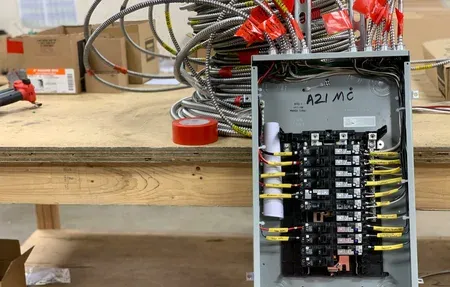
Setup guides say "put the Pi somewhere in a cupboard". In a...

Every smart home guide says to start with a hub, a protocol...

A burst washing machine hose can flood a floor in minutes, and...

Commercial smart sprinkler controllers want a subscription and a cloud account to...
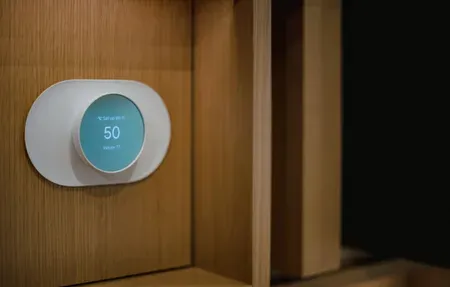
Cheap Zigbee sensors beat expensive Z-Wave ones for the way most people...
Products

Aqara P100 Multi-State Sensor: magnet-free door and window sensor over Thread or...

The Aqara Presence Sensor FP2 offers advanced motion detection, enabling precise smart...
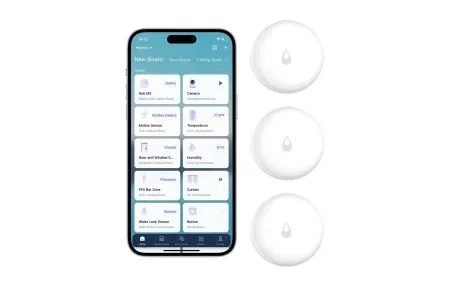
The Aqara Water Leak Sensor is a Zigbee puck with an IP67...

mmWave radar sensor for multi-person tracking, posture detection and zone mapping over...

5-in-1 battery-powered sensor with dual PIR and mmWave detection. Includes temperature, humidity,...

Shelly Smart Display E-Paper shows temperature, humidity, and light at a glance,...
Aqara P2 is a battery Thread door sensor with Matter support. What...
Sonoff SNZB-04 Zigbee door and window sensor: instant open/close alerts, 2-year battery,...

The Aqara Temperature and Humidity Sensor provides accurate indoor climate readings, with...
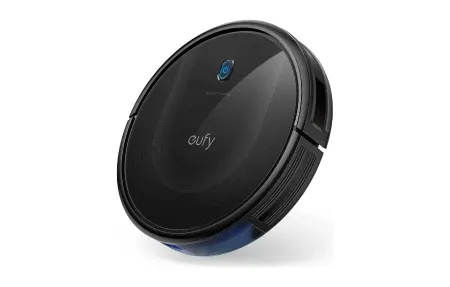
Slim 2.85-in robot vac with 2000 Pa suction, 100-min runtime and 55...
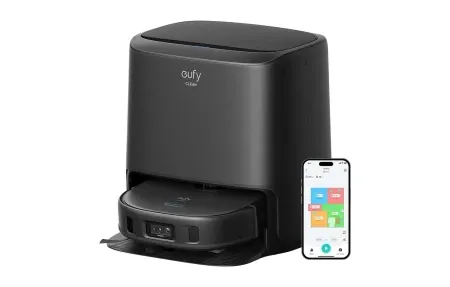
Eufy X9 (listed by Eufy as X9 Pro) pairs 5,500 Pa suction...

IKEA MYGGSPRAY wireless motion sensor automatically controls lighting indoors and outdoors. Matter-compatible...
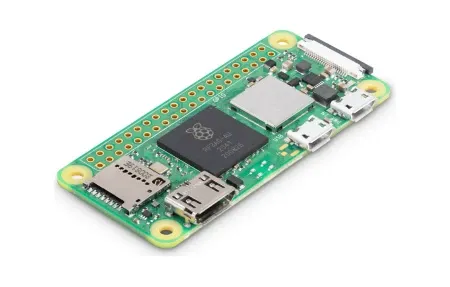
The capabilities of the Raspberry Pi Zero 2 W, a compact and...

Philips Hue Bridge Pro is a powerful smart hub supporting 150+ lights,...
This guide covers for your home automation and how they enhance your smart home setup. Smart sensors play a important role in modern smart homes, offering automation, security, and energy savings. From detecting movement to monitoring temperature and air quality, sensors allow you to control your environment more effectively. With the right sensor, you can automate various devices, improve home safety, and even lower your energy bills.
Why Smart Sensors Are Essential for Home Automation
Integrating sensors into your smart home adds a new level of convenience and functionality. These devices can automatically trigger actions based on real-time data, eliminating the need for manual control. With sensors detecting everything from motion to humidity, you can build a fully automated home that responds to your lifestyle. For those looking to explore smart home options further, understanding the capabilities of these sensors is essential.
Benefits of Using Smart Sensors:
- Increased security: Use motion sensors to monitor unusual activity and get instant alerts.
- Energy efficiency: Control lights and appliances based on occupancy, reducing waste.
- Convenience: Automate everyday tasks with sensors that adjust to environmental changes.
Best Smart Sensors to Add to Your Smart Home
Whether you're looking to enhance your home's security or improve its comfort, adding smart sensors is a great way to achieve that. Below are some of the most popular types of sensors for smart homes.
1. Motion Sensors
Motion sensors are commonly used in security systems and can trigger cameras, alarms, or lights when movement is detected. These sensors are perfect for monitoring entrances or outdoor areas around your home. They are also used to automate lighting, ensuring lights only turn on when someone is present.
2. Temperature and Humidity Sensors
A temperature and humidity sensor helps you maintain a comfortable environment by monitoring climate conditions within your home. These sensors can be connected to smart thermostats, ensuring that your heating or cooling systems adjust based on real-time data. It's an excellent way to optimize energy consumption.
3. Door and Window Sensors
Door and window sensors add an extra layer of security to your smart home. These sensors detect when doors or windows are opened or closed and can send alerts directly to your smartphone. They are typically used in combination with smart security systems to prevent unauthorized entry.
How to Use Smart Sensors to Automate Your Home
Smart sensors allow for endless possibilities when it comes to home automation. By connecting your sensors to other smart devices, you can create a system that works together to improve your daily life.
Here are a few ideas on how to use smart sensors effectively:
- Automate lighting: Use motion sensors to control your lights, turning them off when no one is in the room.
- Optimize climate control: Pair temperature sensors with your thermostat to maintain the perfect indoor temperature.
- Improve security: Install door and window sensors to receive real-time alerts if someone attempts to enter your home without permission.
How to Set Up Smart Sensors in Your Home
Setting up smart sensors in your home is simple and user-friendly. Most smart sensors can be easily connected to your home's Wi-Fi network and controlled through a smartphone app. Here's a step-by-step guide:
- Choose compatible devices: Ensure your sensors are compatible with your existing smart home system, such as Amazon Alexa or Google Home.
- Install the sensors: Place your sensors in strategic locations, such as doorways, windows, or rooms where temperature control is important.
- Pair with your smart home hub: Use your home hub or app to pair the sensors with other devices like smart lights, thermostats, or security cameras.
- Create automation: Set up triggers and routines in the app to automate specific actions based on sensor readings.
As you explore the different ways to configure your smart sensors, you'll discover new automation possibilities, such as linking temperature sensors with fans or heaters. The more you explore, the more customized and intuitive your smart home setup will become.
Future of Smart Sensors in Home Automation
The future of smart sensors in home automation looks very promising, with several exciting trends on the horizon. One of the most significant advancements is the integration of artificial intelligence (AI) and predictive analytics. Next-generation sensors will not just detect changes but anticipate user behavior by learning daily routines and preferences. For example, a smart sensor could predict when you usually arrive home and adjust the lighting and temperature accordingly, creating a personalized and welcoming environment without any manual input.
Another important trend is sustainability. Future sensors will be designed to help reduce energy consumption even further by providing detailed insights into how energy is used throughout the home. By analyzing patterns, these sensors can suggest ways to save energy, such as adjusting heating or cooling during times when rooms are unoccupied. This not only lowers utility bills but also supports eco-friendly living by reducing the home's carbon footprint.
Interoperability will also improve, allowing smart sensors to communicate with a wider range of devices and platforms. This means your smart home system will become more cohesive, enabling more complex and efficient automation routines. For instance, sensors could work together with smart appliances, security systems, and even garden irrigation systems to optimize overall home management.
In addition, advances in sensor technology will lead to more accurate and diverse sensing capabilities, such as detecting air quality, light levels, and even emotional states through biometric data. This will enhance personalization and comfort, making smart homes truly adaptive to each occupant's needs.
Overall, the future of smart sensors promises smarter, greener, and more intuitive homes that enhance everyday living while supporting sustainability goals.
Conclusion: Enhance Your Home with Smart Sensors
Incorporating smart sensors into your home automation system is a great way to improve security, comfort, and energy efficiency. With motion sensors, temperature sensors, and door and window sensors, you can create a truly intelligent home that responds to your needs. Whether you're automating lights, securing your home, or optimizing climate control, smart sensors provide the foundation for a modern smart home.
Explore our comprehensive guides and product recommendations to find the perfect sensor solutions for your smart home setup. Discover how sensor technology can enhance your daily life while improving efficiency and convenience.