Machine Learning Behind Home Automation
Machine learning enhances smart home automation, offering personalized, efficient, and intelligent control of all connected devices.
Products

Aqara P100 Multi-State Sensor: magnet-free door and window sensor over Thread or...

Matter-certified US wall switch with Thread and Zigbee. Works with or without...

Apple HomePod (2nd Generation) is a high-fidelity smart speaker with Siri voice...

Narwal S20 Pro delivers 20,000Pa suction with AI DirtSense for intelligent wet-dry...
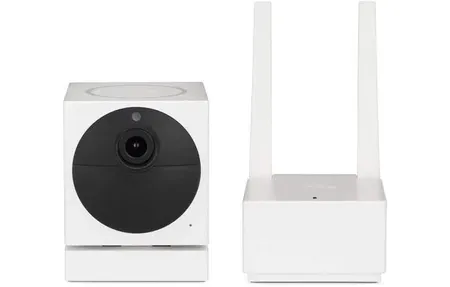
The Wyze Cam v1 offers 1080p Full HD video, motion detection, and...
Machine learning is transforming the world of smart home automation by enabling devices to adapt, learn, and improve over time. This technology allows smart home systems to become more intuitive, providing users with personalized experiences and enhanced convenience. With machine learning, smart homes can automate daily tasks, optimize energy usage, and improve security through predictive algorithms.
Why Machine Learning Is Key to a Smarter Home
Unlike traditional automation, which relies on predefined rules, machine learning allows devices to learn from user behavior and environmental data. This means that your smart home can understand patterns and make decisions on its own. Whether it's adjusting the thermostat, securing the home, or automating lighting, machine learning helps create a more personalized and efficient living environment.
Key Benefits of Machine Learning in Smart Homes:
- Personalized automation: Devices learn user preferences and automatically adjust settings for convenience.
- Energy efficiency: Smart systems learn patterns and optimize energy usage.
- Predictive security: Enhanced security through motion detection and behavior analysis.
- Improved user experience: Adaptive technology offers smoother and more intuitive interactions.
How Machine Learning Enhances Smart Home Devices
There are numerous ways machine learning is transforming the smart home industry. From smart thermostats that learn your schedule to security cameras that identify unusual behavior, here are some key examples of how this technology is applied:
1. Smart Thermostats
Smart thermostats like the Nest Learning Thermostat utilize machine learning algorithms to learn your daily routines and temperature preferences. Over time, they automatically adjust the temperature based on when you are home or away, helping you save energy and stay comfortable without manual input.
2. AI-Powered Security Cameras
Many modern smart security cameras are equipped with machine learning capabilities. These cameras can differentiate between familiar faces, animals, and potential intruders, minimizing false alarms. They also detect unusual activity patterns, sending alerts to homeowners only when necessary, making security systems smarter and more efficient.
3. Smart Lighting Systems
Smart lighting systems can also benefit from machine learning. They learn your lighting preferences based on the time of day, your routine, and natural light levels. For example, the system might gradually dim lights in the evening or turn them off when no one is in the room, improving both convenience and energy efficiency.
How to Integrate Machine Learning into Your Smart Home
Integrating machine learning into your smart home doesn't have to be complicated. Many popular smart home hubs and devices already use this technology to enhance performance. Here's a step-by-step guide to get started:
- Choose compatible devices: Look for smart home devices that use machine learning, such as thermostats, security cameras, and lighting systems.
- Connect to a smart home hub: Integrate your devices with a hub like Google Nest or Amazon Alexa, which often use machine learning for more intelligent automation.
- Monitor usage patterns: Allow the system to learn from your behavior. Most smart devices improve over time as they gather more data about your habits.
- Enable automation: Set up automations based on the insights gathered by machine learning. For example, have your thermostat adjust automatically when you leave for work or set lights to change based on sunset times.
Conclusion: Machine Learning Takes Smart Homes to the Next Level
By incorporating machine learning into your smart home setup, you can experience a new level of automation, personalization, and efficiency. From smart thermostats that learn your habits to security systems that improve over time, this technology is reshaping how we interact with our homes. Explore the power of machine learning in smart home automation and discover how it can create a more comfortable, secure, and energy-efficient living environment for you.
Looking ahead, the future of machine learning in smart homes is incredibly promising, with emerging trends poised to further transform our living spaces. One significant advancement is predictive maintenance, where devices anticipate and notify homeowners about potential failures before they occur, reducing downtime and repair costs. For example, smart HVAC systems could alert you to filter replacements or mechanical issues early on, ensuring optimal performance and longevity.
Health monitoring is another exciting frontier. Integrating machine learning with wearable devices and smart home sensors can provide real-time health insights, detect emergencies like falls, or monitor chronic conditions, enabling proactive care and enhanced well-being. Imagine a home that adjusts lighting and temperature based on your health status or alerts caregivers when unusual patterns emerge.
Moreover, the integration of machine learning with the Internet of Things (IoT) and voice assistants will create smooth cross-device collaboration. Smart refrigerators could communicate with your calendar to suggest meal plans, while voice assistants might coordinate multiple devices to optimize energy use or security based on your daily schedule. This interconnected ecosystem will offer rare convenience and efficiency.
However, these advancements also bring challenges such as data privacy, security, and ensuring interoperability among diverse devices. Addressing these issues will be important to building trust and maximizing the benefits of machine learning in smart homes.
As technology evolves, embracing machine learning-enabled smart devices will empower you to create a more connected, responsive, and intelligent home environment. Whether you're looking to enhance comfort, improve safety, or reduce energy consumption, now is the perfect time to explore and adopt these innovations for a smarter, more harmonious lifestyle.
The continuous advancement of machine learning algorithms ensures that smart home devices will become increasingly sophisticated and capable of delivering personalized experiences that truly enhance daily living.
The maturation of edge computing will further accelerate machine learning adoption by enabling faster local processing without constant cloud dependency. This shift means quicker response times for critical functions like security alerts or climate adjustments, alongside improved privacy since sensitive data remains on-device rather than streaming to remote servers. Open-source frameworks and standardized protocols will democratize access to these capabilities, allowing smaller manufacturers to compete with industry giants while consumers benefit from wider choice and better pricing. As natural language processing advances, expect more nuanced conversations with voice assistants that grasp context across multiple exchanges and remember preferences without explicit reminders, making interaction feel genuinely conversational rather than rigidly command-driven.