Home Assistant Connect Smart Home Adapters
Explore Home Assistant Connect adapters for Zigbee and Thread protocols. Open-source hardware designed for smooth Home Assistant integration.
Blog posts
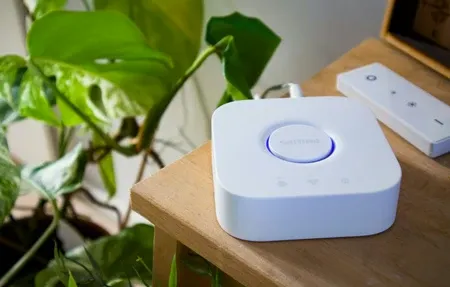
Discover how to easily integrate Philips Hue with Home Assistant to create...

Learn how to integrate Shelly devices with Home Assistant for local smart...
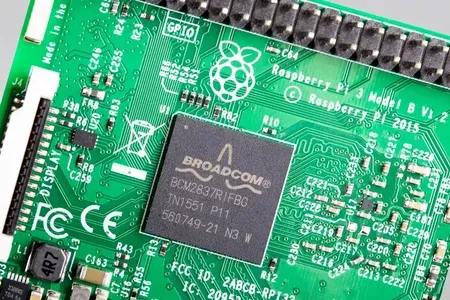
Unleash the power of Raspberry Pi in your smart home with advanced...
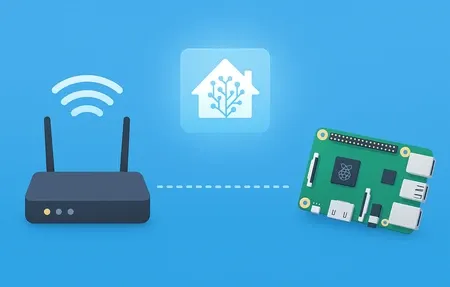
Step-by-step WiFi setup for Home Assistant using CLI commands or the web...
Install Home Assistant OS on your Raspberry Pi and turn it into...
About Home Assistant Connect
Overview
Home Assistant Connect produces open-source USB adapters that bring Zigbee, Thread, and Matter protocol support directly to Home Assistant installations. These compact dongles eliminate the need for proprietary bridges, letting devices from different ecosystems communicate through a single local hub.
The ZBT-2 is the flagship adapter from Home Assistant Connect. Powered by the Silicon Labs EFR32MG24 chip, it achieves a baud rate of 460,800 - four times faster than its predecessor - which speeds up device pairing and reduces latency across large Zigbee networks. The adapter ships with a 4.16 dBi high-gain omnidirectional antenna that maintains strong signal coverage even through concrete walls or across multiple floors. Plug-and-play USB-C installation requires no driver downloads, and a built-in setup wizard guides users through initial configuration or network migration.
Each adapter supports one protocol at a time. In Zigbee mode, the ZBT-2 works with ZHA (Zigbee Home Automation) and Zigbee2MQTT integrations. In Thread mode, it operates as an OpenThread Border Router that bridges Thread devices with Home Assistant's Matter integration. Switching between Zigbee and Thread requires re-flashing firmware, so planning the intended use before setup prevents unnecessary reconfiguration later.
Home Assistant Connect hardware is fully open-source. Schematics and firmware are publicly available, allowing advanced users to inspect, modify, or extend the design for custom applications. This transparency builds trust and enables a community of developers to contribute improvements regularly. Firmware updates bring compatibility fixes and new protocol features without requiring hardware replacement, and users running Home Assistant OS receive update notifications directly in the Supervisor interface.
For large Zigbee installations with more than 50 devices, placing a ZBT-2 per floor or zone reduces routing hops and keeps response times fast. Zigbee mesh networks self-organize as more mains-powered devices are added, automatically extending coverage to battery-powered sensors at the network edge. Home Assistant's ZHA integration displays a real-time network topology map that helps identify weak links or overloaded routers, making it easier to optimize the layout.
Thread networks managed by the ZBT-2 as an OpenThread Border Router allow Matter devices to communicate locally without relying on a cloud connection. This is particularly valuable for smart locks, sensors, and lighting where low latency and high reliability matter most. The border router bridges Thread and IP networks, enabling Home Assistant automations to respond to Thread device events within milliseconds. Combined with Home Assistant's local-first architecture, this setup ensures automations continue running even when internet connectivity is unavailable.
Choosing between Zigbee and Thread depends on your existing device ecosystem. Zigbee offers the broadest device compatibility and the largest selection of affordable accessories available today. Thread is newer and provides better network resilience and native Matter support. Many users run one ZBT-2 for Zigbee and a second for Thread to cover both ecosystems simultaneously. Place each adapter on a USB extension cable away from the host device to minimize interference from USB 3.0 ports, and position them centrally for optimal signal distribution throughout the home.
Home Assistant Connect hardware integrates with the broader Home Assistant ecosystem. The ZBT-2 pairs naturally with Home Assistant Green and Home Assistant Yellow, both of which are compact dedicated hardware hubs designed to run Home Assistant OS. Users who prefer to build their own server can use any mini-PC or Raspberry Pi hardware with a USB port. The adapter's open-source design means that community developers regularly contribute new features, improved firmware stability, and expanded protocol support that benefits all users.
Battery-powered Zigbee sensors such as temperature monitors, door contacts, and motion detectors benefit most from a centrally placed adapter with high antenna gain. When these sensors transmit infrequent short messages, the stronger signal path reduces the number of mesh hops needed to reach the coordinator. Fewer hops mean lower latency and better battery life for the sensors. This is especially noticeable in homes with thick brick or concrete construction where signals attenuate more sharply over distance.
The open-source community around Home Assistant Connect has produced extensive documentation for getting started, troubleshooting common pairing issues, and optimizing network topology. Forums like the Home Assistant community discuss real-world experiences with the ZBT-2 across a wide range of home sizes and device counts. This collective knowledge base makes the learning curve shorter for new users and provides practical guidance that official documentation alone cannot cover.
Security-conscious users appreciate that Home Assistant Connect adapters keep all device communication local. No data is sent to external servers during normal operation, and authentication happens entirely on the user's own hardware. This local-first approach aligns with Home Assistant's core philosophy of privacy and control, making the ZBT-2 an excellent choice for users who prioritize keeping their smart home data within their own network boundaries.
Compared to proprietary bridges, the ZBT-2 costs less over time because there are no recurring subscription fees and no vendor lock-in. If you switch from one Home Assistant installation to another, the adapter moves with you and reconfigures quickly through the same setup process. The combination of open-source firmware, active community development, and solid hardware performance makes Home Assistant Connect a reference choice for anyone building a reliable, privacy-focused smart home infrastructure.