The Future of Smart Homes: What You Need to Know
The latest innovations in smart home technology, from security systems to energy-efficient appliances, to simplify your lifestyle.
Blog posts

Learn how to troubleshoot common SmartThings issues in 2026. This guide provides...
Products

Aqara H1 EU Smart Wall Switch WS-EUK01: single-rocker Zigbee 3.0 switch for...

Matter-certified US wall switch with Thread and Zigbee. Works with or without...

Huawei EMMA-A02 is an advanced energy management assistance system for smart scheduling...

Huawei Smart Energy Controller SUN2000-8K-LC0 delivers 8,000 W, 3 MPPTs, IP66 protection,...

TP-Link AC1200 WiFi Extender RE315 provides 1.2Gbps dual-band signal boost covering up...

Matter and Zigbee smart switch with power monitoring, 3-way control, neutral/no-neutral support....
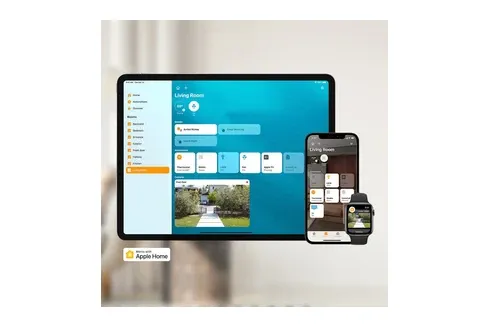
Control fan speed and lighting with the Kasa Smart Ceiling Fan Control...

The Aqara Dual Relay Module T2 enables control of two circuits for...

The Aqara Smart Lock U400 is a Matter-over-Thread deadbolt with fingerprint, keypad,...
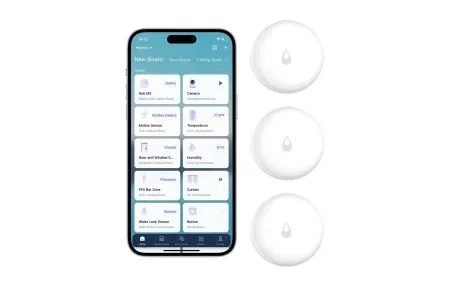
The Aqara Water Leak Sensor is a Zigbee puck with an IP67...

The Aqara 2K Indoor Security Camera E1 provides crystal-clear home surveillance with...

Aqara G400 wired doorbell with 2K video, 165-degree head-to-toe view, PoE or...
This guide covers exploring the future of and how they enhance your smart home setup. Exploring the possibilities of smart home technology reveals how this revolutionary field has transformed from a futuristic concept to everyday reality in just a few short years. The future of smart homes continues to evolve rapidly, bringing connected intelligence to households worldwide.
What Smart Homes Do:
- Connected lights, self-locking doors, and voice-guided appliances work together
- Streamline household chores
- Strengthen security and safety
- Reduce energy waste and save money
- Improve comfort and convenience
Understanding this transformation helps homeowners prepare for living spaces that think, learn, and adapt on their own.
How Smart Home Technology Became Mainstream
The Timeline:
Early home automation relied on clunky timers and expensive control panels. These systems were difficult to use and hard to install.
Today's Situation:
- Wireless standards have improved dramatically
- Component prices have fallen significantly
- Manufacturers offer affordable gadgets
- Control via phone or smart speaker
- Smart home ecosystem uses off-the-shelf bulbs, plugs, and sensors
- First-time buyers can set it up without specialist installers
- Smooth smart home integration is now the standard
Driving Forces Behind Adoption
- Widespread Wi-Fi coverage in residential areas
- User-friendly apps that simplify setup
- Growing awareness of sustainability goals
- Competitive pricing that lowers entry barriers
- Cloud services delivering real-time insights
These factors transformed connected gadgets from luxury items into practical tools that enhance daily living.
From Simple Automation to Intelligent Ecosystems
Modern smart home systems use smart technology to connect devices into one responsive network.
Key Technologies:
- Artificial intelligence and machine learning
- The Internet of Things (IoT)
- Real-time data processing
- Predictive algorithms
What They Do:
- Motion detectors trigger lights automatically
- Thermostats learn occupancy patterns to reduce utility bills
- Voice assistants provide hands-free control
- Control everything from coffee makers to irrigation pumps
- System anticipates needs rather than just following commands
Key Innovations on the Horizon
- Edge processing for faster, private decision-making
- Universal standards like Matter that guarantee interoperability
- Battery-free sensors powered by ambient energy
- Predictive maintenance alerts that prevent costly breakdowns
By focusing on these advances, manufacturers are crafting homes that quietly serve their occupants while safeguarding privacy and reducing environmental impact.
Emerging Trends Shaping Tomorrow's Smart Homes
The future of home automation focuses on three key areas:
Personalization: Homes will learn your individual habits and adjust automatically.
Energy Independence: Smart systems will help you generate and manage your own power.
Wellness: Homes will support better health through smart monitoring and alerts.
What This Means: AI engines will recognize your patterns and adjust settings in real time. Forecasting technology will predict supply needs automatically.
Real-World Examples:
- Refrigerators reorder milk before it runs out
- Heat pumps pre-warm bedrooms on chilly mornings
- All happening without you lifting a finger
Broader Access and Tailored Experiences
For Beginners: Affordable starter kits include smart plugs, entry sensors, and color-changing bulbs. Test automation without big investments.
For Power Users: Modular hubs with multi-protocol radios support expansive setups. Adapt to complex routines and advanced automations.
The Result: Everyone can build a home system that matches their budget, lifestyle, and comfort level with technology.
Smooth Integrations and DIY Creativity
As ecosystems mature, hobbyists and professionals alike explore innovative pairings:
- Linking smart lighting with cameras so exterior lamps flash when movement is detected
- Syncing weather data to adjust shades, preserving indoor temperatures
- Combining a smart speaker with a thermostat for voice-activated climate control
By experimenting with cross-platform recipes, residents create unique experiences that boost convenience and cost savings.
Five Core Benefits of a Smart Home
- Convenience: Automations perform repetitive tasks, freeing up time.
- Energy Efficiency: Adaptive heating, cooling, and lighting cut consumption.
- Security: Live video, smart locks, and instant alerts protect property.
- Comfort: Personalized scenes craft the perfect ambiance on demand.
- Accessibility: Voice commands and remote apps aid users with limited mobility.
Security and Sustainability in Focus
Modern homeowners prioritize both safety and eco-friendliness. Smart cameras, doorbells, and smart locks deliver real-time notifications, while efficient appliances and solar-integrated batteries reduce dependence on the grid. Combining these capabilities supports peace of mind and lowers monthly bills. Security systems monitor activity around the clock, sending instant alerts to mobile devices when suspicious behavior is detected. Smart thermostats learn occupancy patterns and adjust heating and cooling schedules automatically, reducing energy waste during periods when no one is home. Lighting systems respond to daylight levels and room occupancy, ensuring energy is never wasted illuminating empty spaces. Integration of renewable energy systems like solar panels with smart battery storage allows homes to store excess power and use it during peak-rate hours, effectively reducing utility costs while minimizing environmental impact. These interconnected systems create a home that actively manages resources and responds intelligently to changing conditions throughout the day and season.
Popular Categories Driving Demand
The market expands each season, introducing fresh ideas and refined designs. Standout segments include:
- Smart Lighting: Dimmable bulbs and adaptive scenes for every mood
- Smart Security Systems: Multi-sensor platforms that deter intruders
- Smart Thermostats: Learning algorithms that cut HVAC expenses
- Smart Appliances: Self-diagnosing washers, ovens, and fridges
- Voice Assistants: Central hubs orchestrating entire households
Building Your Own Connected Ecosystem
When selecting devices, confirm compatibility with existing hubs or cloud services. Check firmware support, security practices, and manufacturer roadmaps to ensure longevity. Mix-and-match brands that embrace open standards to avoid vendor lock-in while expanding functionality.
Looking Ahead: What to Expect
AI-Driven Assistants: These won't just follow commands. They'll be proactive partners that anticipate your needs.
Context-Aware Automations: Your home will react to:
- Your biometric data (heart rate, sleep patterns)
- Local weather conditions
- Energy grid demand
- Time of day and seasonal changes
5G Networks: Powerful 5G technology will enable smart homes to synchronize instantly across all connected devices. Ultra-low latency means faster responses and better coordination.
AI-Powered Living
Natural Conversation: Voice recognition will evolve beyond simple commands. You'll have natural conversations with your home.
Smart Understanding: The system will analyze:
- Your tone of voice
- Your history and patterns
- Context of what you're doing
Examples:
- Dim lights automatically when you sound relaxed
- Suggest opening windows when air quality drops
- Know when you want entertainment vs. productivity mode
5G and Edge Computing
How It Works:
- 5G provides greater bandwidth
- On-device chips process data locally
- Your data stays on your devices
- Responses accelerate dramatically
The Benefits:
- Better privacy-less data sent to the cloud
- Faster responses
- Service continues even if cloud connections drop
- More reliable and secure
Eco-Conscious Smart Homes
Renewable Energy:
- Solar panels with smart controls
- Intelligent inverters maximize efficiency
- Battery storage saves excess power
- Load-shifting algorithms optimize usage
Water Conservation:
- Smart irrigation adapts to weather
- Gray-water recycling reduces waste
- Smart monitoring tracks consumption
Your smart home produces, stores, and optimizes energy rather than just consuming it. These systems learn seasonal patterns and adjust automatically. During sunny days, solar systems prioritize battery charging. At peak demand hours, stored energy discharges to reduce grid strain. Moisture sensors prevent overwatering gardens. Flow sensors detect leaks instantly. The cumulative effect reduces household resource consumption by 30-50%.
Sustainable living becomes built-in, not optional. Smart homes help you generate, store, and use clean energy efficiently. This approach transforms your home from a passive energy consumer into an active participant in grid stability and environmental stewardship.
Expanding the Human Experience Through Smart Home Evolution
Immersive, Responsive Environments: Smart homes are moving beyond simple automation. They're becoming responsive environments that feel intuitive and supportive.
Health and Wellness:
- Adaptive lighting shifts color throughout the day for better sleep
- Contextual audio guides users with visual impairments
- Predictive analytics identify patterns in your behavior
- Gentle prompts encourage healthier habits
Community Networks: Smart homes will connect with neighbors through shared systems:
- Share anonymized energy data
- Coordinate solar storage across the neighborhood
- Optimize local grid loads during peak times
- Strengthen community resilience
Accessible Automation: The democratization of smart home technology has lowered barriers for everyone. Open-source platforms like Home Assistant enable users to build custom solutions. Modular components let you start with basics and expand gradually. No-code automation tools eliminate the need for programming knowledge. Communities of hobbyists and professionals share templates and solutions, accelerating adoption.
This accessibility means you don't need technical expertise to benefit from smart home technology. Beginners can use pre-built routines and mobile apps. Advanced users can create complex automations with conditional logic. Everyone finds their comfort level and customizes accordingly.
Smart homes are shifting from isolated devices to holistic environments that enrich daily life through thoughtful design. The ecosystem grows stronger as more manufacturers adopt open standards like Matter and Thread, enabling interoperability across brands.
Overcoming Common Smart Home Barriers
Many homeowners hesitate due to concerns about complexity, cost, or compatibility. Initial setup fears are often overstated-most devices use intuitive mobile apps with guided wizards. Security concerns are addressable through proper router configuration and strong passwords. Interoperability challenges have diminished with universal standards like Matter. Budget constraints are manageable with quality starter kits at accessible prices. By taking a measured approach, most homeowners discover smart home adoption is straightforward.
Getting Started with Your Smart Home Today
Building a smart home doesn't require a large upfront investment or technical expertise. Start with a clear goal and expand gradually as your comfort level increases.
Step 1: Identify Your Priority
Different people prioritize different benefits. Think about what would improve your daily life most significantly. Would you save money through energy efficiency? Would you value the convenience of voice control and automation? Are you primarily concerned with home security and monitoring? Or do you prefer enhanced entertainment experiences? Your answer determines where to start.
Choose what matters most to you:
- Energy savings - Start with a smart thermostat that learns your schedule
- Convenience - Add a smart speaker for hands-free control
- Security - Install cameras and smart locks for protection
- Entertainment - Try smart lighting for mood and ambiance
Step 2: Start Small Pick one foundational device that aligns with your priority. This could be a smart speaker as your central hub, or a smart thermostat if energy matters most. Get comfortable with basic features before expanding. Most devices have simple setup via mobile apps. Spend a week learning how to use your first device effectively. Understanding the basics prevents frustration when adding more devices.
Step 3: Build Over Time Each new device becomes easier to add as your confidence grows. You'll learn the system faster. Most new smart devices integrate with your existing ecosystem. Once you understand one device's interface, others feel familiar. Your smart home grows organically, matching your budget and evolving needs.
Final Thoughts
A Smart Home is no longer futuristic fantasy. It's the next logical step in how we live.
Building Your Smart Home:
- Embrace open standards for flexibility
- Focus on privacy and security
- Select energy-efficient smart devices
- Create adaptable spaces that learn and protect
- Build gradually with sustainable choices
User Experience Evolution
Modern smart homes are becoming less intrusive and more helpful.
Better Automation:
- Subtle assistance blends into the background
- Energy dashboards show simple, actionable insights
- Contextual automation adjusts based on your routine
- Notifications become less overwhelming
Cross-Brand Compatibility
Manufacturers are now working together:
- New standards enable devices to work together
- Open APIs reduce conflicts between brands
- Creative DIY automation becomes possible
- Users can mix and match devices freely
Example: Trigger a morning sequence that brightens lights, starts your coffee maker, and reads the weather-all with one voice command.
Sustainable and Modular Design
As consumers demand sustainability, manufacturers are responding:
- Modular components that upgrade (not replace)
- Reduced electronic waste
- Longer device lifespans
- Clear software support timelines
Wellness and Health Integration
Smart homes will expand into personal wellness:
- Air quality monitoring
- Sleep optimization tools
- Hydration reminders
- Gentle health prompts (not intrusive)
- Privacy always respected
Community Smart Networks
Neighborhoods are becoming connected ecosystems:
- Share anonymized security insights
- Coordinate energy across blocks
- Share solar generation data
- Improve local grid efficiency
- Enhance community safety
The Bottom Line
Homeowners who embrace smart home technology today will be ready for tomorrow. Future systems will feel intuitive, support your wellness, and blend into daily life-offering comfort, efficiency, and peace of mind in ways once considered impossible.
Smart home technology continues to expand what's possible in our living spaces. Each year brings new devices, better integration, and smarter algorithms. The key to success is starting with a clear goal and building gradually. Communities are sharing solutions that inspire adoption, while manufacturers offer more affordable options that make the technology accessible to everyone. Embrace this evolution and discover how smart home systems can enhance your daily living.
The transformation of homes through intelligent automation represents one of the most significant shifts in residential technology. Smart homes adapt to your lifestyle, learn your preferences, and optimize your environment without requiring constant manual intervention. Whether you prioritize energy savings, enhanced security, improved comfort, or environmental sustainability, smart home systems deliver measurable benefits that justify their adoption. Start with a single device, expand gradually as your confidence grows, and experience firsthand how connected home technology improves quality of life. The future of residential living is already here, and it's more accessible than ever before.
Take the first step toward building your ideal smart home today by exploring the devices and systems that match your lifestyle, budget, and goals for a more connected and convenient living experience. The future of residential living is unfolding now, with new possibilities emerging each year that make connected homes more accessible and beneficial for families everywhere.
Browse our guides and product reviews to find the perfect starting point for your smart home journey.
Embrace the connected home revolution that is reshaping how families live, work, and interact with their homes daily.
Build your smart home foundation with devices that integrate across brands to create intelligent automated living. The transformation toward smart homes represents a fundamental shift in how people interact with their living environments. Rather than managing devices manually, smart homes use automation and intelligence to anticipate needs and respond proactively. This evolution continues as technology becomes more affordable, intuitive, and integrated across brands.
Below you will find our latest tips on this topic.