Smart Thermostat: Maximize Home Comfort & Cut Energy Costs - In-Depth Review
A smart thermostat slashes energy bills, boosts comfort, and integrates with your connected home ecosystem effortlessly.
Blog posts
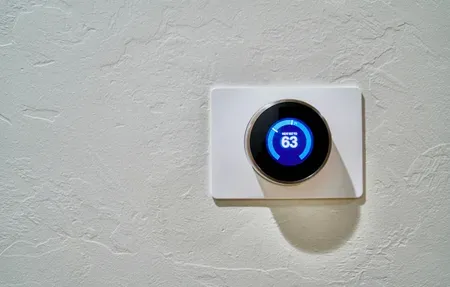
None of these five thermostats run in this house, and the guide...

Smart plugs, sensors, and thermostats are the building blocks of home automation....
Products
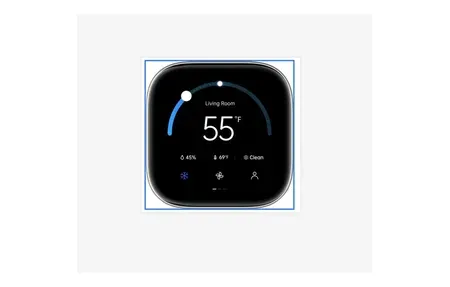
Aqara Thermostat Hub W200 combines climate control, security monitoring, and Matter hub...
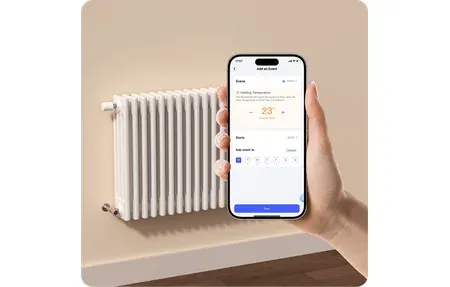
Aqara Radiator Thermostat W600 offers smart scheduling, extended 2-year battery life, and...

The Aqara Smart Hub M2 enables easy control of smart home devices,...

The Aqara Smart Hub M3 enables solid connectivity for Aqara smart devices...

Seven-inch smart display with sleep tracking, Soli radar gestures, and direct Cast...
The Neato D10 Robot Vacuum offers superior smart home cleaning with advanced...

Shelly Plug US Gen4 Matter-certified smart plug, 1800W, Wi-Fi, Zigbee, energy monitoring....

Optimize your home security with Aqara Door and Window Sensor P2, offering...
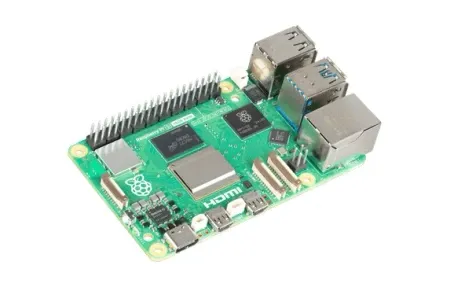
The Raspberry Pi 5, the ultimate tool for smart home enthusiasts, featuring...
Wall Display X2 smart control panel with 6.95-inch touchscreen, 5A relay, environmental...
What Makes a Smart Thermostat Smart?
This guide covers tat: maximize home comfort & cut energy co and how they enhance your smart home setup.
A smart thermostat is an internet‑enabled temperature controller that does far more than switch your HVAC on and off. Packed with sensors and software, it learns when you wake, work, and sleep, then fine‑tunes heating or cooling automatically. This keeps rooms comfortable while trimming waste, resulting in lower energy bills and a lighter carbon footprint. Because everything is managed through a mobile app or voice assistant, adjusting the climate becomes effortless-even when you're away from home.
Beyond basic temperature regulation, cutting‑edge designs integrate local weather forecasts, occupancy trends, and seasonal utility rates, refining every adjustment in real time. They can even suggest filter replacements, remind you of scheduled maintenance, and integrate with utility demand‑response programs to earn bill credits while supporting a more resilient energy grid.
Key Benefits at a Glance
- Precise scheduling that matches daily routines
- Automated temperature adjustments based on occupancy and weather
- Real‑time energy reports that spotlight savings opportunities
- Smooth control from anywhere via smartphone or smart speaker
- Compatibility with major ecosystems such as Alexa, Google Home, and Apple Home
Essential Features to Look For
Learning Algorithms
The most advanced models study your preferences and build automatic schedules within a week. Look for adaptive algorithms that continue refining settings as seasons change.
Geofencing
When the last family member leaves the house, geofencing sets the smart thermostat to an eco‑friendly mode. Detecting your return, it restores comfort before you walk through the door.
Remote Sensors
Add‑on temperature or occupancy sensors help eliminate hot and cold spots, giving every room equal attention instead of relying on a single hallway reading.
Energy Reporting
Detailed dashboards translate kilowatts into dollars, showing exactly how tweaks translate to cash in your pocket.
Choosing the Right Smart Thermostat
Start by confirming HVAC compatibility-most modern systems use standard 24‑volt wiring, but older equipment may need a power adapter. Next, decide which voice assistant you prefer; native support avoids extra hubs. Finally, think about looks: a thermostat sits eye‑level, so a clear display and attractive bezel can blend with decor.
Installation Tips
Many homeowners complete installation in under 30 minutes using only a screwdriver and the included wiring labels. Shut off power at the breaker, note wire positions on the old base, and transfer each conductor to the matching terminal on the new unit. Most brands provide step‑by‑step app guidance plus live chat if you hit a snag.
Optimizing Performance Through Everyday Habits
While the smart thermostat handles most decisions automatically, a few mindful habits can further improve comfort and efficiency. Start by reviewing seasonal schedules at least twice a year. Small adjustments-such as lowering the heat a few degrees at night or raising cooling temperatures when no one is home-can produce noticeable savings without affecting comfort. Smart thermostats also benefit from thoughtful placement of remote sensors. Position them in rooms that see the most activity, avoiding locations near vents, radiators, or direct sunlight, as uneven readings can lead to unnecessary system cycling.
Another habit worth adopting is tracking weekly energy reports. These clear, user‑friendly summaries help you identify spikes in usage, giving you a chance to correct issues early. For example, an unexpected rise in consumption could signal poor insulation, drafty windows, or a failing HVAC component. By acting quickly, you can often prevent expensive repairs and maintain year‑round efficiency.
Smart integrations also open the door to creative automation. Pairing your smart thermostat with occupancy sensors, smart blinds, or even a smart ceiling fan enables multi‑layered control that responds naturally to your lifestyle. This level of coordination not only optimizes indoor climate but also reduces the strain on your HVAC system, supporting long‑term reliability and better airflow throughout the home.
Regular maintenance is the final pillar of peak performance. Replace filters on schedule, clear dust from vents, and ensure that outdoor HVAC units remain free of debris. Combined with the intelligence of a smart thermostat, these simple steps help your home reach its highest standard of comfort and sustainability.
Final Thoughts
Upgrading to a smart thermostat is one of the quickest, most cost‑effective ways to modernize a home. By combining automatic intelligence with hands‑free convenience, it delivers year‑round comfort while cutting waste-proving that smart technology can be both practical and planet‑friendly.
By mastering the nuances of scheduling, sensor placement, and voice commands, you unlock a blueprint for climate control that can maximize comfort while making a decisive cut in wasteful runtime. This simple upgrade drives year‑round savings, extends HVAC longevity, and gives your household insights that inspire smarter habits every season.
As smart thermostat technology continues to advance, homeowners can expect even deeper integration with renewable energy sources, battery storage systems, and real‑time grid pricing. Future models may coordinate with solar panels to shift heavy HVAC loads into peak production hours, lowering bills while reducing reliance on fossil fuels. For households already invested in the connected home ecosystem, the smart thermostat serves as a central hub that ties together lighting, shading, and ventilation into a coherent climate strategy. This holistic approach transforms everyday temperature management into a smooth, intelligent experience.
Invest in a smart thermostat today and take control of your home's climate while enjoying long-term savings and the satisfaction of supporting a more sustainable future for your household.
Start optimizing your home's energy efficiency now and discover how a smart thermostat can deliver meaningful comfort improvements while reducing your environmental impact and monthly utility bills.
Begin your smart thermostat journey today and experience how intelligent temperature management can transform your comfort while making significant strides toward energy conservation and long-term household cost savings. Embrace the future of home comfort with smart thermostat technology that adapts to your lifestyle while reducing your environmental footprint.
Explore our comprehensive guides and product recommendations to find the perfect smart-thermostat solutions for your smart home setup. Discover how smart-thermostat technology can enhance your daily life while improving efficiency and convenience.
Smart thermostats optimize heating and cooling through learning algorithms, scheduling, and integration with weather data.
Smart thermostat adoption continues accelerating as energy costs rise and environmental consciousness grows among homeowners seeking sustainable living solutions. Advanced machine learning algorithms analyze historical usage patterns predicting optimal temperature schedules without manual programming requirements. Occupancy sensors detect room presence adjusting temperatures dynamically based on actual usage rather than predetermined schedules. Weather anticipation features prepare HVAC systems for incoming temperature changes preheating or precooling homes efficiently. Multi-zone control capabilities enable independent temperature management across different rooms or floors optimizing comfort and energy consumption. Integration with renewable energy systems coordinates heating and cooling with solar panel output maximizing self-consumption and grid independence. Air quality monitoring sensors track indoor pollutants and humidity levels triggering ventilation systems to maintain healthy environments. Maintenance reminders alert homeowners to filter replacements and system servicing needs preventing efficiency degradation and premature equipment failures. Energy usage reports visualize consumption trends empowering informed decisions about temperature preferences and schedule adjustments. Compatibility with utility demand response programs enables automated participation in grid load reduction initiatives earning rebates and reducing peak demand strain. Professional HVAC contractors appreciate installation simplicity and configuration flexibility when retrofitting smart thermostats into existing climate control infrastructure.
Frequently Asked Questions
Does a smart thermostat work without Wi-Fi?
Basic manual control remains, but advanced scheduling and remote features require an internet connection. #
How much can I save?
Studies show average reductions of 10-15 % on heating and cooling costs, though homes with irregular schedules often save more. #
Will it pay for itself?
Between direct energy savings and potential utility rebates, payback typically occurs within two heating and cooling seasons.