Smart Climate Control for Every Room
Smart home climate control devices and strategies can improve comfort, cut energy costs, and enhance indoor air quality.
Blog posts

Home Assistant 2026.3, titled A clean sweep, is a polish release: vacuum...
LC on the Avatto TRV06 display is the child lock, not a...

ecobee and Nest handle energy savings differently, and the gap can be...
The Gree Versati III has a Modbus port behind its wired controller....
ESPHome 2026.9.0 shipped on 16 September 2026 with 275 merged pull requests....
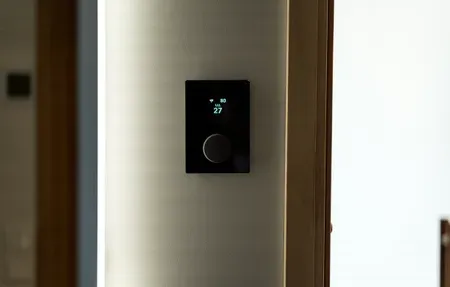
This is a researched shortlist, not bench testing. A Z-Wave model like...
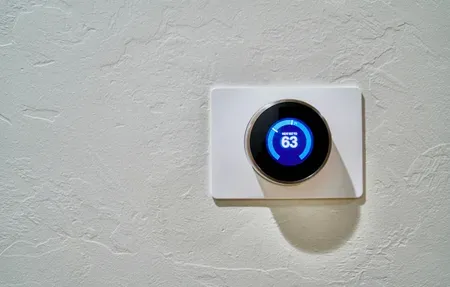
None of these five thermostats run in this house, and the guide...

A dedicated meditation space does not require a spare room or expensive...
Products
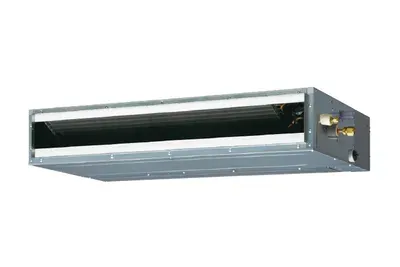
The Fujitsu ARXD024GLEH is a 7.1 kW cooling, 8.0 kW heating slim...
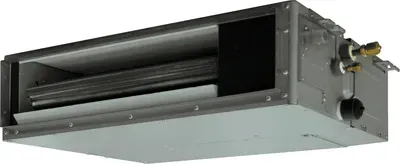
The Fujitsu ARXK009GLGH is a 2.8 kW low static ducted indoor unit...
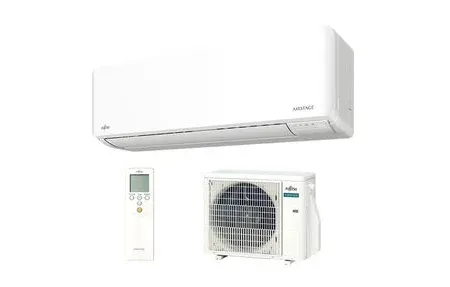
The Fujitsu ASEH12KMCG and AOEH12KMCG make a 3.4 kW R32 wall split...
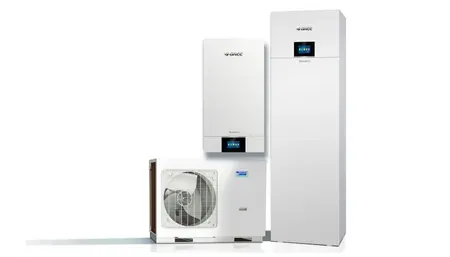
The Gree Versati III split is a 10 kW R32 air-to-water heat...

The Aqara Smart Hub M3 enables solid connectivity for Aqara smart devices...

The Aqara Temperature and Humidity Sensor provides accurate indoor climate readings, with...
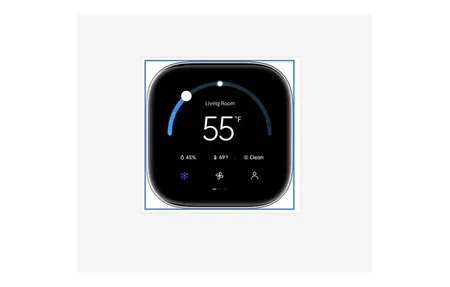
Aqara Thermostat Hub W200 combines climate control, security monitoring, and Matter hub...

Huawei Smart Energy Controller SUN2000-8K-LC0 delivers 8,000 W, 3 MPPTs, IP66 protection,...

The Huawei Watch 5 in two sizes with AMOLED, 5 ATM, up...

Shelly Plug US Gen4 Matter-certified smart plug, 1800W, Wi-Fi, Zigbee, energy monitoring....
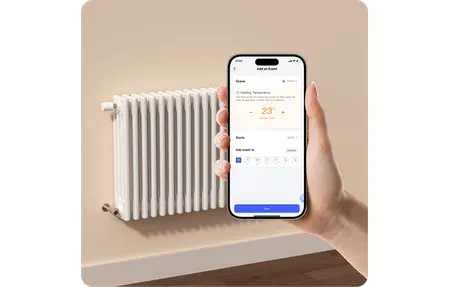
Aqara Radiator Thermostat W600 offers smart scheduling, extended 2-year battery life, and...

Monitor CO2, PM2.5, temperature and humidity with IKEA ALPSTUGA. Matter over Thread...
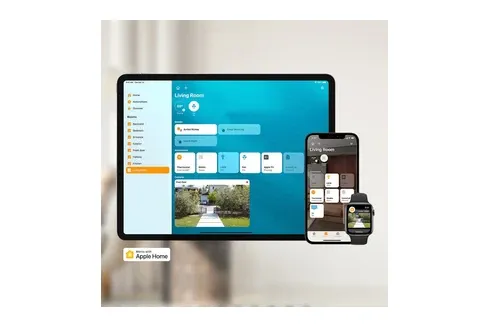
Control fan speed and lighting with the Kasa Smart Ceiling Fan Control...

Shelly Power Strip 4 Gen4: four Schuko outlets switched and metered one...

Shelly Presence Gen4 mmWave occupancy sensor with Wi-Fi 6, Zigbee 3.0 and...
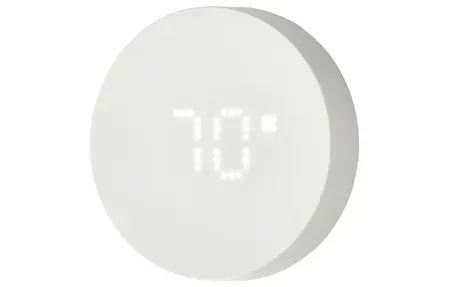
IKEA TIMMERFLOTTE reads room temperature and humidity over Matter and Thread. Needs...
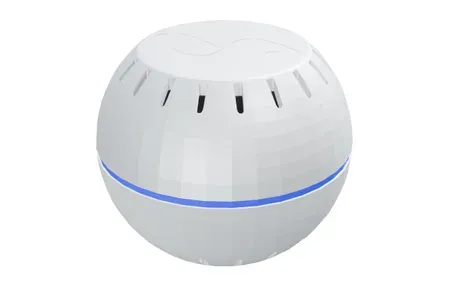
The Shelly Wave H&T puts temperature and humidity on Z-Wave 800 hardware...
Smart home climate control has made it easy to keep every room cozy and comfortable without constant manual adjustments. Your path to efficient living starts here. Modern systems combine sensors, automation, and smart algorithms to balance temperature and humidity. They trim energy waste while keeping your home feeling just right. This guide covers the key devices, strategies, and setup steps to build a smarter climate plan for your home.
Why Embracing Smart Climate Control Improves Your Home
Smart Climate Control does more than maintain a steady temperature. It balances heat, cool, and moisture, learns your habits, and acts before you even think to tap an app. The result is a house that feels 'just right' all year while staying efficient and avoiding the energy spikes that hurt your wallet and the planet.
Modern climate systems also watch for maintenance issues. They monitor compressor cycles, filter status, and performance trends. A smart hub can schedule service visits before small problems become expensive repairs.
Families with infants, elderly relatives, or allergy-sensitive members benefit from stable nighttime temperatures. Occupancy sensors enable zone control, so empty guest rooms do not waste energy while busy living areas stay comfortable.
Key Advantages of Smart Climate Control
- Balanced energy use that cuts monthly bills and reduces your carbon footprint.
- Hands‑free convenience through voice assistants and mobile dashboards.
- Consistent, year‑round comfort tailored to each room's needs.
- Cleaner indoor air and healthy humidity levels that fight mold and allergens.
Top Devices to Master Climate Control in 2025
1. Intelligent Thermostats
Intelligent thermostats learn your routine, adjust on the fly, and provide detailed usage insights. Popular units integrate with smart speakers, letting you raise or lower the temperature with a quick voice command.
2. Connected Air Conditioners & Controllers
A connected AC or retrofit controller brings Wi‑Fi smarts to existing units. Schedule cooling during off‑peak hours, track performance, and shut the system down automatically when windows are open.
3. Wireless Humidity & Air-Quality Sensors
Tiny, battery‑powered sensors watch humidity and VOC levels. When conditions drift, they trigger humidifiers, dehumidifiers, or fans, ensuring that comfort never slips and equipment only runs when necessary.
Step-By-Step Blueprint for a Smarter Climate Plan
- Audit your HVAC: Confirm compatibility and efficient operation before adding connected parts.
- Install a smart thermostat: Position it away from drafts and direct sunlight for accurate readings.
- Layer in sensors: Place humidity and temperature sensors in bedrooms, living areas, and basements.
- Automate with routines: Use geofencing so the home slips into an energy‑saving mode whenever the last person leaves.
In winter, smart thermostats work with temperature sensors to prevent overheating in smaller rooms. Paired with humidity trackers, they also reduce the dry-air discomfort that comes with heavy heating. In summer, the same network shifts focus to cooling efficiency. It finds the times when your home accumulates heat and runs pre-cooling routines to reduce HVAC strain.
Smart vents and zone controllers redirect air to occupied spaces. This is especially useful in multi-story homes where temperature differences are hard to balance. Older homes benefit too - zone control compensates for drafty hallways and poorly insulated attic spaces.
Many new systems include adaptive learning. They study sunlight, occupancy, and weather patterns to adjust settings automatically. Over time, they deliver tighter comfort with less energy use. When integrated with a smart home hub, climate devices can work alongside lighting and security scenes. For example, when nighttime mode activates, lights dim and the thermostat drops a few degrees for better sleep.
In homes with solar panels or time-of-use electricity pricing, smart controllers schedule heating and cooling around cheaper energy windows. Even renters can benefit by using portable sensors, smart plugs, and compact controllers that require no permanent installation.
Practical Tips for Getting the Most From Your Climate System
Start by checking your current thermostat wiring before purchasing a smart replacement. Most modern smart thermostats need a common wire for continuous power. If your system lacks one, many brands include an adapter or can use battery power. Place temperature sensors away from windows, vents, and appliances that generate heat. Schedule your first mapping run on a typical day so the system learns an accurate baseline. Review your energy reports monthly during the first season to identify heating and cooling spikes. Small adjustments to your schedule routines can cut energy bills by ten to fifteen percent without reducing comfort.
Conclusion: Take Charge of Comfort with Climate Control
Choosing smart devices is only the first step. The real value comes when your thermostat, AC, and sensors share data and work together. Once that happens, climate control runs silently in the background. You get consistent comfort, lower bills, and less time thinking about your HVAC.
Start small: install a smart thermostat, then add a room sensor or two. Build from there as you learn what your home needs.
Climate control covers smart thermostats, humidity sensors, and HVAC automation. Modern systems learn occupancy patterns and weather forecasts to optimize heating and cooling. Integration with smart home platforms adds remote temperature management and voice-activated adjustments. Advanced setups include zone-based control, predictive heating and cooling, and occupancy-triggered adjustments.