Enhance Your Home Environment with Smart Home Solutions
Explore practical smart devices and tips to enhance your home environment by boosting air quality, lighting, and climate while saving energy.
Blog posts
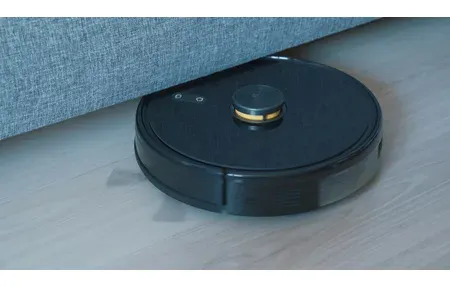
The iLife A11 pairs 4000Pa suction and LiDAR mapping with a budget...

Discover the best Aqara devices for 2026 featuring Matter and Thread compatibility....
Products
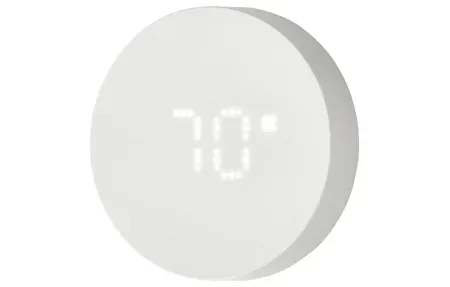
IKEA TIMMERFLOTTE reads room temperature and humidity over Matter and Thread. Needs...
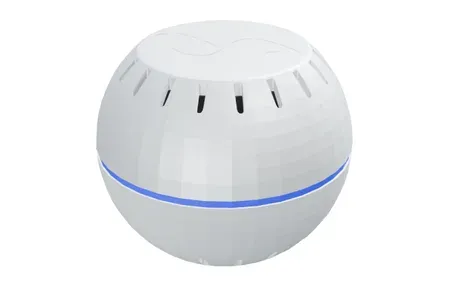
The Shelly Wave H&T puts temperature and humidity on Z-Wave 800 hardware...
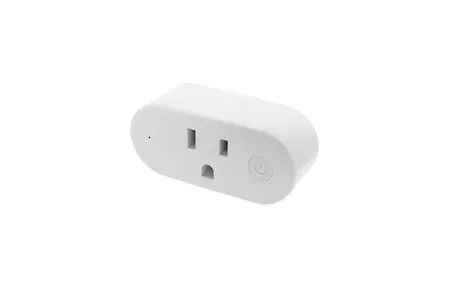
A close look at the Shelly Wave Plug US: Z-Wave 800 chip,...
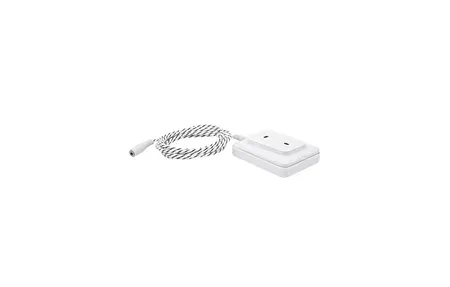
A look at the Shelly Flood S Gen4 water leak sensor: Matter...

GEMNS WePower kinetic switches cut waste and add flexible control for lights,...

The K20+ Pro functions as a advanced motion sensor designed specifically for...

Enhance your smart home with the Aqara Motion and Light Sensor P2,...
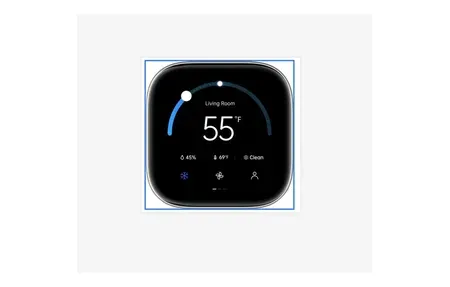
Aqara Thermostat Hub W200 combines climate control, security monitoring, and Matter hub...

The Aqara U200, a versatile smart home device designed to enhance your...

Google Nest Cam Outdoor (wired, 2nd gen) delivers 2K HDR video, 152°...
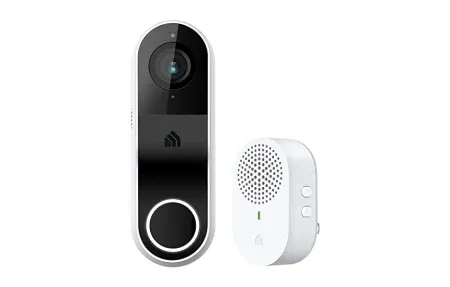
The Kasa Smart Doorbell | KD110 provides sharp video, two-way audio, and...

The Ecovacs Deebot 601 assessed from published specifications and owner reports. Battery,...

Monitor CO2, PM2.5, temperature and humidity with IKEA ALPSTUGA. Matter over Thread...

Shelly Presence Gen4 motion detection sensor with intelligent presence sensing for smart...
Creating a welcoming, efficient, and healthy home environment no longer requires expensive renovations or complex systems. By optimizing your surroundings with smart home solutions that fit into any lifestyle, you can improve comfort, reduce energy costs, and enhance daily well-being.
The Impact of Smart Technology on Indoor Comfort
Digital assistants and connected devices work together to provide significant advantages. With smart home integration, you gain:
Key Points
- Improved indoor air that reduces allergens and pollutants
- Lower energy bills achieved through data-driven automation
- Consistent climate control that follows your daily schedule
- Personalized lighting tuned to boost mood and productivity
- Future-proof flexibility as new devices and standards emerge
Must-Have Gadgets for a Smart Home
Expanding your smart home environment means paying attention to how each device works together as a unified system rather than a collection of separate tools. When your air purifiers, thermostats, lighting solutions, and sensors communicate easily, your home becomes more responsive and intuitive. For example, pairing light sensors with smart blinds can automatically reduce glare during bright afternoons, while integrating motion sensors with climate settings can prevent energy waste in rarely used rooms.
These small changes build a sense of harmony throughout your home. Another thoughtful enhancement is creating zones that meet the unique needs of each family member. A nursery may benefit from gentle lighting and stable humidity levels, while a home office might require crisp air filtration and bright task lighting for better focus. You can automate each zone with different routines, ensuring every corner of your living space supports comfort, productivity, and well-being.
Creating Your Optimized Home
As you continue refining these systems, you'll notice how even simple adjustments-like scheduling your purifier to start before you arrive home-can improve your daily routine. Such upgrades transform smart home technology from a convenience into a reliable partner that adapts to your habits and enhances your quality of life.
A finely tuned home environment is the foundation of a happier, healthier lifestyle. By blending smart thermostats, air quality monitors, and adaptive lighting into your routine, you gain effortless control over comfort and costs. Start small, learn what works, and expand at your own pace-soon, every corner of your house will feel tailor-made for you.
The right combination of smart home technology allows you to create a living space that responds intelligently to your needs while maintaining optimal comfort levels throughout every season. Successful home environment optimization hinges on recognizing that every household operates differently.
What works for a retiree who spends most days indoors may differ vastly from the needs of a young professional who travels frequently or a growing family juggling school schedules and extracurricular activities. Smart systems excel because they accommodate these diverse lifestyles through adaptive learning and flexible configuration.
Final Thoughts
Begin your journey toward an optimized home environment today and discover how smart technology can transform your living space into a sanctuary of comfort, efficiency, and well-being. Invest in your home environment now and create a living space that supports your wellness, enhances your comfort, and reflects your commitment to modern, intelligent living for years to come.
Creating an optimized home environment extends beyond installing devices and configuring settings. It involves understanding how your family members move through spaces, what temperature ranges feel comfortable to different people, and which times of day require different lighting conditions. Smart thermostats learn your heating and cooling patterns while minimizing energy consumption. Air quality sensors monitor pollutant levels, triggering purifiers automatically when needed. Lighting systems adapt to circadian rhythms, providing bright energizing light in morning hours and warm, relaxing illumination in evenings. Humidity sensors prevent mold growth in bathrooms and basements by controlling ventilation.
These interconnected systems working together create a home environment that feels intelligently responsive to your needs without requiring constant manual adjustments. For families with elderly members or children, smart home technology supporting home environment optimization provides peace of mind through improved safety and comfort. Starting your optimization journey today positions you to benefit from emerging innovations while establishing habits that support long-term comfort and wellness.
Creating Personalized Environmental Zones
Different areas of your home naturally support different purposes, and intelligent zoning allows each space to maintain optimal conditions for its function. Bedrooms benefit from cool temperatures, minimal light, and humidity levels that support healthy sleep cycles. Home offices require consistent temperatures, adequate ventilation, and strategic lighting that reduces eye strain while maintaining alertness. Living rooms accommodate varying preferences from multiple occupants, necessitating flexible automation that balances comfort across different needs. Children's rooms deserve special attention to humidity, temperature stability, and air quality that supports healthy development and restful sleep. Kitchens and bathrooms experience dramatic temperature and humidity swings requiring responsive systems that prevent condensation damage while maintaining comfort.
Implementing zone-based automation starts with understanding the natural airflow patterns within your home. Identifying which thermostat controls specific areas helps prioritize zone-focused improvements. Adding independent temperature sensors to critical rooms enables precise control rather than relying on a single central sensor. Smart vents and dampers can partially restrict airflow to less-used spaces, concentrating heating and cooling where people actually spend time. This granular approach to environmental control delivers significant energy savings while improving comfort across all occupied spaces.
Technology Integration for Smooth Control
Modern home environment systems integrate multiple sensor types that work together to create comprehensive understanding of space conditions. Temperature sensors track absolute conditions while trend analysis reveals daily and seasonal patterns. Humidity sensors detect moisture accumulation before mold becomes visible, triggering ventilation that prevents costly remediation. Air quality monitors measure particulate matter and volatile organic compounds, alerting occupants to pollution sources and enabling targeted purification. Light sensors detect ambient brightness and occupancy patterns, enabling lighting that adapts to natural conditions and actual room use rather than fixed schedules.
Integration platforms collect sensor data from throughout your home, analyze patterns, and trigger coordinated responses that would be impossible with individual device control. When morning temperatures drop below freezing and humidity rises near windows, the system might simultaneously increase heating slightly and activate dehumidification to prevent condensation damage. During heat waves, the platform coordinates ceiling fan operation with shade deployment and thermostat setback to maximize passive cooling before engaging expensive air conditioning. These coordinated responses require system integration but deliver substantial efficiency gains and comfort improvements.
Control interfaces should prioritize simplicity while providing advanced options for technically inclined users. Most occupants prefer simple scenarios like "good morning" or "leaving home" that automatically configure multiple systems without requiring individual adjustments. Technical users appreciate granular control and the ability to create complex conditional automations for specialized scenarios. Voice control offers convenient operation without screens or manual intervention, though touch interfaces remain valuable for detailed review and adjustment of system settings. Mobile apps enable remote monitoring and emergency adjustments when away from home.
Seasonal Adaptation and Climate Responsiveness
Environmental optimization requires acknowledging that comfort needs change dramatically throughout the year as outdoor temperatures, humidity, and daylight availability shift. Spring and autumn weather enables opening windows and reducing mechanical conditioning, representing opportunities to reduce energy consumption while delivering fresher air quality. Summer cooling strategies emphasize passive cooling through nighttime ventilation, external shading, and strategic interior arrangement that minimizes heat gain. Winter heating optimization focuses on passive solar gain, efficient indoor heat retention, and strategic dehumidification that prevents moisture accumulation during cold seasons.
Geographic location profoundly influences optimal environmental strategies, with desert climates, humid subtropical regions, and temperate zones requiring fundamentally different approaches. Coastal locations benefit from marine layer breezes that provide natural cooling while inland areas may require more aggressive mechanical conditioning. High-altitude locations experience dramatic temperature swings and dry conditions requiring different strategies than sea-level humid environments. Understanding your specific climate and responding to actual conditions rather than following generic recommendations enables environmental systems that deliver genuine comfort and efficiency.
Improving your home environment rarely needs one big purchase. Air-quality sensors, smart lighting tuned to the time of day, and a thermostat that learns your schedule each move the needle on comfort. Start by measuring before you automate: a cheap air or humidity sensor often reveals the real problem, which is usually not the one you assumed.