Smart Lighting for Modern Homes: Efficiency & Style - In-Depth Review
Smart lighting for modern homes combines efficiency and style, transforming your space with intuitive, app-controlled, energy-saving illumination.
Blog posts
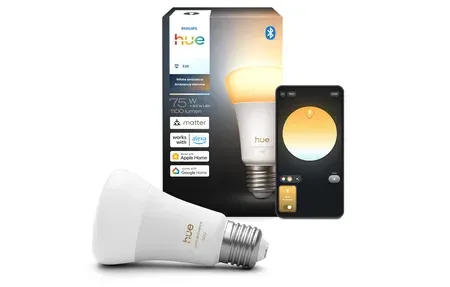
Smart lighting starts with Philips Hue for many people, but there are...

IKEA TRADFRI is one of the cheapest ways to build a Zigbee...
Products
Philips Hue Smart Button offers easy, one-click control of your smart lights....

Sonoff ZBMINIL2 Zigbee mini switch fits in any EU wall box. No...

The Aqara Dual Relay Module T2 enables control of two circuits for...

Smart LED bulb with Thread or Zigbee, 2000-9000K white and 16M colors...

The Aqara LED Strip T1 offers vibrant colors, smart controls, and easy...

Illuminate your space with Govee LED Strip Light M1 (5m). Bright RGBICW...

Philips Hue Festavia Globe Outdoor String Lights 45 ft feature 16 bright...

Philips Hue Lightstrip Plus offers flexible smart lighting for your home with...

Experience immersive lighting with the Philips Hue Play Wall Washer-bright, colorful smart...

The Philips Hue Smart 60W A19 LED Bulb provides energy-efficient, customizable lighting...

The Philips Hue Smart Dimmer Switch offers wireless control of your Hue...
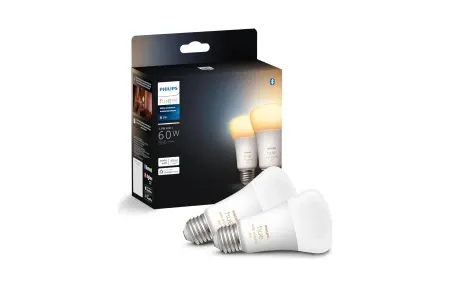
Illuminate your home with the Philips Hue White A19 LED Smart Bulb...

Shelly Dimmer Gen4 multi-protocol smart dimmer with Matter compatibility, Wi-Fi, Bluetooth, and...
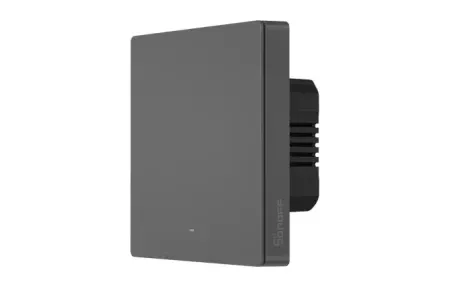
Control your home's lighting with the Sonoff SwitchMan Smart Wall Switch-M5, featuring...

Control any light with schedules, voice, or remote app access using the...

GEMNS WePower makes battery-free kinetic generators for switches. What the G100, G200...

Tuya-platform Wi-Fi filament bulbs pair Edison looks with Smart Life app, Alexa...

Tuya-platform Wi-Fi RGB LED strips use the Smart Life app, Alexa and...

The Philips Hue Bridge is the central hub for controlling your Philips...

Philips Hue Bridge Pro is a powerful smart hub supporting 150+ lights,...

The Philips Hue Dimmer Switch, offering smooth lighting control and energy-saving features...
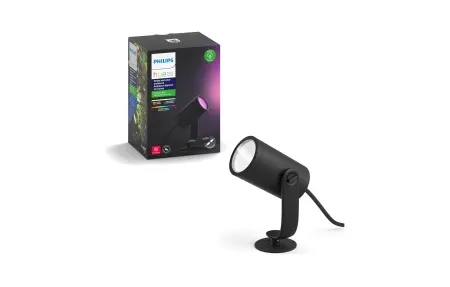
Illuminate and enhance your garden with the Philips Hue Lily Outdoor Spot...
Philips Hue White Ambiance Bulb offers tunable white light (1000-20000K), voice control,...

Roku Smart Bulb SE (BS1000R) tunable white and its BC1000R color sibling:...
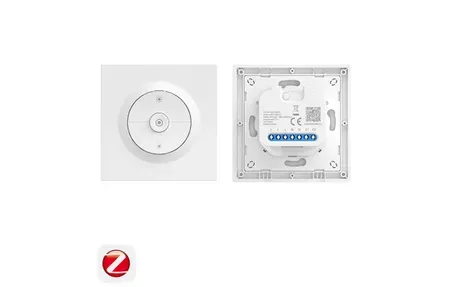
The SONOFF MINI-ZBDIM-E is a Zigbee wall dimmer with 0-100% flicker-free control,...
The Sonoff D1 Smart Dimmer Switch controls dimmable lights via Wi-Fi and...
TP-Link Kasa HS220 is a Wi-Fi dimmer that needs a neutral wire,...
This guide covers how smart lighting transforms modern homes, showing how efficiency and style enhance your smart home setup. Smart lighting empowers homeowners to tailor illumination with a tap or a spoken command. By combining LED technology, wireless connectivity, and intelligent software, it creates a flexible, modern lighting ecosystem that unlocks energy savings while infusing every space with personalized style.
What Makes Smart Lighting Smart?
At its core, smart lighting combines connected bulbs and fixtures, control software, and automation intelligence. Connected bulbs use Wi-Fi, Zigbee, Thread, or Bluetooth radios to communicate with your router or hub. Mobile apps and web dashboards let you schedule scenes, dim levels, and colors from anywhere. Sensors and algorithms learn your habits, turning lights on only when needed and off when a room is empty. When these elements work together, you gain smooth, context-aware illumination.
Smart lighting is particularly valuable for energy management. LEDs draw far less power than incandescent or halogen bulbs and last up to 25 times longer. Integrating daylight sensors dims lights near windows when sunshine is abundant. Motion detectors eliminate the classic problem of lights left blazing in empty rooms. Over a year, these small adjustments add up to noticeable savings on electricity bills.
Key Advantages of Smart Lighting
Smart lighting delivers energy efficiency through LEDs that draw far less power than incandescent bulbs and last up to 25 times longer. Convenience comes from voice control, geofencing, and presence detection that remove the need for wall switches. Security improves because randomized lighting schedules deter intruders by simulating occupancy. Mood creation is enhanced through millions of colors and tunable white temperatures that set the perfect atmosphere for any activity. Health support comes from circadian-aware lighting that mirrors natural daylight patterns to improve sleep quality and daily energy levels.
Planning Your Smart Lighting Upgrade
Smart lighting works best when rolled out with a clear strategy. First, pick an ecosystem and decide whether to build around platforms like Philips Hue, Aqara, or a Wi-Fi-only lineup. Next, start with high-traffic areas to maximize savings fastest. Layer in sensors for motion, ambient light, and open/close detection to enable advanced automation. Pair with Alexa, Google Assistant, or Siri for hands-free commands. Finally, create scenes grouped by activity (work, relax, entertain) for one-tap ambiance changes.
Must-Have Accessories
- Smart dimmer switches for legacy fixtures from brands like Lutron and Leviton
- RGB LED light strips for under‑cabinet or backlighting effects
- Battery‑powered wireless remotes for guests and children
These add‑ons extend the reach of your system beyond simple bulb swaps, giving renters and owners alike nuanced control without opening walls. Dimmer modules preserve familiar switch behavior, LED strips highlight architectural lines, and pocket‑size remotes welcome guests, ensuring the entire household experiences the convenience of adaptive illumination every day.
Future Trends in Smart Lighting
Expect deeper integration with home energy‑management systems, wider adoption of Matter for interoperability, and AI‑powered scene suggestions that learn your preferences over time.
Smart lighting brings meaningful improvements to each room when used thoughtfully. In living rooms, adaptive brightness prevents eye strain during daytime reading while creating a cozy glow for evening relaxation. Kitchens benefit from task-based lighting scenes - bright illumination for cooking and softer tones for late-night snacking. Bedrooms gain wake-up light routines that simulate dawn, helping users rise naturally. Motion-activated night lights guide hallway movement without disturbing sleep cycles. Workspaces benefit from adjustable white temperatures that support focus during demanding tasks and ease the boundary between work and leisure.
Smart outdoor lighting improves safety and ambiance. Motion-activated floodlights, pathway markers, and porch fixtures improve visibility after dark. When integrated with security cameras or alarm systems, randomized lighting schedules deter intruders by simulating occupancy. For renters, battery-powered wireless remotes and screw-in retrofit bulbs mean no wiring required, and your schedules and scenes move with you when you relocate.
Smart lighting adoption accelerates as prices fall and reliability improves. Manufacturers now offer bulbs under five dollars and fixtures that integrate with major platforms. Systems installed today become more capable over time through software updates as manufacturers add features. Deeper integration with home energy-management systems, wider adoption of Matter for interoperability, and AI-powered scene suggestions are already arriving in newer product lines.
Start with one room, experience the benefits firsthand, then expand gradually. Test different scenes and automation rules to discover what works best for your household routines. A phased approach lets you learn the platform before committing to a large investment, and most ecosystems allow mixing bulbs, strips, switches, and sensors from the same brand into a single coherent setup. The cumulative effect of well-planned smart lighting is a home that feels both more comfortable and more efficient every single day. Whether your priority is saving energy, improving security, supporting better sleep, or simply adding convenience, smart lighting technology delivers measurable improvements that justify the investment.
Smart lighting is the gateway drug of home automation, and for good reason. It delivers the most visible payoff for the least effort. Schedules, motion triggers, and sunset dimming change how a room feels day to day. Start with one reliable ecosystem rather than mixing brands, because that is where headaches begin. Get the bridge and protocol right early, and expanding later stays painless.