Mastering Energy Saving with Smart Home Devices and Automation
Discover how smart thermostats, lighting, and plugs cut energy use and bills. Explore data‑driven tips to create a comfortable, eco‑friendly smart home.
Published: July 23, 2025 | Updated: February 10, 2026
- Products
- Why a Connected Home Accelerates Energy Saving
- Smart Thermostats: Precision Climate Control
- Smart Lighting: Brighter Ideas, Lower Bills
- Smart Plugs and Real-Time Energy Monitors
- Shrinking Your Carbon Footprint with Smart Technology
- Practical Blueprint for Maximum Energy Saving
- Expanding Smart Energy Routines for Everyday Life
- Integration with Renewable Energy Systems
- Conclusion: Turning Awareness into Action
- Water Heating Optimization and Hot Water Conservation
- Appliance Efficiency and Behavioral Integration
- Seasonal Optimization and Climate Adaptation
Products
Alea Air Vents use machine learning to optimize comfort and energy efficiency with advanced temperature, humidity, and air pressure sensors.
Flair Smart Vents offer room-by-room HVAC control with Alexa, Google Assistant, and smart thermostat integration for energy savings.
Keen Home Smart Vents offer affordable room-by-room HVAC control with SmartThings integration and easy DIY installation for energy savings.
Discover the Aqara Home Station M410, an advanced smart home hub offering seamless control, ZigBee compatibility, and voice assistant integration.
Experience the IKEA KLIPPBOK Smart Picture Frame, offering customizable art displays, RGB lighting, and seamless smart home integration. Try it now!
Discover the Netatmo Thermostat Original for optimized home heating, energy-saving features, and seamless voice assistant control. Get yours today!
EcoFlow Smart Home Battery delivers seamless energy storage and backup for smart homes, ensuring reliable power and green living efficiency.
GE Matter over Thread Roller Shades provide seamless smart home light control with Thread, Matter, and voice assistant integration for convenience.
The IKEA Varmblixt offers versatile smart lighting with energy efficiency, seamless integration, and modern design for any smart home.
Lepro TB1 Matter Controller Lamp offers advanced smart lighting, Matter support, energy efficiency, and seamless voice assistant integration.
Third Reality Motion Sensor Nightlight automates hallway and bathroom lighting with motion detection, 12-month battery life, and smart home integration.
Amazon Basics Smart LED Bulb delivers color changing capabilities, Alexa voice control, and energy efficiency without hub requirements.
Govee Smart Light Bulbs deliver 16 million colors, music sync, WiFi/Bluetooth control, and voice assistant compatibility in a 4-pack.
Experience seamless lighting control with the TP-Link Tapo Smart Wi‑Fi Light Switch S500V2-voice‑enabled, energy‑saving, and simple to install.
Wyze Plug offers seamless control of your devices, enabling smart home functionality with ease. Experience automation and energy efficiency today.
String lights with 375 LEDs, AI effects, music sync, and Matter support. Create dynamic holiday displays with 140+ scenes.
Breathe cleaner air with the Govee Smart Air Purifier 2 Pro. Experience enhanced air quality through advanced smart technology and seamless integration.
Govee String Light offers energy-efficient lighting solutions for both indoor and outdoor spaces, enhancing any environment with style and ease.
IKEA BILRESA Dual Button remote control for smart home management. Matter-certified with Thread and Bluetooth for lights, scenes, and device control.
IKEA KAJPLATS E27 smart bulb with color and white spectrum, remote control, Matter support. Dimming, color adjustment, energy-efficient 1055 lumens.
Control fan speed and lighting with the Kasa Smart Ceiling Fan Control & Dimmer Switch, enhancing airflow and energy efficiency.
Control devices remotely and monitor energy consumption with Tapo Kasa Smart Wifi Plug. Works with Amazon Alexa and Google Assistant.
Enhance your smart home with the LIFX Switch featuring Night Vision. Control lighting, enjoy convenient automation, and save energy.
Discover the Orvibo Dimmer Switch for seamless smart home lighting control. Enhance ambiance, save energy, and integrate with Alexa.
Rolling AI robot with projector, multimodal AI, and SmartThings integration. Includes pet monitoring and voice control for smart homes.
Shelly Dimmer Gen4 multi-protocol smart dimmer with Matter certification, Wi-Fi, Bluetooth, and ZigBee for home automation.
Wireless E-Ink display with AI-generated art, 65,000 colors, and 2-year battery. Create custom gallery displays with ease.
Control any light with schedules, voice, or remote app access using the Tapo Smart Wi-Fi Light Switch S210-no neutral wire required.
Discover the energy-efficient Google Nest Thermostat E. Simplify climate control and enhance home automation with Google Home integration.
Track energy efficiency with Aeotec Home Energy Meter Gen5. Monitor power consumption, reduce bills, and optimize energy use in your smart home.
Supports Matter, Thread, Zigbee, and Z-Wave for seamless smart home automation with wide device compatibility and easy control.
The Amazon Echo Hub centralizes smart home control, offering seamless integration with Alexa and other smart home devices for ultimate automation.
The Amazon Smart Thermostat helps you save on energy bills with smart scheduling and Alexa compatibility, making temperature control easy and affordable.
The Aqara 2K Indoor Security Camera E1 provides crystal-clear home surveillance with 2K resolution, night vision, two-way audio, and smart integration.
Matter and Zigbee smart switch with power monitoring, 3-way control, neutral/no-neutral support. Controls up to 3 channels with customizable buttons.
Enhance your smart home with the Aqara Motion and Light Sensor P2, offering seamless motion and light detection for improved automation.
The Aqara Presence Sensor FP2 offers advanced motion detection, enabling precise smart home automation for security and convenience.
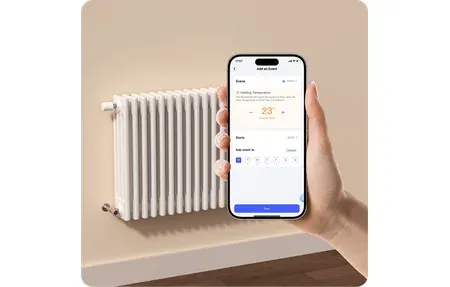
Aqara Radiator Thermostat W600 offers smart scheduling, extended 2-year battery life, and power monitoring, compatible with major valve types.
The Aqara Smart Plug allows you to control appliances remotely, monitor energy usage, and integrate with your smart home system for complete automation.
The Aqara Temperature and Humidity Sensor provides accurate indoor climate readings, with smart alerts via the Aqara app for efficient air monitoring.
Upgrade your home security with the Arlo Pro 3 Floodlight Camera, offering superior outdoor surveillance and smart detection features.
The Blink Mini 2 is a compact, indoor security camera offering 1080p HD video, motion detection alerts, and two-way audio for convenient home monitoring.
Keep your home secure with the Blink Outdoor 4, weatherproof security camera that offers two-way audio, motion detection, and long battery life.
Smart occupancy sensor with infrared detection for dynamic climate control, energy savings, and seamless integration with Ecobee thermostats.
The ecobee3 Lite Smart Thermostat helps you save energy and money with intelligent scheduling and remote control via the app.
Emerson SmartVoice Plugs (dual) with offline voice control and 4-in-1 design. USB-A/C charging, privacy-first smart home automation.
Eufy RoboVac X9 pairs 5,500 Pa suction with smart mopping and AI path-finding to deliver deep, autonomous floor care for modern homes.
The Google Nest Learning Thermostat adapts to your schedule, helping you save energy with smart, automated temperature control.
Protect your home with the Google Nest Secure Alarm System, offering advanced security features and seamless integration with smart devices.
The Google Pixel and Smart Speaker Dock combo is the perfect pairing for those who want powerful smartphone features with hands-free audio.
Enhance your outdoor space with Govee Outdoor Triad Flood Light. Smart control and vibrant colors make it perfect for any occasion.
Discover the smart choice with Govee Outdoor Wall Light and transform your outdoor areas into vibrant, energy-efficient spaces.
The Govee Smart LED Bulb offers vibrant RGB color options and easy voice control through Alexa and Google Assistant, perfect for any smart home setup.
IKEA MYGGSPRAY wireless motion sensor automatically controls lighting indoors and outdoors. Matter-compatible for garages, entrances, and stairs.
Transform your lighting experience with the TP-Link Kasa Smart Dimmer Switch, allowing seamless control and customizable brightness.
Discover the Kasa Smart Wi-Fi Light Bulb with 16 million colors, dimming, energy savings, and voice control. Ideal for a smart, energy-efficient home.
Kasa Smart Light Switch HS200P3 provides a simple solution for controlling your home lighting with Wi-Fi connectivity and no hub required.
Control your appliances from anywhere with Kasa Smart Wi-Fi Plug Mini. The compact, easy-to-use plug is perfect for managing your devices remotely.
LIFX A21 SuperColor delivers 1600 lumens of vibrant, customizable lighting with Matter support and voice control compatibility.
Lifx A21 Smart Bulb offers seamless smart lighting, vibrant colors, and energy efficiency. Control with voice or app for a personalized experience.
The LIFX GU10 Smart Bulb offers 400 lumens of brightness, 16 million colors, all controllable via Wi-Fi without the need for a hub.
LIFX SuperColor Mirror with front and rear LED lighting, Matter compatibility, anti-fog function, and physical buttons for smart bathroom lighting.
Transform your TV viewing experience with the LIFX Z TV Wi-Fi Smart LED Light Strip. Vibrant colors and smart control right from your device.
Modular smart RGB wall panels with 16M colors and music sync. Apple HomeKit, Alexa, and Google Home compatible smart lighting.
16M color GU10 smart bulb with tunable whites, Thread support, and Matter compatibility for seamless smart home integration.
Discover Nanoleaf Essentials Lightstrips with 16M+ colors, WiFi & Thread connectivity, voice control compatibility, and seamless smart home integration.
Nanoleaf Pegboard Desk Dock combines RGB lighting effects, storage, and USB connectivity in one modular smart hub for your desk setup.
The Neato D10 Robot Vacuum offers superior smart home cleaning with advanced filtration, high suction power, and intelligent navigation for large homes.
Discover the Philips Hue Dimmer Switch, offering seamless lighting control and energy-saving features for a smarter home environment.
Illuminate your home with the Philips Hue White A19 LED Smart Bulb using Bluetooth. Experience smart lighting with easy voice control.
Experience seamless smart home security with the Roku Wire-Free Video Doorbell & Chime. Easy setup, long battery life, and crystal-clear video.
Control your home's lighting with the Sonoff SwitchMan Smart Wall Switch-M5, featuring easy installation and seamless integration with smart assistants.
Control the ambiance with Tapo Smart Multicolor Bulb, offering millions of colors to customize and automate your lighting experience easily.
The Tapo Smart Plug P125M offers energy-efficient smart home automation, allowing easy control with Alexa and Google Assistant.
Upgrade your lighting with the Tapo Smart Wi-Fi Dimmer Switch S500D and enjoy intuitive control, energy-smart comfort, and voice integration in minutes.
The Tapo TP-Link Smart Light Bulb offers lighting with app control, voice activation, and scheduling features, enhancing smart home convenience.
Discover the Tapo Smart Wi-Fi Power Strip, designed to enhance energy efficiency and convenience in your smart home setup with ease.
ZigBee smart circuit breaker with DIN rail mounting, energy metering, remote control via Smart Life app, and Alexa/Google voice support.
Experience enhanced home security with Wyze Wireless Video Doorbell Pro. Easy installation, motion detection, and integration with Voice Assistants.
Ecovacs X8 Pro Omni is an advanced robotic vacuum with powerful cleaning, smart navigation, and seamless app integration for smart homes.
LG CLOiD humanoid robot with Physical AI performs cooking, laundry, cleaning tasks using 7-DOF arms and ThinQ integration. CES 2026.
Tapo C545D dual lens camera with 2K 3MP, 165° wide-angle, 360° pan/tilt, IP66 weather resistance, and free AI detection.
Experience seamless streaming with the Amazon Fire TV Stick HD, offering high-definition entertainment and Alexa voice control.
The Aqara LED Strip T1 offers vibrant colors, smart controls, and easy integration with home automation platforms for customizable lighting experiences.
Explore the Aqara U200, a versatile smart home device designed to enhance your home automation experience with advanced features and compatibility.
Multi-room occupancy and temperature sensor for Ecobee thermostats. Dual monitoring enables zone-based climate control with intelligent energy savings.
The ecobee Smart Sensor enhances comfort and energy savings by optimizing room temperature and detecting occupancy for your ecobee thermostat.
Eufy Smart Plug Mini: Compact design for effortless control. Perfect for energy-saving and seamless home automation with voice assistance.
Stay cool effortlessly with the Govee Smart Tower Fan that features app control, voice command compatibility, and customizable airflow settings.
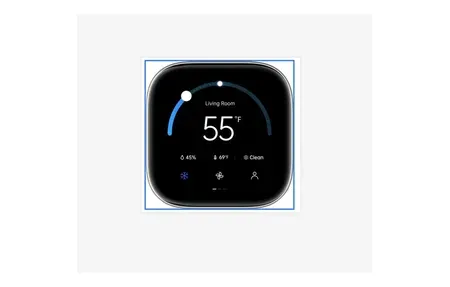
Aqara Thermostat Hub W200 combines climate control, security monitoring, and Matter hub features in a sleek 4-inch touchscreen device for smart homes.
Tapo P306: 9-in-1 outlet extender with 3 smart outlets, 3 USB fast-charging ports, built-in night light. Works with Alexa, Google Home & HomeKit.
Huawei Smart Energy Controller SUN2000-8K-LC0 delivers 8,000 W, 3 MPPTs, IP66 protection, and LUNA2000 battery readiness for single-phase homes.
This energy saving guide reveals how smart home technology, intelligent automation, and connected devices help reduce utility costs while maintaining comfort and convenience. In an era of climbing utility bills and urgent climate action, Energy Saving has moved from a nice‑to‑have to a household priority. Today's smart‑home ecosystem gives owners unprecedented control over how and when they consume electricity, heat, and cooling. By pairing connected sensors, automation rules, and intuitive apps, you can turn your living space into a finely tuned efficiency machine-trimming waste without sacrificing comfort.
Why a Connected Home Accelerates Energy Saving
Traditional homes rely on people to remember to dim lights, adjust thermostats, or shut off idle devices. Smart homes handle those chores automatically. A network of occupancy sensors, weather feeds, and machine‑learning routines continually fine‑tunes settings so you only draw power when it truly matters. Beyond convenience, this feedback loop provides real‑time insight into consumption trends, empowering you to make data‑driven decisions that amplify Energy Saving gains.
Smart Thermostats: Precision Climate Control
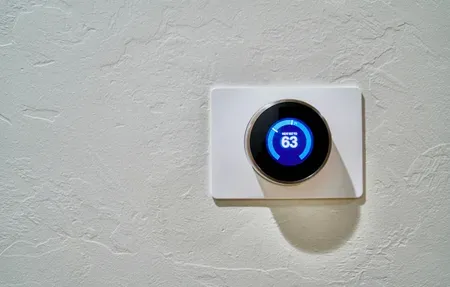
Upgrading to a smart thermostat delivers some of the fastest returns on investment in the efficiency landscape. These intelligent regulators learn your temperature preferences and daily schedule, dialling back heating or cooling the moment the home is vacant. They also harvest local weather data to pre‑warm or pre‑cool rooms at the most economical times of day, shaving up to double‑digit percentages from annual HVAC costs.
Adaptive Scheduling Reduces Waste
Instead of static time blocks, adaptive scheduling uses motion detection to confirm whether rooms are in use. If everyone steps out for the afternoon, the system slips into eco mode automatically. When it senses a return-through geofencing or door sensors-desired comfort levels restore in minutes, ensuring continuous Energy Saving without manual intervention.
Smart Lighting: Brighter Ideas, Lower Bills
Lighting upgrades are another low‑hanging fruit. LED smart bulbs paired with hubs or voice assistants let you dim, color‑tune, and group fixtures while consuming a fraction of the power of legacy incandescent lamps. Integrated daylight sensors dim lights near windows when sunshine is abundant, avoiding redundant illumination.
Automation, Sensors, and Remote Control
Smart lighting scenes switch on gently as you wake, dim for movie time, and fade out after bedtime. Motion detectors eliminate the classic problem of lights left blazing in empty rooms, a small tweak that adds up to noticeable Energy Saving over a year.
Smart Plugs and Real-Time Energy Monitors
Many household gadgets sip electricity even when "off." Smart plugs cut that standby drain by disconnecting appliances completely once a timer or occupancy rule is met. Meanwhile, whole‑home monitors clamp around mains feeds, breaking down consumption by circuit so you can spot inefficient devices and adjust habits instantly.
Shrinking Your Carbon Footprint with Smart Technology
Reducing usage isn't just good for your wallet; it directly lowers greenhouse‑gas emissions. Every kilowatt‑hour you don't consume represents fuel that power plants needn't burn. Pairing smart‑home automation with renewable generation, such as rooftop solar, maximizes local clean energy use and advances personal sustainability goals.
Practical Blueprint for Maximum Energy Saving
Follow these actionable steps to start mastering efficiency and translate theory into measurable results:
- Audit your current consumption with an energy‑monitoring app.
- Prioritize upgrades-tackle HVAC and lighting first for the biggest wins.
- Schedule devices around occupancy and utility‑rate windows.
- Integrate voice assistants for quick status checks and control.
- Analyze usage trends each month and tweak automations to push savings further.
Expanding Smart Energy Routines for Everyday Life
Beyond the core devices already discussed, your smart‑home ecosystem can evolve with small but meaningful automations that add comfort while reinforcing long‑term Energy Saving habits. Consider how seasonal conditions affect your routine. In summer, smart blinds can react to direct sunlight and close during peak heat hours. This reduces cooling demand and prevents unnecessary HVAC strain. In winter, they can open automatically to welcome passive solar warmth that lowers heating needs.
Smart appliances also play a role in broader efficiency planning. Modern dishwashers and washing machines can run cycles during off‑peak utility windows, which some regions label with time‑of‑use pricing. By pairing these appliances with energy‑aware automations, you not only cut costs but also support grid stability. Even small adjustments-like shifting a laundry cycle by an hour-can contribute to measurable savings over a year.
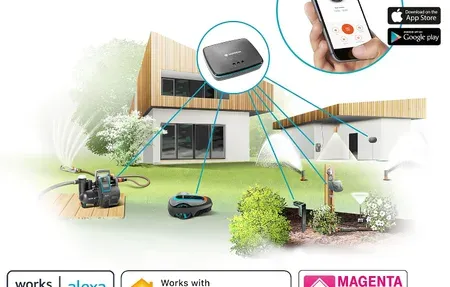
Outdoor areas benefit as well. Garden lights equipped with ambient sensors activate only when needed, preventing dusk‑to‑dawn overuse. Irrigation systems linked to weather forecasts skip unnecessary watering cycles after rainfall. These simple integrations showcase how connected technology helps minimize waste beyond the home's interior.
As your setup expands, reviewing your energy dashboard each month reinforces awareness. Trends often reveal patterns you may overlook, such as high‑consumption days triggered by forgotten devices or extreme weather shifts. With this insight, you can refine routines and experiment with enhancements that push efficiency even further.
As your smart‑home environment continues to mature, you can take Energy Saving even further by exploring advanced optimization strategies that build upon the foundation you have already created. One powerful approach is to connect your ecosystem with dynamic utility‑rate data when available. Some regions offer real‑time pricing programs, allowing your smart devices to automatically shift energy‑heavy tasks-such as heating water, charging batteries, or running dehumidifiers-into low‑cost windows. When paired with intelligent scheduling, this dynamic approach not only reduces monthly bills but also distributes household demand more evenly throughout the day.
Another emerging opportunity lies in leveraging predictive maintenance features built into newer appliances and HVAC systems. By monitoring performance patterns, smart devices can alert you when filters need cleaning, vents are obstructed, or motors begin to lose efficiency. Addressing these issues promptly prevents energy waste and can extend the life span of expensive equipment. Even small improvements, such as keeping airflow unobstructed or ensuring coils stay clean, can result in meaningful reductions in overall consumption.
Homeowners with access to solar panels or battery storage systems can benefit from advanced automation that responds to production levels. For instance, when solar output peaks midday, your automation can temporarily increase tasks like water heating or battery charging to make the most of local renewable energy. This maximizes self‑consumption and reduces reliance on grid power during high‑demand periods. Over time, these incremental optimizations compound, turning your home into a resilient, energy‑aware system that continuously adapts to your lifestyle and the environment.
Integration with Renewable Energy Systems
For homeowners with solar panels or renewable energy sources, smart automation elevates Energy Saving to a new level. Intelligent systems monitor production in real time and automatically direct power to high‑demand tasks when renewable generation peaks. This maximizes self‑consumption of clean energy, reduces reliance on grid electricity during peak‑rate periods, and creates a resilient, sustainable household.
Conclusion: Turning Awareness into Action
Smart‑home technology equips you with the tools needed to master Energy Saving in everyday life. By automating climate control, lighting, and device management, you build an ecosystem that quietly trims waste in the background. The result is a comfortable, future‑proof home that protects both your budget and the planet-proving that the smartest homes are those that use less energy, not more.
As you continue refining your setup and exploring new devices, every incremental improvement compounds into meaningful savings that make your home more efficient and sustainable over time. With consistent effort and thoughtful automation choices, your smart home becomes an increasingly powerful tool for reducing waste and protecting the environment.
The path to energy efficiency is both a personal journey and a collective responsibility. By embracing smart home technology and committing to data-driven energy management, you join millions of homeowners worldwide in reducing carbon emissions and building more sustainable communities. The investment you make in energy-saving devices and automation today pays dividends through lower utility bills, increased home comfort, and the satisfaction of knowing you are contributing to positive environmental change. Whether your primary motivation is financial savings, environmental stewardship, or a combination of both, the tools and strategies outlined in this guide provide a clear roadmap to success. Start with one area of your home, measure your results, and gradually expand your energy-saving efforts as you gain confidence and expertise. Your commitment to efficiency will continue to deliver benefits year after year, making your home not only smarter but also more responsible and sustainable for generations to come.
Begin your energy-saving journey today and take control of your utility bills while supporting a cleaner, more sustainable future through intelligent smart home automation. The most effective strategies combine technology with behavioral awareness-track consumption patterns, celebrate incremental improvements, and adjust automation rules as seasons change. This ongoing refinement transforms energy saving from a one-time project into a sustainable lifestyle.
Your smart home energy journey creates lasting value extending far beyond monthly utility savings. By implementing efficient technologies and responsive automation systems, you contribute to global sustainability efforts while enjoying personal financial benefits. Start by identifying your highest consumption areas, prioritize upgrades with fastest returns, and gradually expand your ecosystem. Small optimizations compound into substantial savings as you develop deeper understanding of your home's energy profile. The convergence of smart home technology, renewable energy adoption, and behavioral awareness represents the future of residential energy management.
Energy management excellence comes from understanding your home's unique characteristics and adjusting systems accordingly. Buildings vary dramatically in age, insulation, climate exposure, and usage patterns, meaning generic recommendations rarely deliver maximum efficiency. Continuous monitoring reveals seasonal variations, identifies equipment degradation, and highlights unexpected consumption spikes that manual oversight would miss. As smart home technology becomes more sophisticated, predictive capabilities emerge that anticipate energy needs before they arise, enabling proactive rather than reactive management. Long-term commitment to energy optimization transforms your home from a static structure into a responsive organism that evolves continuously to match your household's changing needs while maintaining environmental responsibility.
Begin your energy saving today by measuring current consumption, identifying your highest-use areas, and prioritizing upgrades with fastest payback periods. Start with thermostat and lighting upgrades, then expand to plug-level monitoring and appliance management as your system grows. Track actual savings monthly to celebrate progress and identify new optimization opportunities. Your commitment to energy management creates measurable financial returns while supporting global sustainability goals. Embrace smart home automation as your partner in sustainable living, transforming daily routines into opportunities for energy conservation and environmental responsibility.
Energy savings compound over months and years as your smart home system matures and optimizations accumulate. Initial investments in efficient devices pay dividends through reduced utility bills while supporting environmental sustainability. Continuous monitoring reveals seasonal variations and unexpected consumption patterns that inform targeted optimizations. Learning systems improve automatically as they adapt to your household's unique characteristics and preferences. Predictive analytics anticipate energy needs before they arise, enabling proactive optimization rather than reactive adjustments. Your long-term commitment to energy management transforms your home into a lean, efficient system that delivers comfort while minimizing environmental impact. Start your energy saving journey today and experience how smart home technology empowers you to reduce consumption, lower costs, and contribute meaningfully to environmental conservation through thoughtful automation strategies.
Smart homes represent a significant evolution in residential energy management, shifting control from reactive adjustments to proactive, data-informed optimization. The combination of continuous monitoring, automated responses, and machine learning creates systems that improve efficiency without requiring manual intervention. Homeowners gain detailed visibility into consumption patterns, enabling informed decisions about equipment upgrades and behavioral changes.
Water Heating Optimization and Hot Water Conservation
Water heating represents the second-largest energy consumer in most homes after climate control, making optimization particularly valuable. Smart water heaters adjust internal temperatures based on occupancy patterns and anticipated demand, reducing standby losses during periods of low usage. Monitoring systems reveal hot water consumption patterns, highlighting inefficient fixtures or behavioral habits contributing to waste. Combining lower thermostat settings with point-of-use heating for critical fixtures sometimes saves more energy than managing a single central water heater. Insulating hot water pipes reduces heat loss during distribution, complementing smart thermostat optimization with passive efficiency improvements. Smart scheduling ensures water heaters achieve comfortable temperatures during usage periods while allowing setback to minimal levels during extended absences or nighttime hours.
Building automation systems coordinate water heating with other household demands, recognizing that electric vehicle charging, dishwasher operations, and laundry cycles create predictable hot water demand patterns. Pre-heating water anticipating evening showers optimizes efficiency by avoiding simultaneous peak demands on electrical systems. Heat pump water heaters powered by renewable electricity represent increasingly viable alternatives to traditional resistance heating, though initial costs remain higher than conventional systems. Transitioning to these high-efficiency alternatives positions homes to benefit from declining electricity costs as renewable generation expands. Smart integration enables these advanced systems to operate optimally, recognizing opportunities to shift consumption toward times when renewable energy generation peaks or electricity pricing falls below average rates.
Appliance Efficiency and Behavioral Integration
Modern appliances incorporate increasing levels of intelligence, allowing them to communicate with home management systems and optimize operational timing based on grid conditions and occupancy patterns. Smart dishwashers, washing machines, and clothes dryers support delayed start capabilities, enabling scheduling for off-peak electricity hours when rates are lowest. Some utility companies offer time-of-use pricing that rewards shifting flexible consumption away from peak periods, creating financial incentives that complement environmental motivations. Integration between smart appliances and energy management systems enables automatic scheduling without requiring manual intervention for each load. Older appliances lacking smart connectivity can still benefit from smart plugs that cycle power or delay startup to optimize timing for rate-based advantages.
Behavioral energy saving proves equally important as technological solutions, with awareness and intentional habits often delivering results comparable to expensive equipment upgrades. Monitoring real-time energy consumption creates immediate feedback that reinforces conservation habits, similar to how fuel economy displays in vehicles encourage efficient driving. Family discussions about conservation goals and recognition of achievements maintain motivation through the extended timeframe required for system maturation. Teaching children about energy awareness early develops lifelong conservation habits that extend beyond their current household. Multi-generational households benefit from clear communication about thermostat preferences and lighting settings, avoiding conflicts where different family members override efficiency settings for personal comfort preferences.
Seasonal Optimization and Climate Adaptation
Seasonal transitions require adjusting automation strategies to match changing weather patterns and daylight availability. Spring and fall often provide optimal opportunities for demand reduction through expanded use of natural ventilation, windows, and passive cooling or heating. Summer cooling strategies shift from thermostat-centric approaches to include reflective window treatments, strategic shading, and nighttime ventilation of accumulated heat. Winter heating optimization emphasizes passive solar gain during daylight hours while minimizing heat loss through insulation and weather sealing. Understanding your home's unique thermal characteristics through monitoring and observation enables increasingly precise seasonal adjustments that maximize comfort while minimizing energy consumption.
Geographic location significantly influences optimal energy strategies, with deserts, temperate regions, and humid climates requiring entirely different approaches. Desert homes benefit from aggressive nighttime cooling and minimal daytime ventilation, while humid regions require dehumidification and mold prevention strategies alongside general efficiency. Coastal areas experience mild weather that supports extended seasons of natural ventilation, while northern climates demand aggressive heating system optimization during extended cold periods. Moving to new geographic locations requires reassessing automation strategies and equipment selections, as approaches optimized for one climate often prove inefficient in fundamentally different conditions. Communities of smart home users in your region provide invaluable guidance for climate-specific optimization strategies grounded in actual experience rather than generic recommendations.