Understanding Thread Protocol in Smart Home Automation
Thread protocol enables reliable mesh networking for Matter smart home devices with low power consumption and extended range support.
Blog posts
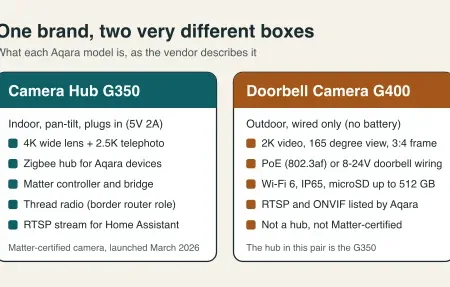
Search for an Aqara G400 hub and you'll land on a doorbell....
IKEA's 2026 smart home push is built on Matter over Thread. This...
Silicon Labs makes the radio inside many Zigbee and Thread sticks, and...
Home Assistant 2026.9 finally draws a map of your Matter network inside...
Matter isn't a rival to Zigbee or Thread. It sits on top...

Aliro is the Connectivity Standards Alliance's attempt to put your door key...
The Connectivity Standards Alliance published a member video in late August titled...
Products

Echo Dot Max combines rich sound, built-in smart hub, and Alexa+ AI...
Aqara Touchscreen Switch S100 US - 2-channel smart wall switch with 1.3-inch...

Aqara U200 is a retrofit smart lock with a separate keypad, Matter...

Bosch Motion Detector II [+M] is a 13 m PIR sensor with...

Apple HomePod (2nd Generation) is a high-fidelity smart speaker with Siri voice...

mmWave radar sensor for multi-person tracking, posture detection and zone mapping over...

5-in-1 battery-powered sensor with dual PIR and mmWave detection. Includes temperature, humidity,...
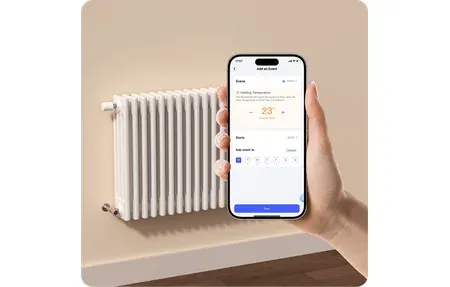
Aqara Radiator Thermostat W600 offers smart scheduling, extended 2-year battery life, and...
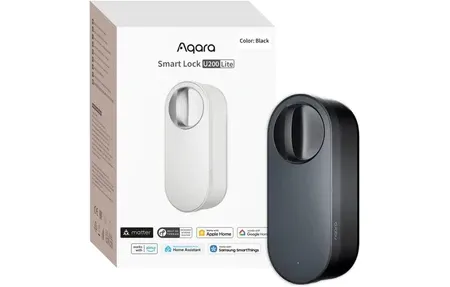
Matter over Thread smart lock with Bluetooth, NFC, voice control. 6-month battery,...
Understanding Thread starts with a simple fact: it is a wireless mesh network built for smart home use. It forms the base layer for Matter device links. This IPv6 protocol uses low power, builds self-healing mesh networks, and keeps data safe. It does not need Wi-Fi or special hubs. Each Thread device that can route signals extends range and makes the network more stable across your home.
Thread's Role in Matter Ecosystems
Thread carries data for Matter devices across Apple HomeKit, Amazon Alexa, Google Home, and Home Assistant at the same time. Unlike ZigBee or Bluetooth, Thread does not need brand-specific hubs. Instead, Thread Border Routers built into smart speakers, displays, and hubs do the job. This removes single points of failure. Local control still works when your internet goes down.
Key advantages include:
Key Points
- Self-healing mesh - automatic rerouting when devices go offline
- IPv6 native - direct internet connectivity and routing
- Bank-level encryption - AES-128 security for all communications
- Low latency - sub-second response times for automation
- Energy efficiency - battery-powered sensors lasting years
- Scalability - supports hundreds of devices per network
Popular Thread-Enabled Devices
More brands now use Thread for their newest products. Smart lighting like Philips Hue Gen 2 bulbs and Nanoleaf panels use Thread mesh for instant response. This avoids Wi-Fi traffic jams. Security devices like video doorbells, smart locks, and motion sensors gain steady, always-on links that matter for safety.
Sensors are a perfect fit for Thread. Temperature sensors, humidity monitors, presence detectors, and contact switches run for years on coin cell batteries. They still respond in an instant through the mesh. Thread wakes devices in just a few milliseconds. This means climate control systems react right away to air changes, without the lag of older wireless methods.
Thread-based switches and outlets fix timing issues from past wireless switches. Button presses get instant results. They also support complex routines through Matter controllers. Low delay is key for lighting where people expect fast feedback from wall switches.
Thread vs Traditional Protocols
Thread offers native IPv6 routing for direct internet links without extra layers. This makes the network simpler and more stable than ZigBee. ZigBee needs special hubs and brand-specific setups. Thread uses standard border routers from any maker. Swapping devices is easy too. A Thread sensor from one brand works with sensors from another, no setup needed.
Thread's mesh architecture beats Bluetooth's star layout. Devices talk through many hops, which extends range across floors and outdoor areas. Each powered Thread device makes the mesh stronger. Bluetooth needs direct links to a central hub. Thread also beats Wi-Fi for power use. Thread devices use 10-100x less energy and avoid crowded 2.4GHz Wi-Fi channels filled with streaming and gaming traffic.
Thread's security model uses certificate-based pairing and encrypted mesh by default. This fixes the weak spots in older smart home devices that used simple pairing codes. Thread splits security zones so a hacked device cannot reach the rest of the network. Earlier protocols lacked this key safety feature.
Building Thread Networks
Start by setting up a Thread Border Router. You can find one in the Apple HomePod mini, Google Nest Hub devices, Amazon Echo (4th gen+), or hubs from Aqara, Samsung SmartThings, and others. Border routers link the Thread mesh to your home network for remote access and cross-platform control.
Network expansion happens on its own as you add devices. Each powered device like a switch, outlet, or bulb acts as a router that extends mesh range. Battery sensors act as end devices. They talk through nearby routers but do not expand the mesh. This two-tier design saves power while keeping links strong through backup paths.
Commissioning uses standard QR codes or NFC tags. No brand-specific apps needed for basic use. Scan the code with your Apple Home, Google Home, or Alexa app. The device joins your Thread network on its own. Some extra features may need the maker's app, but core functions work the same on all platforms.
Thread's Future in Smart Homes
More big brands now move their products from ZigBee and closed systems to Matter-over-Thread. This shift brings universal compatibility that was not possible before. You can now mix brands freely without worrying if they work together. The open spec and industry group behind Thread ensure it keeps growing with new smart home needs.
Energy tracking, predictive automation, and AI-powered scenes all gain from Thread's fast, steady mesh. Smart home systems now run complex routines that need instant device response and live sensor data. Thread handles this well. It scales from basic lights and climate to full setups covering security, media, appliances, and energy efficiency.
Thread is both the present and future of smart home networking. It blends mesh range with IP-based links while keeping power use low for battery sensors. As Matter grows across device types, Thread cements its role as the go-to wireless layer for next-gen home automation.
Thread operates on the 2.4 GHz band using the IEEE 802.15.4 radio standard. This keeps power draw far below what WiFi radios need for the same task. A single coin cell battery can power a Thread sensor for three to five years of constant use. The mesh network assigns router and endpoint roles to devices on its own. Adding a new device to the network takes under a minute with a QR code scan. Thread networks support up to 250 devices before needing a second partition. Signal range reaches about thirty meters indoors through standard walls and floors. Firmware updates for Thread devices arrive over the air without restarting your whole network. Thread networks recover from device failures on their own within seconds. Routing tables update when a node drops off the mesh. This keeps automations running even during hardware swaps or brief power outages. The protocol handles congestion by spreading traffic across multiple paths at once.