Z-Wave Protocol for Smart Home Device Integration
Z-Wave is a wireless smart home protocol delivering reliable mesh networking for locks, sensors, and hubs with long range and low interference.
Blog posts
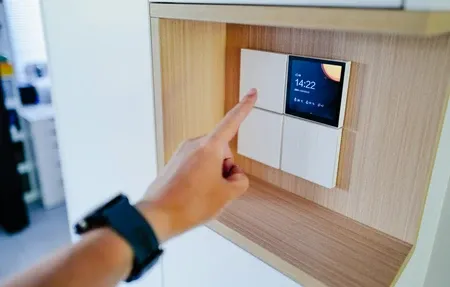
Discover how smart switches can transform your home lighting experience, making it...
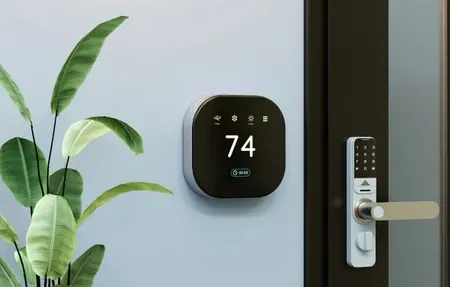
Explore the leading smart home systems like Google, Alexa, and HomeKit. Understand...

Unlock the full potential of your Raspberry Pi by turning it into...

Samsung SmartThings works with 390+ brands and supports Zigbee, Z-Wave, Wi-Fi, and...

Learn how Home Assistant integrates with SmartThings. Explore features, benefits, and how...
Z-Wave is a wireless communication protocol designed specifically for smart home automation, operating on the 908.42 MHz frequency in North America. Unlike Wi-Fi or Bluetooth, Z-Wave was built from the ground up for home automation use cases, prioritizing reliable mesh networking, low power consumption, and interoperability between devices from different manufacturers.
How Z-Wave Works
Overview
Z-Wave creates a mesh network where each mains-powered device acts as a repeater, extending the network range throughout the home. When a command travels from a hub to a distant device, it routes through intermediate nodes to reach its destination reliably. This self-healing mesh topology means the network adapts automatically when devices are added, removed, or moved, rerouting signals as needed without manual reconfiguration.
The operating frequency below 1 GHz allows Z-Wave signals to penetrate walls and floors more effectively than 2.4 GHz protocols like ZigBee or Wi-Fi, which is particularly beneficial in older homes with thick masonry construction. In typical residential use, Z-Wave devices maintain reliable connectivity through multiple walls and across floors with fewer signal reliability issues than higher-frequency alternatives.
Z-Wave Device Categories
Z-Wave protocol supports a wide range of smart home device categories. Smart locks from manufacturers like Schlage and Yale use Z-Wave for reliable access control and status reporting. Door and window sensors, motion detectors, and contact sensors provide home security monitoring with battery life measured in years rather than weeks. Smart thermostats use Z-Wave to report temperature data and receive setpoint commands from central hubs.
Scheduling and automation for Z-Wave devices runs through compatible smart home hubs including SmartThings, Home Assistant, Hubitat, and others. These hubs act as the Z-Wave controller, managing the network and translating between Z-Wave and cloud-based automation platforms. Local processing means Z-Wave automations continue working during internet outages, which is critical for security and access control use cases.
Z-Wave Security Standards
Z-Wave S2 security framework provides AES-128 encryption for all device communications, protecting against eavesdropping and replay attacks. The S2 pairing process uses device-specific DSK codes to verify authenticity during inclusion, preventing unauthorized device additions to the network. For smart locks and security sensors where unauthorized access would be a serious safety concern, Z-Wave S2 provides a documented and certified security layer.
Z-Wave Long Range (Z-Wave LR) extends the protocol's capabilities with point-to-point range up to a mile in open environments, enabling coverage of detached garages, outbuildings, and large property areas that mesh networking cannot reach cost-effectively. LR devices maintain the same security framework as standard Z-Wave while eliminating intermediate repeater requirements for long-distance nodes.
Comparing Z-Wave to Other Protocols
Z-Wave operates on a licensed frequency band, which means it does not compete for spectrum with Wi-Fi, Bluetooth, or ZigBee devices. This dedicated frequency allocation reduces interference in homes with many wireless devices, contributing to more consistent reliability in complex smart home environments.
The Z-Wave Alliance certifies all Z-Wave products for interoperability, ensuring that devices from different manufacturers work together correctly. Unlike proprietary wireless systems that lock users into a single brand ecosystem, Z-Wave's open certification program allows building a smart home from the best devices across multiple brands without worrying about compatibility.
For homeowners building a comprehensive smart home with an emphasis on reliability, long battery life in sensors, and physical security for locks and access control, Z-Wave provides a proven wireless foundation that has served the home automation market for over two decades. Integration with platforms like Home Assistant enables sophisticated automation while maintaining the local-first control that security-conscious homeowners prefer.
Choosing Z-Wave for your smart home foundation requires selecting a compatible hub as the starting point. Popular options include SmartThings, Hubitat Elevation, Home Assistant running on a Raspberry Pi 4, and the Aeotec Smart Home Hub. Each hub handles Z-Wave device inclusion, exclusion, and automation differently, so evaluating your preferred automation platform before purchasing devices ensures compatibility from the start.
Including Z-Wave devices in a hub involves a pairing process that requires the hub and device to be in close proximity during the initial handshake. After inclusion, devices can be placed anywhere within the mesh network's range. Exclusion is equally important when removing devices or troubleshooting, as a device in an unknown state can prevent correct re-inclusion. Following manufacturer documentation for the specific inclusion method reduces setup friction.
Mixing Z-Wave generations (Z-Wave, Z-Wave Plus, Z-Wave 700, Z-Wave 800) in the same network works because all generations maintain backward compatibility. Newer devices in a mixed network operate at their highest capability while older devices continue functioning normally. This backward compatibility protects existing investments when upgrading hub hardware or adding newer devices that use later Z-Wave chip generations.
Battery replacement schedules for Z-Wave sensors depend heavily on device type and usage patterns. Door sensors that report state changes constantly may drain batteries faster than temperature sensors that report every 30 minutes. Setting a simple annual battery replacement schedule for all battery-powered sensors, regardless of charge level, prevents unexpected failures. Keeping a supply of common battery sizes on hand makes scheduled replacements convenient. Many Z-Wave hubs track battery status and provide alerts when levels drop below 20 percent, giving advance notice before complete discharge.