Device Compatibility & Cross-Platform Support
Device compatibility across protocols, platforms, and brands enables smooth multi-brand smart home integration. Find compatible devices.
Blog posts

A wired pushbutton in the garage now runs a TaHoma scene instead...
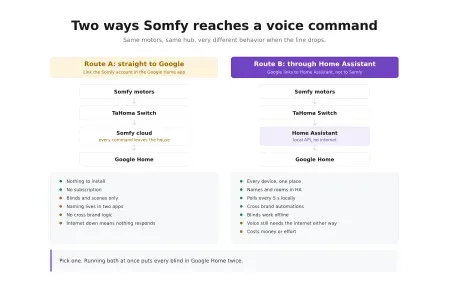
Two links, one decision. You can hand Somfy straight to Google Home,...
I buy the category leader in every room: iRobot, Somfy, Gardena, Fujitsu,...
Products
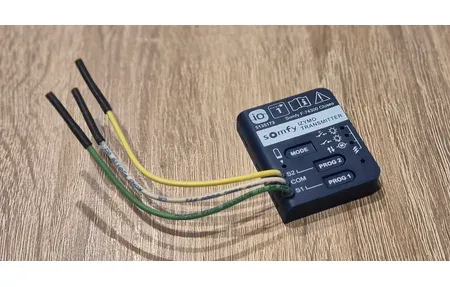
The Somfy Izymo Transmitter io turns a wired wall switch into an...

Huawei EMMA-A02 is an advanced energy management assistance system for smart scheduling...

IKEA NATTBAD is a retro-style Bluetooth speaker with Spotify Tap and multi-speaker...

Experience immersive lighting with the Philips Hue Play Wall Washer-bright, colorful smart...
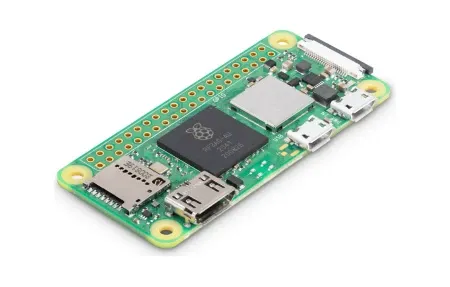
The capabilities of the Raspberry Pi Zero 2 W, a compact and...

TP-Link AC1200 WiFi Extender RE315 provides 1.2Gbps dual-band signal boost covering up...

Discover Aqara Hub M200, a versatile smart home control hub with Zigbee,...
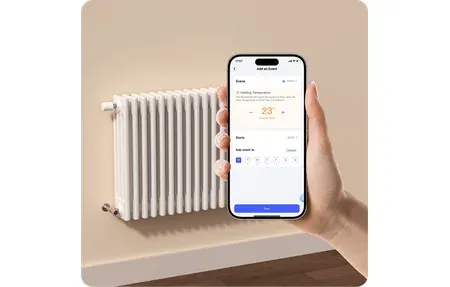
Aqara Radiator Thermostat W600 offers smart scheduling, extended 2-year battery life, and...

The Philips Hue Dimmer Switch, offering smooth lighting control and energy-saving features...
Smart Home Device Compatibility
This guide covers smart home device support and how it helps your setup work better.
Matching devices matters when building a solid smart home. Knowing which devices work together, what protocols they use, and how they link to platforms shapes how well your system runs.
Protocol Compatibility
Smart devices use wireless protocols like WiFi, Bluetooth, Zigbee, Z-Wave, and Thread. Whether devices work together depends on shared protocol support. Matter brings wide support across many brands and platforms.
Platform Integration
Platforms like Amazon Alexa, Google Home, Apple HomeKit, and Samsung SmartThings each support different devices. Check platform support before buying. This ensures devices work with your chosen voice assistant and control system.
Cross-Ecosystem Functionality
Modern smart homes often mix devices from many brands. Matter protocol and shared standards let devices from different makers talk to each other and work well together. Cross-platform support keeps your smart home useful as tech evolves. Using many protocols and platforms avoids vendor lock-in. It also gives you more freedom and device choices. Checking what works together before buying prevents costly errors and system rework.
Research device specs for protocol and platform support before you buy. Check forums for real-world pairing stories. They help you spot issues early. Use online tools and databases to verify device combos instead of guessing. Pick systems that support new standards to protect your purchase as tech moves forward.
Strategic Compatibility Planning
Bridge devices translate between protocols. They let systems that do not natively match still talk to each other. Software tools offer flexible linking without extra hardware. Multi-hub setups cover more protocols and add backup paths. Standards like Matter improve support across brands, moving toward a more unified smart home. Cloud services make cross-brand control simpler while keeping local options open. Test pairings fully before you roll out to avoid failures from the start.
Smart home support keeps shifting as tech grows and standards merge. Devices bought years ago may still use protocols that work today. Newer devices adopt fresh standards that help future-proof your setup. Knowing protocol strengths guides better purchases. It helps you keep what you have while getting ready for what comes next. Open-source projects and brand partnerships focus more on working together. This makes truly open smart homes more real than ever. The strongest setups combine smart planning with gradual system growth.
Before buying any new device, check that it fits your current setup. Read maker specs and user reviews. Research protocol support, platform links, and future-proof traits to make wise choices. Plan for steady growth, not full rebuilds. Pick devices that expand what you can do while still working with what you own. Join forums to learn from real pairing stories and find fixes for tricky combos. Careful planning today builds a strong base for years of smart home growth.
Planning for device support guards against older tech and vendor shifts. Choosing devices that support new standards like Matter protects your purchase as systems merge. Avoiding locked-in solutions lets you switch platforms if a provider changes prices or features. Test device combos before full rollout to prevent costly swaps. Keep notes on your device specs. They help with fixes and planning for new gear. User forums reveal real-world pairing issues that official specs often skip. Smart planning builds a home that adapts well to tech changes over many years. Backing open standards keeps your home automation useful no matter how markets shift. The best setups balance current function with long-term growth. They pick devices and platforms that scale well with new advances.
User feedback often praises ease of use and steady daily performance. The modular design allows future growth as your smart home needs change. Energy tools help tune usage and cut utility costs. Tech support resources help with troubleshooting and setup issues.
Buying smart home gear without checking support first leads to wasted money and frustration. A thermostat that only works with one app cannot join your existing setup. A light bulb that needs its own hub adds clutter and cost. The best approach is to pick one or two main platforms and build around them. Check each new device against your chosen platform before you buy. Read user reviews that mention pairing issues, since lab tests often skip real-world problems. Keep a list of your devices and their protocols. This helps when you add new gear or switch platforms down the road. A little planning goes a long way toward a smooth, reliable smart home.
The Matter protocol, ratified by the Connectivity Standards Alliance in late 2022, represents the largest cross-industry effort to solve smart home device support issues. Over 300 companies back the standard, including Apple, Google, Amazon, and Samsung. Matter runs over Thread and WiFi at the network layer and uses IPv6 addressing for direct device-to-device communication. Thread border routers bridge mesh networks to your home IP network, allowing control from any room without range limits. Zigbee devices already deployed in millions of homes can receive Matter support through hub firmware updates from brands like Aqara and Philips Hue. Z-Wave Long Range extends reach to over 400 meters outdoors while maintaining backward support with older Z-Wave devices through gateway translation.
Compatibility is where most smart home plans quietly fall apart. A device can be brilliant and still refuse to talk to your hub because of a protocol mismatch or stale firmware. I check three things before buying: the supported ecosystems, the Matter or Thread version, and whether local control works without the cloud. Get those right and integration stops being a weekend-long fight.