AI Detection in Smart Home Technology
Explore smart home devices with AI detection capabilities for motion, person recognition, and intelligent automation. Find top-rated devices.
Blog posts

Compare Arlo and Ring home security systems. Find out which is better...

Learn why Arlo is a top choice for your home security system....
Products
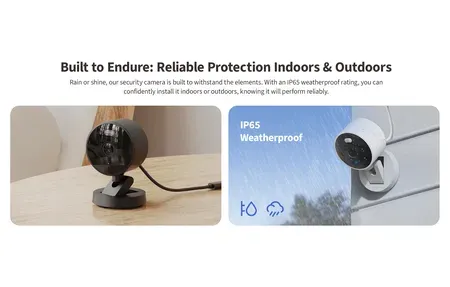
Aqara Camera G100 offers 2K resolution, AI person detection, 140-degree view, IP65...
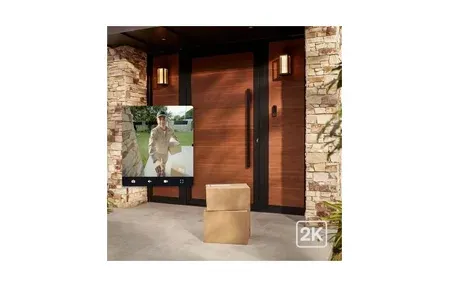
Philips Hue Secure Wired Video Doorbell with Smart Chime: 2K camera, color...
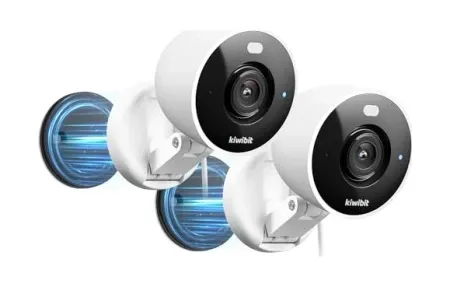
Kasa KC410S delivers 2K+ resolution, 360° pan and tilt coverage, AI person...
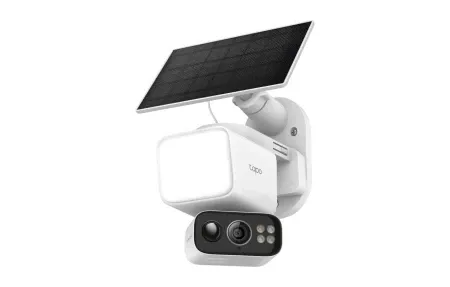
Solar-powered, wire-free 2K floodlight camera with 360° pan/tilt, color night vision, and...

Matter-certified camera with dual-lens 4K/2.5K system, 9x zoom, local AI detection, pan-tilt...
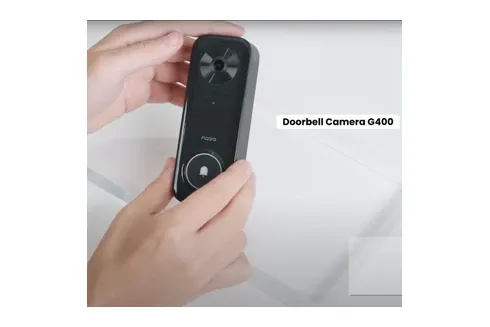
Aqara G400 wired doorbell with 2K video, 165-degree head-to-toe view, PoE or...

eufy C120 delivers 2K video with AI motion detection, two-way audio, and...

The Eufy Security Video Doorbell E340 delivers dual-camera 2K surveillance and AI...

TP-Link Tapo C210 delivers 2K resolution, 360-degree pan and 114-degree tilt coverage,...
AI-Powered Detection in Smart Homes
This guide covers AI detection technology and how it enhances your smart home setup.
AI detection changes how smart home security and automation work. It helps devices tell apart different types of movement. Instead of alerting on every motion, AI-powered sensors spot human presence and sort out what is happening. This cuts false alarms from pets, wind, or lighting shifts.
Benefits of AI Detection
AI detection provides smart homeowners with:
- Reduced false alerts from pets, vehicles, and environmental changes
- Person recognition distinguishing humans from other motion sources
- Intelligent automation responding appropriately to actual occupancy
- Enhanced security with more accurate threat detection
- Energy savings through context-aware device activation
AI detection capabilities are now standard in premium smart cameras, video doorbells, and motion sensors from leading manufacturers.
How AI Detection Works
Modern AI detection uses machine learning trained on thousands of hours of video. It learns to spot human shapes, body poses, and behavior patterns. The tech tells humans apart from animals, cars, and still objects with high accuracy. It also checks movement speed, direction, and length to decide if motion is a threat or just normal activity.
These systems keep getting better through feedback and firmware updates. Early AI detection had more false alarms. But recent versions reach over 95% accuracy in real-world tests. The tech works in both cloud and local modes. Users who want more privacy can process video right on the device. This avoids sending footage to remote servers.
Implementation Across Device Categories
AI detection works differently across device types and brands. Smart cameras often let you set zones. You can use high sensitivity at entry points and lower levels in areas with pets or curtains. Video doorbells focus person detection on humans near the door. They ignore passing cars or animals. Motion sensors now combine radar with infrared sensing. This allows them to tell if a room is in use or empty.
Practical Security Applications
AI detection enables security actions that old motion sensors could not handle. Home systems can tell residents apart from intruders and respond in different ways. Package delivery alerts fire only when someone walks up to the front door. This cuts false alerts from passing walkers or cars. Perimeter systems spot humans trying to cross property lines. They ignore animals and cars that would trigger too many false alarms with standard motion detection.
Integration with smart lighting creates smart security responses. At night, if AI spots an unknown person near your home, lights can turn on. The system records sharper video and sends urgent alerts. During the day, the same detection may just send a quiet notice. It skips auto-lighting and respects normal visitor patterns while staying alert.
Privacy and Local Processing Considerations
A key benefit of modern AI detection is local processing on the device itself. Video does not need to go to cloud servers for review. This keeps your home footage on your own network. It removes worries about video stored on outside servers. You can use AI features without giving up the privacy you expect.
Brands handle local vs. cloud processing in different ways. Some devices detect motion locally and only send alerts and small images to the cloud. Others process all video on the device. They use the cloud just for alerts and remote viewing. Knowing how your system handles data helps you make smart choices about privacy.
Automation Possibilities with AI Detection
AI detection data works well with home automation systems. Smart cameras can trigger lights as you walk up to your home. Video doorbells can unlock doors for family members. Unknown visitors still need manual checks. Combined with person detection, climate control gets smarter. AC runs only in rooms where people are present. Empty rooms stay off.
Advanced setups combine several AI detection sources. A full security system might link front door camera data with hallway motion sensors. This helps it tell residents from intruders. When one sensor flags something odd, the system sends a mild alert. When multiple sensors agree, it sends urgent notices and starts recording.
When shopping for AI detection devices, look at the type of processor inside. Devices with dedicated AI chips handle detection faster and more accurately than those relying on general processors. Check if the device supports firmware updates, as detection models improve over time. Read user reviews to learn how well the device handles your specific setting, such as a busy street or a yard with pets. Many brands offer trial periods so you can test detection accuracy before committing. Battery life matters for wireless devices since AI processing uses more power than basic motion sensing. Consider how many detection zones you need and whether the device lets you customize each one. Some devices show detection history in a timeline view, which helps you spot patterns and fine-tune settings over the first few weeks. Price ranges vary widely, so set a budget and focus on the features that matter most for your home layout and security goals.
AI detection also helps in daily comfort tasks beyond security. Smart speakers can pause music when they detect you have left the room. Lights can dim or turn off based on whether the space is in use. Heating and cooling can shift based on how many people are home. These features save energy without any manual input from you. Over time, the system learns your habits and adjusts on its own. Morning routines run when it senses you are awake. Night modes start when movement stops in the main rooms. The result is a home that reacts to your life without you needing to press buttons or open apps. As AI chips get faster and cheaper, even budget devices now include basic detection features that used to require high-end hardware.