What the Shelly Flood S Gen4 Gets Right for Leak Detection
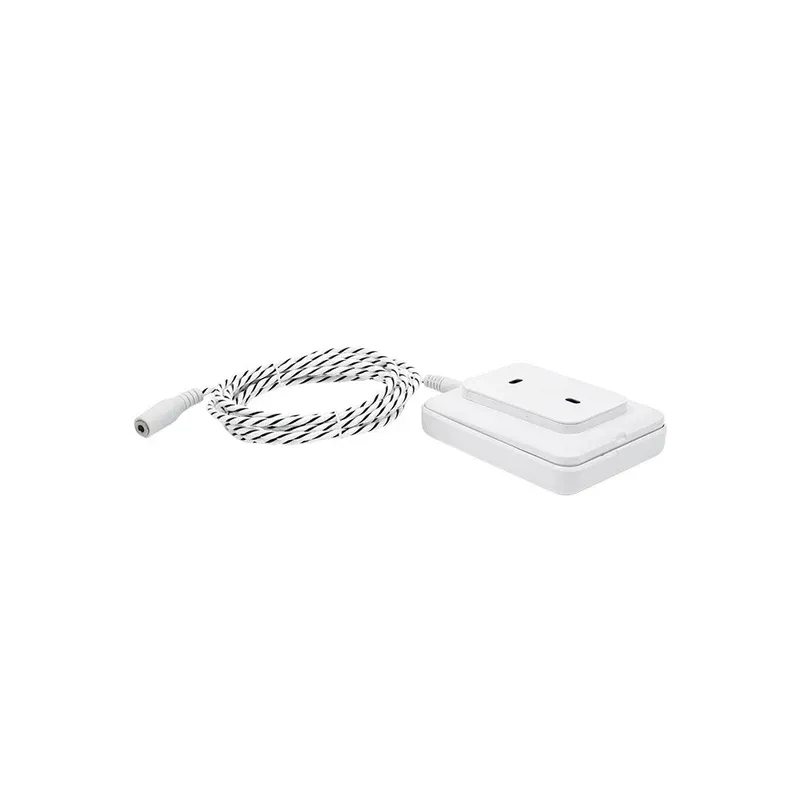
Product Details
🏭 Manufacturer: Shelly
🆔 Model Number: Flood S Gen4
🎨 Style: Puck with cable probe
🧲 Mounting Type: Free-standing
🔧 Usage: Indoor
Water damage is boring right up until it isn't, and a 33 dollar sensor is a lot cheaper than a ruined subfloor. The Shelly Flood S Gen4 is Shelly's latest take on the small leak puck, and it leans on one feature that older leak sensors usually skip: Matter, alongside Wi-Fi, Zigbee, and Bluetooth in a single unit. That flexibility is the reason it's worth a look even if you already own a drawer full of leak alarms.
What the Shelly Flood S Gen4 actually is
It's a battery-powered water leak sensor with a stainless steel triple-pad probe on a cable, so the electronics can sit somewhere dry while the probe reaches into the tight gap where a leak actually starts. Think under a dishwasher, behind a toilet, or in the drip tray beneath a water heater. The probe is the part that touches water, and its larger surface area is meant to catch a thin film rather than waiting for a full puddle.
Shelly rates it for indoor use and ships it with two behaviors. Flood mode is the normal indoor leak watch. Rain mode retunes the same probe to flag outdoor moisture, which is a nice touch if you want one sensor design covering a balcony drain or a basement window well. You pick the mode in the app based on placement.
The specs that matter
Here's what stands out once you get past the marketing:
- Matter plus three radios. Wi-Fi, Zigbee, and Bluetooth are all on board, so the sensor slots into a Matter fabric or a plain Shelly setup without a bridge.
- 5-second flood checks. The sensor samples its status every 5 seconds. That's frequent enough for a real alert while keeping the battery alive for the long haul.
- Adjustable state hold, 0 to 60 seconds. Set it to zero for instant alarms, or raise it so a brief splash in a humid bathroom doesn't wake your phone at 2 a.m.
- Three alarm profiles. Intense, Normal, and Economic let you dial how hard the sensor reports, which directly changes how long the battery lasts.
- Stainless triple-pad probe. Corrosion-resistant and built for repeated wet-dry cycles, unlike bare contacts that oxidize.
None of these are exotic on their own. Bundling Matter, three radios, and a tunable hold time at this price is what makes the combination unusual.
Where it fits in a real smart home
I've set up enough leak sensors to have an opinion here, and mine is simple: the protocol flexibility is the whole pitch. A Wi-Fi-only leak sensor is fine until your router hiccups or the battery drains twice as fast as promised. Because the Flood S Gen4 can run over Zigbee or join through Matter, you can keep it off Wi-Fi entirely and route alerts through a hub that's already rock solid. If you run Home Assistant, that local path also means the alarm doesn't depend on Shelly's cloud staying online.
Does everyone need Matter on a leak sensor? Honestly, no. If you already own a Zigbee mesh, the Zigbee radio alone justifies the buy. Matter mostly future-proofs you for the day you switch ecosystems, and that's a real benefit for a device you'll leave in place for years.
The adjustable hold time is the feature I'd actually use first. False alarms are how leak sensors end up unplugged and useless, so being able to tell the unit "only alarm if water sits here for ten seconds" is more practical than another notification setting.
Placement is where most people get leak detection wrong, and this design helps. Because the electronics sit in the dry puck while the probe reaches into the wet gap, you can tuck the sensitive part exactly where a slow drip pools first without risking the radio or the battery. That separation is a small thing on paper, yet it decides whether you get an alert on the first teaspoon of water or ten minutes later once the cabinet floor is already soaked. Run the cable behind the appliance, rest the pads at the lowest point, and keep the puck somewhere you can still reach the battery.
Setup follows the usual Shelly pattern. You add the device in the app, choose Flood or Rain mode, set the hold time, and pick an alarm profile before you ever tuck it under a sink. None of that is hard, but it gets fiddlier than a tap-and-go consumer sensor, and that's the honest trade for the extra control. Once it's placed, it mostly disappears until the day it earns its keep, which is exactly what you want from a sensor whose whole job is to sit quietly and then shout at the right moment.
Is it worth buying?
For around 33 dollars, the Shelly Flood S Gen4 is an easy recommendation if you value local control and protocol choice over brand-name polish. You're getting Matter, Zigbee, and a serviceable probe design in one puck, which is more than most single-protocol competitors offer at the same price. The catch is that it's still a Shelly, so the app and setup lean toward tinkerers rather than people who want a two-tap onboarding.
Buy it if you run Home Assistant or a Zigbee hub and want a leak sensor that answers to your system, not the other way around. Skip it only if you're fully committed to a closed ecosystem with its own first-party sensor that you already trust. For everyone in between, this is one of the more sensible leak sensors you can stick under a sink this year.
Frequently Asked Questions
Does the Shelly Flood S Gen4 work with Matter?
Yes. Shelly lists the Flood S Gen4 as a Matter device, and it also speaks Wi-Fi, Zigbee, and Bluetooth. That means it can join a Matter setup over Apple Home, Alexa, or Google Home, or run through the Shelly app and Home Assistant directly. Pick the radio that fits your existing hub rather than forcing everything onto Wi-Fi.
How fast does the Shelly Flood S Gen4 detect water?
Shelly says the sensor checks its flood status every 5 seconds, which is a deliberate trade between quick alerts and battery life. There's also a state hold time you can set from 0 up to 60 seconds, so the alarm only fires if water stays present for the full window. That option exists to cut false alarms in damp spots like a bathroom floor.
What is the difference between Flood mode and Rain mode?
Flood mode is the standard leak-detection behavior for indoor spots under a sink or behind a washing machine. Rain mode changes how the sensor reacts so it can flag outdoor moisture instead, using the same triple-pad probe. You switch modes in the app depending on where you place the unit.
Is the Shelly Flood S Gen4 battery powered?
Yes, it runs on a battery, which is why the 5-second polling interval and the selectable alarm profiles matter. The Intense, Normal, and Economic profiles let you decide how aggressively it reports, trading responsiveness for months of extra runtime depending on how critical the location is.