Embracing Green Living with Smart Home Technology
Sustainable smart home technology is transforming green living. Learn about the benefits of smart homes for the environment.
Blog posts

Commercial smart sprinkler controllers want a subscription and a cloud account to...
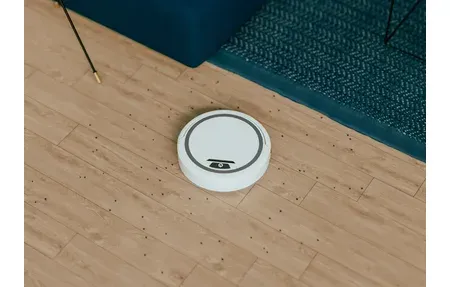
Mammotion's Luba 3 AWD promises to end the perimeter-wire era with RTK...
Products
Aqara Motion Sensor P1 review: Zigbee 3.0, 170-degree detection, adjustable sensitivity, works...

GEMNS WePower kinetic switches cut waste and add flexible control for lights,...

Enhance your smart home with the Aqara Motion and Light Sensor P2,...

The Aqara Smart Plug allows you to control appliances remotely, monitor energy...
Aqara Touchscreen Switch S100 US - 2-channel smart wall switch with 1.3-inch...

Precise motion detection up to 13m with Matter, Thread, Bluetooth. IP55 weatherproof...
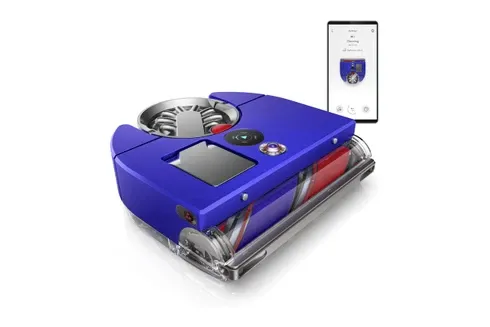
Dyson 360 Vis Nav robot vacuum uses 360° vision, Hyperdymium motor suction,...

Huawei Smart Energy Controller SUN2000-8K-LC0 delivers 8,000 W, 3 MPPTs, IP66 protection,...
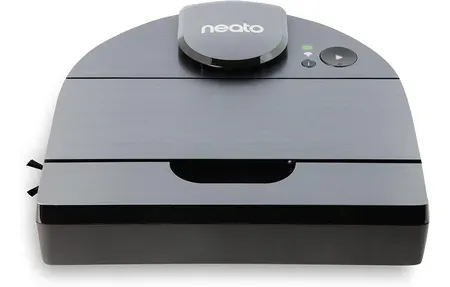
The Neato D10 Robot Vacuum offers superior smart home cleaning with advanced...

Philips Hue Lightstrip Plus offers flexible smart lighting for your home with...

The Philips Hue Smart Plug enables easy control of non-smart devices, letting...
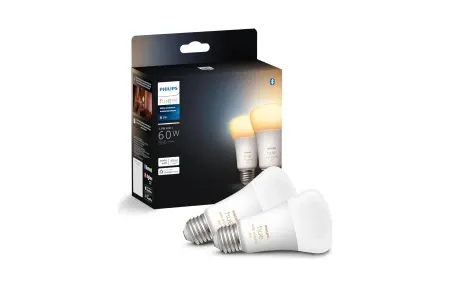
Illuminate your home with the Philips Hue White A19 LED Smart Bulb...
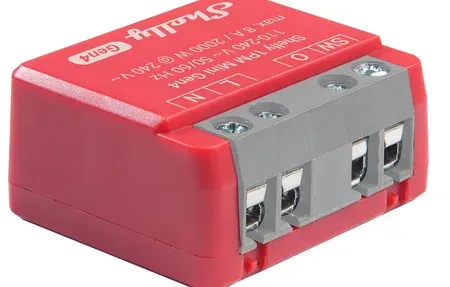
Shelly 1PM Mini Gen4 compact relay, 8A, power metering, Wi-Fi, Zigbee, Bluetooth,...

Shelly Dimmer Gen4 multi-protocol smart dimmer with Matter certification, Wi-Fi, Bluetooth, and...

Transform your home with the Sonoff Smart Plug-in Unit. This device offers...

Control any light with schedules, voice, or remote app access using the...

The Philips Hue Bridge is the central hub for controlling your Philips...
This guide covers : the future of green living and how they enhance your smart home setup. The rise of smart home technology is transforming modern living, offering more than just convenience-it's paving the way for a more sustainable future. As we face the global challenge of climate change, green living is no longer optional but a necessity. Fortunately, with the integration of smart devices, reducing energy consumption, improving sustainability, and minimizing waste has become easier than ever.
Smart home technology is more than just a trend; it's an opportunity to reshape how we live in ways that directly benefit the planet. Whether it's automating energy usage, reducing waste, or creating a more comfortable and efficient living space, the possibilities are endless.
The Impact of Smart Homes on Sustainability
Smart homes go beyond gadgets and luxury-they are designed to optimize the way we use energy and resources, making eco-friendly living accessible to all. These homes utilize automation technology, enabling residents to control appliances, lighting, heating, and even water use remotely, helping to save both energy and money.
By embracing smart technology, homeowners are not only enhancing their comfort but are also making significant strides toward sustainable living. The shift toward embracing energy-efficient devices and systems is essential in reducing the global environmental impact and promoting a greener future.
Smart home devices allow homeowners to control energy usage with precision. Whether you're monitoring heating, lighting, or even water consumption, every small change contributes to a larger effort toward reducing our environmental footprint.
Here's how smart home technology contributes to a more sustainable, green lifestyle:
1. Smart Thermostats
One of the most popular smart home devices contributing to energy efficiency is the smart thermostat. These devices allow homeowners to monitor and control their heating and cooling systems remotely, ensuring that energy is only used when necessary. Studies have shown that smart thermostats can reduce heating and cooling costs by up to 10-15%, making them an essential component of a green home.
Smart thermostats learn your habits over time. For instance, they can adjust the temperature when you leave the house or go to bed, ensuring energy isn't wasted when it isn't needed. Some even offer integration with weather forecasting to optimize energy use based on outside temperatures.
2. Energy-Efficient Lighting
Smart lighting systems utilize LED technology, which consumes significantly less power than traditional lighting. These systems can be programmed to turn off automatically when no one is in the room or adjust their brightness based on the time of day, further contributing to energy savings. By embracing smart lighting, homeowners can effectively reduce their energy consumption while maintaining the desired ambiance and comfort in their homes.
The ability to set schedules or control lights remotely adds a new level of convenience and energy savings. Additionally, dimmable smart lights allow you to adjust the brightness to exactly what you need, further conserving energy and creating a personalized atmosphere.
3. Water Conservation
Water conservation is another critical aspect of green living, and smart irrigation systems help minimize water waste. These systems use sensors to monitor soil moisture and weather conditions, ensuring that your garden only receives water when it's absolutely necessary. This reduces water consumption, making your home more eco-friendly. Embracing such technology ensures that every drop of water is used wisely, promoting a more sustainable way of living.
Smart faucets and showerheads also help by controlling water flow and temperature, ensuring you don't use more than necessary. Some devices even allow you to track your water usage, giving you insights into how much you're consuming and where you can save.
4. Solar-Powered Smart Homes
Combining solar energy with smart home technology is one of the most powerful ways to live sustainably. Solar panels paired with smart energy storage systems allow homes to generate and store their own electricity, reducing reliance on fossil fuels. The integration of smart devices helps manage energy consumption, ensuring that solar power is used optimally throughout the day. Embracing solar power not only makes homes more self-sufficient but also reduces the strain on non-renewable energy sources.
Solar panels can now be integrated with smart grids that track when energy is most affordable or when the sun is strongest, optimizing when you draw power from the grid versus your own solar reserves. Solar energy, when combined with battery storage, ensures that you have access to clean energy even during peak times or cloudy days.
5. Waste Reduction
Smart homes can also play a role in reducing household waste. Smart recycling systems and devices that track food expiration dates can help minimize food waste. These tools not only contribute to a more sustainable household but also support conscious consumption habits. Embracing these systems can lead to a more organized and mindful approach to household waste management, ensuring a minimal environmental footprint.
Smart trash cans can notify you when they're full and sort waste into recyclables and compostables. Moreover, by connecting your kitchen appliances to smart systems, you can monitor food consumption, minimize food waste, and streamline your grocery shopping to ensure you're only buying what you need.
6. Energy Monitoring Systems
Energy monitoring systems are essential tools for homeowners seeking to reduce their carbon footprint. These systems provide real-time feedback on energy usage, highlighting the most energy-intensive devices and allowing users to make more informed decisions about their energy consumption.
Some systems offer suggestions for reducing energy use or even controlling devices based on cost-efficient times of day to run them. This technology empowers homeowners to identify and reduce energy waste, helping them meet their green living goals.
The Benefits of Green Living with Smart Homes
Choosing a smart home with sustainable features offers numerous benefits, both for homeowners and the environment:
- Reduced carbon footprint: By using energy-efficient devices, smart homes lower overall energy consumption, leading to fewer carbon emissions.
- Cost savings: Smart technology helps reduce utility bills by optimizing energy and water usage.
- Convenience: Home automation systems provide the convenience of controlling everything from lights to thermostats through a smartphone or voice command, all while reducing environmental impact.
- Increased home value: Eco-friendly homes are becoming more desirable in the housing market, and smart features often increase property value. Embracing these technologies makes the home future-proof and more attractive to environmentally conscious buyers.
- Improved comfort: Smart homes can adjust to your preferences, creating an environment that is comfortable, efficient, and sustainable.
- Healthier living environment: Automated air quality sensors, ventilation systems, and humidity controllers contribute to a healthier home by ensuring optimal indoor air quality.
Key Features of a Sustainable Smart Home
To get started with transforming your home into a sustainable smart home, here are some essential devices:
- Smart thermostats for heating and cooling efficiency
- LED smart bulbs to reduce electricity use
- Solar panels paired with energy storage solutions
- Smart water irrigation systems for water conservation
- Energy monitoring systems to track and optimize usage
- Smart appliances like refrigerators and washing machines that use minimal energy and water
- Smart power strips that automatically turn off devices when not in use
By embracing these features in your home, you can significantly reduce your environmental impact while enjoying the benefits of a connected, modern living space.
The Future of Green Smart Homes
As technology continues to evolve, the future of smart homes looks even more promising, particularly when it comes to sustainability. Innovations in machine learning and artificial intelligence will further improve energy management, allowing homes to anticipate their occupants' needs and automatically adjust energy usage to match.
Emerging technologies, such as smart grids, will allow homes to interact more effectively with the broader energy network, potentially sharing surplus energy with other households or feeding it back into the grid. Moreover, biophilic design-integrating nature into architecture-could become more common in smart homes, further enhancing the eco-friendliness of living spaces.
As urbanization continues, smart cities are likely to emerge, with interconnected homes working together to create more sustainable urban environments. This will make it easier for individuals to lead greener lifestyles, with their homes contributing to larger-scale sustainability efforts.
Conclusion
Smart homes represent the future of green living, offering practical solutions for a more sustainable lifestyle. By adopting energy-efficient, water-saving, and eco-friendly technologies, you can reduce your carbon footprint, save on utilities, and contribute to a healthier planet. Smart homes not only enhance the quality of life but also enable individuals to take meaningful steps toward preserving the environment for future generations.