































In a world where schedules feel tighter than ever, convenience has become the ultimate luxury. Modern smart home solutions transform ordinary houses into intuitive partners that handle routine chores, anticipate preferences, and ensure peace of mind-all while you focus on living rather than managing. From voice-activated assistants to systems that learn your habits, today’s Top innovations put effortless living within reach of every homeowner.
Convenience as the Core of Smart Living
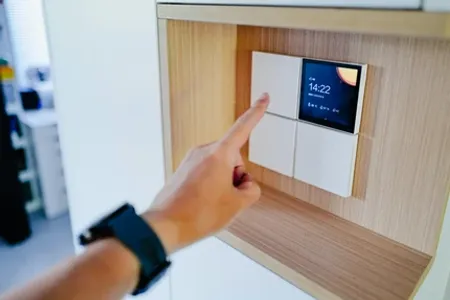
At its heart, a smart home is about removing friction. Instead of juggling remotes, switches, and apps, you issue a quick voice command or let automation handle repetitive tasks. Imagine lights that dim automatically when you start a movie or thermostats that fine-tune the temperature before you even arrive. These small yet powerful time-savers weave convenience into the fabric of daily life, creating a home that quietly works in the background.
Personalisation plays a critical role. Many devices study usage patterns and adapt without continual input, tweaking settings so the environment always feels just right. This personalised comfort frees valuable minutes and offers an experience that feels tailor-made for each household member.
The beauty of convenience in smart homes lies in its simplicity. Rather than forcing you to become a technology expert, modern systems prioritise intuitive interfaces and natural interactions. You control your environment through voice, gestures, or simple mobile commands rather than wrestling with complex menus. This emphasis on usability ensures that every family member-from children to seniors-can benefit from smart home features without frustration or learning curves.
Emerging Trends Shaping Effortless Homes
The smart home landscape evolves rapidly, and several key trends promise to make convenience even more accessible:
1. Predictive AI and Machine Learning
Systems no longer wait for instructions-they anticipate. By analysing routines, AI can preheat the oven before dinner time or gently wake you with warming lights instead of a jarring alarm.
2. Sustainability Meets Ease
Eco-friendly doesn’t mean complicated. Smart thermostats, lighting, and appliances now balance comfort with energy efficiency, helping reduce utility bills without sacrificing convenience.
3. Universal Interoperability
The push toward open standards such as Matter ensures that devices from different brands communicate seamlessly. A single command can lock the doors, switch off lights, and lower the blinds, regardless of manufacturer.
4. Voice-First Everything
Voice control has matured. Natural language processing allows casual requests-“I’m reading now”-to trigger a preferred lighting preset and soft background music, making interaction more human.
Top Must-Have Devices for Effortless Living
Looking to upgrade? Start with these standout categories that deliver instant convenience boosts:
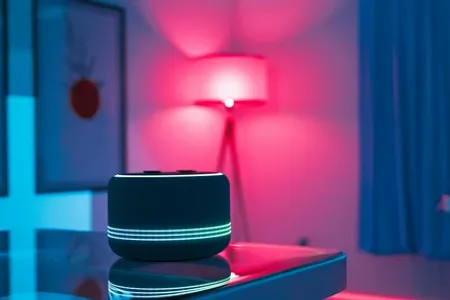
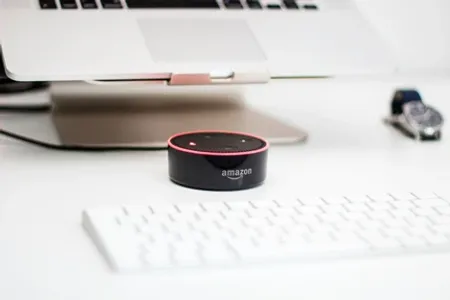
Smart Speakers & Assistants – Hubs like Amazon Echo or Google Home act as the command centre. Use simple phrases to cue music, adjust heating, or hear weather updates.
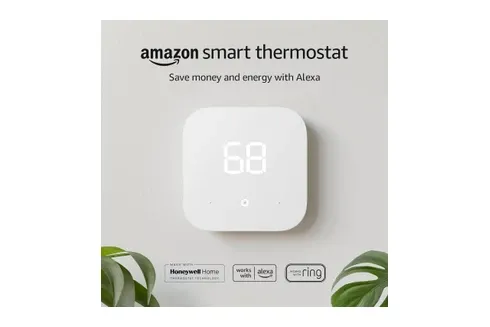
Learning Thermostats – Products from Nest or Ecobee observe your schedule, adjusting temperatures automatically to save energy and maintain comfort.
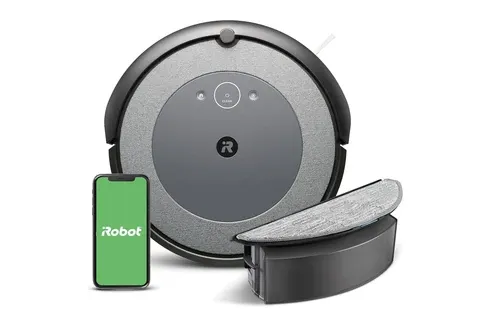
Robotic Vacuums – Devices such as the iRobot Roomba patrol floors on set schedules or at your request, ensuring clean floors with zero effort.
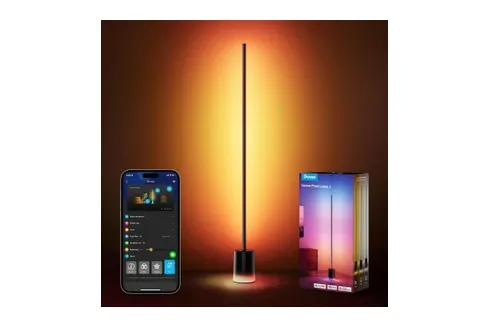
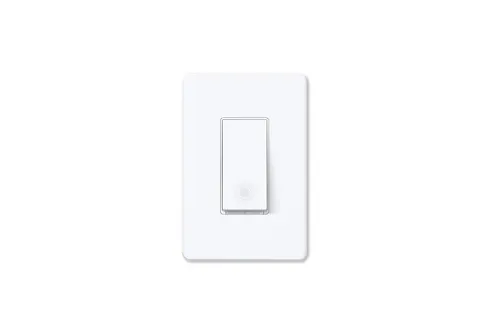
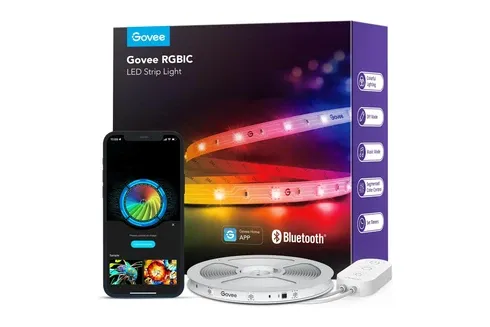
Adaptive Lighting Systems – Kits from Philips Hue or LIFX let you control brightness, colour and timing via app or voice, adding ambience while boosting security when you’re away.
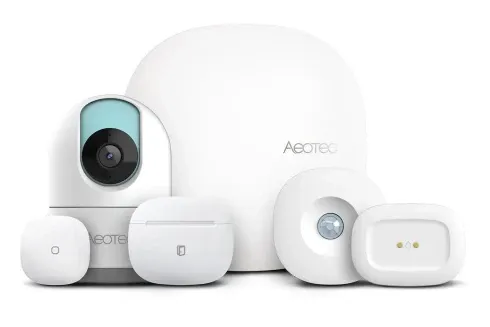
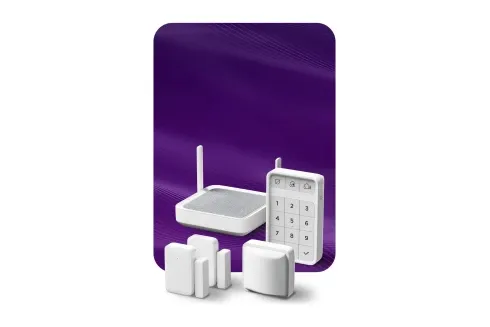
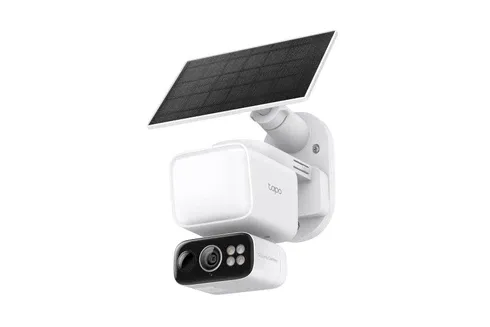
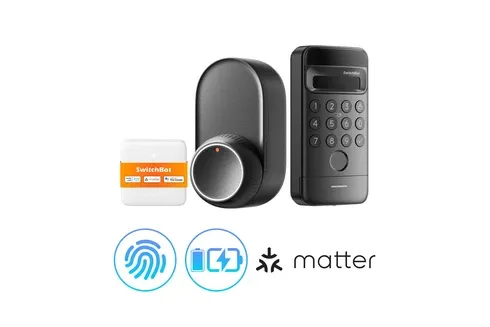
Integrated Security Solutions – Smart locks, cameras, and video doorbells deliver visibility and control from anywhere, marrying safety with seamless access.
Everyday Benefits You’ll Feel Instantly
Smart homes don’t just look futuristic-they solve real-world pain points. Here’s how:
- Time-Saving Automation: Automate morning and evening checklists so lights, coffee makers, and alarms coordinate without your input.
- Effortless Comfort: Adaptive climate systems maintain ideal temperatures, while smart blinds regulate sunlight.
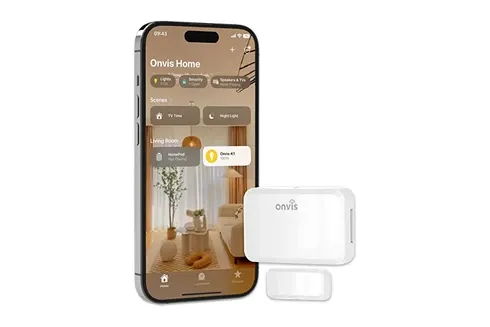
- Remote Peace of Mind: Out of town? Glance at your phone to confirm doors are locked and lights are off.
- Energy Awareness: Detailed usage reports reveal opportunities to cut waste and lower bills-no spreadsheets required.
AI-Driven Personalisation: Behind the Magic
Artificial intelligence turns convenience into a proactive experience. By constantly refining its understanding of your habits, an AI-powered hub might learn that you leave for work at 8 a.m. and ensure the garage door opens as you approach. Over time, suggestions become anticipatory actions, freeing you from micro-management and creating a house that genuinely feels alive.
Building a Cohesive Ecosystem
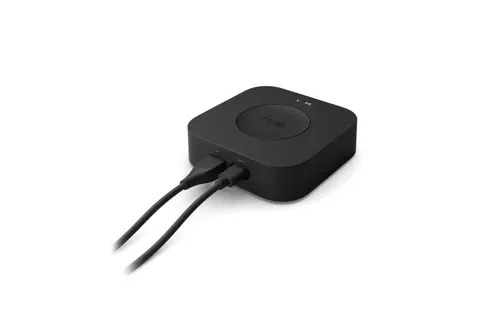
Multiple apps can feel overwhelming, but a smart home hub solves the puzzle. Platforms like Samsung SmartThings gather disparate gadgets under one roof, enabling centralised automation. As 5G and Wi-Fi 7 roll out, expect lightning-fast device communication that makes complex scenes-such as “movie night” or “away mode”-execute in milliseconds.
Balancing Convenience with Robust Security
While ease of use is essential, security must remain a priority. Strong passwords, regular firmware updates, and two-factor authentication keep your devices safe. Look for end-to-end encryption in cameras and sensors, and consider professional monitoring if you prefer an extra layer of protection without sacrificing convenience.
Greener Convenience: Smart Sustainability
Energy-conscious homeowners can still enjoy effortless living:
Smart Lighting: Motion sensors turn lights off in empty rooms.
Dynamic Thermostats: Weather-aware scheduling reduces waste.
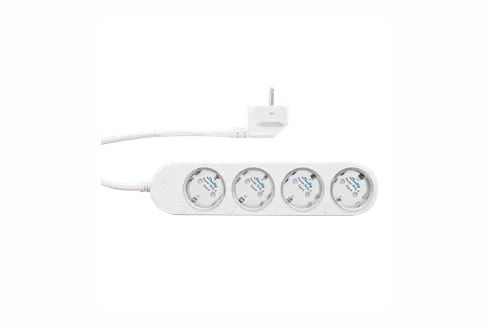
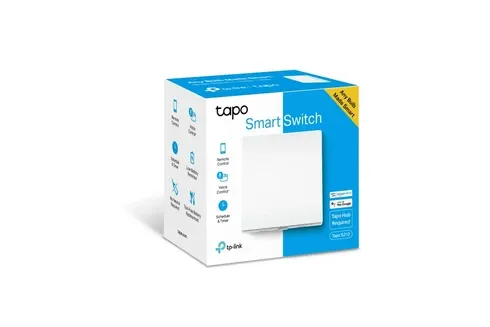
Smart Plugs: Measure appliance consumption and cut power to idle electronics.
These tools prove that sustainability and convenience go hand in hand.
Accessibility and Inclusivity for All
Smart devices open new doors for individuals with disabilities or limited mobility. Voice commands replace physical switches, automated curtains eliminate hard-to-reach cords, and real-time mobile alerts keep caregivers informed. As manufacturers refine inclusive design, everyone benefits from a more accessible, convenient home.
The Human Side of Smart Convenience
As smart home convenience evolves, many homeowners discover that these systems do more than save time-they reduce mental load. Small tasks like checking windows, turning off forgotten lights, or wondering whether you locked the door can quietly drain attention throughout the day. With automation absorbing these micro-responsibilities, you reclaim both clarity and calm. This shift is especially valuable for busy families, remote workers, and anyone balancing a demanding schedule.
Convenience also amplifies connection. Households with varying routines-such as early risers, shift workers, or students-can tailor devices to their individual needs without disrupting others. One person’s gentle wake-up routine can occur while another room stays dark and quiet. Shared calendars, synced reminders, and coordinated lighting or heating schedules help everyone stay organised with minimal effort.
Another growing benefit is how convenience supports lifestyle changes. Whether embracing energy-saving, enhancing wellness, or building better daily habits, smart systems adapt in subtle ways. For example, gentle evening lighting routines promote better sleep hygiene, while scheduled appliance control helps reduce screen-time distractions. These thoughtful touches make it easier to maintain routines that otherwise require discipline or reminders.
As developers continue innovating, expect convenience to become even more personal. Context-aware devices that recognise moods, activity levels, or household occupancy will shape experiences that feel less like technology and more like attentive assistance. By blending environmental awareness, automation intelligence, and seamless control, smart homes are poised to elevate comfort and well-being in everyday life.
Conclusion: Embrace Effortless Living
Convenience in smart homes is no longer a futuristic dream but an attainable reality for households of all sizes. By investing in adaptive technology, you gain back precious time, enhance comfort, and create a living space that responds intuitively to your needs. From AI-driven personalisation to energy-smart upgrades, the tools for a smoother, more enjoyable lifestyle are ready-and the future promises even greater simplicity.
Start small or dive in head-first; either way, every step toward a smarter, more convenient home pays dividends in ease, efficiency, and peace of mind. Whether you begin with a single smart speaker or invest in a complete home automation setup, the benefits compound over time as devices learn your preferences and coordinate their actions more effectively.
Looking ahead, the future of convenience in smart homes will lean even more toward seamless integration and context‑aware assistance. As sensors and connected devices grow more precise, your home will gain a richer understanding of your daily rhythm. This means routines will not only adjust based on time but also on mood, location, and activity trends. For example, lighting could shift to energise your mornings or help you unwind at night without requiring any input. Kitchens may eventually guide meal preparation based on dietary goals, while cleaning devices coordinate tasks based on household traffic patterns, ensuring tidy spaces with little intervention.
Another powerful development will be the rise of predictive maintenance. Devices embedded with diagnostic intelligence will alert you before issues arise, whether it’s a filter needing replacement or an appliance showing early signs of failure. This proactive feedback saves time, prevents unexpected costs, and ensures your smart home remains efficient across the years. As these innovations mature, convenience will become less about individual devices and more about a unified, intelligent ecosystem that enhances everyday living in subtle yet meaningful ways. The evolution is ongoing, and each advancement brings us closer to homes that understand and support us effortlessly.
Looking even further ahead, the next generation of smart home convenience will emerge from deeper behavioural understanding and adaptive interfaces. Instead of relying solely on predefined routines, future systems may draw from subtle signals like indoor air quality, movement pace, or even voice tone to determine when to offer assistance. For example, a home might recognise when you are stressed and adjust the lighting toward warmer tones, play soothing music, or delay non‑urgent notifications until you are more relaxed. These layered enhancements make the concept of convenience feel almost intuitive, giving each person a supportive environment that adapts throughout the day.
Another expanding frontier is the role of smart neighbourhoods. As individual homes become more capable, shared infrastructure will also grow smarter. Community‑level energy optimisation, coordinated lighting for pedestrian safety, and shared security alerts are all possibilities that extend convenience beyond the walls of your home. Imagine a neighbourhood grid that redirects power during peak hours based on real‑time demand or one where local sensors help guide traffic flow and parking availability. These micro‑ecosystems promise to elevate daily comfort not just for homeowners, but for entire communities.
Convenience will also be shaped by more advanced forms of natural interaction. While voice control is already widespread, the next phase could integrate multimodal communication, combining gestures, contextual cues, and ambient intelligence. A simple glance toward a window could trigger blinds to close, or placing your phone on a charging pad might automatically activate a focused lighting scene. This seamless blending of intent and automation will reduce the need for explicit commands, making smart homes feel even more responsive.
As these innovations unfold, the emphasis will remain on reducing effort while enhancing quality of life. The convenience of tomorrow will be woven into every interaction, offering subtle yet powerful improvements that support healthier, more organised, and more enjoyable living. With technology moving steadily forward, the smart home will continue evolving into a trusted partner that quietly enriches each moment.
This ongoing evolution ensures that convenience remains the defining hallmark of connected living, helping households of all sizes enjoy a smoother, more responsive home environment. By investing in smart home technology, you're not just purchasing devices-you're building a living space that works in harmony with your daily rhythm and priorities.
Smart home convenience is no longer a luxury but an essential component of modern living. Whether you're just beginning your connected home journey or expanding an established ecosystem, the tools available today make it easier than ever to simplify your life, save time, and enjoy greater peace of mind. Embrace the possibilities and discover how convenience can transform your house into a truly intelligent home.
The future of convenience in smart homes is incredibly promising, with manufacturers continuously innovating to make our lives easier, safer, and more efficient. Every new device and integration brings households closer to the ideal of a home that understands and anticipates their needs without constant input or attention.
Start building your convenient smart home today and experience the benefits of automation that simplifies your daily routines while giving you more time for the things that matter most.
Whether you prioritize comfort, efficiency, or simply reducing the mental load of managing a household, smart home convenience delivers measurable improvements that compound over time and make daily living genuinely easier. Every advancement in smart home technology brings us closer to a future where convenience is not just a feature but a fundamental aspect of how we live, work, and connect with our homes and the people we share them with. The ongoing development of smarter, more intuitive devices ensures that convenience will continue improving as technology evolves.
The promise of effortless living grows stronger each year as manufacturers refine their products and introduce new capabilities designed with real households in mind. Families, busy professionals, and retirees alike discover that small conveniences accumulate into profound lifestyle improvements over time. Explore the options available and find the smart home devices that match your lifestyle goals. Start with one device that addresses your biggest daily friction point and expand from there as you experience the benefits firsthand.
The journey toward a more convenient home begins with understanding your daily routines and identifying opportunities for automation that genuinely save time and reduce stress. Modern households increasingly recognize that convenience is not about adding complexity but about removing unnecessary steps from everyday tasks. When your home anticipates your needs and responds without requiring constant attention, you gain freedom to focus on what truly matters. This shift represents a fundamental change in how we interact with our living spaces, moving from manual management to intelligent assistance that works quietly in the background. The most successful smart home setups are those that feel natural and unobtrusive, enhancing daily life without demanding technical expertise or constant oversight from residents.
Begin your smart home convenience journey today and build a living space that works with you, not against you, making every day a little easier and a lot more enjoyable.
The essence of convenience in modern smart homes is that it frees you from the tyranny of routine management tasks. Instead of mentally tracking whether doors are locked, lights are off, or thermostats are set correctly, intelligent systems handle these micro-decisions automatically. This shift dramatically reduces cognitive load and decision fatigue, allowing you to redirect your attention toward family, work, hobbies, and personal growth. The accumulation of these small time savings throughout the day compounds into hours reclaimed each week. When multiplied across a year, that time represents a meaningful portion of your life that you regain simply by embracing intelligent automation.