Raspberry Pi 3 Model B Plus: IoT Home Server Guide
Product Details
🏭 Manufacturer: Raspberry Pi
🔌 Plug Format: Micro USB (5V DC)
📄 Specification Met: FCC, CE, IC, RCM, UKCA
🔖 Part Number: RPI3-MODBP
🏋️♂️ Weight: 45 g
📏 Dimensions: 85.60 mm x 56.5 mm x 17 mm
🏳️ Country of Origin: United Kingdom
🆔 Model Number: Raspberry Pi 3 Model B+
📐 Size: 85.60 mm x 56.5 mm x 17 mm
🎨 Style: Single-board computer
🧲 Mounting Type: Desktop
🔧 Usage: Indoor Use
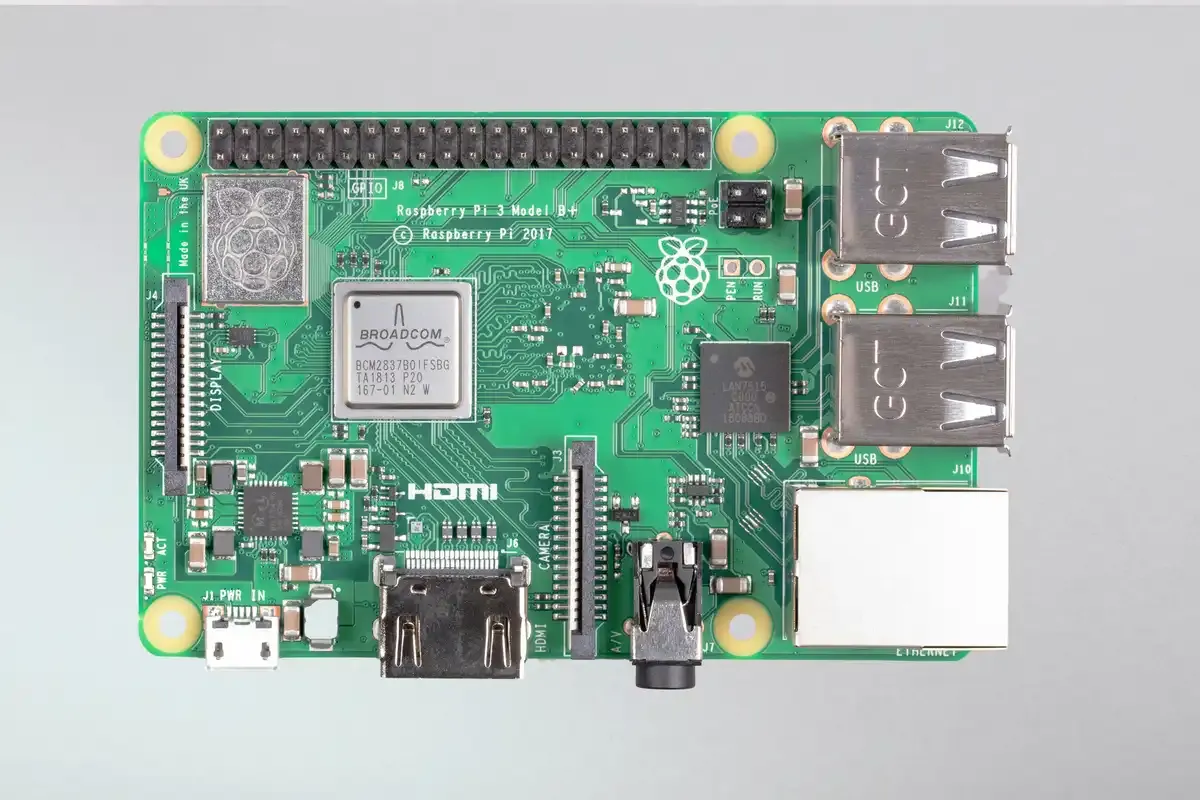
🧩 Included Components: Raspberry Pi 3 Model B board
The Raspberry Pi 3 Model B+ is a powerful single-board computer that has gained popularity among DIY enthusiasts and developers of smart home projects. By unlocking new possibilities in home automation, this board empowers makers to turn creative ideas into reality. With its enhanced specifications and capabilities, it offers a solid platform for creating innovative smart solutions. Many developers use Raspberry Pi boards as the foundation for ZigBee hubs and mesh network coordinators. In this article, we'll explore how this device can be used to enhance your home automation setup, providing insights into its features and potential applications.
Key Features of Raspberry Pi 3 Model B+
The Raspberry Pi 3 Model B+ boasts several impressive features, making it an ideal choice for IoT devices and smart home projects:
- Processor: Equipped with a 1.4 GHz 64-bit quad-core ARM Cortex-A53 CPU, this device offers significantly improved performance compared to its predecessors.
- Memory: It comes with 1 GB of LPDDR2 SDRAM, sufficient for running a variety of applications, from simple scripts to more complex home automation software.
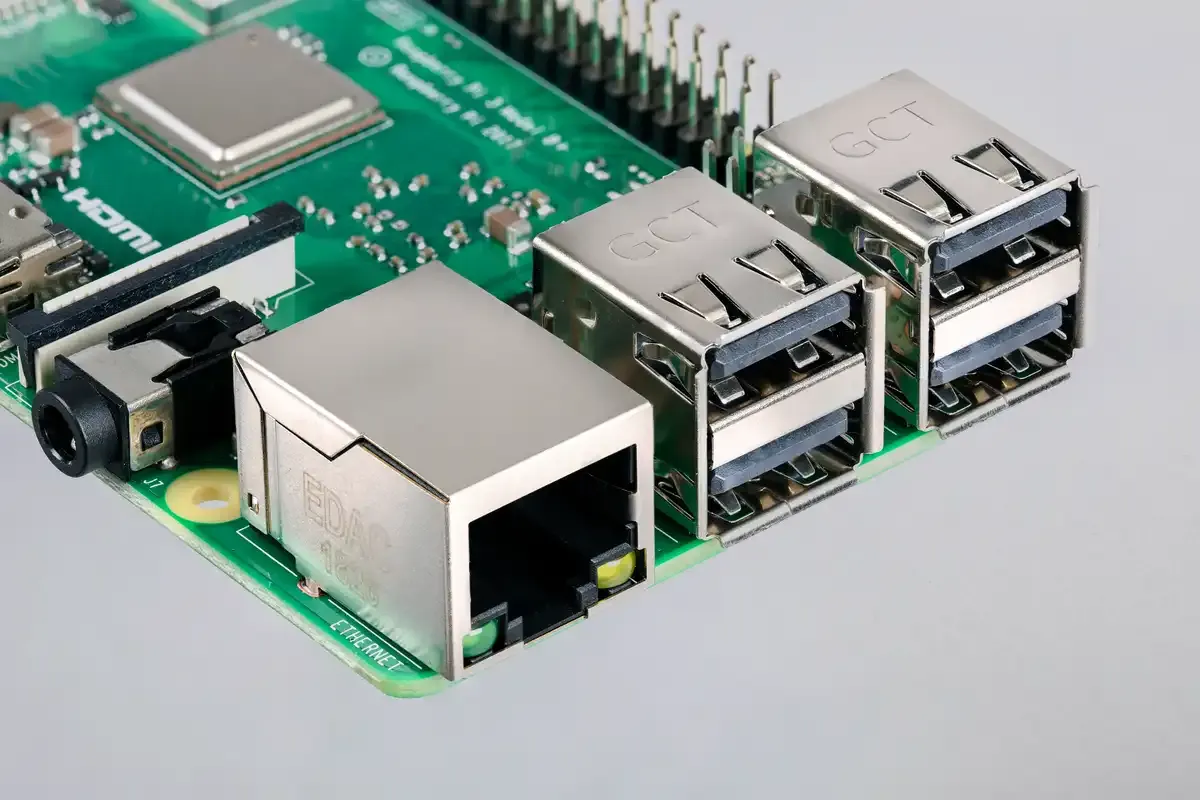
- Networking: Enhanced networking capabilities include dual-band 2.4 GHz and 5 GHz 802.11b/g/n/ac Wi-Fi, Bluetooth 4.2, and gigabit Ethernet over USB 2.0, making it versatile for wireless and wired connections.
- GPIO: The board includes a 40-pin GPIO header, allowing users to easily connect sensors, motors, and other devices, which is important for integrating with IoT devices in smart home projects.
Smart Home Applications
The Raspberry Pi 3 Model B+ can be integrated into various smart home projects, using its Wi-Fi and Bluetooth capabilities for solid connectivity. Here are some potential applications:
- Hub for Automation: Use it as a central hub to manage and automate various smart devices in your home. With its networking capabilities, you can easily connect to devices like lights, thermostats, or security cameras.
- Voice Assistant Integration: Implement voice assistants like Google Assistant or Alexa to control devices in your home through voice commands, enhancing the convenience of automation.
- Energy Monitoring: Develop a system to monitor energy usage in real-time, promoting energy efficiency and helping reduce energy costs.
Practical Projects with Raspberry Pi 3 Model B+
To get started with using the Raspberry Pi 3 Model B+ in smart home projects, consider the following ideas:
- Motion Detection System: Connect a motion sensor to the GPIO pins to detect movement and trigger actions like turning on lights or sending alerts.
- Smart Lighting: Control lights remotely using Wi-Fi or Bluetooth connections, setting schedules or brightness levels based on environmental conditions.
- Home Security: Utilize the Raspberry Pi as a server for monitoring cameras or sensors, enhancing home security with real-time video streaming.
Setting Up Raspberry Pi 3 Model B+
Essential Components
To start using the Raspberry Pi 3 Model B+, you will need:
- A micro SD card with Raspberry Pi OS installed.
- A 5V/2.5A micro USB power supply for stable power.
- An HDMI screen for initial setup (optional).
Installation Steps
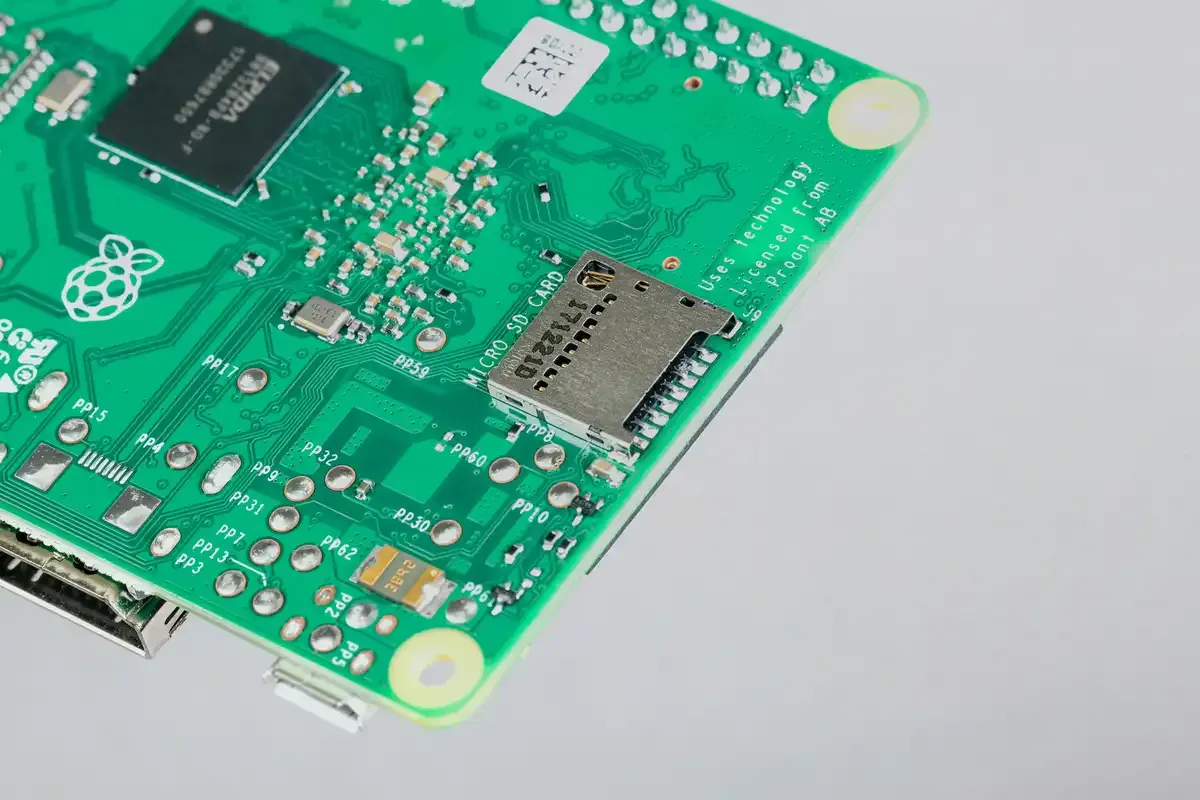
- Install Raspberry Pi OS using the Raspberry Pi Imager tool, which allows you to create a bootable micro SD card.
- Connect peripherals such as a keyboard, mouse, and monitor to access the interface.
- Configure networking to enable Wi-Fi or Ethernet connections.
- Explore software available for smart home automation, such as Home Assistant, which integrates well with various IoT devices.
The Board Is Not the Interesting Decision
Where the board ends up mattered more, in my build, than which board it is. To be clear about what I'm reporting: the machine running Home Assistant OS in my house is a Pi 5, not this 3 Model B+, so read the layout below as transferable and the model as not the point.
It's mounted on a DIN rail inside the electrical panel, powered by a Mean Well MDR-60-5 supply at 5 V and 10 A, wired in beside the breakers. Zigbee comes from a Home Assistant Connect ZBT-1 on a USB port. Two Tuya TONGOU DIN breakers share the rail, a 50 A with energy metering and a 63 A without, and the unmetered one is the single part of that panel I would order differently today. Metering costs very little at the moment you order the breaker and is close to unbuyable afterwards without pulling the panel apart again.
A 3 Model B+ can be treated the same way, with one honest caveat: its micro USB input is a friction fit meant for a phone charger, so a rail supply plus a short, thick cable buys you more stability than any heatsink. And since the house is still being finished and unoccupied, what I can offer is how it was built, not a wear report from years of daily use.
Tips for Enhancing Performance
- Cooling: Ensure proper cooling by using a casing with good airflow or adding a heat sink to prevent overheating during extensive use.
- Power Supply: Always use a recommended power supply to avoid voltage fluctuations that could damage the board.
- Regular Updates: Keep your operating system and applications updated to enjoy the latest security patches and feature enhancements.
Expanding Your Smart Home Ecosystem
The Raspberry Pi 3 Model B+ works best as the connective tissue that binds several smart devices into one network. Install a lightweight message broker such as MQTT, wire it to a flow editor like Node-RED, and you can build automations that react to temperature, motion, and light sensor data in real time. Picture heating that follows occupancy, or blinds that close during the hottest part of the day to save energy. Because the board speaks mainstream protocols, Wi-Fi, Bluetooth, and Ethernet, it bridges older appliances to modern services without handing any single vendor the layer above them. Community-maintained libraries and thorough tutorials turn adding a peripheral, whether a mesh dongle for extra range or a USB microphone for voice control, into a weekend job rather than a project.
One point about mesh range deserves plain language, because it catches people out. In my own Zigbee network the routers are the mains-powered devices: a Sonoff MINI-ZBR3 tucked into a ceiling box, a metering plug, a 16 A timer switch. Battery devices route nothing for anybody. A leak sensor sleeps nearly all the time, wakes to say one thing, and drops back to sleep, so it can't carry somebody else's traffic even if the geometry looks perfect on a map. If a far room keeps falling off the mesh, adding three more battery sensors between it and the coordinator changes nothing. Adding one powered device changes everything.
To Conclude
The Raspberry Pi 3 Model B+ offers a versatile platform for building smart home projects, thanks to its solid hardware and extensive connectivity options. Whether you're interested in home automation, energy monitoring, or IoT device integration, this single-board computer can help you create innovative solutions to enhance your living space. To learn how DIY platforms like Raspberry Pi fit into the broader smart hub ecosystem, explore our comprehensive guide on how smart hubs work why you.
With its ease of use and powerful features, the Raspberry Pi 3 Model B+ is an excellent choice for anyone looking to start their smart home journey, offering a balance between functionality and convenience that makes it a standout in the world of smart devices.
This device serves as a reliable plus option for your connected home.