Ultraloq Bolt Sense: Dual Biometric Smart Door Lock
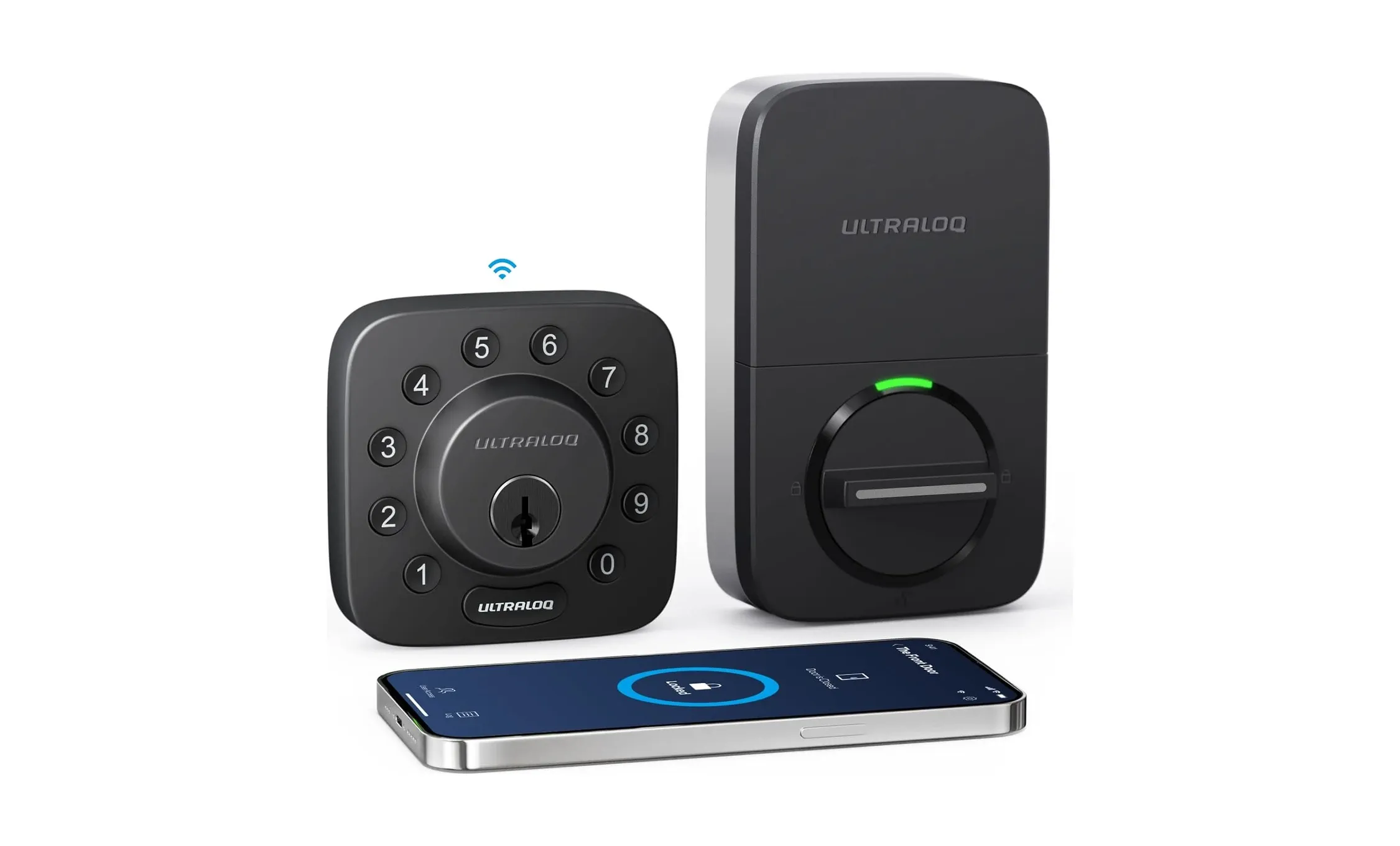
Product Details
🏭 Manufacturer: Ultraloq
🔌 Plug Format: Battery (8 AA)
📄 Specification Met: FCC, CE
🔖 Part Number: UL-BOLT-SENSE
🏋️♂️ Weight: 1.2 kg
📏 Dimensions: 70 mm × 70 mm × 45 mm
🏳️ Country of Origin: China
🆔 Model Number: Ultraloq Bolt Sense
📐 Size: Standard Deadbolt
🎨 Style: Deadbolt Smart Lock
🧲 Mounting Type: Door Mount
🔧 Usage: Indoor/Outdoor
🧩 Included Components: Lock assembly, 8 AA batteries, screws, keys, installation manual
🔋 Batteries Included: Yes
🔋 Batteries Required: Yes
Two biometric checks instead of one. That's the pitch behind the Ultraloq Bolt Sense, a touch-free deadbolt that pairs 3D facial recognition with palm vein authentication. If a mask or low light throws off the camera, the infrared palm scan still reads the vein pattern under your skin. It's a battery lock (eight AA cells) sized for standard US doors, with built-in Wi-Fi and Matter certification for smart home platforms. Ultraloq showed it at CES 2026, where active approach sensing wakes the lock as you near the door and authenticates you without a key, PIN, or app tap.
Why bother with two methods? Surface biometrics get fooled. Palm vein reading uses infrared to map the vessels below your skin, a pattern that's hard to spoof and doesn't care if your hands are wet or dirty. Facial scanning handles the fast, no-contact case and adapts to darkness using infrared plus on-device AI. Come home with both arms full of groceries and the door reads your face. Get caught in the rain and the palm check takes over. That redundancy is the whole point of a dual biometric lock.
Built-in Wi-Fi means no separate hub, and Matter support opens it up to Apple Home, Google Home, and Amazon Alexa. For families juggling kids and guests, or travelers who share access remotely, the two-sensor design trades a little upfront cost for far fewer failed reads. If you like the convenience of hands-free entry but don't quite trust face-only locks, this is the compromise worth a look.
Key Hardware Features
The Bolt Sense uses a standard deadbolt body that swaps into most residential doors without wiring. The exterior keypad holds the biometric sensors behind weather-resistant plastic. The interior escutcheon carries the manual thumb-turn and the battery tray. Eight AA batteries run it for roughly six months of normal use, with low-power alerts pushed through the U-tec app. Ultraloq also sells a rechargeable lithium pack that stretches runtime to about 18 months if you'd rather not swap cells often.
Active approach detection is the headline sensor trick. It fires up authentication as you get close, then drops back to sleep to save power. Infrared lets the palm reader work in total darkness, and the facial algorithm adjusts for changing light. Beyond biometrics you still get app control, temporary PIN codes, and a physical key as a last-ditch backup. The on-device processing tunes itself to how you present your hand or face over time, much like the older Bolt Fingerprint model did.
At roughly 70 mm x 70 mm x 45 mm and 1.2 kg, it's compact enough that installation is a screwdriver job with the four included screws. It carries FCC and CE marks for emissions and safety.
Connectivity and Smart Integration
Connectivity runs over built-in Wi-Fi, so the U-tec app handles remote control, access management, and activity logs without a bridge. With Matter certification, it pairs natively with SmartThings, Apple HomeKit, Google Assistant, and Alexa, and you can trigger it by voice with a command like "unlock the front door."
Voice Assistant links let you hand a guest a temporary code or get a ping the moment someone walks in. Chain it to your porch lights so they flip on as you approach, or to a camera for a visual check on entries. The app does geofenced auto-unlock when your phone gets home, and it keeps timestamped logs of every open. Related Ultraloq models are moving to Thread, which points at faster, steadier mesh networking down the line.
There's no hub to buy and no proprietary bridge to fail. Direct Wi-Fi pairing keeps the setup honest, and the Aliro standard for Apple ecosystems sits on the roadmap.
When It Makes Sense
The Bolt Sense earns its keep in the moments when your hands are busy or the light is bad. Parents loaded down with kids and bags get in without digging for keys. Older users often find palm scanning easier than poking at a keypad.
A few concrete scenarios:
Key Points
- Family Homes: Everyone registers a face and a palm; kids get in after school and parents see the entry alert.
- Vacation Rentals: Share an app-generated PIN with a cleaner or guest, set to expire on its own.
- High-Traffic Entrances: Wet hands after a rainstorm still read on the palm sensor, and late-night arrivals in the dark aren't a problem.
- Smart Ecosystem Hubs: Entry can kick off garage doors, HVAC changes, or security cameras.
That range is what pushes it past a plain keyed deadbolt.
Technical Specifications Overview
The numbers back up the pitch. Battery life spans 6 to 18 months depending on traffic and whether you run alkaline or lithium cells, which beats a lot of the field. Biometric accuracy sits near 99 percent thanks to machine learning tuning, and the lock stores up to 50 users.
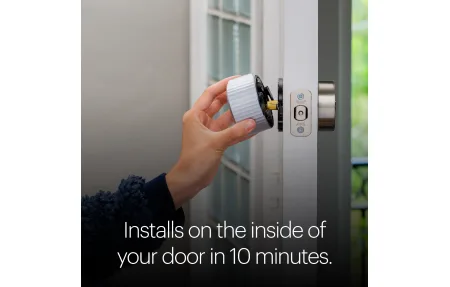
Security extras include anti-peek PIN entry (pad random digits around the real code), encrypted app data, and tamper alarms. It's rated from -31 degrees F to 151 degrees F (-35 degrees C to 66 degrees C) with an IP65 weather rating. Swapping it in takes minutes: pull the old deadbolt, line up the new one, drive four screws, done. No electrician.
Easy Setup and Daily Operation
Getting started with the Bolt Sense is quick. Install the U-tec app, scan the QR code on the lock, and let it pair over Wi-Fi. Register your face or palm by holding position as the app prompts, and the AI does the enrollment. Adding each family member runs about two minutes. The mechanical side is the usual deadbolt mount, and yes, test the metal key backup before you trust it.
Day to day, you walk up, the sensors catch you, and it unlatches without a sound. You can tune how far out it starts sensing or set auto-lock after 30 seconds. The app dashboard shows battery level, recent entries, and firmware pushes. Troubleshooting mostly happens in-app with built-in connectivity diagnostics.
Maintenance and Longevity Tips
A little upkeep keeps it reliable. Swap batteries as soon as the alert fires so you never get locked out, and keep lithium AAs on hand for cold-weather runtime. Wipe the sensor glass with a microfiber cloth and skip harsh cleaners. Firmware updates arrive through the app and carry security patches plus Matter rollout fixes.
Check the door alignment now and then so the bolt throws cleanly. On a busy entrance, glance at the access logs occasionally to catch anything odd early.
Is the Bolt Sense Worth It?
Buy the Bolt Sense if face-only locks have burned you before and you want a real fallback. Pairing facial recognition with palm vein reading covers the cases that trip single-sensor locks: masks, gloves, darkness, wet hands. Households with several users, rental hosts sharing expiring PINs, and anyone tying entry into wider automation get the most out of it. The no-hub Wi-Fi and Matter certification mean it slots into Apple Home or Alexa without extra boxes.
Here's the honest tradeoff. As of this writing the lock launched around Q2 2026, so the long-term track record and independent teardown data just aren't in yet. Ultraloq lists FCC and CE marks, but I couldn't confirm an ANSI/BHMA grade or a published encryption standard for the wireless link, and for a door lock that's the spec I'd want in writing before calling it secure. Palm vein biometrics are genuinely hard to spoof, but the accuracy figures come from the company, not third-party testing.
Skip it if you run a single Apple-only home and already own a HomeKit lock you trust, or if you insist on a verified BHMA Grade 1 rating on the box. For everyone else building out a video doorbell and sensor stack, this dual-biometric entry is a real upgrade over keys, as long as you go in knowing the security certs are still thin.