














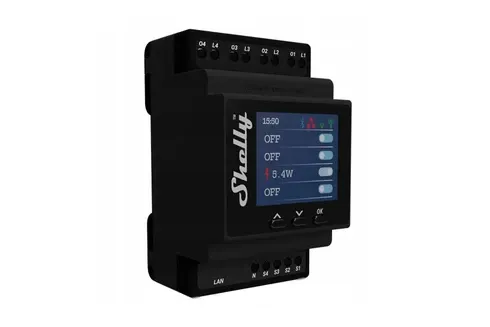
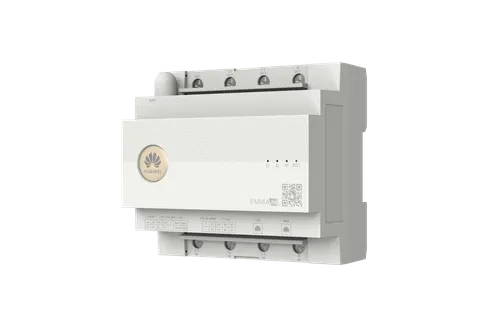

In the age of digital transformation, IoT devices are driving a major shift in how we live and manage our homes. These smart tools form the foundation of modern smart homes by enabling automation, remote access, and intelligent control over everything from lights to locks. By connecting various devices across a unified network, the Internet of Things is making everyday living more efficient and responsive. Browse our comprehensive collection of Articles about Smart Home IoT Devices to explore how these connected tools integrate seamlessly to enhance your living environment. The role of IoT devices continues to expand as they become integral to more aspects of our daily routines.
How IoT Devices Reshape Smart Living
Smart homes rely heavily on IoT devices to deliver seamless interaction between physical systems and digital controls. They enhance the user experience by automating repetitive tasks, responding to real-time data, and personalizing home environments based on user behavior. With these smart solutions, your home evolves to become an intuitive, adaptive space.
Defining IoT Devices in Home Technology
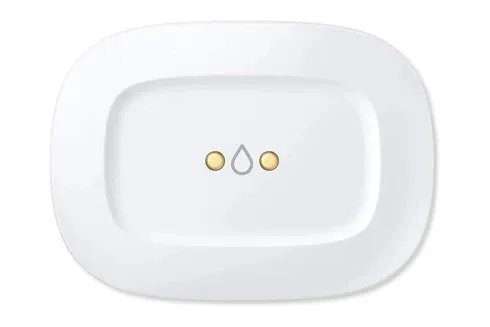
IoT devices are smart products embedded with sensors and wireless connectivity. They collect and share data across networks, allowing for synchronized performance and centralized control. In a home environment, this translates to smarter appliances, better security, and improved energy management. Understanding the role these devices play in connecting and optimizing home functions is essential for any smart home setup.
Smart Home Examples of IoT Integration
Examples of IoT devices used in homes include:
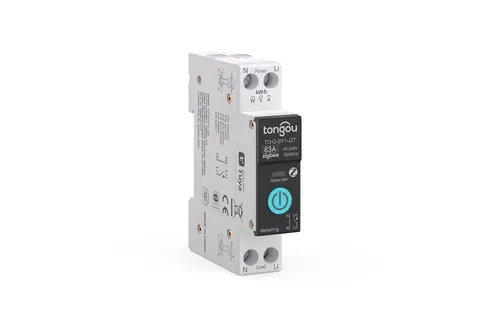
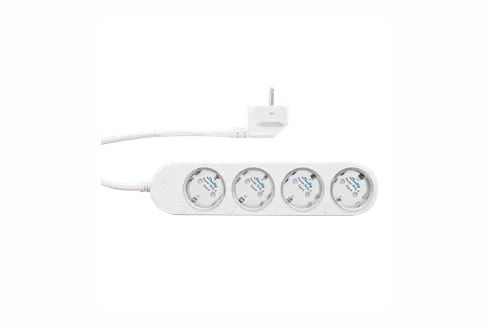
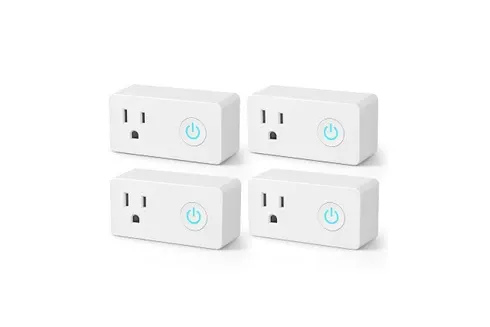
- Smart plugs for automating power supply
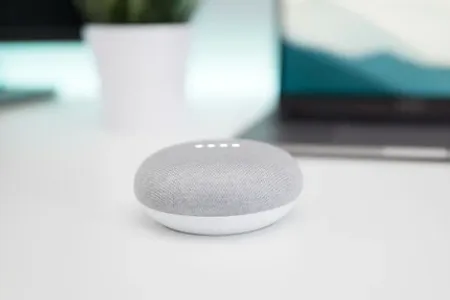
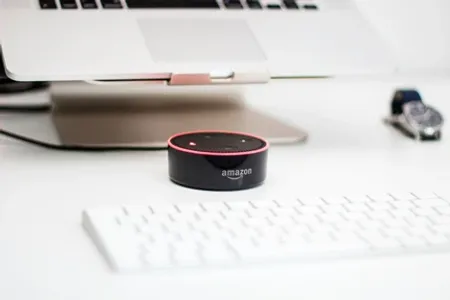
- Voice-controlled assistants like Alexa and Google Assistant
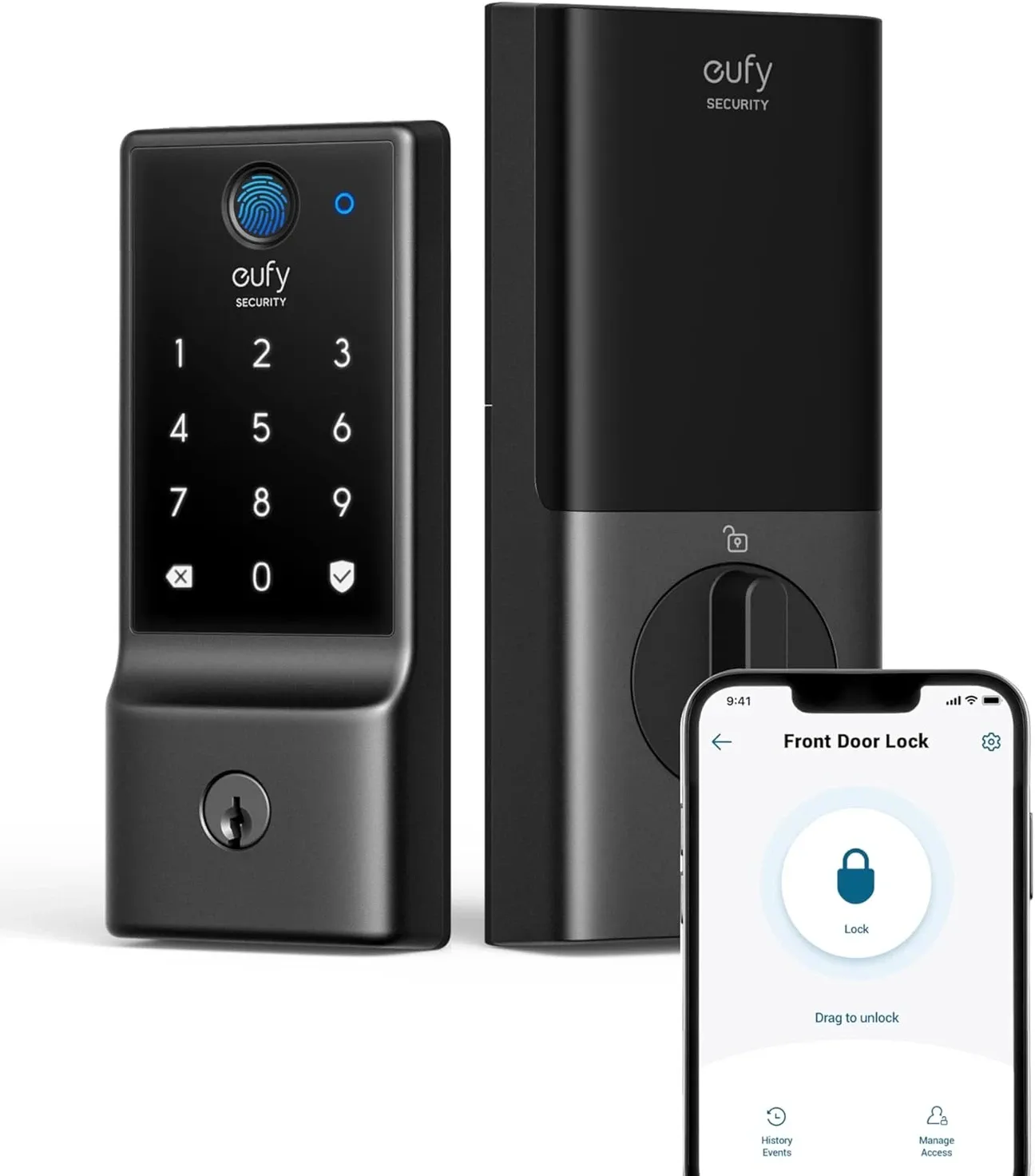
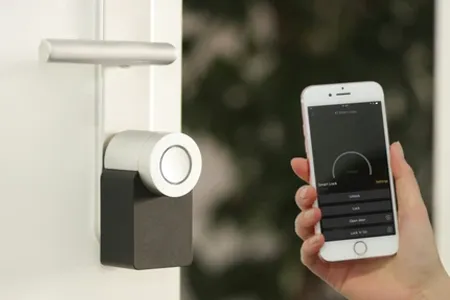
- Smart locks and security systems that enhance protection
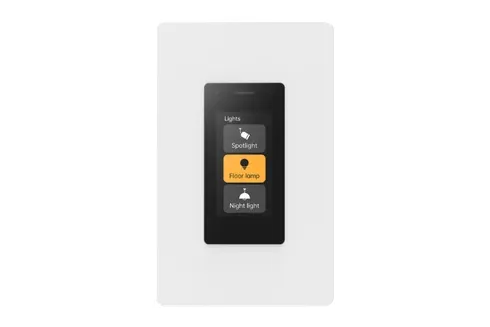
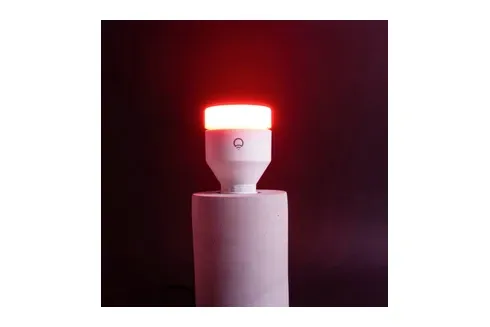
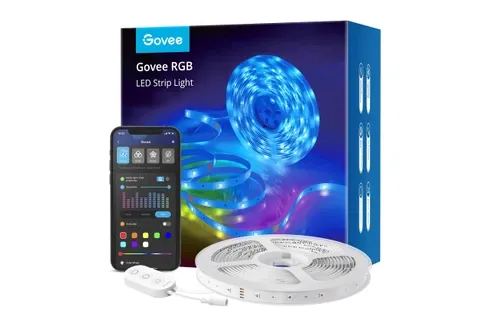
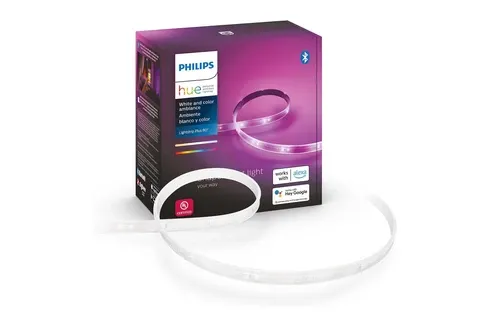
- Smart lighting for mood and efficiency
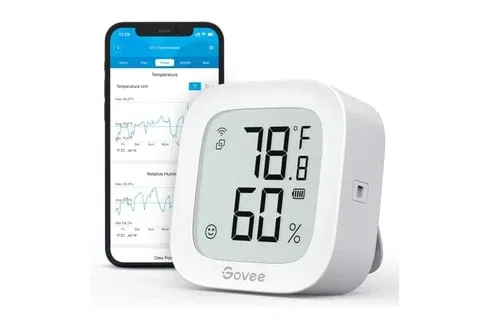
- Connected thermostats that adjust based on presence or weather
These gadgets work together to create a responsive environment that adjusts to user needs in real time.
As technology advances, the variety and capabilities of IoT devices in smart homes continue to grow. From AI-enhanced cameras to voice assistants that understand natural language more intuitively, these innovations are improving how we interact with our living spaces. Homeowners now enjoy greater peace of mind, automation, and connectivity than ever before.
Why IoT Devices Are a Smart Home Essential
The integration of IoT devices into homes allows users to experience advanced levels of comfort and control. Benefits include energy conservation, remote monitoring, and custom automation. These tools not only simplify life but also help reduce resource waste. Their role in balancing comfort, efficiency, and sustainability cannot be overstated.
Core Benefits of IoT for Homeowners
Here’s what you gain when implementing IoT devices in your smart home:
- Energy efficiency through optimized appliance and lighting use
- Remote control of devices from anywhere via smartphones or tablets
- Enhanced safety with real-time alerts and smart surveillance
- User personalization, with systems that adapt to your preferences
- Integration across multiple platforms, ensuring a cohesive experience
Top Trending IoT Devices for Smart Homes
Innovation continues to push the boundaries of what IoT devices can do. Homeowners have a growing selection of tools designed to simplify tasks and boost convenience.
Leading Smart Home Products Powered by IoT
- Smart thermostats to regulate climate with learning capabilities
- Smart bulbs that adjust light temperature and brightness
- AI-driven speakers for media control and task management
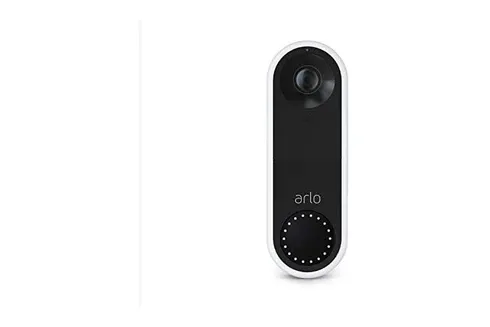
- Wi-Fi-connected security cameras and video doorbells
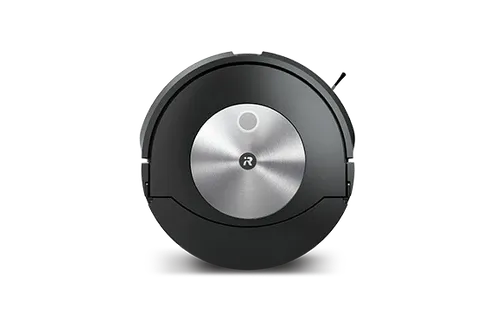
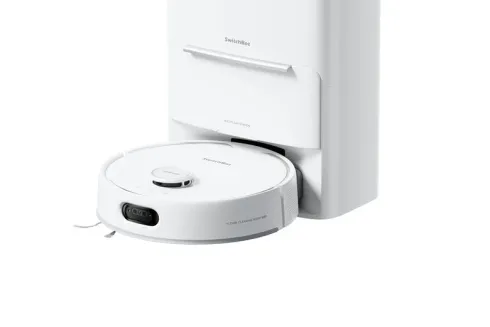
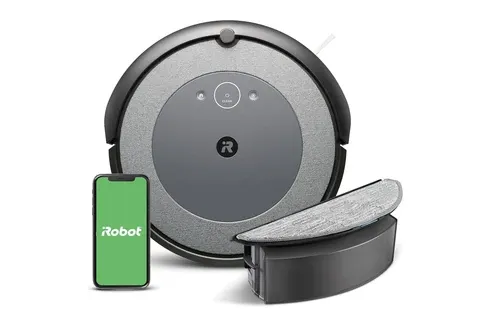
- IoT-enabled appliances such as ovens, vacuums, and refrigerators
Each device contributes to a more connected and intelligent household.
Addressing Common IoT Challenges
Despite their advantages, IoT devices are not without limitations. Security and compatibility remain ongoing concerns for many users.
Securing Your Connected Home
Cybersecurity is vital in any connected home. Users should always secure devices with strong credentials and update firmware regularly. Encrypted communication and two-factor authentication also help safeguard your network.
Overcoming Compatibility Roadblocks
Sometimes, smart devices from different brands may not work seamlessly together. Choosing platforms that support wide interoperability, like Apple HomeKit, Amazon Echo, or Google Home, helps reduce this friction.
Future of Smart Homes with IoT Devices
As artificial intelligence and IoT technology mature, we can expect homes to become more predictive and adaptive. Devices will learn behavior patterns, respond faster, and offer even more automation. As the role of IoT devices evolves, they will shape not just how homes function but how they anticipate our needs.
Predictive Intelligence in Home Automation
Future IoT devices will use machine learning to anticipate user needs-like preheating your oven before dinnertime or dimming lights when you start a movie. This shift will redefine convenience and enhance everyday life.
Explore More Insights on IoT for Smart Homes
As the ecosystem of IoT devices continues to expand, homeowners gain access to smarter, more adaptable solutions that elevate everyday living. Many users find that combining different categories of IoT tools unlocks even more value, especially as platforms improve cross-device communication. This synergy creates a smoother and more intuitive smart home experience. With better automation, enhanced safety features, and growing support for cloud-based processing, these systems are evolving to meet the needs of fast-paced lifestyles.
Another important development is the growing availability of eco-conscious IoT technology. Devices designed with energy-saving modes, adaptive power consumption, and refined scheduling tools help households reduce their carbon footprint without sacrificing comfort. These innovations are especially valuable for users who want to embrace sustainable living while maintaining modern conveniences. With simple setup processes and improved mobile apps, IoT systems are becoming more accessible even to non‑technical users.
As IoT devices continue to evolve, homeowners can also expect major improvements in how these systems manage data and deliver insights. New analytics tools will allow devices to evaluate long‑term trends in energy use, comfort preferences, and security patterns. These insights can help households make more informed decisions about reducing waste or improving their sustainability practices. For example, smart thermostats may soon be able to recommend seasonal adjustments or highlight unusual patterns that indicate inefficient heating or cooling. Likewise, connected lighting systems could use historical data to create optimized lighting routines that support both convenience and energy conservation.
Another important shift in the IoT landscape is the rising importance of edge computing. With more processing handled locally rather than in the cloud, devices can respond faster and maintain essential functions even during temporary network outages. This increased independence makes IoT systems more reliable and enhances user trust. Edge‑enabled devices also improve privacy by limiting the amount of personal data sent across networks, which is a growing priority for many homeowners. As more brands adopt this technology, users will experience smoother interactions and greater confidence in their smart home ecosystems.
Finally, the expansion of interoperable standards promises an even more unified future for smart homes. With broader compatibility between brands and platforms, users will have more freedom to create personalized solutions without being locked into a single ecosystem. This progress supports creativity, flexibility, and long‑term value as households integrate the next generation of IoT devices. Together, these advancements signal a future where smart homes are not only more capable but also more intuitive and supportive of everyday living.
Looking ahead, the influence of IoT devices in smart homes will only deepen as technology continues to mature. New standards and improved security frameworks will empower homeowners to build more resilient and efficient networks. As device manufacturers embrace sustainable materials and energy‑aware processing, users will gain greater control over how their household impacts the environment. These trends point toward a future in which IoT ecosystems blend automation, personalization, and responsible design. Whether managing daily tasks, enhancing comfort, or safeguarding the home, these systems will play a vital role in shaping modern lifestyles and supporting long‑term digital well‑being.
Getting Started with IoT Devices Today
If you're new to IoT devices, beginning with a single category like smart lighting or a smart thermostat provides a manageable entry point. These Internet of Things solutions establish the foundation for a more comprehensive network later. As you grow comfortable with the basics, adding additional IoT devices becomes easier and more rewarding. Most modern smart home platforms offer excellent documentation and community support to help you succeed with your connected home automation journey.
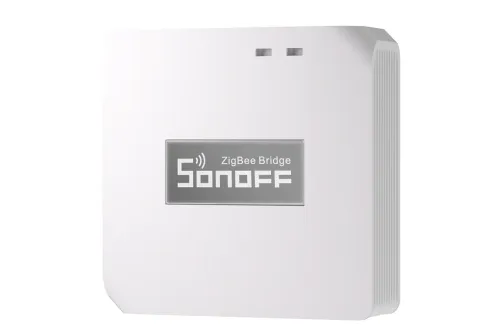
When selecting your first IoT devices, consider factors like wireless protocol compatibility, power requirements, and integration with your existing smartphone ecosystem. Many users start with plug-and-play options that require minimal configuration, gradually building toward more sophisticated setups involving multiple device categories. The learning curve for IoT technology has decreased significantly in recent years, making it accessible to users of all technical backgrounds. With patience and a clear understanding of your goals, you can create a smart home environment that truly enhances your daily life. Popular protocols like ZigBee and Thread offer reliable local communication between devices, while Wi-Fi connectivity enables seamless cloud integration for remote monitoring and control from anywhere in the world.
By thoughtfully selecting and integrating IoT devices, homeowners can create living spaces that adapt to their routines and preferences. As technology continues to advance, the possibilities for automation and intelligent control will only expand, making now an ideal time to explore what the Internet of Things can do for your home. Start your smart home journey today and discover how connected devices can transform your living environment into a more intelligent, responsive, and efficient space that works for you.
The future of IoT devices in smart homes is bright, with continuous innovation driving new features, better integration, and improved user experiences. Whether you're seeking to improve energy efficiency, enhance security, or simply enjoy greater convenience, IoT devices provide the foundation for a smarter, more responsive home.
As IoT technology matures, the distinction between connected devices and traditional appliances continues to blur, making it easier than ever to build a cohesive ecosystem that serves your lifestyle and preferences.
The IoT revolution has already transformed millions of homes around the world. Communities of smart home enthusiasts continue to share insights, innovations, and best practices for maximizing the value of connected devices. As more households embrace IoT technology, manufacturers respond with better products, improved user interfaces, and stronger security measures. This positive feedback loop accelerates adoption and encourages continued innovation in the smart home space. Whether you're just beginning your smart home journey or expanding an existing network, IoT devices offer tremendous potential for improving comfort, efficiency, and peace of mind in your household.
Connected devices continue to demonstrate their value across diverse living situations, from urban apartments to rural properties. The flexibility and scalability of modern systems means that households can start small and expand their networks gradually, adding new capabilities as needs and budgets evolve over time.
The ongoing refinement of wireless protocols and cloud services ensures that each generation of devices offers better reliability, faster response times, and improved interoperability with existing smart home ecosystems. Homeowners who invest in quality IoT devices today position themselves to benefit from these continuous improvements as manufacturers release firmware updates and enhanced features over time.
Start building your connected home today and experience the convenience and efficiency that modern IoT technology brings to everyday living. Explore how IoT devices and smart home solutions can transform your living environment into an intelligent, responsive ecosystem that enhances comfort and efficiency.
The transformation of homes through IoT devices represents one of the most significant technological shifts of our era. Households that embrace these connected tools gain unprecedented control, insight, and efficiency in managing their living spaces. From improving daily routines to enhancing security and reducing energy costs, IoT devices offer tangible, measurable benefits that justify the investment in smart home technology. Take action today and explore how Internet of Things devices can elevate your home experience for years to come.
Begin your IoT journey now and join the millions of homeowners worldwide who are already benefiting from intelligent, connected devices that make life easier, safer, and more enjoyable every single day. Whether you prioritize energy savings, enhanced security, or simply enjoying greater convenience in your daily routines, IoT devices provide the technology foundation to achieve your goals. Start small with a single category of devices and expand as you experience the benefits of living in a truly connected home.
The power of IoT devices lies not only in their individual capabilities but in their ability to work together as an integrated system. When multiple connected devices communicate and coordinate their actions, they create automation scenarios that would be impossible with isolated gadgets. A motion sensor can trigger lights, which then adjust color temperature based on the time of day, while simultaneously notifying your climate control system that the room is occupied. These multi-device orchestrations happen seamlessly in the background, delivering an experience that feels intelligent and responsive. As you build your IoT ecosystem with more devices, the value multiplies exponentially because each new addition can interact with existing devices to create novel automations and functionality that enhance your home in unexpected ways.