

























Smart Home Setup and Configuration Guides
How-to guides provide step-by-step instructions for successfully implementing smart home technology, from initial device selection through advanced system optimization. These guides cover comprehensive topics including device setup, network configuration, automation creation, integration strategies, and optimization techniques to help users of all skill levels build effective smart home systems.
Device Installation Procedures
Proper device installation requires understanding manufacturer specifications, network requirements, and optimal placement strategies. Setup guides provide detailed instructions for connecting devices to your network, installing mobile applications, and configuring essential settings to ensure optimal performance. Whether installing a single smart bulb or a comprehensive security system, installation procedures vary significantly by device type. Following manufacturer recommendations ensures warranty coverage, reliable operation, and integration with your existing smart home ecosystem.
Configuration Best Practices
Smart home configuration begins with comprehensive network planning to ensure sufficient bandwidth and coverage for all devices in your home. Device grouping and logical organization enable more intuitive control and simpler automation rule creation. Network security settings protect your home from unauthorized access, while device permissions and access controls ensure only trusted users can modify critical systems. Understanding the relationship between different devices and platforms helps you build reliable, responsive systems that coordinate effectively across multiple brands and protocols.
Troubleshooting and Optimization
Comprehensive how-to guides address common issues including connectivity problems, automation failures, and integration challenges that can disrupt system performance. Learning systematic troubleshooting approaches enables you to resolve issues independently, maintain smooth operation, and optimize system performance over time. Well-documented troubleshooting procedures help users avoid common pitfalls and implement solutions effectively.
Advanced Implementation for Long-term Success
Beyond basic setup, successful smart home systems require understanding advanced concepts like conditional automation, multi-device scenarios, and cross-platform integration strategies. Quality how-to guides provide the foundation for confident decision-making, helping you understand not just how to configure devices, but why specific approaches work better for your particular needs and goals. Following structured procedures enables rapid implementation while minimizing configuration errors, ensuring your smart home system remains reliable, efficient, and responsive to your household's evolving requirements over months and years of operation.
The knowledge gained from comprehensive how-to guides compounds over time as you build confidence and expertise. Each successful project becomes a foundation for more complex automations and integrations. Documentation practices learned through quality guides help you maintain your system effectively, troubleshoot issues independently, and adapt your setup as new technologies become available. The investment in learning through structured guides pays dividends throughout the lifespan of your smart home ecosystem, transforming initial setup into long-term proficiency that grows with your system.
Start your smart home learning journey today with structured how-to guides tailored to your experience level and goals. Whether you're installing your first smart device or optimizing an advanced multi-brand ecosystem, comprehensive guides provide the knowledge and confidence needed for success. Each step documented clearly enables faster implementation while reducing frustration and costly mistakes. Begin with simple projects, build your skills progressively, and expand your capabilities as you gain expertise. The time invested in learning through quality how-to resources pays continuous dividends through years of reliable, responsive smart home operation. Transform your home with confidence by following proven methodologies and best practices that deliver professional results without requiring prior technical expertise.
Effective how-to guides transform overwhelming complexity into manageable steps, breaking down multi-device installations into logical sequences that anyone can follow regardless of technical background. Video tutorials combined with written documentation cater to different learning styles, reinforcing concepts through multiple presentation formats. Community forums where users share experiences and solutions extend the value of official guides by providing real-world context and workarounds for challenges not covered in original documentation. Regular updates to guides keep pace with technology evolution, ensuring information remains relevant as devices and platforms change. The most helpful guides anticipate common mistakes, providing clear warnings about compatibility issues, power requirements, and placement considerations that prevent costly errors during installation. Detailed screenshots and equipment lists ensure readers have everything needed before beginning work, eliminating frustrating mid-project discoveries of missing components or incompatible versions. Investing time in learning through quality how-to guides delivers lasting benefits as you build expertise and confidence in managing complex smart home systems. Each successful project reinforces skills and builds foundation for more ambitious future installations.
Understanding manufacturer documentation is an essential step before beginning any smart home installation project. Each device comes with specific requirements for power, network bandwidth, operating temperature ranges, and compatibility with existing systems. Taking time to thoroughly review these specifications prevents costly mistakes and ensures your installation will succeed from the start. Many devices have specific minimum distances they should maintain from metal objects, other wireless devices, or thick walls that could interfere with signal transmission. Reviewing these placement requirements before purchasing ensures your physical space can accommodate optimal device positioning for reliable operation and strong wireless signals throughout your home.
Network readiness forms the foundation of any successful smart home installation. Before adding multiple connected devices, verify your WiFi network has sufficient bandwidth to handle the additional traffic. Older wireless routers may struggle with many simultaneous device connections, leading to unreliable performance and communication failures. Upgrading to modern WiFi 6 routers or mesh WiFi systems ensures robust coverage throughout your home and adequate bandwidth for dozens of connected devices operating simultaneously. Measuring signal strength in different rooms helps identify locations where additional network equipment might be needed for consistent connectivity in all areas where you plan to place smart devices.
Documentation and record-keeping practices become increasingly important as your smart home system grows more complex. Recording device models, installation dates, network passwords, and configuration details helps you troubleshoot problems quickly and provides essential information if you need to contact manufacturer support. Taking photos of wire connections before closing up walls or ceilings preserves visual records that help with future modifications or repairs. Creating a simple spreadsheet listing all devices, their locations, and network assignments helps you understand your system's structure and identify redundancy or conflict issues before they cause problems. These organizational practices initially seem tedious but deliver enormous value when you're troubleshooting connectivity issues months or years after installation.
Professional installation services offer valuable benefits for complex projects where mistakes could damage expensive equipment or create safety hazards. Licensed electricians understand local electrical codes and can safely install hardwired devices without creating fire risks or electrical problems. For users without technical expertise or for large-scale installations affecting multiple rooms, professional guidance ensures everything operates correctly from the start. Many smart home equipment retailers offer installation services or can recommend qualified professionals who understand their products and local requirements.
Step-by-step implementation of smart home systems requires breaking complex projects into manageable phases that build upon each other logically. Beginning with a single device and expanding gradually allows you to develop skills and confidence without becoming overwhelmed by too many simultaneous configuration tasks. Early projects should be simple installations that demonstrate how devices connect and communicate before attempting complicated automations that span multiple products from different manufacturers. Successfully completing initial projects provides validation that your network infrastructure and understanding are solid before investing significant time and money in more elaborate system designs.
Testing and validation procedures should become part of your routine practice whenever implementing new devices or automations. After completing an installation, immediately test all functions to verify they work as expected rather than discovering problems weeks later when you actually need the device. Documenting which functions work and which require additional configuration helps you identify issues while the installation is still fresh and you can easily revisit the device or network setup. Creating simple test automations before building complex ones helps you learn how different event triggers and response actions work in your specific ecosystem.
Expanding your smart home system successfully requires understanding how new devices will integrate with existing infrastructure before purchase. Verifying that new products support the same protocols and ecosystems as your current devices prevents incompatibility issues that leave you with unused equipment. Many smart home manufacturers publish compatibility matrices showing which devices work together and which require additional hardware like bridges or hubs to function. Reviewing these compatibility details before purchasing saves money and frustration by ensuring your new acquisitions will work seamlessly within your existing setup.
Maintenance and regular system reviews help your smart home continue operating reliably over months and years. Periodically testing automations that haven't been used in a while ensures they still function correctly after system updates or device firmware changes. Checking network performance occasionally helps you identify degradation before it becomes a serious problem affecting overall system responsiveness. Backing up your automation rules and device configurations protects against data loss if devices fail or your network experiences problems requiring complete reconfiguration from scratch.
Learning from your smart home system's actual performance informs better decisions as you expand it further. Noting which automations actually improve your daily life versus which ones you never use helps you avoid wasting time on similar features in future projects. Identifying which products prove reliable and which require frequent intervention influences future purchase decisions. Collecting this usage data over time builds valuable experience that makes you increasingly effective at building smart systems tailored to your household's actual needs and preferences.
Community engagement through forums and user groups accelerates your learning by providing access to experienced practitioners who have already solved many common challenges. Sharing your successes and failures with others helps you benefit from their accumulated knowledge while also contributing your own insights that help other users avoid mistakes. Reading detailed reviews from actual users often provides more practical information than manufacturer marketing materials, highlighting real-world issues and creative solutions that manufacturer documentation never mentions. Many product communities develop workarounds for known limitations that effectively extend device capabilities beyond what manufacturers officially support.
Budget management for smart home projects requires balancing initial costs against long-term value and functionality. Starting with modest investments in core infrastructure like quality networking equipment pays dividends as your system expands, while rushing to purchase many cheap devices often results in compatibility problems and poor reliability. Researching product lifecycles helps avoid investing in platforms that manufacturers may discontinue, leaving you with unsupported devices that become expensive paperweights. Looking for bundle deals that package compatible products from single manufacturers often provides cost savings while ensuring smooth integration. Patience in accumulating devices over time spreads costs across multiple months while allowing you to learn each product thoroughly before adding complexity.
Security considerations form a critical component of successful smart home implementation. Changing default passwords on all devices immediately after installation prevents unauthorized access through commonly known credentials. Enabling two-factor authentication on accounts that control your smart home prevents access even if someone obtains your password through phishing or data breaches. Isolating smart home devices on separate network segments from computers and sensitive personal data limits damage if individual devices are compromised by attackers. Regular firmware updates patch security vulnerabilities that attackers might otherwise exploit to gain control of your devices or network. Understanding the security implications of cloud-dependent devices helps you make informed decisions about which products are appropriate for security-sensitive applications.
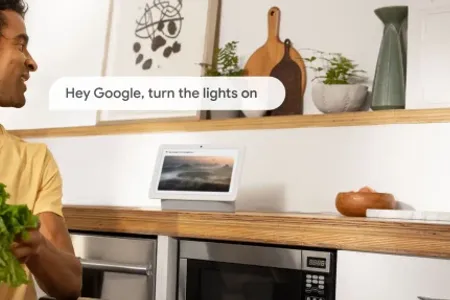
Voice control configuration extends smart home functionality beyond smartphone apps and physical switches. Setting up proper wake words that don't accidentally trigger from normal conversation prevents frustrating unintended activations. Creating logical device naming schemes that are easy to remember and pronounce ensures reliable voice command recognition. Organizing devices into groups and rooms enables convenient bulk control without needing to specify every individual device. Teaching family members standard voice command syntax prevents confusion and failed commands that undermine confidence in voice control capabilities.
Energy management through smart home technology delivers measurable cost savings when implemented thoughtfully. Smart plugs eliminate vampire loads from entertainment and computer equipment that otherwise consume power continuously even when turned off. Scheduling lighting and heating to match actual occupancy patterns avoids wasting energy on empty spaces. Monitoring energy consumption through smart meters and connected appliances reveals usage patterns and identifies opportunities for additional savings. Comparing energy costs before and after smart home implementation quantifies return on investment and validates whether specific devices deliver promised efficiency improvements.
Seasonal adjustment of smart home systems ensures optimal performance throughout the year as daylight hours shift and weather conditions change. Automated lighting schedules based on sunset times adapt automatically without manual intervention as seasons transition. Climate control automation accounts for seasonal temperature ranges, running heat pumps and air conditioners efficiently within their optimal operating parameters. Outdoor sensor placement consideration ensures snow accumulation and direct sunlight don't interfere with motion detection or temperature measurement accuracy. Planning for extreme weather ensures critical systems remain operational during power outages through battery backup or generator integration.
Troubleshooting methodology forms an essential skill for maintaining reliable smart home operation over years of use. When problems arise, systematic diagnosis starting with simple explanations like power issues or network connectivity prevents wasting time on complex investigations when obvious causes exist. Isolating variables by testing individual devices separately helps identify whether problems stem from specific hardware or broader system issues. Documenting successful troubleshooting steps creates personal knowledge base that accelerates future problem resolution. Many common issues repeat across different devices or situations, making documentation investment worthwhile for long-term system maintenance.
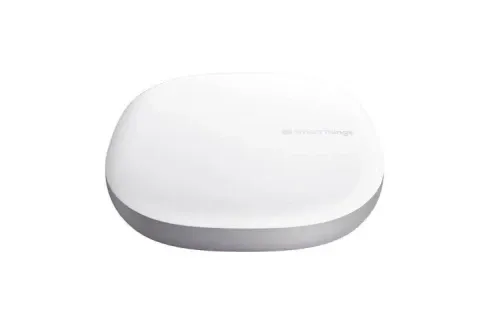
Scaling smart home systems beyond initial installations requires planning to avoid hitting capacity limits or creating performance bottlenecks. Hub devices supporting limited numbers of connected products eventually require replacement with more capable models or addition of secondary hubs to distribute load. Network bandwidth becomes constrained when dozens of wireless cameras stream video simultaneously, potentially requiring network infrastructure upgrades. Understanding these scaling limitations before they become problems enables proactive capacity planning that prevents frustrating limitations as your system grows. Modular expansion approaches that add capability incrementally work better than attempting comprehensive whole-home automation in single massive installation.
User experience optimization ensures smart home systems actually improve daily life rather than adding complexity and frustration. Automations that fail unreliably create more work than manual control, undermining confidence in the entire system. Interface design matters enormously, with well-organized control apps enabling quick access to frequently used functions while hiding complexity that casual users don't need. Family member training helps everyone understand system capabilities and proper usage patterns, preventing frustration from trying to use features incorrectly. Regular system reviews identifying unused automations or problematic devices keeps your setup lean and focused on features that actually deliver value rather than accumulating technical debt from abandoned experiments.
Long-term smart home ownership reveals that successful systems balance capability with maintainability. Overly complex configurations become difficult to troubleshoot and modify as time passes and original implementation details fade from memory. Simplicity in automation logic makes systems more reliable and easier for family members to understand when you're unavailable for technical support. Choosing devices with strong manufacturer support track records protects against product abandonment that leaves you with unsupported hardware. These considerations matter more than bleeding-edge features that may prove unreliable or poorly supported over the years you'll actually use your smart home system.