
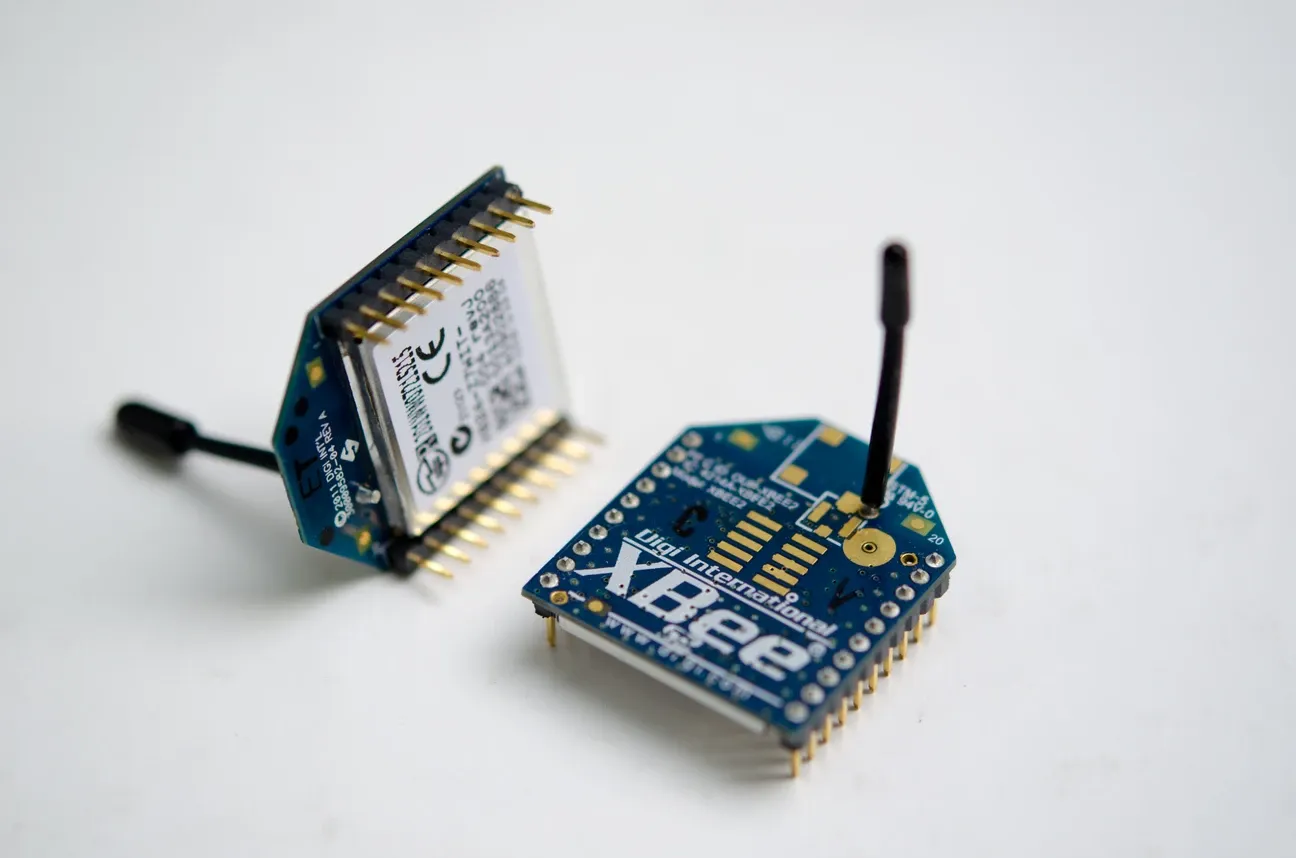

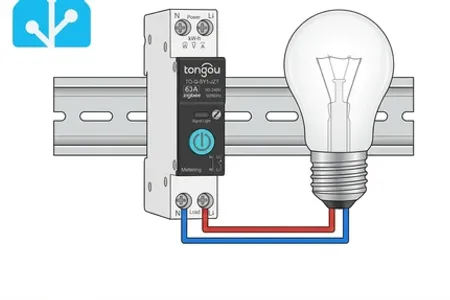
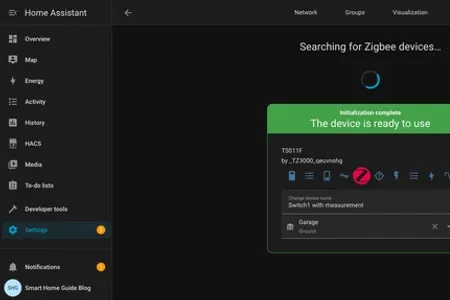


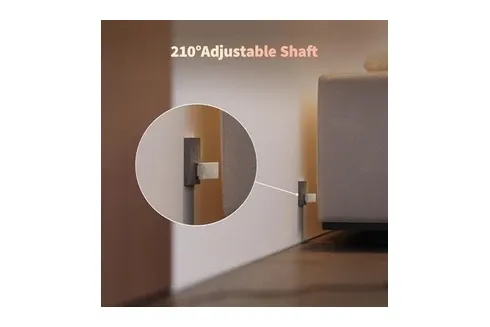
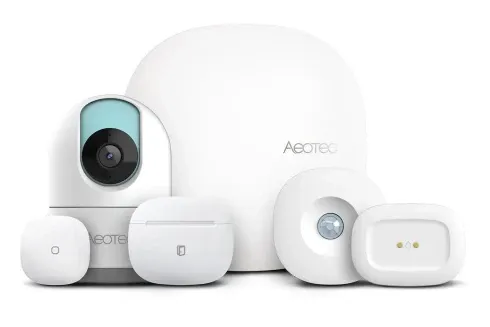
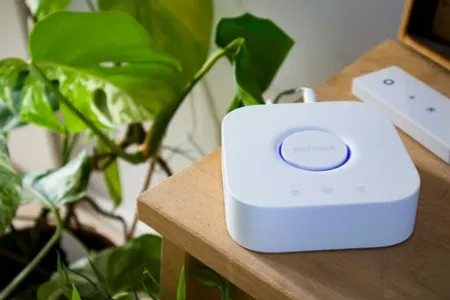
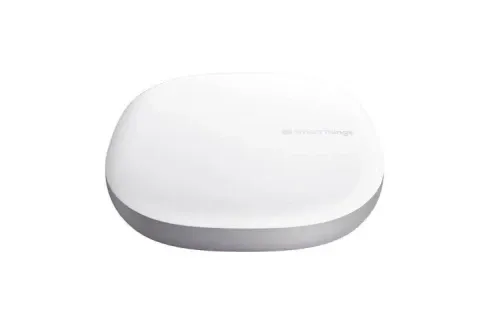
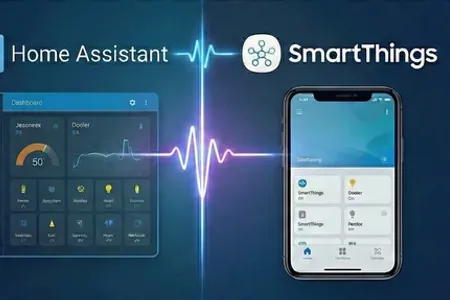
ZigBee is a leading wireless communication standard that powers many of today's most advanced smart home technologies. Built for low-power, high-efficiency connectivity, ZigBee offers seamless integration for a wide array of home automation devices. From intelligent smart lighting to responsive motion sensors, ZigBee enables a smarter and more connected living environment with minimal energy usage.
Discover Why ZigBee Is Essential for Smart Homes
Homeowners looking to explore the benefits of ZigBee technology will find a robust and scalable platform for smart automation that ensures seamless control, reduced energy costs, and long-term device compatibility across a growing smart home ecosystem. Built on a mesh network, ZigBee connects all your smart devices for uninterrupted performance and enhanced reliability. It's especially beneficial in homes with numerous devices, as ZigBee ensures each one remains in sync and intelligent through its self-healing network.
Outstanding Features of ZigBee
- Extremely low energy consumption, ideal for battery-powered devices.
- Capable of handling large numbers of connected devices without signal drops.
- Cross-compatibility with popular smart home hubs such as SmartThings and Amazon Echo.
- Secure, stable, and consistent communication between devices.
Whether you're automating your lighting, managing energy use, or improving your security setup, ZigBee provides the powerful infrastructure to do it intelligently and efficiently.
Best ZigBee Devices to Optimize Your Home
Taking the leap into a ZigBee-connected smart home starts with choosing the right equipment. Here are some of the most powerful ZigBee-enabled gadgets to consider.
Smart Bulbs That Sync Perfectly
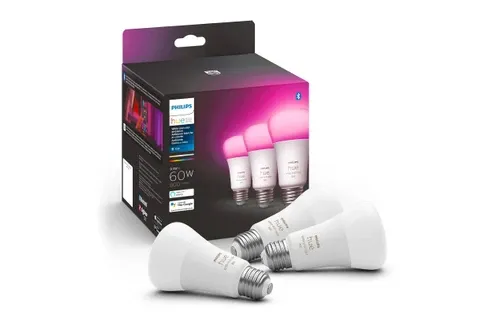
ZigBee smart lighting systems offer flexible illumination control with the ability to dim, schedule, and change colors through your central hub. These bulbs enhance ambiance while conserving energy, delivering style and sustainability in one. Popular options include the Govee floor lamp and Philips Hue white ambiance bulbs which pair perfectly with ZigBee hubs for centralized control and automation.
Smart Plugs for Ultimate Appliance Control
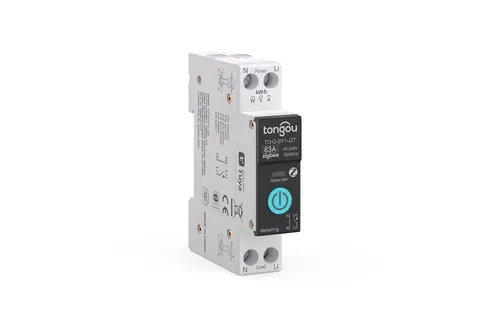
With ZigBee smart plugs, you gain remote control over everyday electronics. Automate on/off schedules, monitor real-time power usage, and create routines-all within your ZigBee platform. Many smart doorbell installations also integrate with ZigBee ecosystems for comprehensive home security monitoring and automation.
Motion Sensors with Instant Response
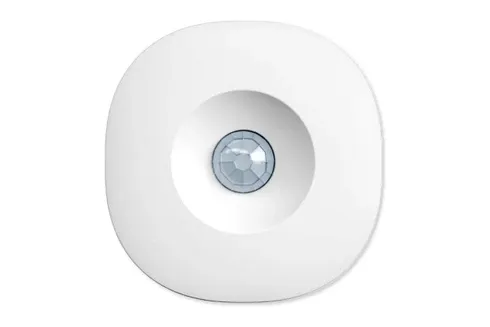
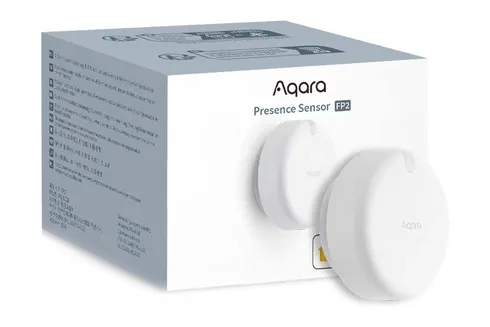
ZigBee motion sensors act as intelligent triggers for your home security system. Whether activating lights or sending alerts, they're a key part of a responsive and safe home environment. Aqara offers excellent options like the presence multi-sensor FP300 and the smart lock U200 Lite which integrate seamlessly with ZigBee networks for comprehensive home automation. Similarly, the ecobee room sensor provides occupancy detection for ZigBee-compatible thermostats, enabling room-level climate optimization. For comprehensive security monitoring, explore Arlo's smart home security features which complement ZigBee motion detection systems.
Building an Ecosystem with ZigBee
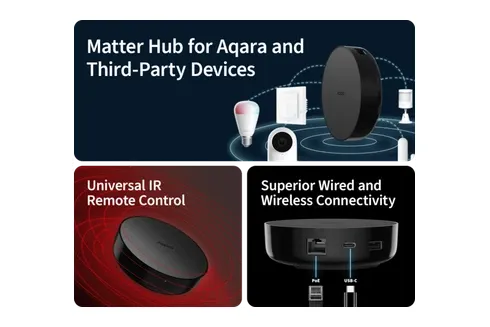
A ZigBee-enabled home supports total automation with consistent performance. The network grows stronger as you add more devices, which act as repeaters for others. This decentralized approach means that no single point of failure disrupts your smart home experience. Popular products like the Aqara hub with smart dials and the Govee floor lamp with advanced controls both support ZigBee, making them excellent starting points for building your connected ecosystem. Whether you're looking for affordable systems or premium equipment, ZigBee compatibility gives you maximum flexibility in device selection.
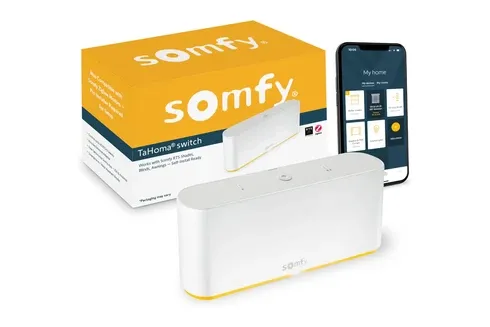
ZigBee-compatible sensors like the [TUO Contact Sensor with Matter and Thread support](/product/tuo/contact-sensor-with-matter-thread-support/) provide reliable door and window monitoring. The TUO Smart Button offers intuitive automation triggers. For energy monitoring, the Shelly Pro EM 4P integrates with ZigBee networks for comprehensive power management. The IKEA Dirigera hub expands ZigBee ecosystem options, while TCL smart devices add affordable automation choices. Advanced lighting options include the LIFX GU10 WiFi Smart Bulb, LIFX Outdoor Path Square, Nanoleaf Essentials Lightstrips, and Philips Hue Festavia Globe Outdoor String Lights. The Philips Hue Smart Button provides wireless control without hub dependencies. Smart plug options like the Wyze Plug, Tuya WiFi Strip Light, and Tuya WiFi Filament Light expand automation possibilities. Smart home control devices like the Aqara Cube T1 Pro offer multi-gesture support for complex automations. For computing options, the Raspberry Pi 1 Model B Plus serves as a DIY hub platform. Entertainment streaming with the Amazon Fire TV Stick HD brings voice control and smart home integration to your entertainment setup. For advanced comparisons of ZigBee vs other protocols, see our Somfy vs competitors smart home automation guide.
Steps to Start Your ZigBee Smart Home
- Select a ZigBee-compatible hub like Hubitat or Amazon Echo.
- Connect smart devices such as lights, switches, and locks to your hub.
- Customize routines for tasks like bedtime lighting or morning coffee.
- Grow your system by adding more devices as needed, including Aqara sensors, Govee lighting, and other compatible brands.
- Monitor your smart home performance through integrated dashboards and mobile apps.
Comparing ZigBee to Other Smart Home Protocols
When exploring the landscape of smart home technologies, it's important to understand how ZigBee stacks up against other popular communication protocols such as Z-Wave, Wi-Fi, and Bluetooth. Each has its unique advantages, but ZigBee offers a compelling balance of reliability, efficiency, and scalability that makes it a favorite for many smart home enthusiasts.
ZigBee and Z-Wave are both mesh network protocols, which means they extend their communication range by passing signals from one device to another. However, ZigBee generally supports a larger number of connected devices and transmits data at a faster rate. Wi-Fi-based devices often offer high-speed connectivity, but they can congest your home network and consume significantly more power, which isn't ideal for battery-operated sensors. Bluetooth, on the other hand, is more suited for short-range communication and lacks the mesh networking capabilities that make ZigBee stand out.
ZigBee also benefits from widespread manufacturer support and global adoption. With major brands like Philips Hue, Samsung SmartThings, Dyson, Huawei, and Woox embracing ZigBee, it's easier than ever to build an interoperable multi-device system where all components communicate effectively. This makes ZigBee not only a practical choice but also a future-proof one for building out your smart home environment. As Matter and Thread continue evolving, ZigBee remains a cornerstone of modern home automation that homeowners rely on. ILIFE Robotics and Player devices also support ZigBee for enhanced home automation capabilities. Whether you're using budget-friendly options or premium equipment, ZigBee compatibility ensures broad device support across your ecosystem.
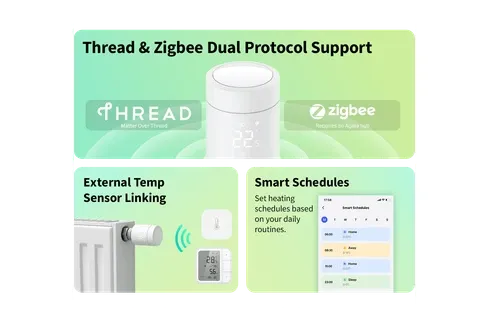
As more homeowners explore smart home upgrades, ZigBee continues to prove its value through real-world performance and everyday convenience. Its ability to maintain reliable connections even in large homes makes it ideal for setups with many devices spread across floors or outdoor areas. ZigBee also reduces interference thanks to its structured mesh design, which helps signals remain stable even when walls or obstacles are present. For users who want a simple, unified approach to automation without overwhelming their Wi-Fi network, ZigBee offers a balanced and dependable foundation that grows with each new device you add to your system. Popular guides like the Ecobee troubleshooting guide and smart doorbell installation guide provide practical advice for integrating ZigBee devices into your home network. Whether you're upgrading Apple HomePod setups or adding sensors like the Aqara hub or light switch, ZigBee supports a wide range of configurations. As emerging standards like Thread expand mesh networking capabilities, ZigBee remains complementary to these evolving technologies.
Final Thoughts: Empower Your Smart Home with ZigBee
By integrating ZigBee technology into your smart home, you're choosing a reliable, energy-efficient platform built for growth and longevity. Whether you're starting with a few bulbs or outfitting your entire home with sensors and controls, ZigBee delivers consistent performance and impressive flexibility. Invest in the future of home automation by switching to ZigBee-powered devices today.
The Future Growth of ZigBee Technology
As smart home adoption continues to grow, ZigBee is evolving to meet the rising expectations of homeowners who want systems that are easy to manage, secure, and energy-efficient. One of the most significant advantages of ZigBee is its ability to adapt alongside new smart home trends. While many people start with simple lighting automation, they often discover that ZigBee can support a full ecosystem of sensors, switches, thermostats, and security tools without adding strain to their home network.
ZigBee’s open standard ensures that devices from different manufacturers can work together in a harmonious and dependable way. This multi-brand support means you can build your setup step-by-step without feeling locked into one ecosystem. As more brands embrace interoperability through standards like Matter, ZigBee remains an essential backbone for many of the devices that homeowners rely on daily. Its low power usage makes it perfect for gadgets that need to run for months or even years on a single battery, making maintenance simpler and more affordable.
Another strength of ZigBee is its resilience in larger homes or multi-level buildings. Because each mains-powered ZigBee device acts as a repeater, your network becomes stronger and more reliable with every new node you add. This is a major advantage over Wi-Fi devices that often struggle with range or require additional hardware such as extenders or mesh routers. With ZigBee, your network naturally scales up as your smart home grows.
For those who want to make their homes greener, ZigBee also plays a key role in energy management. Combined with energy monitoring plugs, smart thermostats, and adaptive lighting, a ZigBee-based ecosystem can help significantly reduce energy waste. This not only saves money but supports a more sustainable lifestyle. The ability to automate lights, fine-tune climate controls, and manage power consumption from a single interface gives homeowners more control over their daily routines.
In the coming years, ZigBee is expected to remain a preferred choice for enthusiasts and beginners alike. Its strong foundation, proven reliability, and future-ready design position it as a leading technology for home automation. Whether you're upgrading an existing setup or building a smart home from the ground up, ZigBee provides the flexibility and long-term stability needed for a connected lifestyle. For a deeper dive into emerging smart home technologies, check out our guide on Google Nest features for home automation and explore innovative brands like Dreame, TUO, and Xiaomi that are expanding the ZigBee ecosystem with cutting-edge devices and seamless integration capabilities.
The technical architecture behind this protocol makes it particularly well-suited for environments where reliability matters most. Homes with thick walls, multiple floors, or large square footage benefit from the mesh networking approach that strengthens signal coverage with each additional device. Battery-powered sensors can operate for extended periods without requiring frequent replacements, reducing both maintenance effort and long-term costs. This combination of durability, efficiency, and scalability explains why so many homeowners continue choosing this technology as the foundation for their connected home projects.
Start your ZigBee journey today and experience the reliable, efficient, and future-proof smart home automation platform that thousands of homeowners trust for their connected living environments.
Take action now and build a ZigBee-powered smart home ecosystem that delivers years of reliable service, energy savings, and the convenience of truly integrated home automation.