














The modern household is evolving into a living network, and smart solutions sit at the heart of that transformation. By weaving sensors, wireless protocols, and adaptive software into everyday objects, these systems turn passive rooms into responsive environments that anticipate your needs and fine-tune resource use. Whether you crave lower utility bills, tighter security, or just a smoother morning routine, a well-planned smart ecosystem delivers noticeable gains without demanding constant attention.
Why Smart Solutions Matter
Traditional automation reacted only when commanded; today’s Smart Solutions learn, predict, and act on your behalf. As they collect data on lighting patterns, room occupancy, and weather forecasts, they craft routines that feel personal rather than programmed. The result is a home that greets you with perfect lighting, balances temperature before you notice discomfort, and quietly safeguards entry points while you sleep.
The Technology Behind the Magic
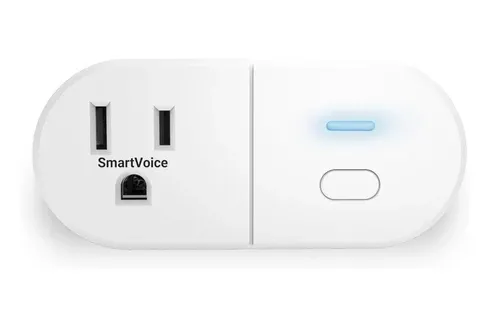
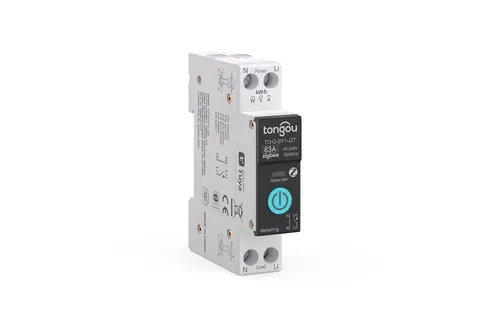
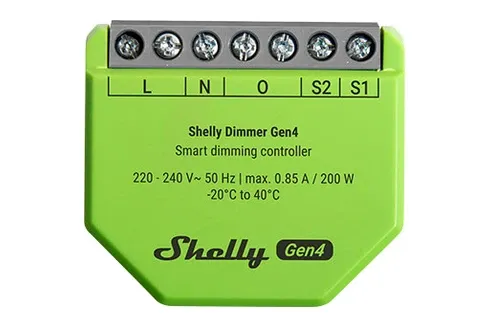
- Connected devices – bulbs, thermostats, locks, and plugs equipped with Wi-Fi, Zigbee, or Thread radios.
- A coordination hub or cloud service – interprets data and orchestrates devices with machine-learning logic.
- User interfaces – voice assistants, mobile apps, and dashboards that provide insight and quick control when needed.
Together these layers create a feedback loop: devices report status, algorithms suggest adjustments, and the home refines itself over time.
Key Benefits at a Glance
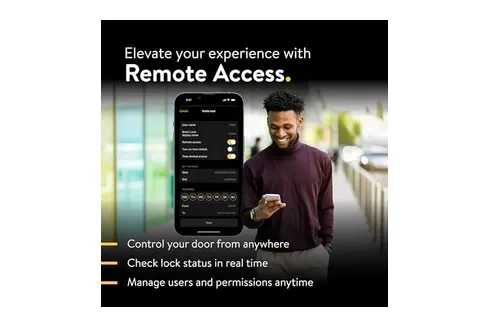
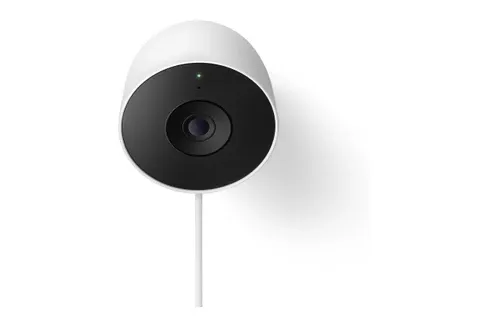
Smart Solutions deliver multiple compelling advantages for modern homeowners. Energy efficiency comes from heating and cooling cycles that adapt to occupancy and real-time tariffs, cutting waste significantly. Convenience is enhanced through hands-free voice prompts that start coffee, dim lights for movie night, or lock doors when you head out. Security is strengthened with smart cameras, sensors, and locks that send instant alerts and allow remote intervention when needed. Personalization means routines evolve from your actual habits, not rigid schedules, keeping comfort levels consistent throughout the day. Sustainability is supported through smart irrigation and appliance scheduling that reduce water and electricity demand, shrinking your carbon footprint over time.
Popular Smart Solutions Categories
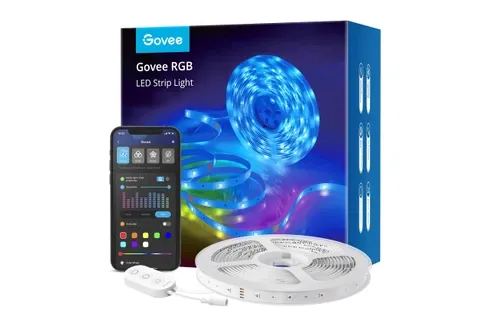
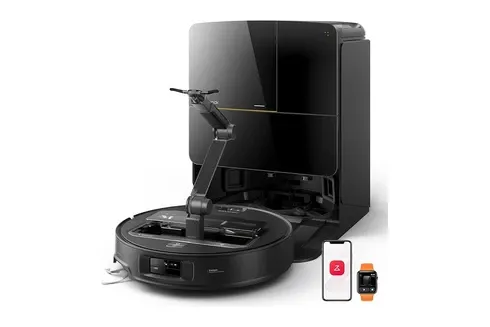
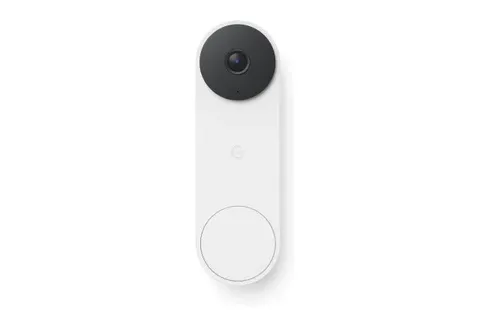
Smart lighting provides dynamic ambience and daylight harvesting capabilities that adjust throughout the day. Learning thermostats trim HVAC consumption by understanding your patterns and preferences. Video doorbells offer real-time visitor verification so you know who's at your door. Voice assistants act as central command points for your entire ecosystem. Leak and motion sensors prevent costly surprises by detecting problems before they escalate.
Building Your Smart Home Plan
Start with one pain point-perhaps unreliable security or rising energy costs-then expand gradually:
- Audit your space: Identify rooms where automation brings the biggest comfort or savings boost.
- Choose a platform: Confirm device compatibility with Matter, HomeKit, or your preferred voice assistant.
- Prioritise interoperability: Select products certified to work together out of the box.
- Update firmware regularly to patch vulnerabilities and unlock new features.
- Refine routines: After a week, review usage data and tweak schedules for even better performance.
By following these steps, you avoid “tech clutter” and ensure each addition strengthens-not complicates-your ecosystem.
Future Trends for Smart Solutions
Edge computing is shifting decision-making from distant servers to tiny chips inside devices, enabling faster, offline responsiveness. Meanwhile, artificial intelligence models are growing more energy-savvy, allowing thermostats to factor in real-time grid carbon intensity before running the furnace. Expect solar-aware appliances, context-sensitive lighting that supports circadian rhythms, and predictive maintenance alerts that schedule repairs before breakdowns happen.
Expanding the Value of Smart Solutions
Practical Steps to Get More From Your Smart Solutions
While many homeowners start with a single device, expanding your setup with intention ensures each addition enhances daily living instead of creating unnecessary complexity. A strong smart ecosystem thrives on thoughtful planning, steady optimisation, and regular evaluation of how well each tool serves your routine.
One way to strengthen your smart environment is to improve how your devices communicate. Many platforms now support multi-protocol hubs that merge Wi-Fi, Zigbee, Thread, and Matter into a unified network. This approach reduces connectivity issues and gives older devices a longer, more useful life. When your devices stay online consistently, your automation becomes more reliable and less frustrating to adjust.
Another key step involves monitoring your actual usage patterns. Many apps provide simple analytics dashboards that show when lights turn on, how often motion triggers occur, or how long your HVAC system runs. Reviewing this data every few weeks helps you understand where energy is wasted and where comfort drops. By making small adjustments-such as changing a schedule by 10 minutes or lowering brightness levels slightly-you can see meaningful improvements without large investments.
Smart Solutions also benefit from grouping devices by activity rather than room. For example, a "Morning Start" group can combine blinds, lights, speakers, and smart plugs across different areas of your home to act together with a single command. Activity-based grouping keeps routines flexible and avoids the rigidness that often discourages long-term use.
For families, shared controls make a big difference. Most platforms now support role‑based permissions so each household member can manage devices without risking unwanted changes to core automation settings. Giving children access to lighting or speaker controls while restricting security settings builds confidence and keeps your ecosystem running smoothly.
Finally, consider routine maintenance as part of your Smart Solutions strategy. Firmware updates, battery checks, and periodic device recalibration ensure long‑term stability. These quick tasks prevent inconsistent behaviour, reduce downtime, and help your home remain responsive year after year.
By approaching your smart ecosystem with curiosity and gradual improvements, you unlock capabilities that go far beyond simple on‑off control. Every update, routine, and device integration brings your home closer to feeling intuitive, supportive, and truly personalised.
Quick-Start Guide to Smart Solutions
The best way to begin your Smart Solutions journey is to pick one specific problem you want to solve. If winter heating costs are high, start with a smart thermostat. If you want hands-free control, begin with a voice assistant. Pick one device, master it, then add complementary tools. This incremental approach builds your knowledge while avoiding the overwhelm of a massive initial setup.
Investing in Smart Solutions is less about flashy gadgets and more about crafting a living environment that works quietly in your favor. Begin with a single device, learn its possibilities, then layer on sensors, hubs, and routines that solve genuine problems. The journey rewards you with lower bills, stronger security, and-perhaps most valuable of all-time returned to spend on the moments that matter.
As you continue to refine your Smart Solutions setup, each improvement-whether a new sensor, an automation tweak, or an upgraded hub-creates a living environment that supports comfort, security, sustainability, and peace of mind. The more intentional you are in shaping this environment, the more your home evolves into a responsive partner that enriches your everyday life.
As Smart Solutions continue to integrate with more areas of daily life, homeowners gain opportunities to personalise how their spaces respond to daily life. Adaptive learning engines refine routines based on behavioural cues, recognising patterns such as how you move through your home, when you prefer quiet lighting, or how temperature preferences shift with seasons. This contextual understanding enables Smart Solutions to make decisions that feel both natural and deeply personal.
Smart Solutions empower homeowners to take control of their domestic experience, making decisions that prioritize comfort, efficiency, and sustainability. Early adopters position themselves to benefit from innovations that protect their investment while maintaining future flexibility.
As you evaluate smart solutions for your own home, remember that the best system is one that you will actually use consistently. Overly complex setups often gather dust as residents find them too difficult to maintain or adjust. Conversely, well-designed systems that address real pain points become indispensable parts of daily life. Focus on solving genuine problems first, then expand gradually into more sophisticated automation. This pragmatic approach ensures sustainable adoption and genuine return on investment.
A Word About Implementation Planning
The transition to a connected home is deeply personal and depends on your particular circumstances. Your budget, preferences, and daily routines determine which products and features matter most. Some people focus on reducing household expenses through optimized heating and cooling. Others emphasize physical security with monitoring and access control. A third group prioritizes removing drudgery through task automation. All these approaches work well. The crucial factor is that your decisions reflect your values and priorities. Implementing gradually helps you understand how products work, clarify your own needs, and avoid expensive purchases that don't match reality. Users often find unexpected benefits once systems are installed, and phased installation lets you evolve accordingly. Furthermore, the marketplace moves fast with new standards, devices, and options arriving frequently. Taking time rather than doing everything at once preserves your flexibility to use new innovations without wasting prior investments. This gradual approach to implementation produces lasting, worthwhile systems aligned with household priorities for years ahead.
Making Smart Solutions Work for Real Life
The most successful smart home implementations share a common thread: they solve actual problems that people experience daily. Rather than buying devices because they sound impressive, effective Smart Solutions start with identifying genuine pain points in your household. Do you find yourself adjusting the thermostat multiple times throughout the day? Are you constantly worried about whether you locked the back door when leaving home? Do outdoor maintenance tasks consume hours of weekend time? These real challenges become the foundation for choosing the right Smart Solutions.
One critical insight from experienced users is that complexity is the enemy of adoption. The human brain can handle only so many automations before the system becomes too difficult to manage. This is why many experts recommend starting with just one or two devices and living with them for several weeks before adding more. This patience allows you to truly understand what works for your specific household, what needs adjustment, and what might not be necessary after all. Some people discover that a simple motion-activated light solves more problems than an elaborate scene with multiple devices. Others find that one smart thermostat provides more value than installing smart switches in every room.
Real-world implementation success also depends on understanding your own household's technology comfort level. Some families embrace tinkering with advanced settings, creating complex automations and learning programming concepts. Others prefer simplicity and want technology to remain invisible in the background. Neither approach is wrong. The key is matching your Smart Solutions to your household's preferences. Someone who finds technology frustrating will abandon an overly complex system, while someone who loves tinkering might feel bored with a basic setup. Honest self-assessment prevents expensive mistakes and ensures long-term satisfaction.
Budget considerations extend beyond initial purchase price. Many households spend more on subscriptions for cloud storage, premium app features, and advanced automation services than they initially expected. Planning for these ongoing costs from the start helps you make informed decisions about which features truly matter to you. Some people find that cheaper devices requiring more cloud dependency become expensive over time, while slightly more expensive local-control options prove more economical in the long run. Understanding these trade-offs takes thought and research, but pays dividends through years of home automation use.
The Human Element in Smart Home Success
Beyond technology specifications and features, the human element plays a crucial role in whether Smart Solutions actually improve daily life. Technology adoption research consistently shows that systems requiring constant tweaking or frequent troubleshooting get abandoned, while those that work reliably without much attention become genuinely helpful. This means that reliability matters more than having the newest features. A five-year-old smart thermostat that consistently maintains comfortable temperatures provides far more value than the latest model that crashes frequently or requires daily resets.
Family dynamics also significantly influence Smart Solutions success. In households with multiple generations, different family members may have vastly different comfort levels with technology. Grandparents might prefer simple voice commands, teenagers want advanced customization options, and parents need parental controls. The best Smart Solutions accommodate these different needs without forcing everyone into a single approach. This flexibility means choosing platforms that allow multiple access methods and customization levels rather than those that enforce a one-size-fits-all philosophy.
Trust in technology is another often-overlooked factor. People hesitate to adopt Smart Solutions when they don't understand how devices work or what happens to their data. Transparency about how systems function, where data goes, and what privacy measures are in place builds confidence. Users who trust their system are far more likely to use advanced features and recommend it to others. This is why companies that clearly communicate about security, local processing, and data handling tend to have more satisfied customers and higher long-term adoption rates.
Seasonal variations also affect how Smart Solutions perform and how valuable they are to different households. Someone in a cold climate gets enormous value from a smart thermostat, while someone in a temperate area might find less benefit. A household that experiences extreme summer heat uses air conditioning automation constantly, while a household with mild summers might not. Understanding your local climate and seasonal patterns helps identify which Smart Solutions will genuinely improve your household's situation rather than solving problems you don't actually have. This geographic perspective prevents wasted investment on features that sound nice in theory but don't address your real circumstances.
Start exploring Smart Solutions today and discover how intelligent automation can enhance your home's comfort, efficiency, and security while bringing convenience to your daily routines. The future of residential living belongs to those who embrace Smart Solutions thoughtfully and strategically, building homes that support their lifestyle while protecting their investment in an increasingly connected world.
The Path Forward for Your Connected Home
The transition to a smart home ecosystem represents a meaningful step toward a more responsive and efficient living environment. Your journey begins with understanding your specific household needs and priorities, whether that means reducing energy consumption, improving security, enhancing convenience, or achieving all three simultaneously. By starting small with one or two well-chosen devices, you build confidence in the technology while avoiding overwhelming complexity. As you live with your initial smart solutions, patterns emerge that reveal where additional automation would provide genuine value. Over months and years, your connected home evolves into a sophisticated system that understands your patterns, adapts to your preferences, and quietly handles tasks that previously required constant manual attention. This gradual approach transforms technology adoption from an intimidating overhaul into a natural, incremental process that fits your lifestyle rather than demanding you adapt to rigid automation. The most successful smart home implementations share this characteristic: they solve real problems that matter to the people living in the space, accumulating value with each addition rather than providing flashy features that rarely get used.