Essential Smart Speaker Features for Music Enthusiasts
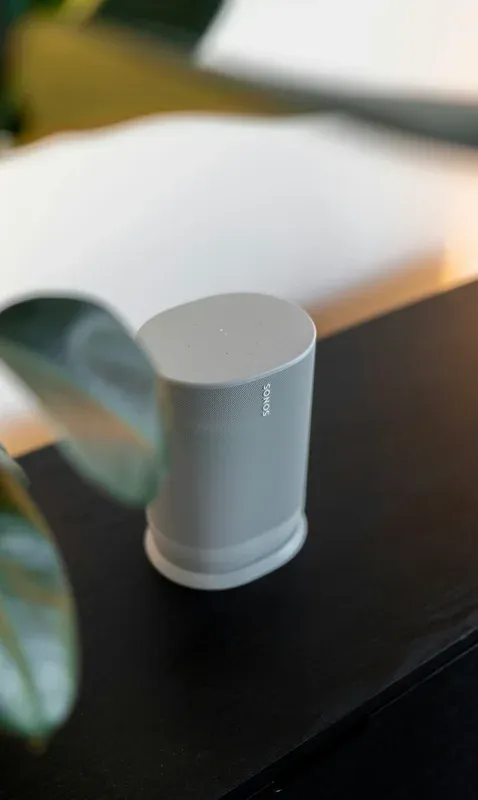

This post may contain affiliate links. As an Amazon Associate we earn from qualifying purchases. Disclosure.
Most smart speakers can play music, but few deliver the multi-room sync, lossless audio, and voice DJ controls that serious listeners actually want.
The five must-have smart speaker features for music lovers are 360-degree sound quality, smooth Bluetooth connectivity, voice control integration, multi-room audio capability, and broad streaming service support. Speakers with room calibration and lossless audio support deliver the best listening experience.
Bottom line: The five essential smart speaker features for music lovers are 360-degree sound quality, Bluetooth connectivity, voice control integration, multi-room audio, and broad streaming service support. Speakers with room calibration and lossless audio deliver the best listening experience.
In today's fast-paced world, smart speakers have transformed how we experience music. Gone are the days when speakers were just a tool to amplify sound. Now, they offer a plethora of features that enhance music listening for every audiophile. If you're a music lover, these five must-have smart speaker features will take your listening experience to the next level. Personally, I think 360-degree sound is the most oversold spec of the bunch, what actually changes what you hear is lossless codec support, and most speakers under $150 still quietly skip it.
Why Is Exceptional Sound Quality Important in Smart Speakers?
The most critical feature for any music lover is undeniably sound quality. A smart speaker should provide clear, crisp audio with a balanced bass and treble. Discover speakers with advanced audio engineering that offer 360-degree sound, allowing the music to fill the room. Brands like Amazon and speakers equipped with Alexa technology have made significant strides in delivering exceptional sound, promising a truly immersive auditory experience.
The authoritative reference is Home Assistant official documentation, worth a look before you buy.
Why Does Smooth Connectivity Matter in Smart Speakers?
In the era of wireless technology, smooth Bluetooth connectivity is a non-negotiable feature. Your smart speaker should effortlessly connect with various devices, be it your smartphone, tablet, or laptop. This feature makes it particularly convenient to stream music from platforms like Spotify, Apple Music, or any audio streaming service you prefer. The beauty of smart speakers lies in their ability to integrate with your home automation system, ensuring that your music follows you from room to room. Pair your speaker with ambient lighting like the Govee Smart Ceiling Light or LIFX Candle Color to create mood-matched scenes, and use a Tapo Mini Plug to power on your speaker setup with a single voice command.
How Does Voice Control and Integration Work in Smart Speakers?
Voice assistants are the cornerstone of smart technology. With options like Google Assistant embedded in smart speakers, you have the luxury of controlling your music with just your voice. Whether you want to skip a track, adjust the volume, or switch playlists, voice commands make it effortless. The convenience of hands-free control transforms any house task into an enjoyable experience with your favorite tunes.
How Does Multi-Room Audio Capability Work?
A feature that brings joy to all music aficionados is multi-room audio. This allows you to play the same song throughout multiple rooms or different tracks in each room, all controlled via a single device. Imagine hosting a party where your guests enjoy a synchronized music experience across every corner of your home. This feature is a staple in smart speakers from brands like Google and Sonos, ensuring your musical journey is uninterrupted as you move around.
What Smart Streaming Services Do Smart Speakers Support?
Integrating with multiple streaming services is important for an enriching music experience. Your speaker should support various music platforms, providing you the freedom to choose from a wide array of songs, albums, and playlists. Whether you are an enthusiast of classical tunes or a pop music fan, having access to diverse libraries improves your music listening adventure. This flexibility lets you tailor your musical environment to suit your mood and occasion.
Quick Recap: Must-Have Features
- Exceptional Sound Quality: Look for clear, 360-degree audio to enhance your listening experience.
- Smooth Connectivity: Ensure easy pairing with all your devices using Bluetooth.
- Voice Control and Integration: Enjoy hands-free control with voice assistants like Google Assistant and Alexa.
- Multi-Room Audio: Play music across multiple rooms or manage different tracks in each area.
- Streaming Service Integration: Access a wide range of music platforms to suit your tastes.
Investing in a smart speaker with these features transforms not just how you listen, but how you enjoy music within your home environment. The fusion of advanced technology with everyday convenience makes these devices indispensable for music lovers. As you explore options, prioritize the features that align with your lifestyle and immerse yourself in a musical experience that is nothing short of extraordinary. Whether you're hosting a party, relaxing at home, or exploring new genres, your smart speaker will be your ultimate music companion.
These essential features are what all music enthusiasts need to get the most out of a smart speaker investment. Experience the next level of music enjoyment with smart speakers that improve your audio escapade every single day.
As spatial audio and lossless streaming become more widely available across music platforms, the gap between dedicated hi-fi systems and smart speakers continues to narrow. Newer speaker models are incorporating computational audio techniques that analyze room acoustics and adjust output accordingly, delivering a tailored listening experience regardless of where you place the device. Keeping an eye on these developments ensures that your next speaker purchase delivers the best possible sound for years to come.
How Do You Get the Most From Your Smart Speaker?
Owning a speaker with the right features is only the first step. The real value comes from learning to use it in ways that fit your actual listening habits.
Set up speaker groups before your next gathering. In both the Google Home and Alexa apps, grouping speakers by room or zone takes under two minutes. Once grouped, you can start music in every room with a single command like "Play jazz everywhere" and adjust individual room volumes without interrupting other zones.
Use alarms and routines to replace passive listening with intentional audio experiences. Schedule your morning alarm to play your preferred wake-up playlist rather than a standard chime. Set an evening routine that switches to a lower-energy playlist at a specific time, helping signal the transition to a quieter part of the day.
Explore lossless and high-resolution audio if your speakers support it. Amazon Music HD and Apple Music both offer lossless tracks at no extra cost on their standard subscriptions. Enabling this in the service settings requires only a toggle, but the improvement in clarity on capable speakers is immediately noticeable.
Calibrate room acoustics when the option is available. Amazon Echo Studio and some Sonos models include an automatic room calibration feature that uses the built-in microphone to measure how sound reflects in your specific space, then adjusts the EQ profile accordingly.
Quick tips for daily use:
- Ask your speaker to "resume" a paused podcast rather than searching for where you left off
- Create a "Focus" playlist group that plays across your workspace speakers simultaneously
- Use voice shortcuts to switch input between Bluetooth and Wi-Fi streaming modes
- Enable announcements so that timers and reminders play through every speaker in the house
Regular exploration of your speaker app's settings menu often reveals features you did not know existed, including updated equalizer controls, new streaming partnerships, and expanded smart home integrations.
Building a multi-room speaker setup also opens the door to whole-home audio experiences that were previously reserved for custom-installed systems costing thousands of dollars. Grouping speakers by zone lets you play the same playlist throughout your home during gatherings or assign different music to each room based on the activity taking place. The ability to manage all of these zones from a single app or voice command simplifies what used to be a complicated wiring and receiver configuration process, making high-quality distributed audio accessible to any household. For objective audio quality measurements and frequency response data across smart speaker brands, the RTINGS.com smart speaker test methodology provides standardized benchmarks to compare sound quality before you buy.
Curious about the underlying standard? It is documented at Alexa smart home device documentation.
How Do You Get the Most Out of Your Smart Speaker Daily?
Smart speakers work best when integrated into your daily routine. Setting up morning routines that combine weather reports, calendar reminders, and smart home control creates a smooth start to each day. Evening routines can dim lights, set thermostats to sleep temperature, and start relaxing music with one command.
For music, getting artist and track names recognized matters most. Alexa learns your pronunciation over time, but consistent phrasing helps; say the same station or playlist name the same way and the misfires drop off quickly.
What Are Smart Speaker Network Requirements?
Music streaming is less forgiving of a weak signal than voice commands are. Keep the speaker within 20 to 30 feet of the router, and if you have a dual-band setup, the 5GHz band usually holds a cleaner stream.
Music lovers should mind the band split: 5GHz carries a cleaner, higher-bitrate stream when the speaker sits near the router, while 2.4GHz trades quality for reach. If playback stutters, the band is the first thing to change.
How Do You Manage Smart Speaker Privacy Controls and Data?
Managing your smart speaker's data collection is straightforward through the companion app. Both Amazon Alexa and Google Assistant apps include dedicated privacy sections where you can review, pause, or delete voice recordings. Setting up automatic deletion schedules removes recordings after 3 or 18 months without manual intervention.
Even mid-playlist, the hardware mute button cuts the microphone while the music keeps playing. The LED tells you it is off. It is the simplest privacy control on the speaker, and it never interrupts whatever is streaming.
How Do You Troubleshoot Common Smart Speaker Issues?
If the music cuts out and the speaker stops answering, pull the power for 30 seconds. After it reconnects, playback control returns within a minute. It is blunt, but it clears temporary glitches faster than anything in the app.
Connection drops between your speaker and smart home devices often stem from network congestion. Rebooting your router alongside the smart speaker clears both connection layers simultaneously. If problems persist, checking for firmware updates through the companion app often reveals pending fixes that address connectivity issues.
How Do You Set Up Multi-Room Audio Groups?
Creating speaker groups transforms individual smart speakers into a whole-home audio system. Through the Alexa app or Google Home app, you can group multiple speakers to play synchronized music throughout your home. Playing the same track across all rooms creates an immersive listening experience during parties or while doing household tasks.
For music lovers this is the upgrade that matters: pair two identical speakers into a real stereo set, placed several feet apart at ear level. The separation reshapes music and, with a compatible TV, widens movie soundstages too.
Frequently Asked Questions
What are the most important smart speaker features for music?
The five essential features are exceptional 360-degree sound quality, smooth Bluetooth and Wi-Fi connectivity for streaming, voice control through Alexa or Google Assistant, multi-room audio capability for synchronized playback across rooms, and integration with multiple streaming services like Spotify, Apple Music, and Amazon Music HD.
How do I set up multi-room audio with smart speakers?
In the Alexa or Google Home app, create speaker groups by room or zone. This takes under two minutes. Once grouped, start music in every room with a single command like "Play jazz everywhere" and adjust individual room volumes independently. Stereo pairing of two identical speakers creates true left-right stereo for an even better experience.
Do smart speakers support lossless audio quality?
Yes, some smart speakers support lossless and high-resolution audio. Amazon Music HD and Apple Music both offer lossless tracks at no extra cost on standard subscriptions. The Amazon Echo Studio and some Sonos models include automatic room calibration that adjusts EQ based on your room acoustics for optimal playback quality.
How do I improve smart speaker sound quality in my room?
Use the automatic room calibration feature available on Amazon Echo Studio and some Sonos models. This uses the built-in microphone to measure how sound reflects in your space and adjusts the EQ profile. Position speakers away from walls and corners, and place stereo-paired speakers several feet apart at ear level for the best effect.
Can I use smart speakers with multiple streaming services?
Yes, most smart speakers support multiple streaming platforms including Spotify, Apple Music, Amazon Music, YouTube Music, and Pandora. You can switch between services using voice commands or the companion app. Having access to diverse music libraries lets you choose the best platform for different genres and moods.