Google Ditches Beloved Nest Devices: Your Smart Home

This post may contain affiliate links. As an Amazon Associate we earn from qualifying purchases. Disclosure.
Google Nest has announced the discontinuation of several beloved devices, sparking concerns about the future of smart homes.
The recent announcement by Google Nest to discontinue several long-standing and beloved smart home devices has sent ripples through the tech community.
This is the news-and-what-to-do-next piece. If you're new to the ecosystem and wondering what's still safe to buy, our complete Google Nest review covers the current lineup that Google is actually committed to. My take on the discontinuations: this is exactly why buying deeper into any single-vendor ecosystem is a gamble. Matter isn't marketing fluff here, it's the only real insurance against a company killing your gear on its own schedule.
Bottom line: Google discontinued the Nest Secure alarm system and Nest x Yale Lock but continues investing in thermostats, cameras, and displays. Existing devices still work, but users should plan upgrades toward Matter-compatible alternatives that are not tied to a single ecosystem.
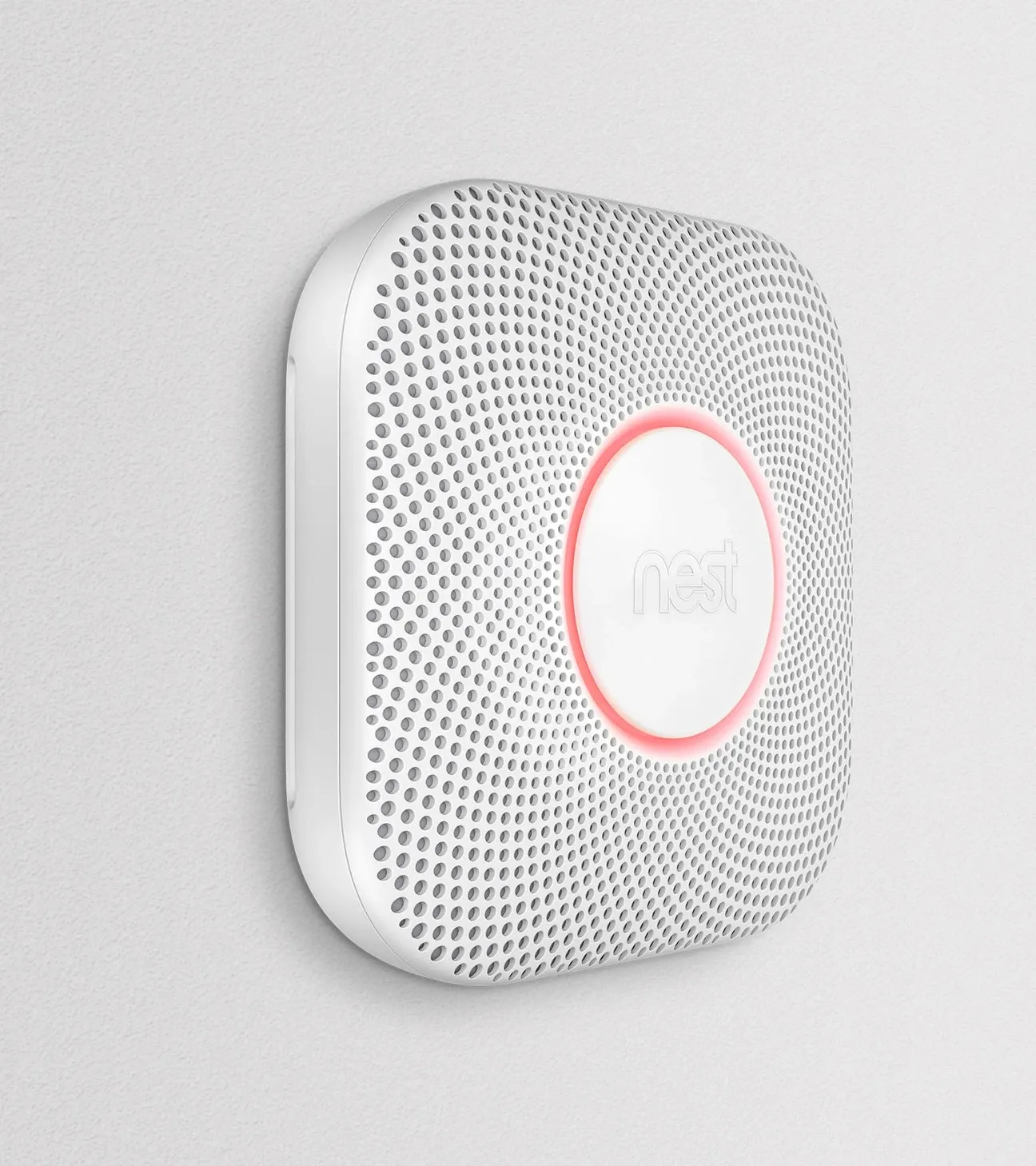
Having used Nest Protect smoke detectors and the Nest x Yale Lock for several years, the discontinuation announcement required a direct reassessment of the home security setup - specifically, whether to invest in replacements within the Google ecosystem or switch to a platform with a stronger hardware update track record. The decision to end production on the Nest Protect and Nest x Yale Lock has left users wondering about Google's commitment to the smart home space. However, reassurances from Google Nest indicate that this move is not a retreat but rather a strategic step towards innovation and future growth.
Google Nest's decision to discontinue these devices comes as part of a broader strategy to refine its product portfolio. Despite ending support for some older devices like the Nest Secure, which includes the Nest Guard and other associated security devices, Google is emphasizing its ongoing investment in new technologies. This includes recent releases such as the 4th-gen Nest Learning Thermostat and the Google TV Streamer, highlighting Google's continued focus on integrating entertainment and smart home functionalities easily.
What Did Google Actually Discontinue and When?
Understanding exactly which products were cut helps separate real concerns from speculation:
Primary documentation sits at Thread Border Router documentation for readers who want proof.
- Nest Secure system (Nest Guard + Nest Detect sensors): Stopped selling in November 2023. Existing users retain cloud service access, but Google has not committed to a permanent end-of-service date.
- Nest x Yale Lock: Discontinued as part of the Nest Secure ecosystem wind-down. Existing locks continue working with the Google Home app, but no hardware replacement has been announced.
- Nest Protect: As of 2025, the Nest Protect (2nd generation) is still sold and supported. However, no hardware refresh has been announced since its 2015 revision, raising questions about its long-term future.
- Nest Hub smart displays: The Nest Hub (2nd gen) and Nest Hub Max remain active products. No discontinuation announcement as of early 2025.
- Google Nest Mini: Last updated in 2019. No 3rd generation has shipped, though Google continues selling the 2nd gen.
The pattern shows Google exiting the security system segment (Nest Secure) while maintaining its thermostat, camera, and display lines.
How Do You Understand the Shift in Google Nest's Strategy?
Google Nest's recent moves are part of a larger reorientation within the company, aimed at optimizing their offerings to better align with current market trends and technological advancements. The discontinuation of the Nest Protect and Nest x Yale Lock, both of which have seen limited updates in recent years, allows the company to concentrate on more forward-thinking projects.
While the discontinuation might initially suggest a pullback from hardware, Google is actively signaling that more smart devices are on the horizon. This includes potentially revamped smart speakers and smart displays, which have not seen updates since 2020 and 2021. The integration of the Google Gemini technology into these devices could be a significant factor in their development, enhancing user experience with more intelligent voice assistant capabilities.
The Future of Smart Home Tech
As the smart home industry continues to evolve, the integration of IoT devices, voice assistants (like Alexa and Google Assistant), and innovative technologies such as Google Gemini will play important roles. Google's future devices are expected to be highly integrated with these technologies, providing users with smooth home automation experiences.
- Smart Lighting Systems: These systems, often integrated with Philips Hue or LIFX bulbs, allow users to control lighting brightness and color dynamically, enhancing the overall ambiance of their homes.
- Smart Thermostats: Devices like the Nest Learning Thermostat optimize energy usage by learning and adapting to the user's schedule and preferences.
- Video Doorbells: Devices such as the Nest Doorbell offer motion detection capabilities, providing an additional layer of home security.
- Robot Vacuums: Models like those from iRobot and Eufy make home cleaning easier with autonomous vacuuming capabilities.
How Do You Prepare Your Smart Home for the Future?
In the face of these changes, consumers can prepare their homes by embracing newer technologies and devices. Here are a few strategies to future-proof your smart home:
-
Invest in Versatile Devices: Opt for devices that are compatible with multiple platforms, such as those that work with both Google Home and Amazon Alexa. This ensures flexibility in case of future shifts in the ecosystem.
-
Stay Informed: Keep abreast of the latest developments in smart home technology. This includes updates on new devices and software advancements that could integrate easily into your existing setup.
-
Focus on Energy Efficiency: Incorporating devices like smart thermostats and smart plugs can help reduce energy consumption, aligning with the green living movement and potentially lowering utility bills. Smart plugs such as the Tapo Smart Plug P125M and Tapo Mini Plug provide energy monitoring and scheduling that works across Google Home and Alexa ecosystems.
-
Enhance Security Measures: Implementing smart locks and smart cameras can significantly boost home security, providing real-time monitoring and alerts. Affordable options like the eufy Indoor Cam E220 for 2K indoor monitoring and the eufyCam 2C Pro for wireless outdoor recording offer local storage without subscription fees.
How Do You Embrace This Smart Home Transitional Phase?
This pivotal moment in the smart home ecosystem can be seen as a period of bracing-an intentional pause before major change. As Google ditches older models and prepares for the next wave of releases, users are encouraged to reassess their home setups. Transitioning smart home users will find that this phase offers an opportunity to evaluate which products offer the most long-term value.
Companies across the sector are bracing for a new era of home automation, in which integration, intelligence, and adaptability are key. Google's strategy ditches outdated designs not to retreat, but to clear the path for streamlined, AI-enhanced systems that can more effectively serve modern households. The smart home of tomorrow isn't just connected-it's adaptive, predictive, and context-aware.
The practical takeaway: don't replace working Nest devices before they stop functioning. When you do replace, prioritize Matter-certified alternatives that work across Google Home, Alexa, and HomeKit simultaneously, that way you're not locked into whatever Google decides to discontinue next.
By focusing on emerging technologies and maintaining a flexible approach to home automation, you can ensure a smooth transition into the future of smart living. Matter-certified devices from any manufacturer now work natively with Google Home, meaning the ecosystem continues expanding regardless of Google's own hardware decisions.
What Advanced Smart Home Integration Tips Help After Nest?
Connecting multiple smart home systems creates more powerful automation opportunities than any single platform enables alone. IFTTT's smart home automation platform provides a straightforward way to create cross-platform automations without technical programming knowledge. Connecting triggers from one system to actions in another opens possibilities unavailable within closed ecosystems.
API-based integrations for users comfortable with technical configuration provide deeper connectivity than consumer-facing integration options. RESTful API calls from Home Assistant, Node-RED, or custom scripts can query device states and trigger actions across platforms. This technical approach requires initial setup investment but unlocks unlimited customization potential without platform restrictions.
How Do You Optimize Smart Home Performance After Nest?
Network performance directly affects smart home responsiveness. Running smart home devices on a dedicated 2.4GHz network segment, separate from personal computing devices, reduces interference and prioritizes home automation traffic. Modern mesh router systems support IoT network segmentation through their management applications, implementing this separation without requiring technical network configuration.
When Google drops support for a Nest device, the firmware updates stop too, which is exactly when security gaps start to matter. If you're keeping an abandoned device anyway, isolate it on a guest network and stop trusting it with anything sensitive.
How Do You Build a Reliable Smart Home Foundation?
Infrastructure reliability determines overall smart home system quality more than individual device capabilities. Uninterruptible power supplies (UPS) for smart home hubs protect against brief power interruptions that would otherwise reset hub configurations and disconnect all managed devices. A small UPS providing 15-30 minutes of backup power covers typical utility fluctuations while giving time for graceful shutdown during extended outages.
Nest's cloud dependence is the real lesson here: when Google pulls the plug, or the servers go down, the device can lose features overnight. A cellular backup router won't bring back discontinued functions, but it keeps your still-supported gear online during an ISP outage.
How Do You Troubleshoot Common Smart Home Issues?
If an aging Nest device starts misbehaving after an update it will never get again, the usual restart-and-reconnect routine still helps. Beyond that, a device Google has abandoned isn't worth deep troubleshooting, so plan its replacement instead.
Automation failures frequently trace to changed device names, group memberships, or state values that break automation conditions written against previous configurations. Reviewing automation logs available in Home Assistant, SmartThings, and similar platforms identifies exact failure points and error messages. Searching these error messages in community forums typically surfaces solutions from other users who have encountered identical problems.
How Do You Handle Smart Home Privacy and Security Maintenance?
Smart home security requires ongoing attention beyond initial setup. Quarterly password audits verify that hub and device accounts use unique, strong passwords not reused across other services. Enabling two-factor authentication on platform accounts adds a critical security layer that prevents account compromise even if passwords are exposed in data breaches.
Network traffic monitoring through router management dashboards reveals devices communicating more than expected. A device sending large data volumes when no one is home may indicate privacy concerns or malware. Smart home device communications normally consist of small control messages and occasional status reports, not sustained high-bandwidth transfers. Unusual traffic patterns warrant investigation before assuming benign causes.
Frequently Asked Questions
What happens to my Nest Protect after Google discontinues support?
Nest Protect hardware continues functioning as a local smoke and CO alarm whether or not cloud services remain active - it doesn't need internet connectivity to detect smoke or trigger the alarm. Google Home app integration (notifications, silence commands, status checking) requires active cloud service. Google has not announced a specific end-of-service date for Nest Protect, but when support does end, users should replace units rather than relying on discontinued cloud features for safety-critical alerts. The Protect's 10-year sensor lifespan also means hardware replacement will be necessary regardless.
What should Nest x Yale Lock owners do now?
Existing Nest x Yale Locks continue working with the Google Home app and Yale Access app for basic locking, unlocking, and code management. The physical lock mechanism is unaffected by software changes. For replacement, the Yale Assure Lock 2 offers a newer platform with Matter/Thread support and works with Google Home, Apple Home, and Amazon Alexa - providing the cross-platform flexibility that the original Nest x Yale Lock lacked. If your Nest x Yale Lock is within the recommended replacement window (most smart locks have a 5-7 year hardware lifespan), prioritize upgrading to a Matter-compatible lock.
What are the best alternatives to discontinued Nest security devices?
For smoke/CO detection replacing Nest Protect: the First Alert Onelink Safe and Sound combines a smoke/CO alarm with a smart speaker and works with Amazon Alexa and Apple HomeKit. For a Nest-ecosystem replacement, no direct Google equivalent exists, so most users are migrating to standalone alarms. For the Nest Secure alarm system: Ring Alarm (Amazon ecosystem) and SimpliSafe offer comparable monitored security with professional installation options. Both integrate with Alexa; SimpliSafe added Google Home support in 2024.