















![Bosch Motion Sensor II [+M] - 13m Detection Range](/static/4bbcbf6111dfb2483e04bba3590a8eb6/6e1ed/bosch-motion-sensor-ii-product-shot-mini.webp)


Convenience sits at the heart of every successful smart-home strategy. When everyday actions become effortless, residents naturally focus on maximizing comfort and trimming waste rather than wrestling with complicated controls. This article explains how to weave that ease into your routines, showing you a complete roadmap that will improve Energy Efficiency without sacrificing lifestyle or style.
Why Convenience Drives Energy Efficiency
Many homeowners still view conservation as a chore, yet modern Smart Technology proves it can be the easiest path. Instead of continuously adjusting thermostats or switching off lights, connected devices take over through quiet Automation. You set a goal once; the system refines itself afterward, slashing kilowatt hours while giving you more free time.
By maximizing synergy between sensors, schedules, and intuitive apps, a smart home learns your patterns, reacts to weather forecasts, and optimizes usage in real time. The transformation feels like magic, but it is really carefully designed code working behind the scenes.
Smart Climate and Lighting Solutions
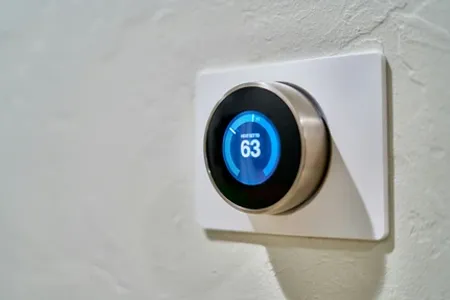
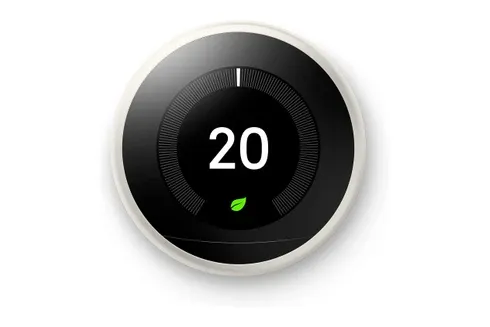
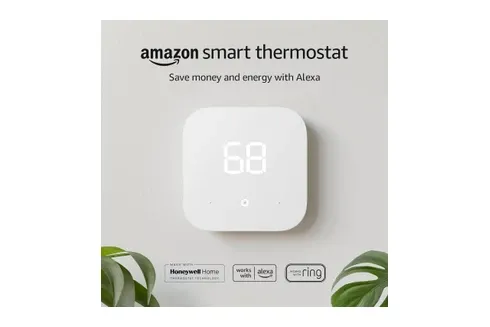
Heating and cooling typically dominate household power demands. Smart Thermostats recognise occupancy, local utility prices, and even pollen counts to deliver crisp air or gentle warmth only when needed. Because the thermostat handles timing with precision, temperature swings shrink, comfort rises, and bills fall.
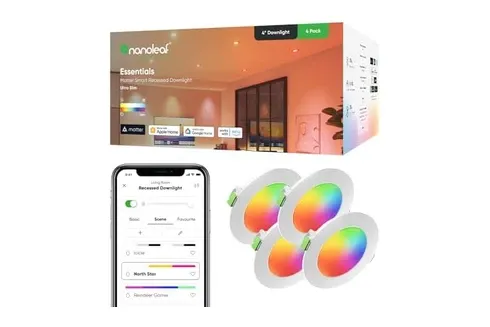
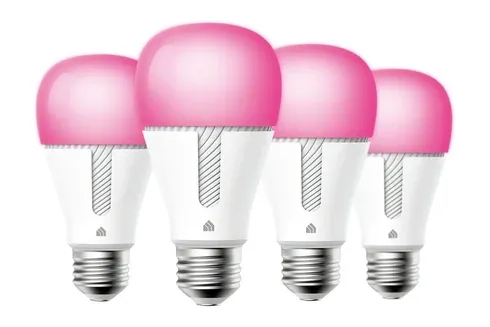
Lighting, the second-largest energy sink, benefits from Adaptive Lighting. Connected bulbs check natural daylight levels before deciding whether to brighten a room. When clouds move away and sunshine floods in, brightness dips automatically-no over-illumination, no button presses, just seamless comfort.
Key Convenience-Driven Savings
- Occupancy sensors dim lights and HVAC once everyone leaves.
- Weather-aware algorithms pre-condition rooms ahead of heatwaves or cold snaps.
- Voice and app shortcuts let you override settings instantly when plans change.
- Utility-rate data encourages heavy tasks during off-peak hours.
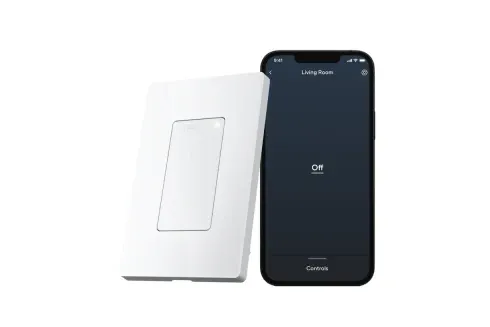
- Scene presets group devices, turning entire zones on or off with a tap.
Expanding these convenience-driven strategies reveals how deeply smart systems can reshape daily living. Many homeowners underestimate the compound effect of tiny, automated decisions, yet each optimized action contributes to a far more energy-efficient environment. For example, when a smart home shifts power-hungry tasks to off-peak hours, the benefit is twofold: the household reduces grid strain and takes advantage of lower utility rates. Over weeks and months, these subtle shifts deliver measurable financial savings without requiring constant attention from residents.
Another overlooked advantage comes from the collaboration between connected devices. When lighting, climate control, and occupancy sensors work together, the home can fine-tune comfort with extraordinary precision. Imagine walking from your bedroom into a hallway that lights softly only when motion is detected and dims again as you leave. Meanwhile, your HVAC system adapts to your morning routine, pre-warming the kitchen before you arrive. None of these actions demand buttons or apps; they happen quietly, blending into the background of everyday life.
These examples demonstrate that a smart home’s value lies not only in cutting costs but in enhancing the lived experience. Energy efficiency becomes an effortless byproduct of thoughtful automation, helping households stay comfortable, reduce waste, and build habits that support long-term sustainability. As technology evolves, these conveniences will continue to grow, making proactive efficiency the norm rather than the exception.
Appliances and Power You Can Trust
Modern kitchens and laundries now feature Intelligent Appliances that tailor cycles to load size and fabric type. A smart washer automatically selects cooler water, while a connected oven heats only as long as recipes demand-never longer. Together, they slash consumption without compromising performance.
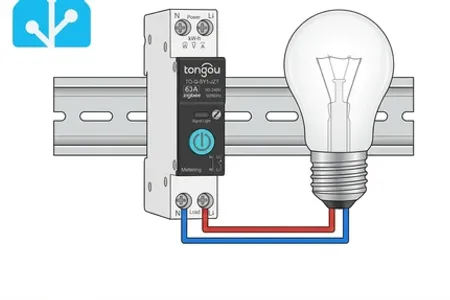
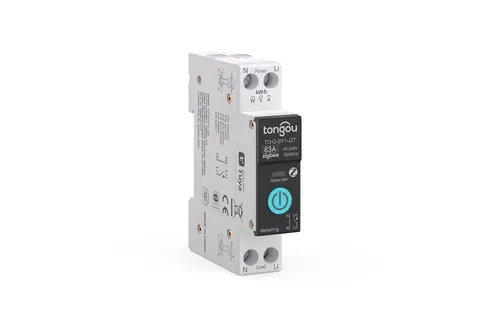
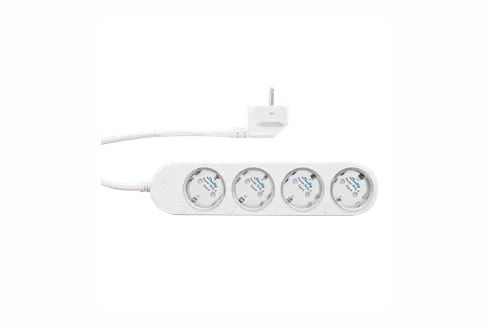
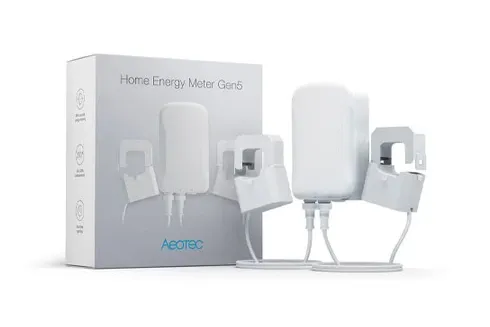
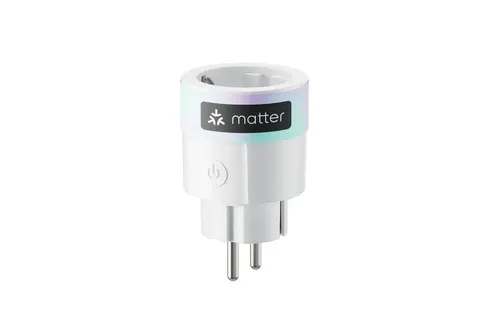
Tackling standby waste is easier with smart Power Management. Plugging televisions, consoles, and office gear into connected strips stops phantom loads the moment work ends. Remote dashboards offer Real-time Monitoring, so you see exactly where electricity escapes and correct it before the next bill arrives.
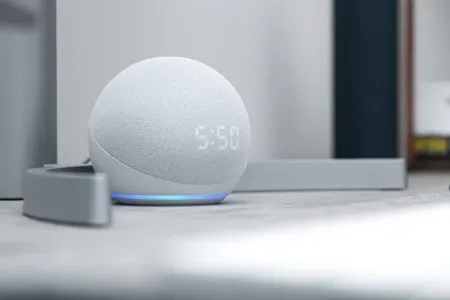
Need last-minute tweaks? Remote Control remains just a voice command away. Whether you forgot to switch off the iron or want mood lighting before guests arrive, your phone or smart speaker solves it instantly.
Renewables and Storage Made Simple
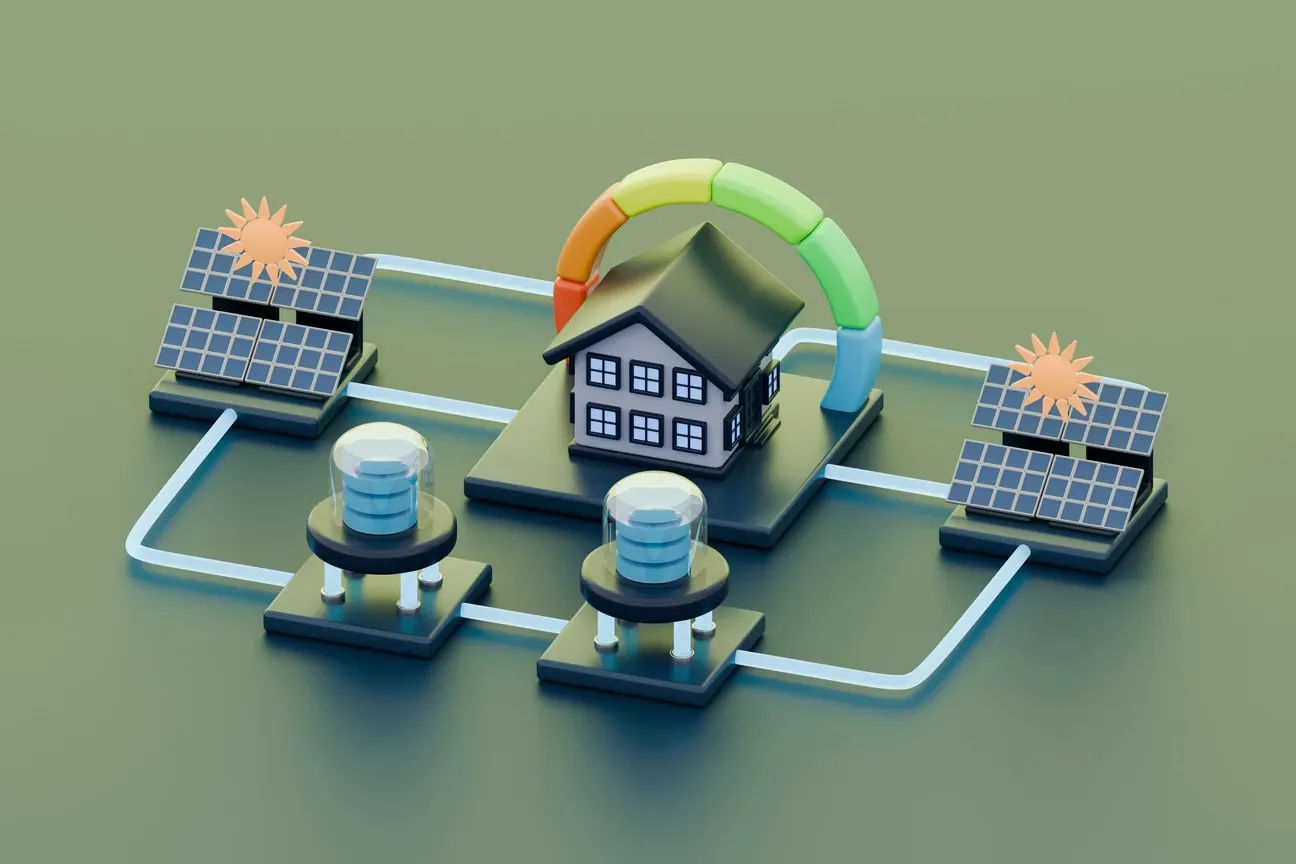
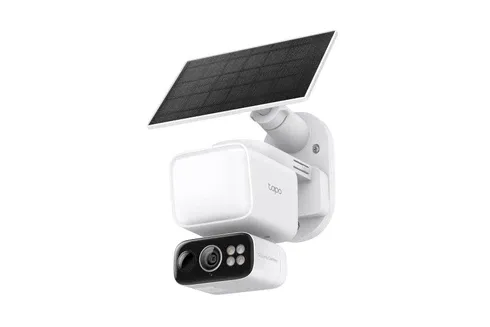
Adding Solar Panels once required spreadsheets and hourly checks. Today, your hub handles panel output, matches it to appliance demand, and stores surplus inside Battery Storage units without fuss. When clouds roll in or night falls, stored energy carries you through, reducing dependence on the grid and giving priceless resilience during outages.
Because the system understands peak-rate windows, it can schedule dishwashers and dryers at the most affordable times. The result is quieter afternoons, smaller spikes in demand, and Lower Bills across every season.
Future-Proof Intelligence
Artificial brains already lurk inside your thermostat, but tomorrow’s homes will rely on full-fledged Artificial Intelligence. These algorithms digest historical data, weather feeds, and real-time utility rates to optimize the household automatically. Layer in Machine Learning, and your dwelling begins predicting needs before you notice them, fine-tuning comfort while shrinking your Carbon Footprint with almost no human intervention.
Guided walkthroughs inside companion apps explain how each tweak saves money, offering a concise guide for new owners and tech-shy relatives alike. Over time, these insights help everyone at home appreciate the wins and confidently expand the system.
As smart ecosystems mature, homeowners gain access to even more refined coordination between devices, leading to deeper savings and smoother daily routines. One emerging trend involves predictive maintenance, where connected appliances diagnose inefficiencies long before they turn into costly repairs. A refrigerator may alert you to a failing seal, or a water heater may signal sediment buildup that affects heating efficiency. These early warnings not only reduce energy waste but also protect valuable home systems, ensuring they run at top performance with minimal intervention.
Another growing advantage lies in neighborhood-level optimization. Many modern hubs can share anonymized insights with local utilities, helping balance community energy loads during peak hours. When dozens or hundreds of smart homes shift heavy tasks slightly earlier or later, the entire grid becomes more stable. This reduces the risk of outages and lowers operational strain on power providers. In return, households often gain access to incentives or special rates that reward responsible usage.
As the landscape of connected living keeps moving forward, another compelling area of growth is personalized energy coaching. Smart home systems can now analyze trends in your daily behavior and provide simple, conversational suggestions that help you stay on track without feeling overwhelmed. These gentle nudges can include recommendations to run a particular appliance earlier in the day, reminders to activate an energy-saving mode before bedtime, or insights showing which rooms consume more power than expected. Because these suggestions come in human-friendly language rather than technical reports, they help every member of the household understand how small choices add up over time.
The impact becomes even more noticeable when these systems support hybrid households that combine traditional devices with modern smart gear. For example, even if your home uses older lighting fixtures or legacy HVAC components, smart plugs, occupancy sensors, and monitoring tools can bridge the gap. By pairing older equipment with intelligent layers of automation, you unlock meaningful savings without undergoing a full remodel. This approach is especially helpful for renters or homeowners who want to make progress without committing to permanent installation changes.
Community-level energy sharing is another emerging frontier. Smart homes can participate in virtual power plants that let households contribute stored solar energy back to the grid during peak demand. While participation varies by region, this collaboration allows neighbors to support one another indirectly and stabilizes local infrastructure in a sustainable way. Households that take part often receive incentives, credits, or reduced rates, making the choice both ethical and economical.
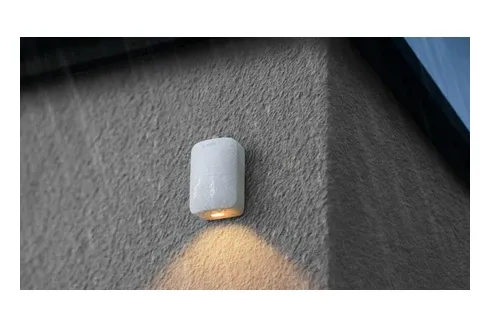
Outdoor automation continues expanding as well, giving homeowners more opportunities to reduce waste without lifting a finger. Advanced irrigation controllers use hyperlocal weather forecasts and soil sensors to deliver water only when plants truly need it. Smart patio lighting adjusts brightness based on motion or sunset schedules, ensuring outdoor spaces stay safe and comfortable without consuming unnecessary power. Over the course of a year, these incremental improvements amount to significant reductions in water and electricity consumption.
Taken together, these developments illustrate how energy efficiency is no longer limited to indoor systems or large renovations. It is a whole-home, whole-lifestyle evolution shaped by continuous learning, adaptive automation, and an ecosystem that grows alongside your needs. With every new innovation, smart homes become more capable of supporting sustainable living while keeping comfort at the forefront.
Looking across the broader landscape of home innovation, one more transformative shift involves the growing use of adaptive zoning. Instead of heating or cooling the entire home at once, intelligent systems can now tailor conditions to specific areas based on real-time occupancy. This targeted approach reduces unnecessary energy use while increasing comfort in the rooms that matter most. For families with diverse schedules, adaptive zoning ensures everyone enjoys the right conditions without wasting resources in unused spaces.
Another promising development appears in the field of material science. Future smart homes may rely on advanced insulation materials that adjust their thermal resistance depending on indoor and outdoor conditions. When paired with existing automation, these materials can further minimize energy loss, creating a sealed, efficient envelope that responds dynamically to weather fluctuations. This integration would make heating and cooling systems more effective while reducing strain on household devices.
Smart homes are also moving toward deeper customization features that learn not only patterns but personal preferences. By tracking comfort levels over long periods, these systems can refine how they deliver heating, lighting, and appliance usage. Whether someone prefers cooler temperatures at night or brighter spaces during work hours, the home adapts automatically. These intelligent refinements help maintain efficiency without compromising individuality, making smart living feel even more intuitive and rewarding.
Conclusion
Looking ahead, the drive toward smarter, more energy-conscious living will continue to accelerate as devices gain deeper awareness of both individual habits and broader environmental conditions. By layering intuitive controls with predictive features, homeowners can enjoy a future where efficiency feels effortless and comfort remains constant throughout the year. Even small adjustments, when multiplied across an entire household, create meaningful progress toward sustainability. As these systems advance, they will make energy-saving decisions smoother, faster, and even more invisible-helping every home become a model of modern, eco‑friendly living without compromising ease or enjoyment. The combination of IoT devices, renewable energy integration, and intelligent automation creates a powerful foundation for households seeking both financial savings and environmental responsibility. Whether you start with a single smart thermostat or build a comprehensive connected ecosystem, each step brings you closer to a home that works smarter and consumes less.
By embracing these technologies and practices, homeowners can achieve lasting improvements in energy efficiency that benefit both their budgets and the environment for years to come. The journey toward a more efficient home is ongoing, and each technology adopted strengthens your commitment to sustainable living.
The path to greater energy efficiency is both practical and rewarding. Whether you begin with a smart thermostat that learns your habits or progress toward a fully integrated smart home ecosystem, every step matters. Modern homes that prioritize efficiency not only reduce utility costs and environmental impact but also provide superior comfort and convenience for inhabitants. As technology continues advancing, the tools for achieving sustainable living become more accessible and affordable, empowering households of all sizes to participate in the global movement toward a more energy-conscious future.
The transformation toward an efficient home happens progressively, with each device or automation adding incremental value. Early adopters often report that the financial savings accumulate faster than expected, while the reduction in household energy consumption provides a tangible sense of environmental contribution. Beyond individual benefits, when communities embrace efficient smart homes collectively, entire neighborhoods benefit from reduced grid strain during peak hours, improved infrastructure stability, and collectively lower carbon emissions. This ripple effect demonstrates how personal choices in energy efficiency extend far beyond a single home, influencing regional power demand patterns and contributing to broader sustainability goals that matter for future generations. Start your journey toward greater efficiency today, and discover how smart home technology can transform your daily life while making a positive difference for the planet.
Take action now and explore how smart home solutions can help you achieve your energy goals while enjoying the comfort and convenience you deserve.
Your commitment to energy efficiency is an investment in both immediate savings and long-term sustainability. By choosing smart home devices and automation, you join a growing movement of conscious consumers who understand that the most powerful energy source is the energy you never use. Start with one device, measure your progress, and expand as your confidence grows. Every step forward strengthens your home, reduces your environmental impact, and brings you closer to the efficient, comfortable living space you deserve.
Make the switch to energy-efficient smart home technology today and begin enjoying lower utility bills, reduced environmental impact, and the satisfaction of living in a home that works smarter for you and future generations.
The future of home energy management continues to evolve with each passing year, bringing new opportunities to optimize consumption patterns and reduce waste across every room in your household.
Smart energy solutions help households reduce their environmental footprint while maintaining the comfort and convenience that modern living demands, creating a balanced approach to sustainable home management. Start your journey toward a more efficient home today and discover the lasting benefits that smart technology brings to your daily life and monthly budget.
Households around the world are discovering that energy efficiency is one of the most rewarding investments they can make for both financial savings and environmental stewardship. The tools and technologies available today make it easier than ever to reduce consumption while enjoying the modern comforts that connected living provides.
Every decision you make toward reducing energy waste contributes to a broader movement that benefits communities and the environment as a whole. Small changes in daily habits, combined with intelligent automation, create compounding benefits that grow more significant over time. Whether you focus on lighting, climate control, or appliance management, each improvement brings you closer to a home that balances comfort with responsible resource consumption. The satisfaction of watching utility bills decrease while maintaining or improving your quality of life demonstrates that sustainability and modern convenience can work together harmoniously.
Take action today and explore the energy-saving devices and strategies that will help you build a more efficient and sustainable home.
Your journey toward energy efficiency starts with understanding your current consumption and then making informed choices about the smart devices and automation strategies that offer the greatest potential for savings.