Flair Smart Vent - Zone Control System
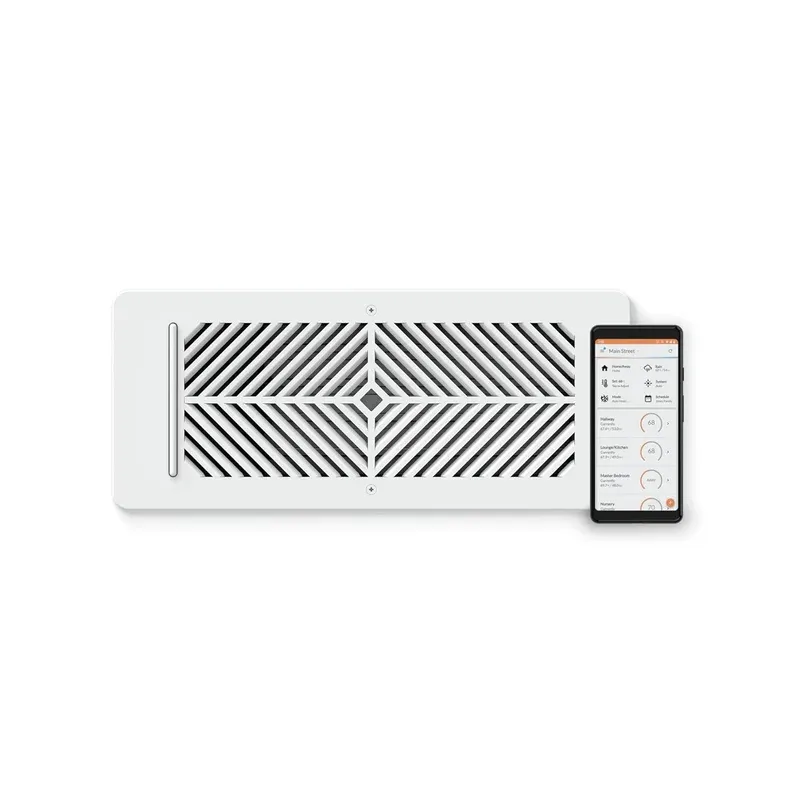
Product Details
🏭 Manufacturer: Flair
What Are Flair Smart Vents?
Flair Smart Vents are motorized dampers installed inside your ductwork to control airflow to individual rooms. Unlike traditional vents that remain static, Flair vents adjust opening and closing in real-time, directing heated or cooled air only to spaces where it is needed. This room-by-room zoning eliminates temperature imbalances and reduces energy waste.
If you live in a home where certain rooms are always too hot or too cold, Flair Smart Vents offer a practical solution. They work with your existing HVAC system without requiring expensive ductwork modifications. Many homeowners find that their energy bills drop noticeably once they install Flair vents because the system stops wasting conditioning in unused rooms.
The system pairs with a central hub and optional temperature sensors called Puck devices to create a complete zoning solution. Integration with voice assistants and smart thermostats makes automation smooth. Every room can be controlled independently, giving you full flexibility over comfort settings throughout your home.
Key Features of Flair Smart Vents
Flair Smart Vents deliver precision comfort control with minimal setup. Here are the main capabilities:
- Voice control through Alexa and Google Assistant
- Real-time temperature monitoring with optional sensors
- Compatibility with ecobee, Nest, Honeywell, and other smart thermostats
- Quiet, motorized operation without noise or disruption
- Energy savings of 5 to 15 percent in typical homes
Voice Control Integration
Control vents through Amazon Alexa, Google Assistant, or the Flair mobile app. Set schedules, adjust single rooms, or close off unused spaces without touching physical vents. Voice commands let you ask for instant adjustments from anywhere in your home.
Real-Time Temperature Monitoring
Optional Puck sensors measure temperature, humidity, and air pressure in each room. The system learns patterns and automatically adjusts vent openings to maintain your target temperature. Sensor data syncs to the app for remote monitoring from your smartphone.
Multi-Platform Compatibility
Works with ecobee, Google Nest, Honeywell Home, and other leading smart thermostats. Flair acts as a companion layer, fine-tuning what your thermostat starts. The hub communicates wirelessly with your existing thermostat to coordinate heating and cooling schedules.
Quiet Operation
Motor-driven vent dampers operate silently, with no disruptive clicking or humming during operation. Dampers adjust gradually to avoid sudden pressure spikes or drafts that disturb rooms.
How Flair Works in Your Home
Installation involves five straightforward steps. First, install vents into your existing ductwork by sliding them into standard 4-inch or 6-inch ducts. Next, connect the hub to AC power where it communicates with all vents via wireless mesh network. Then place optional Puck sensors in bedrooms, living areas, and other temperature-sensitive rooms. Link the system to your smart thermostat through the Flair app. Finally, set zones and schedules using the app or voice commands to manage per-room comfort.
Installation Considerations
Ductwork access is required since Flair vents must be installed inside accessible supply ducts. If your ducts run through walls or ceilings without access points, professional installation may be needed. Systems with variable-speed blowers handle Flair better than older single-stage units. Maintain at least 50 percent of supply vents open to prevent strain on the blower motor.
Wireless mesh network requires unobstructed 2.4GHz WiFi or dedicated Flair mesh for best results. Thick walls or distance from router can impact responsiveness when adjusting vents. The Flair hub typically has a range of about 100 feet in open space, though walls and interference can reduce this distance.
Before you buy, check whether your HVAC system is compatible. Single-stage heating and cooling systems are more prone to pressure imbalances when Flair vents close aggressively. Have a professional assess your ductwork if you have an older system, as they can determine whether additional balancing dampers or a return air strategy is needed.
Comparing Smart Vent Systems
Flair excels at multi-thermostat flexibility and voice control breadth compared to other brands. Keen Home prioritizes affordability for budget-conscious users. Alea targets advanced automation with built-in machine learning. Each system offers different strengths depending on your priorities.
Bottom Line
Flair Smart Vents are ideal for homeowners seeking room-by-room comfort control without replacing their HVAC system. The combination of voice control, optional sensors, and broad smart home compatibility makes Flair a top choice for energy-conscious homes. If you have accessible ductwork and a compatible thermostat, Flair delivers measurable comfort and efficiency gains.
Start with 3 to 4 vents in high-traffic or temperature-sensitive rooms, then expand as your comfort needs evolve.
Installation Overview
Flair Smart Vents install in 10 minutes per vent: remove the existing grille and vent cover, slide in the Flair vent to fit the duct opening (available in 4x10, 4x12, 6x10, and 6x12 inch sizes), connect the Flair Puck hub to your router, and pair each vent in the Flair app. The Puck hub integrates with ecobee, Nest, Honeywell, and other compatible thermostats via the Flair cloud to coordinate vent positions with thermostat demand.
Aeotec and Flair work well in tandem: Flair manages room-by-room airflow while SmartThings handles automation across the whole home.
Frequently Asked Questions
What smart thermostats are compatible with Flair vents?
Flair Smart Vents work with most modern smart thermostats including ecobee, Google Nest, and others. They connect via Bluetooth or WiFi. Check Flair's official compatibility list before purchase to confirm your thermostat model.
Can Flair vents work with Alexa or Google Assistant?
Yes, Flair vents support both Amazon Alexa and Google Assistant voice control. Enable the Flair skill or action through the respective smart home app, then command voice assistant to control individual room vents by name.
Do I need a Flair Puck sensor for each room?
Puck sensors are optional but recommended. They provide real-time temperature and humidity readings per room, enabling smarter automation. One hub can support multiple Pucks. Start with high-priority rooms and expand as needed.
How difficult is DIY installation of Flair vents?
Installation is designed for DIY. Turn off your HVAC, remove old vents, and install Flair units into standard duct openings. The app provides step-by-step guidance. Most installations take 15 to 30 minutes per vent.
Can Flair vents damage my HVAC system if I close too many?
Yes. Closing more than 50 percent of your home's supply vents can strain the blower motor and create pressure imbalances. HVAC professionals recommend maintaining at least 50 percent of vents open. Systems with variable-speed blowers handle Flair vents better than single-stage systems.