
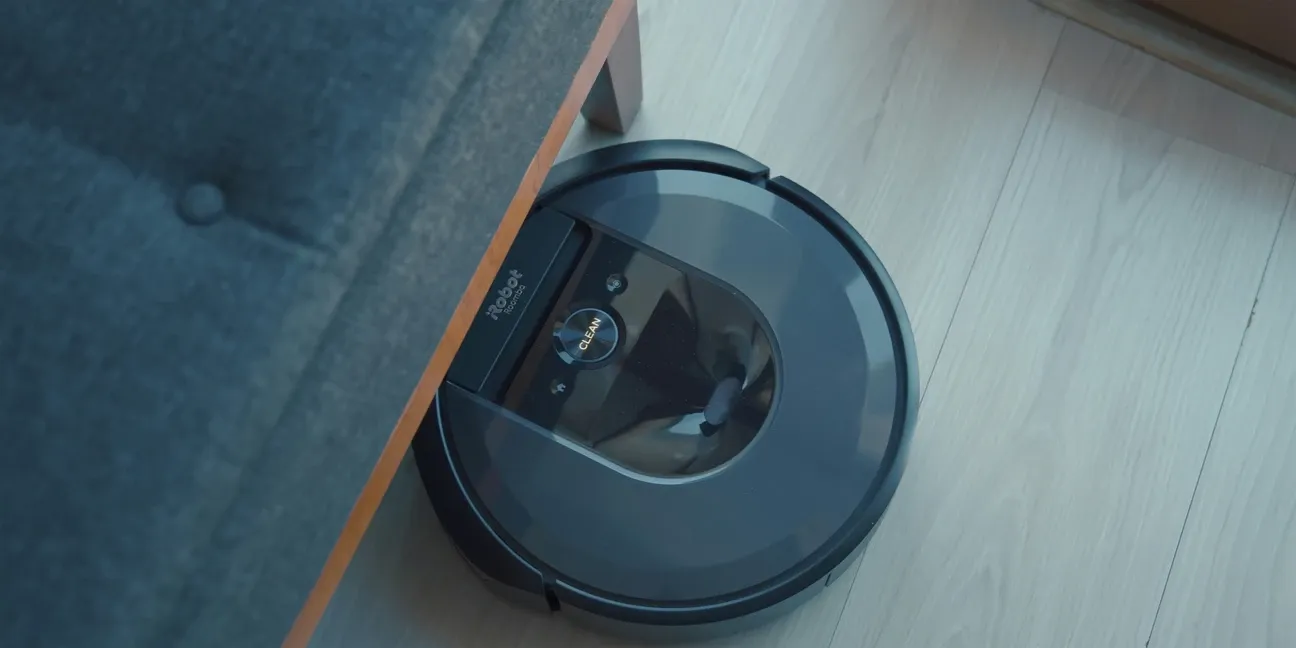

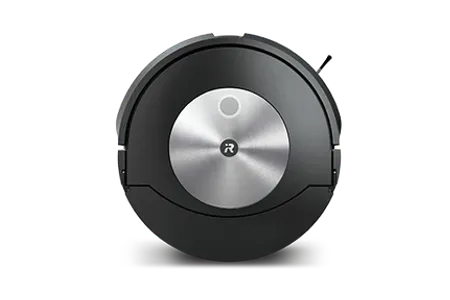

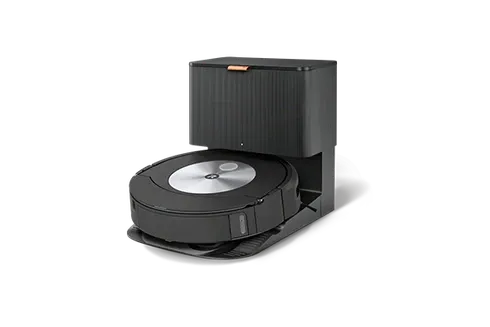
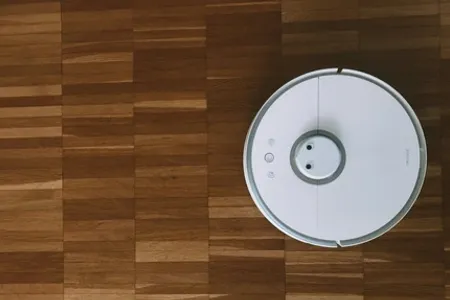
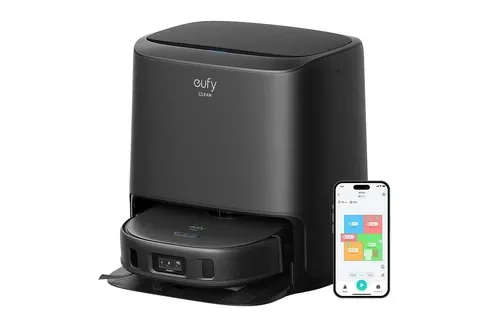
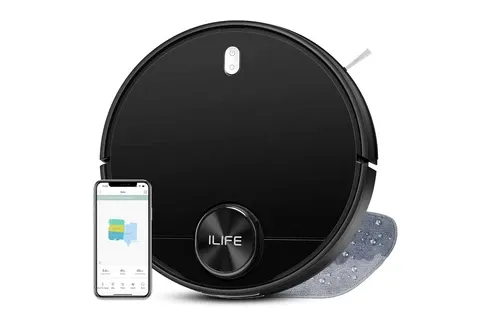
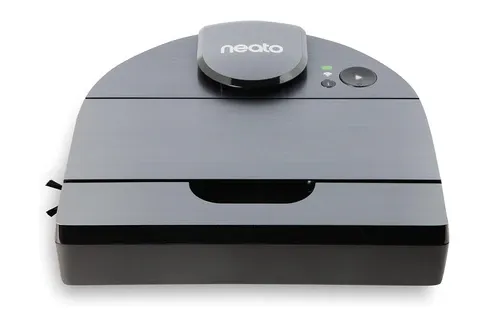
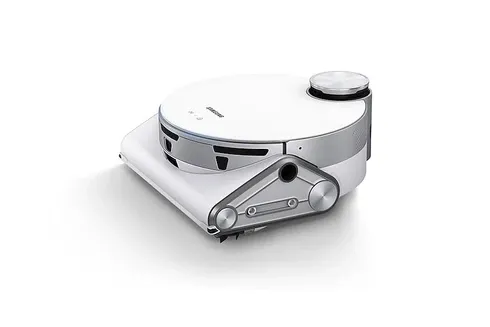
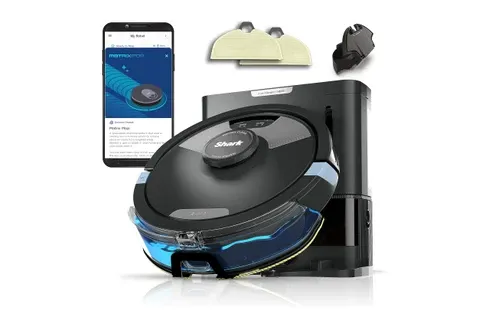
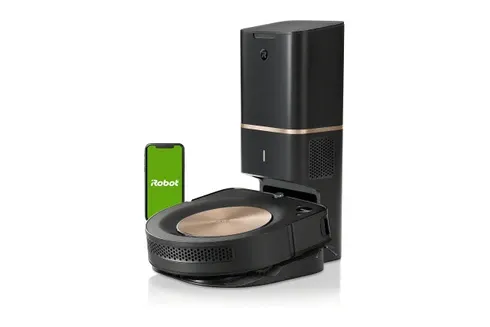
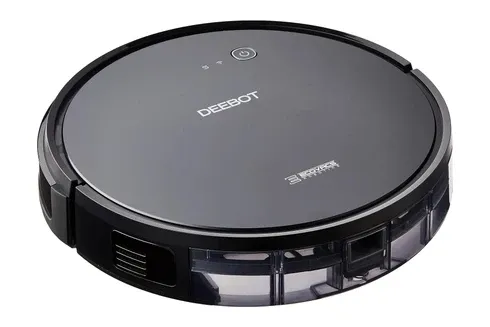

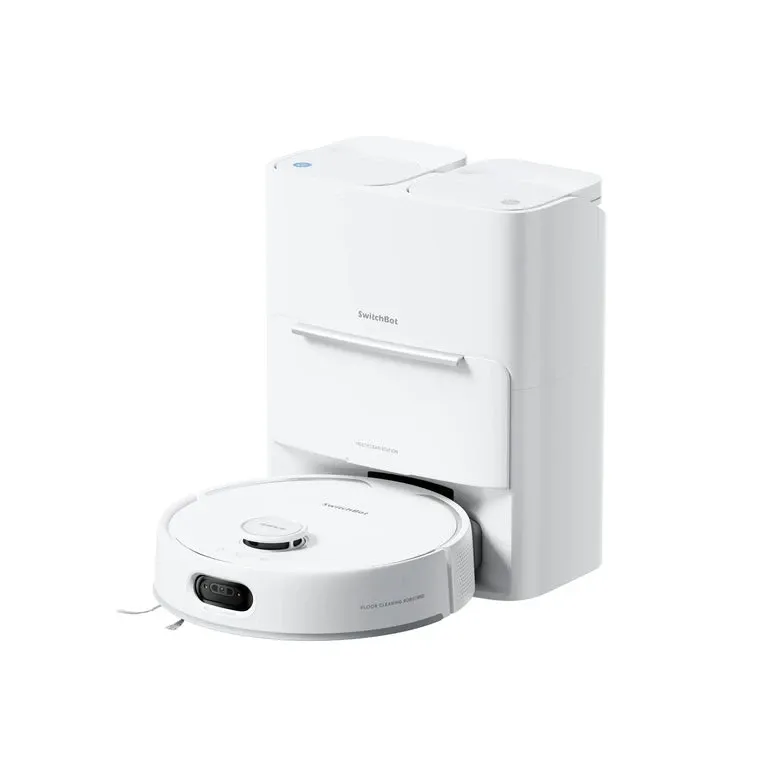
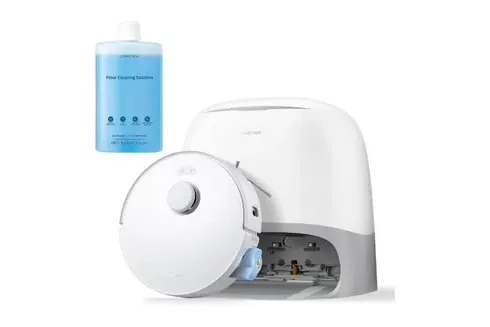
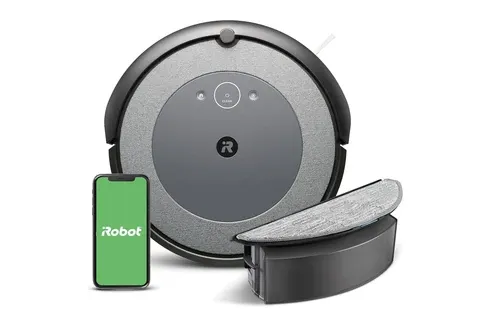
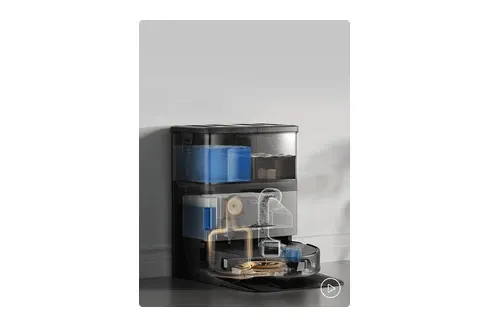
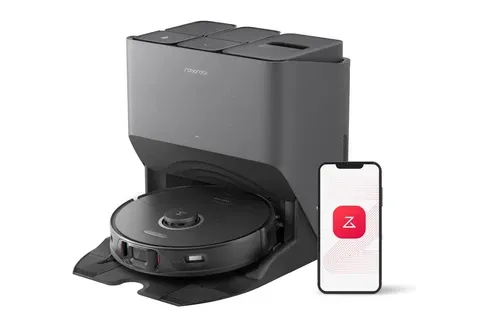
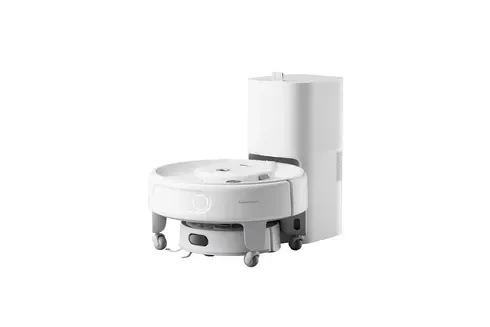
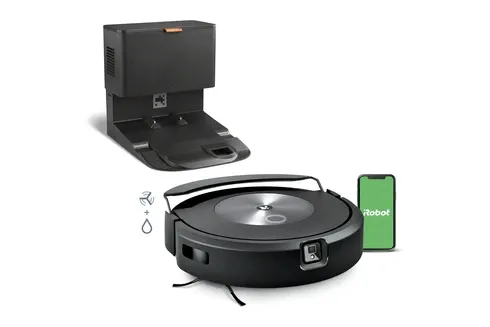
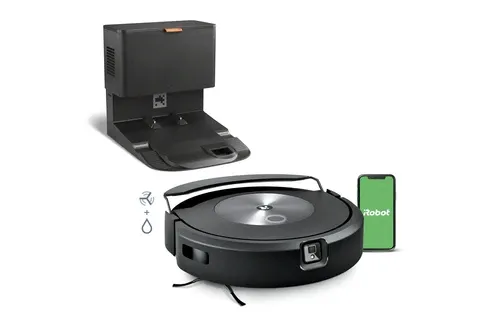
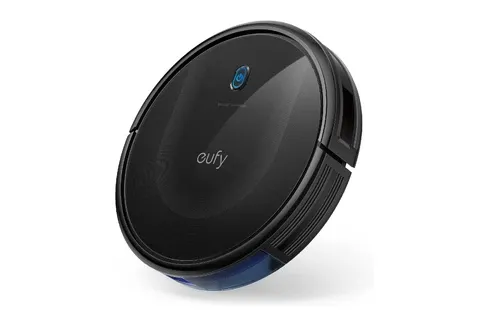
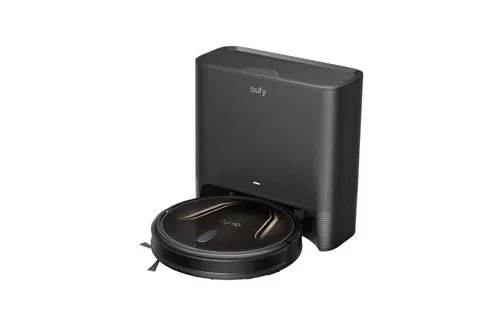
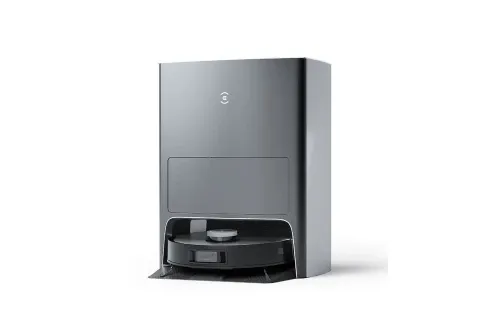
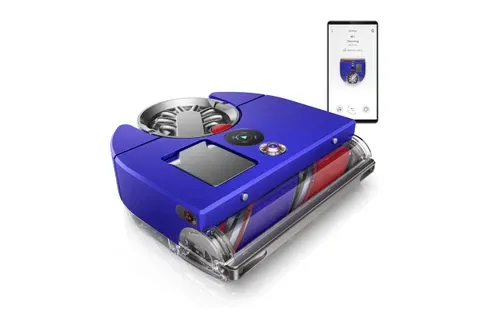
Robot Vacuums have transformed from futuristic gimmick to everyday hero in just a few years. These machines now sit at the heart of connected households.
How they work:
- Use smart sensors to navigate
- Connect to cloud for data tracking
- Deliver powerful suction
- Achieve consistent cleanliness with minimal effort
They show us how robot vacuums are revolutionizing smart cleaning and the impact of robot vacuums on smart home automation.
From Novelty to Necessity: Why Autonomous Vacuums Lead the Way
Then vs. Now:
Early robot vacuums wandered randomly, bumping into walls and missing corners.
Modern models use AI-based navigation and precision sensors to map every inch. They've evolved from gadgets into essential appliances.
What Homeowners Expect:
- Quiet floor patrols
- Job status updates
- Auto-resume after recharging
- Minimal supervision needed
Daily Benefits: Short daily runs mean dust never settles. Surfaces stay fresh even in busy households.
Smarter Every Spin: Core Technologies Driving Progress
- SLAM algorithms create 3-D floor plans in seconds
- Lidar scanning pinpoints furniture edges in low light
- Optical cameras spot small obstacles such as socks or pet toys
- Wireless connectivity syncs routes to cloud dashboards for easy tweaking
These advances make the cleaner’s path efficient, sparing battery life while covering more ground.
Voice-First Control and Seamless Ecosystems
Voice Control Magic: Modern robot vacuums respond to natural speech commands through voice assistants. Say "vacuum the hallway" and the machine glides off. That's the power of voice integration. This hands-free control transforms cleaning from a conscious task into an automatic response. Simply speaking commands while cooking or working eliminates the need to physically interact with the device.
Integration with Smart Hubs: Robot vacuums work seamlessly across all major platforms, enabling unified smart home control:
- Alexa - Amazon's ecosystem with routines and automation
- Google Home - Google Assistant voice commands and scheduling
- HomeKit - Apple's privacy-focused home automation
Each platform offers different strengths. Alexa excels at multi-device routines. Google Home provides superior voice recognition and natural language understanding. HomeKit emphasizes on-device privacy and encryption. Choose based on your existing ecosystem.
Smart Scenes and Automation: The real power emerges when robot vacuums coordinate with other devices. Create sophisticated automated routines where:
- Vacuum starts when family leaves home (geofencing-triggered)
- Lights dim automatically as cleaning begins
- Thermostat adjusts temperature to reduce AC load during vacuuming
- Security cameras activate recording mode during cleaning cycles
- Door locks engage and notifications alert residents
This smart integration boosts convenience, improves safety, trims energy bills, and creates a responsive home that anticipates your needs. The robot vacuum becomes the trigger for coordinated responses across your entire smart ecosystem.
Practical Benefits That Matter Day After Day
A powerful Home Automation strategy should always translate into real-world gains. Robot vacuums deliver on four fronts:
- Time-saving: Thirty minutes reclaimed each evening quickly adds up to extra leisure, study, or family time.
- Pet hair control: Rubberized tangle-free rollers lift fur while high airflow traps dander.
- Indoor air quality: Multi-layer HEPA filtration catches fine allergens, leaving rooms fresher.
- Energy efficiency: Smart recharging schedules avoid peak-rate hours, lowering utility costs.
With these benefits combined, robot vacuums earn their place as indispensable partners in daily life.
Design Decisions When Shopping for the Right Unit
Not every robot vacuum suits every floor plan. Choosing the right model depends on understanding your home's specific characteristics and your cleaning priorities. Investing time upfront to assess your needs prevents costly mistakes and ensures long-term satisfaction.
Start by evaluating your home's layout, floor types, furniture density, and occupant needs. Do you have multiple levels? Thick carpeting or primarily hard floors? Pets that shed? A large household generating more dust? These factors should guide your purchasing decision.
Key Features to Consider: Modern robot vacuums vary significantly in capabilities. Understanding feature trade-offs helps prioritize what matters most:
- Suction strength: Essential for thick carpets and deep cleaning; measured in Pascal units (Pa), typically 1500-3000 Pa
- Bin capacity: High-traffic rooms need frequent emptying; larger bins (600+ ml) reduce maintenance frequency
- Edge-clean brushes: Important for intricate baseboards and corners; side brushes prevent dust accumulation
- App functionality: Visual maps, adaptive mapping updates, scenario-based scheduling, and integration with other smart devices
- Maintenance alerts: Timely notifications ensure filters and brushes are replaced at peak performance, extending vacuum lifespan
- Noise level: Measured in decibels (dB); quiet models (under 70dB) allow daytime operation without disruption
- Battery life: Determines coverage area per charge; models range from 90 to 200+ minutes
Building a Cleaner, Greener Future
Modern appliances face a powerful demand: work harder while using fewer resources.
How Robot Vacuums Achieve Energy Efficiency:
- Draw only the power needed to complete cleaning tasks
- Park on low-trickle chargers to minimize standby drain
- Share data with smart meters for real-time usage tracking
- Help households spot consumption spikes and refine routines
The humble vacuum transforms into a data producer, pushing the smart-home envelope forward.
Beyond Floors: The Next Wave of Multifunction Robots
The future of robot vacuums extends far beyond cleaning floors.
What's Coming Next: Developers are testing hybrid robots with expanded capabilities:
- Hybrid cleaning: Vacuuming and mopping in one device
- Security patrols: Mini-security guards monitoring your home
- Environmental sensors: Mobile IoT devices tracking temperature and humidity
- Autonomous monitoring: Whole-home observation while cleaning
This upcoming generation combines autonomous cleaning plus whole-home observation. The result: integrated, multi-talented robots that anticipate needs instead of merely following instructions.
Clear Path Ahead
The trajectory is obvious: better sensors, quicker processors, and more precise motors will keep raising expectations. Meanwhile, consumers will judge products on ease of use and environmental impact. By staying adaptable, the Robot Vacuum sector is set to remain a cornerstone of every genuinely smart household.
Conclusion
Evolving Design and Transparency
As the smart home landscape evolves, robot vacuums influence design trends far beyond cleaning. Manufacturers now prioritize:
- Quieter motors: Essential for open-floor modern homes where living, dining, and workspace blend together
- Softer wheel materials: Reduce wear on delicate surfaces
- Refined brush assemblies: Minimize noise and damage
Homeowners expect more transparency. Many new models offer:
- Detailed energy reports
- Cleaning heat maps
- Predictive maintenance suggestions
When users understand power consumption, they schedule smarter routines that reduce environmental impact.
Personalization and Adaptive Routines
Robot vacuums now adapt to your lifestyle with sophisticated learning algorithms that recognize household patterns. They can:
- Avoid high-traffic hours: Clean during off-peak times when family members are typically away
- Coordinate with pet feeding: Sync cleaning around pet schedules to avoid disturbing animals
- Work with entertainment: Pause cleaning so movies and music play uninterrupted, resuming automatically when finished
These personalized behaviors transform vacuums from background helpers into thoughtful companions that enhance comfort. Modern robot vacuums track cleaning history and adjust their routes based on which areas accumulate dust fastest. They recognize that high-traffic areas like hallways and entryways need more frequent attention than guest rooms, optimizing coverage accordingly. Some models learn to identify carpet versus hard floors and adjust suction power dynamically. When multiple family members have different schedules, the robot can optimize for individual preferences, cleaning thoroughly when everyone is out and maintaining a schedule that minimizes disruption during busy household hours.
Machine learning integration promises even smarter features. Future models could identify seasonal patterns like increased shedding or pollen buildup, automatically adjusting schedules.
Sustainability and Wellness Integration
Robot vacuums are becoming part of broader sustainability and wellness movements.
Health-Focused Features:
- Enhanced filtration performance
- Reduced operational noise
- Particulate level tracking with visualizations
Environmental Improvements:
- Recyclable components
- Modular parts for easier repair
- Firmware updates extend device life without replacement
Energy Smart Integration: Robot vacuums sync with:
- Rooftop solar production
- Off-peak utility rates
- Demand-response programs
They clean when energy is cheapest or greenest, lowering household carbon footprints.
Cross-Platform Compatibility and Open Ecosystems
An important trend is the rise of cross-platform compatibility. Users now expect:
- Seamless performance across different smart hubs
- Works with multiple platforms and mobile apps
- No lock-in to a single ecosystem
This shift encourages manufacturers to adopt open standards and update firmware frequently. The result: longer device lifespans and more flexible control for consumers.
The Future of Predictive Home Care
Looking ahead, robot vacuums may soon become predictive home care assistants. By analyzing cleaning patterns and environmental data, future models could:
- Detect increased dust from deteriorating insulation
- Identify moisture from plumbing leaks
- Flag potential issues before they escalate
Robot vacuums could evolve into active home maintenance partners, offering guidance that enhances safety, efficiency, and comfort throughout the year.
The Competitive Manufacturer Landscape
The ecosystem has diversified significantly. Brands like iRobot, Roborock, Ecovacs, Dreame, and Eufy lead with unique strengths:
- Computer vision expertise: Advanced obstacle avoidance
- Powerful suction technology: Deep carpet cleaning
- Mapping accuracy: Precise floor navigation
- Battery longevity: Extended runtime and charging efficiency
- Mopping capabilities: Integrated wet cleaning
This competition drives rapid innovation and affordable pricing. Robot vacuums have evolved from simple automated sweepers into sophisticated home management tools that coordinate with other smart devices to create truly intelligent living spaces.