
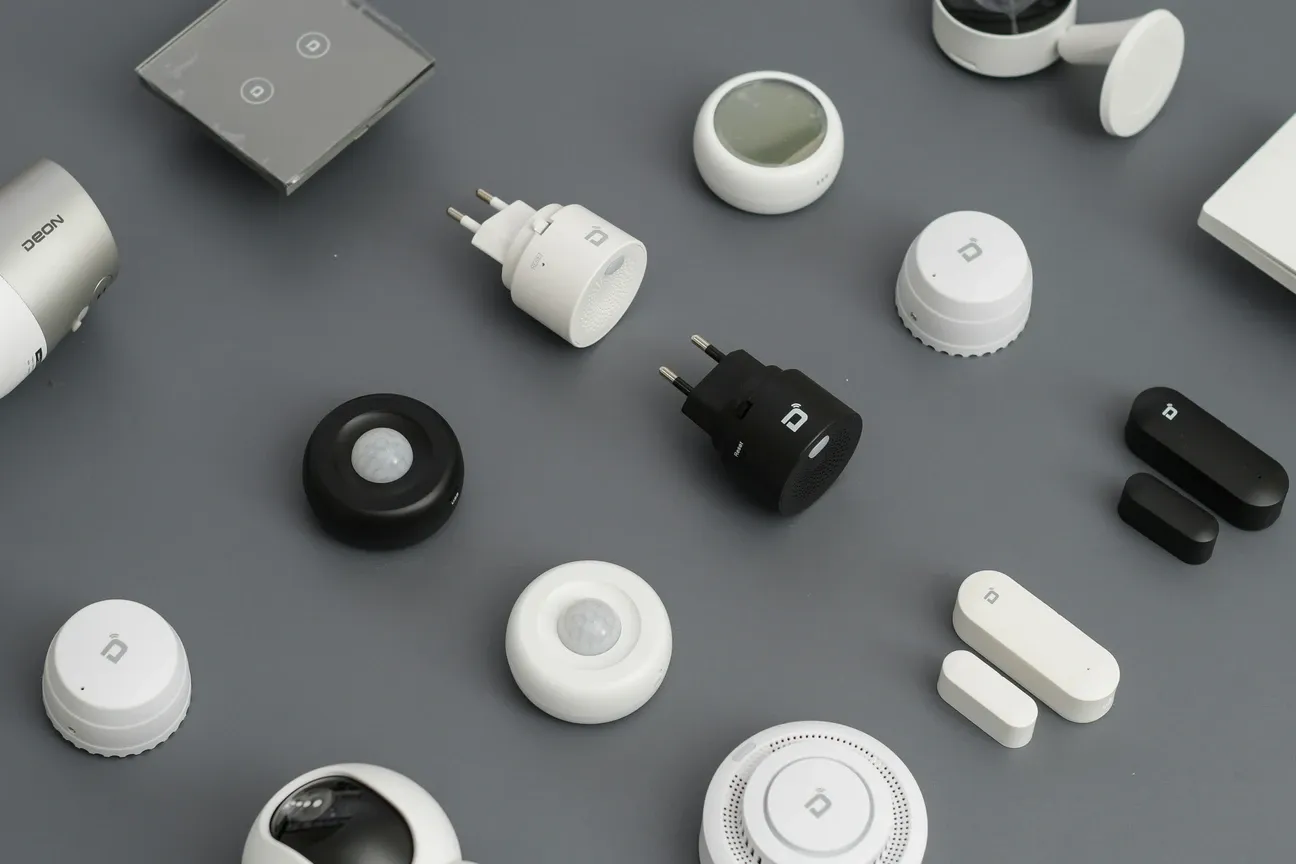
Smart home technology is constantly evolving, offering homeowners innovative solutions and conveniences that transform daily living. Smart Home devices enhance our living spaces, making routines more efficient and enjoyable while providing unprecedented control over home environments. With numerous manufacturers entering this rapidly growing market-now valued at $147.5 billion in 2025 and projected to reach $947 billion by 2033-it can be challenging to track all available players and their offerings. Here, we provide a comprehensive Complete List of Smart Home Manufacturers from A to Z to help you explore options and find the best products for your specific needs.
The Growth of Smart Devices and Market Expansion
Over recent years, the Smart Devices market has witnessed exponential growth with a compound annual growth rate of 25.3%. Consumers are increasingly adopting products that offer Home Automation solutions, transforming ordinary houses into intelligent living environments. From Amazon Echo to Google Nest, from Philips Hue smart lighting to Roborock robotic vacuums, the scope for innovation is vast and continuously expanding.
The Smart Home sector encompasses diverse categories including Smart Speakers, Home Security systems, Smart Lighting solutions, Climate Control devices, and Robot Vacuums. As manufacturers compete to outdo each other, they continuously introduce groundbreaking technologies including AI-powered automation, Matter protocol support, and Thread mesh networking. Understanding these manufacturers and their specialties enables consumers to make informed purchasing decisions aligned with their home automation goals.
Market Leaders Shaping Smart Home Innovation
The smart home industry is dominated by several key players investing heavily in IoT technology and intelligent home solutions. The major market leaders include Samsung, Apple, Google, Amazon, LG Electronics, Honeywell, and Siemens, each bringing unique expertise to the ecosystem. These companies drive innovation through significant R&D investments, ensuring continuous advancement in connectivity, security, and artificial intelligence integration.
Beyond traditional tech giants, companies like Xiaomi have built comprehensive intelligent hardware ecosystems connecting over 5,000 smart devices through their Mijia platform, while Huawei leverages HarmonyOS distributed technology with proprietary PLC-IoT power line carrier solutions. This diversity demonstrates how the smart home market continues to attract major technology investors and innovative startups worldwide.
Complete A to Z List of Smart Home Manufacturers
Below is a comprehensive directory of smart home manufacturers, from established brands to emerging innovators, organized alphabetically for easy reference:
Leading Manufacturers A-M
- Aeotec: Specializes in ZigBee technology products for advanced home automation and device integration.
- Amazon: Dominates voice-activated smart home through Echo products, Amazon Alexa, and comprehensive ecosystem integration with thousands of compatible devices.
- Apple: Provides seamless integration across devices through Apple HomeKit, emphasizing privacy, local control, and encrypted communication protocols.
- Aqara: Sister brand of Xiaomi offering Zigbee-based smart home devices with Matter and Thread protocol support through the Aqara Hub M3 multiprotocol hub.
- Arlo: Specializes in wireless security cameras and video doorbells for comprehensive home surveillance and security monitoring.
- Dyson: Brings innovation to home cleaning with advanced air purification and intelligent climate control devices.
- Ecobee: Known for smart thermostats with voice assistant integration and advanced learning capabilities for energy efficiency.
- Ecovacs: Focuses on robotic cleaning solutions with intelligent mapping and autonomous navigation technology.
- Eufy Security: Offers robust home security solutions including cameras, video doorbells, and alarm systems with local storage capabilities.
- Eve: Specializes in smart home accessories compatible with Apple HomeKit, including energy monitors, smart speakers, and connected devices.
- Google: Leading provider of Google Home smart speakers, Google Nest thermostats, security cameras, and display devices with advanced voice assistant capabilities.
- Govee: Provides affordable smart lighting, RGB strips, and atmospheric lighting solutions with wireless connectivity and mobile app control.
- Huawei: Develops smart home solutions leveraging HarmonyOS distributed technology with proprietary PLC-IoT power line carrier systems.
- IKEA: Integrates smart home technology into furniture and lighting through the Trådfri smart lighting collection with wireless controls.
- ILIFE: Manufactures robotic vacuum cleaners with intelligent mapping and autonomous cleaning capabilities for budget-conscious consumers.
- iRobot: Pioneering company in robotic vacuums with the Roomba line, featuring intelligent mapping and connected home integration.
- Kasa: TP-Link's smart home brand specializing in smart plugs, switches, lighting, and power management with cloud connectivity and scheduling.
- Nanoleaf: Innovates decorative smart lighting through modular LED panels with dynamic color changes and ambient effects.
Continuing A to Z List N-Z
- Neato: Develops laser-guided robotic vacuum cleaners with advanced mapping and customizable cleaning zones.
- Philips Hue: Market leader in smart lighting offering extensive color options, brightness adjustments, and sophisticated automation routines with excellent ecosystem compatibility.
- Raspberry Pi: Enables DIY smart home projects through open-source computing platforms and custom automation solutions for advanced users.
- Ring: Amazon subsidiary focused on smart video doorbells, security cameras, and alarm systems with motion detection and two-way audio capabilities.
- Roborock: Pioneers advanced robotic vacuum and mop solutions with LIDAR mapping, zone customization, and intelligent dust collection systems.
- Roku: Specializes in streaming devices and smart displays for entertainment automation and voice-controlled content delivery.
- Samsung: Offers comprehensive smart home solutions including smart appliances, TVs, displays, and SmartThings hubs for unified ecosystem control.
- Shelly: Provides open-source compatible smart switches, plugs, and relays for advanced home automation and DIY integration.
- Somfy: Specializes in motorized window coverings, smart blinds, and rolling shutter automation for comprehensive light and temperature control. For detailed product information, explore the Guide to Somfy Smart Home Products covering their full range of automation solutions.
- Sonoff: Delivers affordable smart switches, plugs, and wireless devices through the eWeLink platform for DIY home automation.
- TP-Link: Major networking company offering Kasa smart home products, WiFi solutions, and comprehensive connectivity infrastructure.
- Tapo: TP-Link's value-focused smart home brand with cameras, plugs, and lighting at competitive price points.
- Tongou: Develops smart home devices with wireless control capabilities for lighting and appliance automation.
- TUO: Produces smart buttons, contact sensors, and wireless automation devices for flexible home control.
- Woox: Offers affordable smart lighting, plugs, and home automation products through wireless connectivity and mobile app management.
- Wyze Labs: Provides budget-friendly smart cameras, plugs, bulbs, and sensors without compromising on quality and features.
- Xiaomi: Builds comprehensive smart home ecosystem through the Mijia platform connecting 5,000+ devices with Matter and Thread protocol support announcements.
- Yale: Specializes in smart locks with biometric and keypad entry, plus security systems for modern home protection.
Emerging Technologies and Future Trends: The Rising Influence of IoT Devices and Connectivity Standards
The introduction of IoT Devices has fundamentally transformed how we interact with our home environments. These intelligent devices are integral to modern smart homes, offering unprecedented automation, customization, and control capabilities. Companies are investing heavily in IoT technology and standardized connectivity protocols to stay relevant and capture growing market demand.
Matter Protocol and Thread Mesh Networking
One of the most significant developments in 2025-2026 smart home technology is the adoption of the Matter protocol, a universal standard enabling cross-brand device compatibility. Matter provides end-to-end encryption for all device communications, ensuring enhanced security and privacy. Manufacturers including Aqara, Apple, Amazon, and Google are implementing Matter support, eliminating the silos that previously required separate ecosystems.
Thread mesh networking complements Matter by providing low-power, reliable wireless communication paths. This combination enables devices to maintain connections even if primary pathways are disrupted, significantly improving system reliability and responsiveness. Multiple manufacturers now offer Thread-enabled hubs that serve as bridges for Matter-compatible devices.
Wireless Protocols: ZigBee, Z-Wave, and Beyond
Beyond Matter and Thread, the smart home ecosystem relies on several established wireless protocols that serve different use cases and manufacturer ecosystems. ZigBee remains one of the most widely adopted mesh networking standards for smart home devices, offering low power consumption and robust mesh capabilities. ZigBee devices automatically relay signals through each other, creating self-healing networks that extend range and improve reliability across larger homes. Manufacturers like Aeotec, Aqara, and IKEA extensively support ZigBee for their lighting, sensors, and automation devices.
Z-Wave represents an alternative proprietary standard used primarily by manufacturers like Ring and Fibaro, providing similar mesh networking benefits with proprietary encryption and a more closed ecosystem compared to the open ZigBee standard. Both protocols excel at device-to-device communication with minimal power consumption, making them ideal for battery-powered sensors and switches.
The introduction of Matter protocol aims to bridge these fragmented ecosystems, allowing devices using ZigBee, Z-Wave, WiFi, and Thread to interoperate more seamlessly. Smart home enthusiasts can now choose devices based on features and price rather than being locked into single protocol ecosystems. However, understanding these underlying wireless protocols remains important for advanced users building reliable smart home networks, as protocol choice affects range, power consumption, mesh capabilities, and ecosystem compatibility.
AI-Powered Home Automation and Predictive Learning
Artificial intelligence is revolutionizing smart home management in 2026. Smart thermostats now analyze behavioral patterns and weather forecasts to adjust heating and cooling automatically, optimizing comfort while reducing energy consumption. AI-powered security systems learn resident patterns to distinguish between normal activity and unusual events, improving accuracy and reducing false alarms.
Voice assistants continue advancing with natural language processing improvements, enabling more intuitive control and contextual automation routines. Machine learning algorithms in security cameras improve person detection accuracy, and smart lighting systems adapt circadian-friendly color temperatures throughout the day.
Benefits of Smart Home Adoption
The comprehensive adoption of IoT devices across residential and commercial environments demonstrates the transformative power of connected technology. From budget-friendly smart plugs costing under $20 to sophisticated home automation hubs exceeding $300, the market now offers solutions for every budget and technical skill level.
Energy Efficiency and Cost Savings
Smart home technology enables significant energy savings through intelligent automation. Smart thermostats learn household patterns and automatically adjust temperatures, reducing heating and cooling costs by 10-15%. Smart lighting systems with occupancy sensors eliminate wasted electricity from unoccupied rooms. Smart plugs identify phantom power drain from standby devices, helping families reduce utility bills while supporting environmental sustainability.
Enhanced Home Security and Peace of Mind
Home security systems from manufacturers like Ring, Arlo, and Eufy provide comprehensive protection through smart cameras, video doorbells, and alarm integration. Homeowners can monitor properties remotely, receive instant alerts for suspicious activity, and verify visitors before opening doors. Smart locks from Yale and other manufacturers enable keyless entry, temporary access codes for guests, and detailed entry logs for complete security awareness.
Convenience and Lifestyle Enhancement
Smart home automation eliminates repetitive manual tasks through sophisticated routines. Morning scenes can gradually brighten lights, adjust thermostats, and brew coffee as residents wake. Away modes automatically lock doors, close blinds, arm security systems, and reduce energy consumption when the last person leaves. Entertainment modes create optimal environments for movies, gaming, or relaxation with coordinated lighting, temperature, and audio adjustments.
Selecting the Right Smart Home Manufacturers
Choosing appropriate manufacturers significantly impacts your smart home experience and long-term satisfaction. Consider these evaluation criteria:
- Product Range and Ecosystem: Does the manufacturer offer diverse product categories matching your needs (lighting, security, climate control, entertainment)?
- Protocol Support: Do their devices support modern standards like Matter, Thread, or preferred platforms (Apple HomeKit, Google Home, Alexa)?
- Compatibility: Will new devices integrate seamlessly with existing smart home infrastructure?
- Price and Value: How does pricing compare with competitors, and what features justify the investment?
- User Reviews and Reliability: What do real users report about product quality, software stability, and customer support?
- Future-Proofing: Does the manufacturer commit to firmware updates and support for emerging standards?
- Privacy and Security: What data encryption and local control options do they provide?
Protocol Evolution: From ZigBee to Matter
The evolution of wireless communication standards has been central to smart home manufacturer strategies. Early adopters like Aeotec and Aqara built their ecosystems around ZigBee, a robust mesh networking protocol that enables devices to relay signals through each other, creating reliable networks even in challenging home layouts. ZigBee's low power consumption made it ideal for battery-powered sensors and switches, allowing manufacturers to create maintenance-friendly connected devices.
As the market matured, manufacturers recognized the fragmentation caused by competing standards. The introduction of the Matter protocol represents a industry-wide commitment to interoperability, allowing devices from different manufacturers to communicate seamlessly regardless of underlying wireless protocols. This shift enables smart home enthusiasts to choose products based on features and price rather than ecosystem lock-in, fundamentally changing how manufacturers compete and cooperate within the market.
Building Your Smart Home Strategy
Successful smart home adoption doesn't require massive upfront investment. Start with essential categories matching your priorities: security-focused households begin with cameras and smart locks; energy-conscious homes prioritize thermostats and power management; convenience-seekers start with smart lighting and speakers. The modular nature of modern smart homes means you can expand gradually, building increasingly sophisticated automation routines as your comfort and knowledge grow.
By exploring this comprehensive Complete List of Smart Home Manufacturers from A to Z, consumers can navigate the rapidly expanding smart home market with confidence and knowledge necessary to make informed decisions. Whether you're seeking enhanced security, energy efficiency, convenience, or all three, the diversity of manufacturers and products ensures solutions exist for every home, budget, and preference. With proper selection and planning, smart home technology genuinely transforms living spaces into responsive, intelligent environments that anticipate resident needs and adapt continuously to household preferences.