




















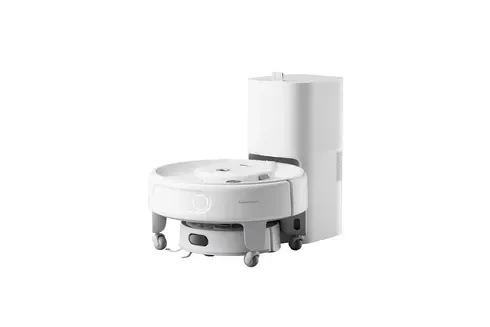
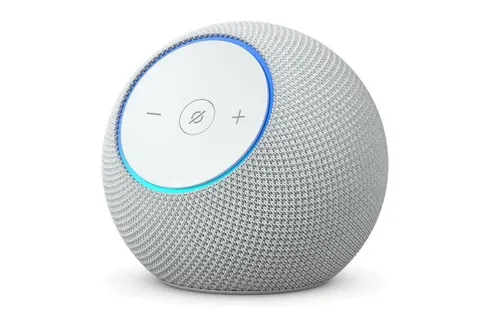



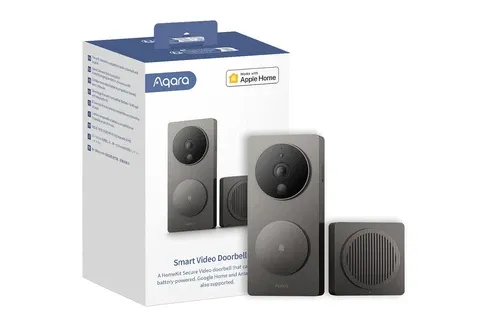

A Voice Assistant is more than a novelty gadget-it’s the digital conductor that keeps your connected home in harmony. By translating natural speech into actionable commands, these assistants make everyday routines quicker, smoother, and a lot more fun, giving you the best possible experience while they continually enhance every aspect of connected living.
Why Voice Assistants Are a Smart-Home Game Changer
Smart speakers and displays from Amazon, Google, and Apple have redefined what convenience looks like. Instead of hunting for a remote or unlocking your phone, you can simply speak. That single design shift unlocks three huge advantages:
- Instant, hands-free control lets you adjust settings without stopping what you’re doing-perfect when cooking, exercising, or wrangling kids.
- Broad compatibility means most modern lights, thermostats, plugs, and cameras sync effortlessly with a voice platform. No extra hubs required for many popular brands.
- Personalized automation allows routines like “Good morning” or “Movie time” to orchestrate several devices together, adapting to your daily flow.
Picture arriving home with full grocery bags. Instead of fumbling for a switch, you say, “Turn on hallway lights.” Within seconds, LEDs glow at your preferred brightness. That frictionless experience is why a growing number of households now treat a Voice Assistant as the heart of their smart-home setup.
As voice technology matures, these moments of seamless interaction become even more valuable. Many homeowners find that once they grow comfortable issuing spoken commands, they begin discovering new tasks that a Voice Assistant can simplify. From setting quick reminders while your hands are full to checking traffic as you lace up your shoes, voice control blends into your routines in ways you didn’t expect. It also helps streamline household coordination, allowing families to share reminders, broadcast messages between rooms, or manage shared shopping lists without opening any apps. This ease of communication is one of the reasons Voice Assistants continue to gain popularity, especially in busy homes where every saved minute matters. As capabilities expand, the role of voice control will only grow, making the smart home feel more intuitive, accessible, and user‑friendly for everyone.
Popular Device Categories You Can Control With Your Voice
Smart Speakers & Displays
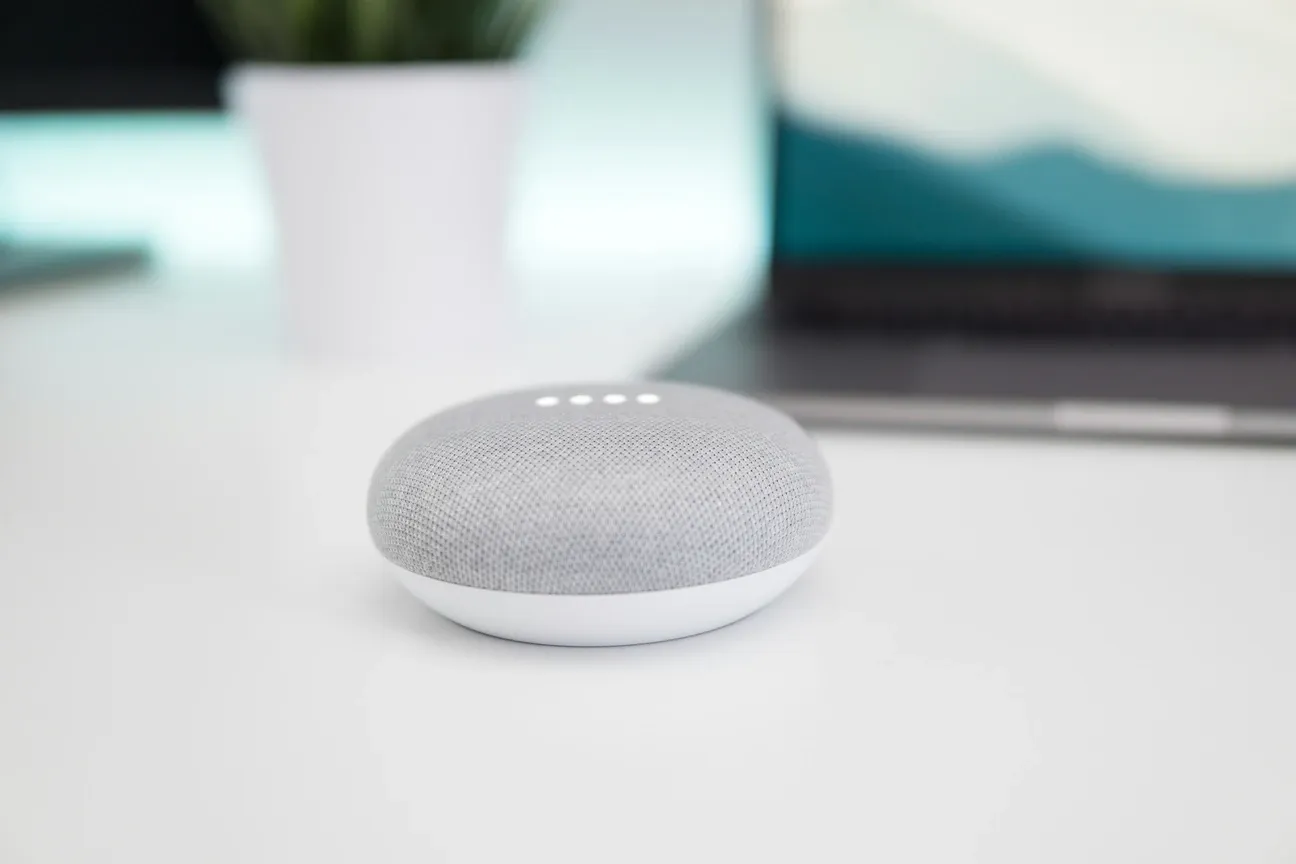
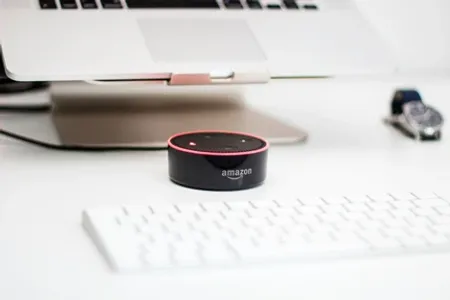
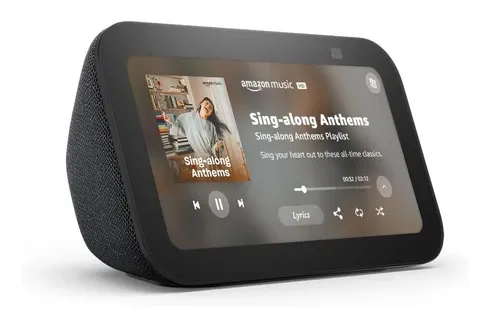
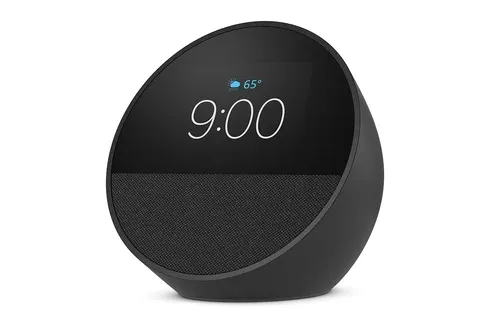
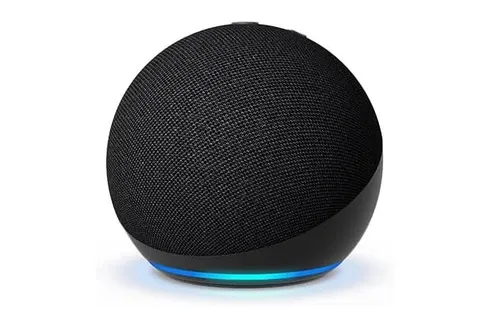
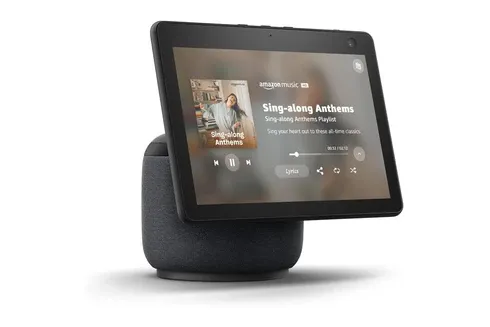
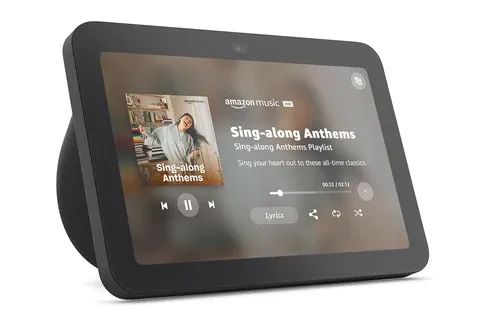
Smart speakers such as Amazon Echo and Google Nest Audio are the entry point for many. Add a screen-like Nest Hub or Echo Show-and you gain visual feedback for security feeds, timers, and weather.
Lighting Systems
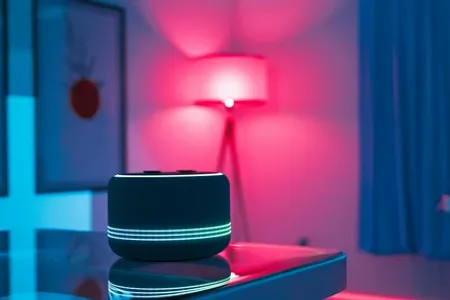
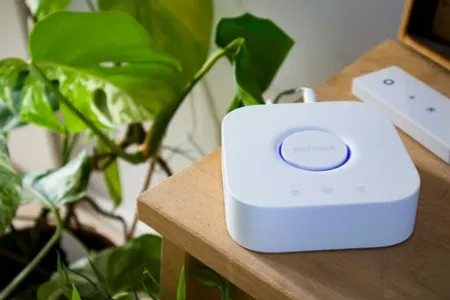
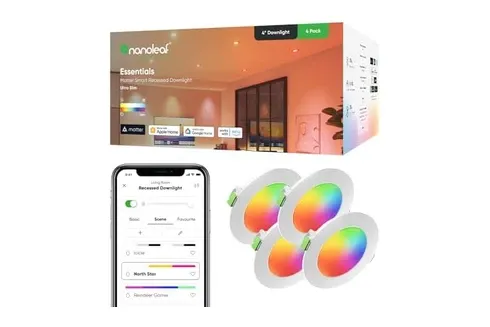
Options such as Philips Hue or LIFX connect effortlessly. Commands like “Set living room lights to sunset orange” instantly change the room’s mood.
Thermostats & Climate Devices
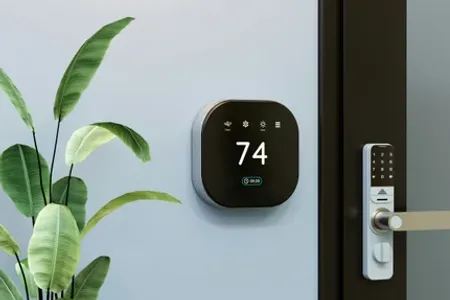
Smart thermostats from Nest or Ecobee learn your schedule and can be adjusted with a quick phrase: “Set the heat to 72 degrees.”
Security Cameras & Doorbells
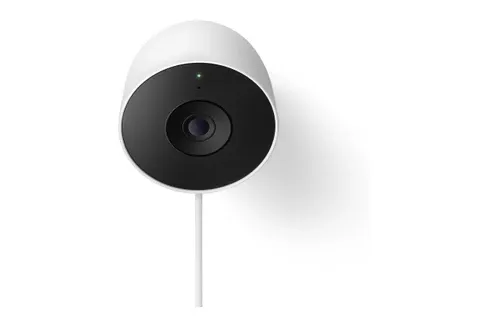
Brands including Ring, Arlo, and Eufy allow voice prompts to display a live feed on a TV or smart display, adding peace of mind without opening an app.
Smart Locks
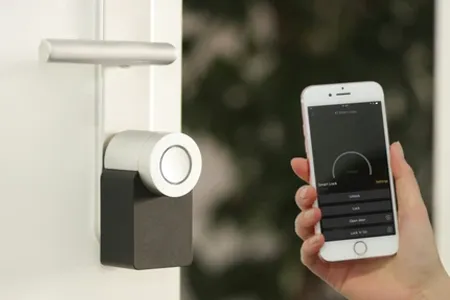
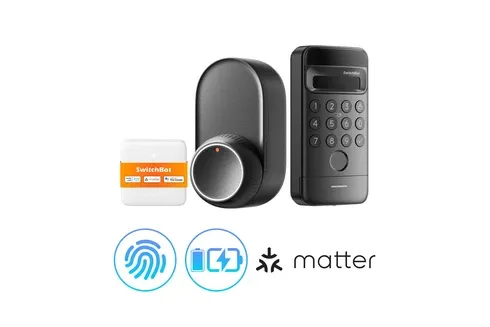
Lock or unlock the front door with spoken verification codes. August and Yale make it simple to let guests in while your hands remain free.
Setting Up a Voice Assistant the Right Way
Pick Your Ecosystem Wisely
Before you buy hardware, decide which Voice Assistant aligns with your lifestyle. If you already rely on Prime Music, Fire TV, or Ring cameras, Alexa will feel natural. Those deep into Gmail, Google Calendar, and Android notifications will likely prefer Google Assistant. Apple devotees leaning on HomeKit may want to explore Siri and the HomePod line for the best overall synergy.
Link Devices with Care
Most smart products ship with a companion app that walks you through pairing in minutes. Once discovered by Alexa or Google Home, assign them to rooms and create custom names that feel intuitive. Grouping devices-“bedroom lights”-or building routines like “Good night” (off lights, lock doors, lower thermostat) saves time later.
Test, Tweak, Repeat
After your initial setup, practice commands to catch any mispronunciations or duplicate device names. Refining room labels (“kitchen pendants”) helps your Voice Assistant respond accurately every time and enhances day-to-day reliability.
Getting the Most Value from Voice Control
- Craft powerful routines: Combine tasks-like playing a podcast, raising blinds, and starting the coffee maker-under a single wake phrase.
- Explore skills and actions: Both Alexa Skills and Google Actions expand capabilities to order food, track workouts, or even teach kids trivia.
- Integrate entertainment: Use voice to launch shows on Fire TV or cast videos via Chromecast without touching a remote.
- Keep software updated: Firmware and app updates unlock new features, improved security, and better speech recognition.
Privacy Matters: Stay Informed, Stay in Charge
Voice technology listens for wake words, so knowing where your audio goes is critical. Both Amazon and Google let you review or delete recordings from their respective apps and even auto-delete logs on a set schedule. Physical mute buttons and customizable privacy settings ensure microphones are silent whenever you choose. Taking a few minutes to audit these controls keeps your smart-home experience both helpful and secure.
The Road Ahead for Voice Assistants
Machine-learning advances are making assistants more conversational and context-aware. Soon they’ll predict needs-like suggesting a meteor-shower alert or reminding you to close a window when rain approaches-before you ask. Deeper smart-home standards, such as Matter, promise easier cross-brand compatibility, so you can mix and match devices without worrying about whether they’ll talk to your chosen Voice Assistant.
Expanding Voice Assistant Use in Everyday Life
As more homes adopt connected devices, the role of a Voice Assistant becomes even more essential. Beyond simple tasks like switching lights or playing music, voice control is evolving into a central tool for daily organization. Many households now use spoken commands to manage calendars, set family reminders, or coordinate shared to‑do lists that sync across multiple devices. This shift toward voice‑driven planning not only saves time but also reduces reliance on screens, which is especially helpful for families trying to balance productivity and digital wellness.
Another growing use case involves accessibility. Voice Assistants offer hands‑free help for individuals with mobility challenges, low vision, or chronic pain, giving them new ways to interact with their home environment. Simple actions-opening blinds, adjusting temperatures, or locking doors-become more manageable and empowering. Voice-driven control also supports aging-in-place strategies, allowing seniors to maintain independence while still enjoying modern convenience and safety.
Entertainment is another area where voice control is gaining momentum. Whether you want to cue up a playlist, start a guided meditation, or launch a movie night scene that dims the lights and powers up your TV, spoken commands remove friction from leisure time. As the technology grows more conversational and intuitive, it will continue adding value in moments where speed, ease, and simplicity matter most.
Expanding Everyday Use Cases with More Practical Voice Commands
As voice technology continues to mature, homeowners are discovering even more ways to rely on a Voice Assistant throughout the day. One growing trend is the use of voice-driven micro‑tasks-quick actions that remove small points of friction at home. For example, you might ask your assistant to add milk to a shared shopping list, check when a nearby store closes, or remind you to water your plants later in the evening. These tiny prompts stack together to create a smoother daily routine that feels natural and almost effortless.
Voice Assistants are also becoming more helpful in managing energy usage. With simple, conversational phrases, you can check whether lights were left on, adjust your thermostat by a few degrees, or turn off dormant devices connected to smart plugs. These habits may seem small, but over time they contribute to measurable energy savings and better home environment management. Families interested in sustainability often find that adding voice control encourages smarter habits without introducing extra screens or apps.
Another emerging area is voice-guided learning and creativity. Kids can practice spelling or math, adults can follow cooking instructions hands-free, and hobbyists can request step-by-step walkthroughs for DIY tasks. Because a Voice Assistant responds in real time, it feels more interactive than scrolling through websites or pausing video tutorials. This conversational learning style makes it easier to stay focused and reduces the need to touch devices during messy or hands-on projects.
As these use cases grow, the Voice Assistant becomes more than a command tool-it becomes a flexible companion woven into countless small moments. This added layer of convenience strengthens the bond between your daily activities and your smart-home ecosystem, helping your space feel more responsive, intuitive, and enjoyable every day.
Advanced Voice Assistant Features for Power Users
For those looking to maximize their voice assistant capabilities, several advanced features can significantly enhance your smart home experience. Custom voice routines allow you to chain together multiple commands into sophisticated automation sequences that execute with a single phrase. For example, a "leaving home" routine could lock all doors, turn off lights, adjust the thermostat to energy-saving mode, and arm your security system simultaneously. Power users also leverage conditional automations that respond intelligently to context-like automatically dimming lights when a movie starts or adjusting temperatures based on weather forecasts. Many platforms now support cross-ecosystem integration, enabling voice control over devices from different manufacturers through careful setup and third-party integrations. Learning these advanced techniques transforms your voice assistant from a simple control tool into an intelligent home orchestration system that anticipates your needs and adapts to your lifestyle patterns.
Troubleshooting Common Voice Assistant Issues
Despite their sophistication, voice assistants occasionally encounter problems that frustrate users. Recognition errors often stem from background noise, unclear pronunciation, or conflicting device names that confuse the system. Renaming devices with unique, easy-to-pronounce labels and testing commands in different rooms helps identify and resolve these issues. Connectivity problems can disconnect devices from the voice network, requiring you to restart routers, update firmware, or re-pair affected devices. Skill and action failures might result from outdated apps or conflicting permissions, which simple app updates and permission resets usually resolve. Understanding these common issues and their solutions helps you maintain a reliably responsive voice-controlled ecosystem and ensures consistent performance across your entire smart home network.
Conclusion
A thoughtfully deployed Voice Assistant transforms a collection of gadgets into a unified, responsive ecosystem. From effortless lighting scenes and climate control to robust security checks, voice-driven automation replaces dozens of daily taps and switches with a few simple words. Choose the platform that meshes with your existing services, link compatible devices, and explore routines to unlock the full potential of hands-free living. Embrace voice control today, and your smart home will feel smarter from the moment you walk through the door.
As voice recognition technology continues to improve, voice assistants will become even more capable of understanding context and providing personalized responses that genuinely enhance the smart home experience.
The trajectory of voice technology points toward increasingly natural interactions where assistants anticipate needs before explicit commands are issued. Future iterations will likely understand emotional context, adjust responses based on time of day, and coordinate complex multi-room scenarios with minimal input. This evolution transforms voice control from a convenient feature into an essential component of modern living, making homes more accessible for all family members regardless of age or technical skill. As these systems mature, expect tighter integration with healthcare monitoring, proactive energy management, and seamless coordination with community services that extend smart home benefits beyond your front door.
With evolving voice-controlled automation technology, users benefit from increased flexibility, better integration, and more intuitive controls that enhance daily living while maintaining robust security and reliable performance across diverse devices and platforms.
Whether you are just starting your smart home journey or looking to expand an existing setup, voice assistants provide the foundation for a more connected, responsive, and enjoyable living space that adapts to your unique needs and preferences.
Explore the possibilities of voice-controlled automation and discover how natural language commands can simplify every aspect of managing your connected home, from lighting and climate to security and entertainment systems. Voice technology continues advancing rapidly, promising even more intuitive and helpful interactions in the years ahead. The future of home control lies in conversational interfaces that understand context and anticipate needs, making voice assistants an essential component of any modern smart home strategy.
Discover how voice control can transform your daily routines and make managing your connected home effortless and intuitive.
Embrace voice-controlled living today and experience the freedom that comes from managing your home through natural spoken commands while your hands remain free for the activities that truly matter.
The evolution of voice technology continues to open new possibilities for how we interact with our homes, making smart living more accessible and enjoyable for everyone.
Your journey toward a smarter home begins with a single voice command and grows into an integrated system that responds to your needs, respects your preferences, and enhances every moment of your daily life at home.
Voice Assistants represent one of the most transformative technologies in residential automation. By eliminating the need to search for remotes, unlock phones, or navigate complex menus, these assistants make smart home living genuinely accessible and enjoyable for everyone. Whether you prioritize convenience, accessibility, or energy management, voice control delivers measurable improvements in daily living. Start your voice-enabled smart home journey today and discover how natural language commands can simplify every aspect of managing your connected living space.
The long-term value of voice control becomes apparent when considering how these systems reduce friction across countless daily interactions. As your smart home ecosystem grows more sophisticated, the ability to issue spoken commands becomes increasingly valuable, turning what begins as a novelty into an indispensable utility that genuinely enhances quality of life.
Looking forward, voice assistants will continue evolving to become more helpful, contextual, and integrated with every aspect of residential life. The convergence of improved natural language processing, larger AI models, and better smart home device integration will enable entirely new use cases and interactions that we can barely envision today.
Start your voice-controlled smart home today and begin enjoying the convenience, accessibility, and efficiency that come from managing your home with simple, natural spoken commands.
Voice assistants have fundamentally changed how people interact with their homes and connected devices. By eliminating the need to navigate menus, find remotes, or unlock phones, voice control makes smart home technology accessible to everyone, regardless of age or technical skill level. The true power of voice assistants emerges when they become so integrated into your daily routines that you stop thinking about the technology and simply enjoy the convenience it provides. Whether you are just discovering the benefits of voice control or expanding an existing smart home setup, a quality voice assistant platform offers the flexibility, reliability, and long-term support needed to build a genuinely intelligent home that works for you.