


In today's connected homes, remote control technology plays a central role in making life easier and more efficient. Gone are the days when it was only used to operate the television. Now, remote control serves as a powerful feature that supports comprehensive smart home management, giving you greater power over your smart environment. From lighting to climate control, the ability to handle household functions remotely is transforming the way we live.
Advancements in Remote Control Technology
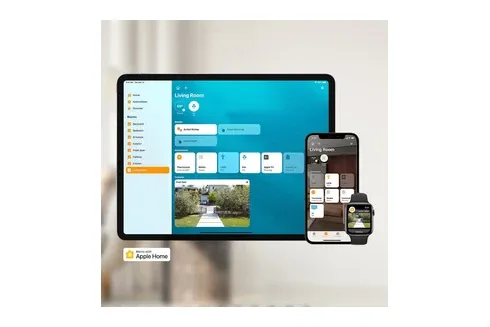
The development of remote control devices has taken a significant leap. Once limited to basic commands, modern remotes now provide full access to various smart home systems. With Wi-Fi and Bluetooth integration, you can control everything from your smartphone, smartwatch, or even your voice.
Revolutionizing the Smart Home Experience
Remote controls are not just tools-they're gateways to smarter living. When combined with voice assistants like Alexa and Google Assistant, they allow users to operate home systems using simple voice instructions. Whether it’s adjusting the thermostat or turning off the lights, smart integration makes tasks seamless and hands-free.
Why Remote Control Makes a Difference
Simplified Daily Life
The appeal of remote control in smart homes lies in its ability to make daily routines smoother and faster. Whether you're turning on your coffee maker from bed or checking your security cameras from work, convenience is always at your fingertips.
- Seamless operation of smart devices from anywhere
- Reduced manual interaction with home equipment
- Personalized settings based on lifestyle and schedules
Boosting Energy Conservation
Another significant benefit is energy management. Remote control technology allows users to regulate lighting, temperature, and appliances more efficiently. You can schedule systems to run only when needed, cutting down on energy waste and utility costs.
Additionally, smart sensors can work alongside remote control systems to detect motion, sunlight, or ambient temperature, automatically adjusting settings to further optimize energy use. These features not only save money but also contribute to a more sustainable lifestyle by reducing overall power consumption in your home.
Stronger Home Protection
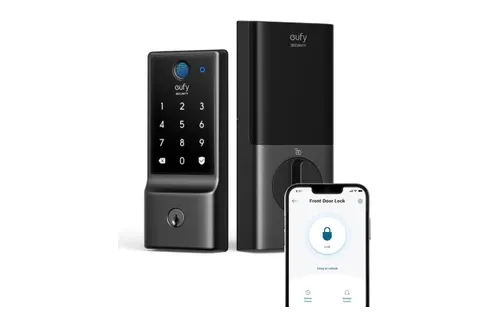
Security gets a major upgrade with remote control systems. You can access home security features remotely-lock doors, view camera feeds, or receive alerts instantly. Even when you're not home, you’re still in control, ensuring your space remains protected around the clock.
How Smart Homes Use Remote Control Systems
Smart Ecosystem Integration
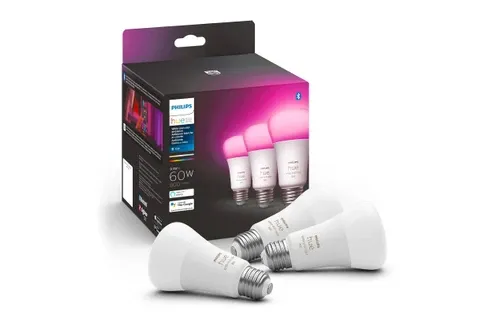
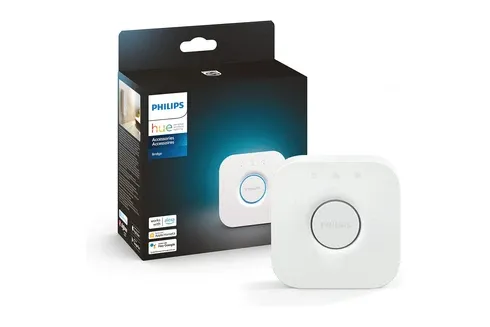
At the heart of any smart home is the ecosystem of connected devices. Remote control technology links with smart plugs, thermostats, light bulbs, and more through smart hubs or cloud platforms. This integration enables fast, unified communication among all devices.
Universal Compatibility for Easy Control
It’s essential that your remote control solutions support a wide range of devices. Universal remotes and apps that connect with multiple brands ensure streamlined operations from a single platform. This eliminates confusion and enhances user experience.
Looking Ahead: The Future of Remote Control
Remote control technology is constantly evolving. With machine learning and AI-driven updates, future remotes will anticipate your habits and adjust settings accordingly. These smarter systems will learn your routines and preferences, giving you an even more intuitive home environment. With increased power to automate decisions and respond to data in real time, these solutions are becoming more proactive and intelligent.
Everyday Life Enhanced by Remote Access
Understanding the influence of remote control in everyday life helps homeowners embrace smarter solutions. These devices eliminate unnecessary steps and improve how we interact with our surroundings. In a world where time and convenience matter, remote control stands out as a game-changer.
Expanding Comfort Through Customized Control
As smart home systems continue to grow more advanced, remote control features are also becoming more personalized. Homeowners now have the ability to build routines that match their exact preferences, whether it’s setting the perfect lighting environment for movie nights or ensuring the ideal temperature before returning home from work. Because these systems can sync with calendars, location data, and even weather forecasts, they provide a level of convenience that feels almost effortless. This customization gives users more confidence in the reliability of their smart technology, making everyday life feel more controlled and cohesive.
Remote control technology also supports users with accessibility needs. Individuals with limited mobility or physical challenges benefit greatly from the ability to manage essential household functions without needing to move around the home. Tasks like adjusting curtains, locking doors, or powering appliances become simple and convenient, contributing to a more inclusive living environment. These advancements highlight how remote control tools can enhance both independence and safety for a wide range of users.
Furthermore, remote access provides peace of mind for people managing second homes or rental properties. By checking device statuses and receiving real-time alerts, owners can maintain visibility and control over spaces even when they are miles away. This added oversight helps detect problems early, reduce risks, and ensure that the property runs efficiently at all times.
As remote control technology continues to evolve, homeowners are discovering even more ways to integrate these tools into their daily routines. One growing trend is the use of predictive automation, where systems learn from repeated patterns and adjust settings without the need for constant user direction. For example, if you tend to dim the lights at a particular hour or prefer a warmer temperature in the early morning, advanced remote control systems can automate these actions with remarkable accuracy. This shift transforms remote control from a simple tool into an intelligent partner that supports your lifestyle. Another exciting innovation is the rise of multi-sensory environments, where remote control systems manage lighting, audio, and even scent devices to create immersive home experiences. These features allow homeowners to design atmospheres for relaxation, work, or entertainment with a single tap. Remote control also plays a key role in improving energy monitoring, giving users real-time feedback on power consumption and offering suggestions for reducing waste. With stricter energy regulations and growing interest in sustainable living, this level of insight is becoming increasingly valuable. By enabling smarter choices and providing stronger oversight, remote control systems help individuals reduce their environmental impact while enjoying greater comfort and convenience at home.