
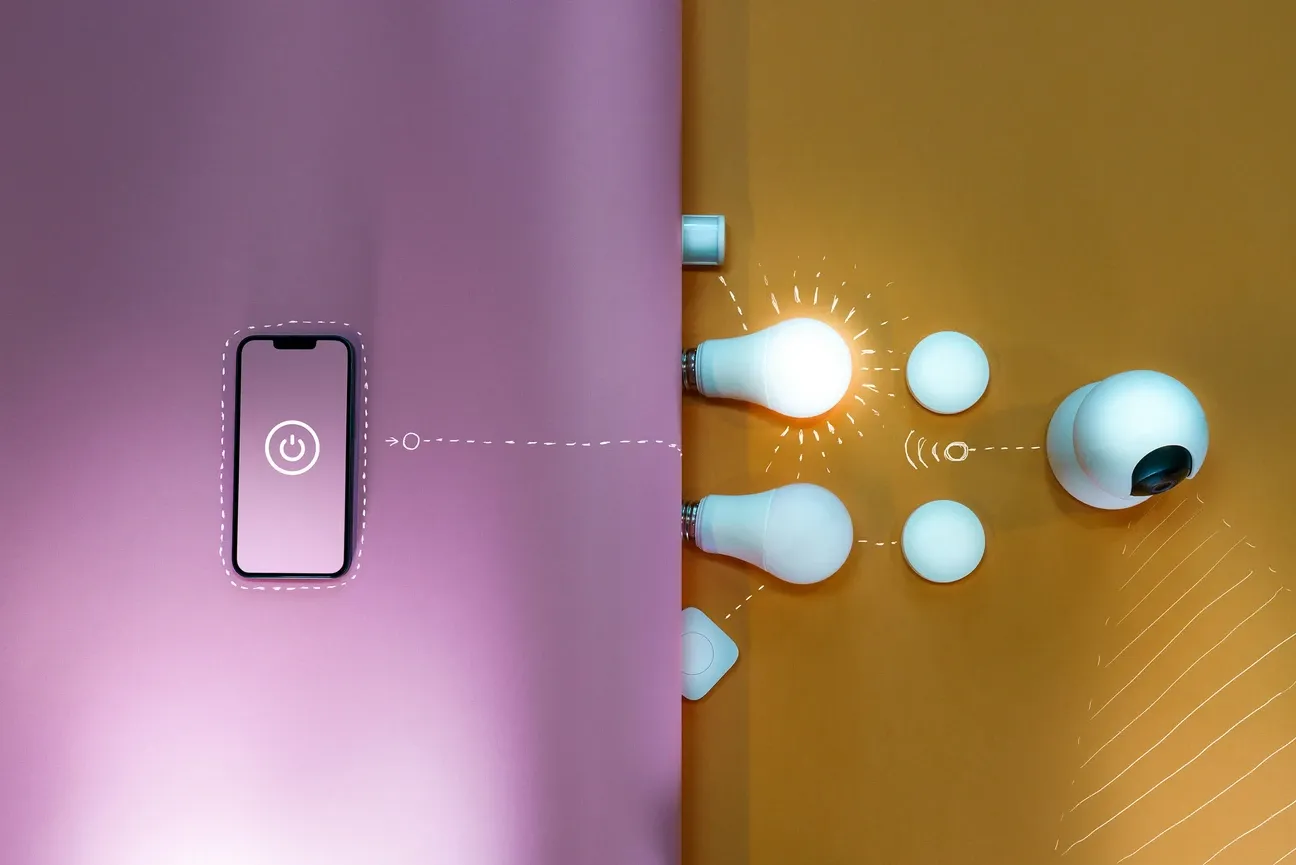
The future of smart homes is brighter than ever, and smart switches are at the forefront of this transformation. These innovative devices replace traditional wall switches with intelligent versions that connect to your Wi-Fi or other networks, allowing control via apps, voice commands, or automations. As homes evolve into connected ecosystems, smart switches stand out for their simplicity and impact. They enable the future of smart homes by offering energy efficiency, enhanced security, and seamless integration with platforms like Alexa and Google Assistant
In today's fast-paced world, people want homes that anticipate their needs. Smart switches make this possible without major renovations. For instance, you can schedule lights to mimic occupancy when away, deterring intruders while saving power. The market for these devices is exploding, valued at $806.6 million in 2025 and projected to hit $1.66 billion by 2033 with a 9.3% CAGR This growth reflects rising demand for IoT devices that deliver real convenience and cost savings. North America and Europe lead adoption, but Asia-Pacific surges due to urbanization and higher incomes
Market Growth Driving the Future of Smart Homes
The smart home sector as a whole is booming, with the global market expected to reach $848.47 billion by 2034 Within this, smart switches capture significant attention because they serve as the backbone for broader automation. Unlike complex systems requiring professional setup, these switches install like standard ones, making them accessible for retrofit homes-the largest segment in 2024
Consumers shift toward premium models with advanced features like energy monitoring and voice control integration Residential use dominates, but commercial spaces grow fast for better building management Factors like smartphone proliferation and remote monitoring needs fuel this Government energy-saving initiatives further boost adoption, countering concerns over installation costs and privacy
Wireless technology propels growth, enabling easy device linking without rewiring AI and machine learning personalize experiences, learning habits to optimize lighting or heating By 2026, expect homes where switches route intents across appliances-one command adjusts lights, climate, and more
Regional Trends in Smart Switch Adoption
North America benefits from established infrastructure, holding the largest share Europe follows closely, with markets like the UK projected at $12.29 billion and Germany at $12.72 billion by 2026 Asia-Pacific, including China's $14.34 billion forecast, sees rapid urbanization driving demand Even Middle East & Africa ramps up with smart entertainment tying into switches
Key Benefits of Smart Switches in Modern Homes
Why do smart switches lead the future of smart homes? They deliver tangible advantages over basic lighting controls. Energy efficiency tops the list-monitor usage via apps to cut waste, aligning with green living goals Safety improves too; remote shutoffs prevent hazards like forgotten appliances
Voice integration with Amazon Echo or Google Home simplifies life-no more fumbling for switches in the dark Scheduling ensures lights welcome you home or turn off automatically. Premium options offer motion detection or humidity sensing for smarter responses
Cost-wise, initial prices range from economy to premium, but savings accumulate A Gearbrain report notes smart homes become affordable, with switches as entry points They blend into architecture, supporting trends like circadian lighting for better sleep
Here are essential benefits that make them indispensable:
- Energy savings through real-time monitoring and auto-scheduling, reducing bills significantly
- Seamless voice assistant control for hands-free operation in kitchens or bathrooms
- Enhanced home security by simulating occupancy or linking to cameras
- Easy retrofit installation without tearing down walls, ideal for older homes
Top Features Revolutionizing Smart Switches
Innovation pushes smart switches beyond on/off functions. Look for Zigbee or Z-Wave compatibility for robust networks Energy tracking shows daily consumption, helping tweak habits Some integrate with SmartThings hubs for whole-home control.
By 2026, expect AI-driven predictions-like preheating based on your routine Brands like TP-Link, Lutron, and Leviton offer reliable options GE and Belkin provide user-friendly models with app control
Integration with Broader Smart Ecosystems
Smart switches shine in ecosystems. Pair with Philips Hue bulbs for dimming or ecobee thermostats for climate sync Voice assistants act as hubs, routing commands fluidly Future homes use large language models for natural interactions, like suggesting meals while adjusting lights
Energy systems evolve too-switches coordinate with batteries like Tesla Powerwall for price-aware usage This turns energy into a smart financial tool, not just a bill
Installation and Best Practices for Success
Setting up smart switches is straightforward. Turn off power, swap the old switch, and connect wires-most take 15 minutes Use neutral wires if required; some no-neutral models exist for legacy wiring.
Choose based on needs: rocker for traditional feel, toggle for style, or push-button for modern vibes Test compatibility with your voice assistant first. Apps like Kasa from TP-Link simplify management
Troubleshooting? Ensure strong Wi-Fi; repeaters help in large homes. Update firmware regularly for security patches Start small-replace living room switches-then expand.
For optimal performance:
Maintain firmware updates to access new features and security fixes. Position switches centrally for best signal strength. Combine with motion sensors for automated rooms.
Challenges and Solutions Ahead
High upfront costs and privacy worries slow some adoption Solutions include economy models and robust encryption from leaders like Eaton As prices drop with market growth, barriers fade
Interoperability improves via standards like Matter, ensuring cross-brand work By 2033, expect ubiquitous integration
Embracing the Future with Smart Switches Today
The future of smart homes hinges on accessible tech like smart switches. They lead by enabling energy efficiency, convenience, and security without complexity. As markets project massive growth-smart home sector to $848 billion by 2034-these devices pave the way Start with one switch; soon, your home thinks for itself.
Imagine returning to lights that greet you, optimized energy use, and appliances in sync. This isn't distant-2026 trends show it's here Brands like Leviton and Lutron make it reliable Retrofit your space for sustainable living.
Beyond switches, envision predictive homes tracking groceries via connected fridges or auto-charging EVs Smart switches unlock this by controlling power flows intelligently. Costs drop as tech matures, making luxury standard
In daily life, they reduce friction-no thermostat battles or forgotten lights Health benefits emerge with circadian rhythms via adaptive lighting Commercial spaces gain from remote management
Ready to lead your home's future? Pick a compatible switch, install it, and watch automation unfold. The era of passive homes ends; interactive, efficient living begins. With ongoing innovations in AI and IoT, smart switches ensure your space evolves seamlessly, blending tech into everyday comfort for years ahead
This shift redefines home as a partner in well-being. Energy-aware decisions happen automatically, fostering green living. Security integrates fully, with switches alerting on anomalies. Convenience multiplies-voice your needs, and the house responds.
As adoption spreads globally, from Asia's urban boom to Europe's eco-focus, smart switches unify the vision They prove big changes start small, transforming walls into intelligence hubs. Embrace them now for a smarter tomorrow.