Artificial Intelligence for Smart Home Automation
Explore AI applications in smart home devices including machine learning, voice recognition, and intelligent automation control.
February 10, 2026
Blog posts
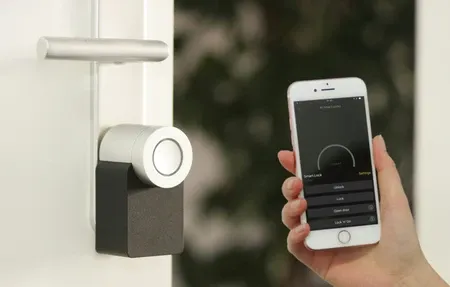
Discover how to install a smart security system with our comprehensive, easy-to-follow guide. Enhance your home security effortlessly today!
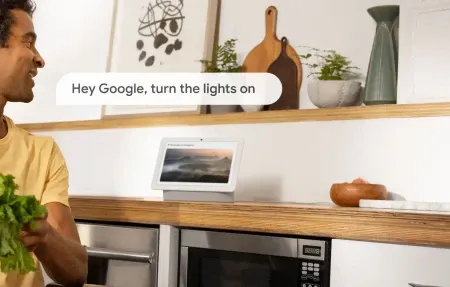
Discover how Google Home's latest Gemini update, powered by AI, boosts smart home automation with new features, expanded device compatibility, and improved security.

Understanding the pros and cons of robot vacuum cleaners versus traditional models helps you zero in on the right cleaner for your home-price, performance, and convenience all play a part.

In 2025, AI-powered smart home assistants are taking a leap with advanced features that let them initiate conversations, offering personalized and intuitive home management. ai-powered

Explore the differences between Google Nest and its top competitors in the smart home market. Compare features, compatibility, and usability to find the right system.

Samsung is redefining **smart home** experiences with its **AI revolution**, bringing unprecedented intelligence to your daily life. This article explores whether your appliances are smarter than you and how Samsung's innovative appliances are transforming homes with advanced AI capabilities.
Products
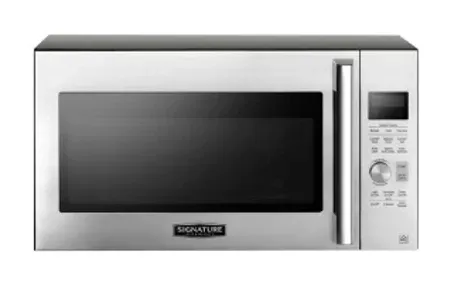
Smart microwave with FHD touchscreen, ThinQ control, sensor cooking, and convection heating. Over-the-range design with SmartThings integration.
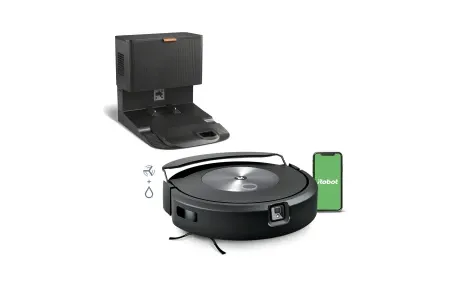
Premium robot vacuum-mop with Clean Base® self-emptying dock, AI obstacle avoidance and deep smart-home integration for hands-free floor care.
Autonomous household chore assistant robot with advanced AI, physical manipulation, smart home orchestration, voice integration for daily home tasks.
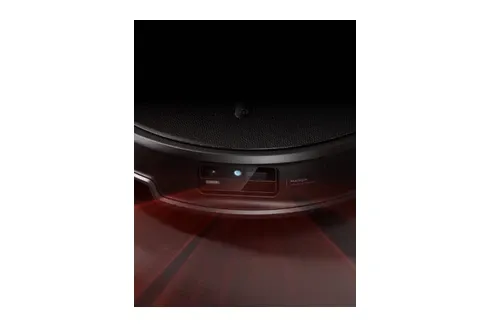
Roborock Saros 20 - 35,000 Pa HyperForce suction, AdaptiLift Chassis 3.0, StarSight 2.0 navigation, and RockDock auto-cleaning.
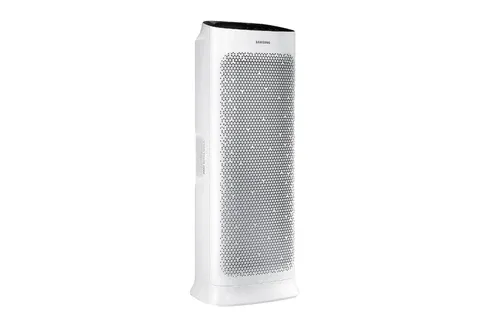
Samsung AX90 air purifier features smart control, HEPA filtration, and sleek design. Perfect device for your Smart Home.
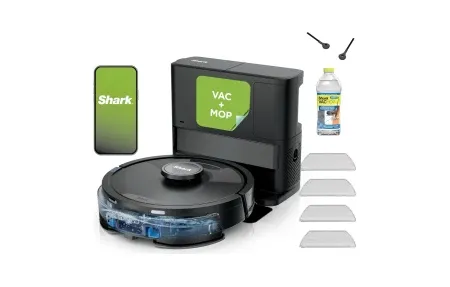
The Shark AI Ultra 2-in-1 Robot Vacuum and Mop combines powerful suction, intelligent navigation, and multi-surface cleaning.
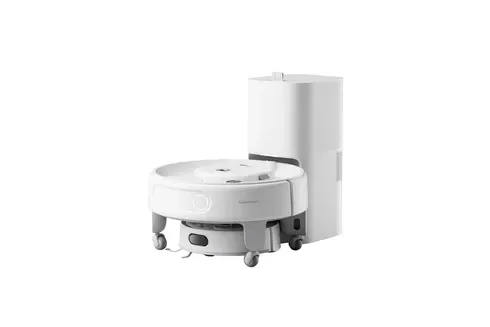
SwitchBot K20+ Pro modular vacuum with 4000Pa suction, DToF laser mapping, 2K pet camera, and integration with Alexa and Google Home.
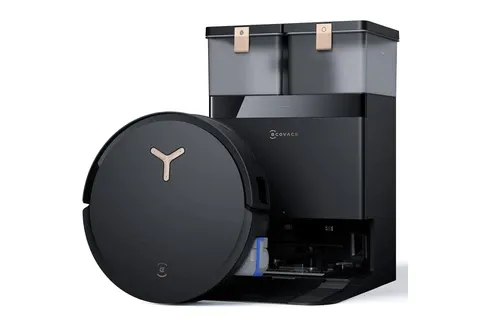
Ecovacs X8 Pro Omni is an advanced robotic vacuum with powerful cleaning, smart navigation, and seamless app integration for smart homes.
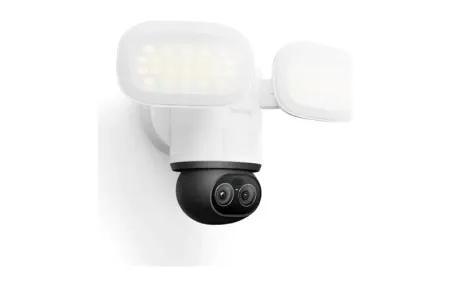
Reolink TrackFlex is an advanced smart tracking camera with superior motion detection, 360° coverage, and seamless home automation compatibility.
Samsung Vision AI Companion integrated into Samsung TVs with AI-powered entertainment assistance, Microsoft Copilot, and SmartThings home control.
AI changes how home automation works. It uses learning systems, speech tools, and data analysis. Modern smart devices use AI to detect voices, spot faces, predict habits, and make choices that boost home comfort and safety.
Machine Learning Applications
Smart home devices use learning systems to adapt to your habits over time. Learning thermostats set heating times on their own. Smart lighting systems change brightness and color based on daily routines with no manual setup needed. Pattern analysis finds repeat habits. It then suggests actions that improve convenience and save energy. Presence sensing combines sensor inputs to detect room use more reliably than a single source. Motion tracking can tell if you are cooking, watching TV, or sleeping. It then adjusts the room settings to match. The system remembers your fixes and refines future choices. Over time, it needs less manual input. Shared data from similar homes helps suggest proven tweaks. Context-aware tools read sensor data and tell normal behavior apart from issues that need your attention. Adaptive systems keep adjusting to stay on target as conditions change. Clear AI reports show why choices were made. This builds trust and lets you override when needed.
Voice Recognition and Control
Speech processing lets you talk with smart home helpers in a natural way. It reads context and intent, not just keywords. It works in many languages and knows who is speaking. Noise filtering helps it hear commands clearly, even in noisy rooms.
Predictive Automation Intelligence
AI studies past data to predict future needs and act before you ask. Safety systems spot odd patterns that may signal threats. Energy tools forecast usage and run devices more cheaply. Vision systems scan camera feeds to find objects, people, and actions on their own. Facial detection tells family members from guests and triggers tailored responses. Odd behavior alerts flag events that may need a closer look. Deep learning nets get more precise over time as they train on new events. Local processing cuts delays and guards privacy by keeping data off the cloud. Smart networks read sensor inputs and react faster than basic rule systems. Early fault detection finds failing parts before they break, stopping downtime. Tip engines suggest better routines based on how you use your devices. Voice tone analysis reads mood cues and adjusts replies to fit. Room use forecasting sets climate control and lights before you arrive. Load estimates predict future energy demand for better cost planning. Movement tracking tunes responses based on how people move through the home. Context linking ties room conditions to your preferred settings without coding. Blended sensor data from many types builds a fuller picture than one source alone. Trial-and-error learning finds answers humans might miss. Knowledge transfer speeds up setup in new homes by reusing past lessons.
Modern AI turns basic home control into smart spaces that know what you need without constant input. These systems keep getting better through experience and pattern tracking. Privacy stays a top concern. Many setups process sensitive data only on local networks, blocking outside access. The tech helps elderly users and those with mobility limits stay independent through voice controls and automated help. Energy tools balance comfort and cost, cutting utility bills without losing quality of life. Integration across brands and device types builds unified experiences through standard protocols. AI-powered smart home devices deliver major convenience. They adapt to your daily routines and personal choices without needing ongoing manual tweaks. Learning systems process large amounts of sensor data. They find patterns that enable far better automated actions than basic rule systems allow. Speech tools let you talk to smart home helpers in plain language. You do not need to memorize specific commands or phrase formats. Vision systems scan feeds from security cameras and doorbells. They detect people, packages, cars, and threats while filtering out tree sway, clouds, or small animals. Energy tools forecast future use based on past data, weather, schedules, and rate plans. They cut costs without hurting comfort.
The gap between basic smart home rules and true AI lies in how the system handles new situations. A rule says "turn off lights at 11 PM" and runs that same action every night. An AI system notices that you stayed up late on weekends and adjusts on its own. It learns that rainy days mean earlier indoor lighting and sunny days mean open blinds. Over months, the system builds a map of your habits that no manual rule set could match. This shift from fixed rules to learned behavior is what makes AI homes feel natural rather than rigid. The result is a home that quietly adapts to your life instead of forcing you to adapt to it.
AI technology in smart homes relies on neural networks trained on millions of data points collected from sensors, microphones, and cameras. Edge computing chips built into modern devices handle inference tasks locally, keeping response times under 100 milliseconds for voice commands and object detection. Common AI chipsets found in smart home hardware include the Google Edge TPU, Apple Neural Engine, and Amlogic processors with dedicated NPU cores. These chips draw between 0.5 and 2 watts, making them practical for always-on devices. Natural language processing models now support over 30 languages and can parse compound requests that contain multiple commands in a single sentence. Computer vision models used in security cameras and doorbells typically run at 15 to 30 frames per second while classifying objects into categories such as people, vehicles, animals, and packages.