



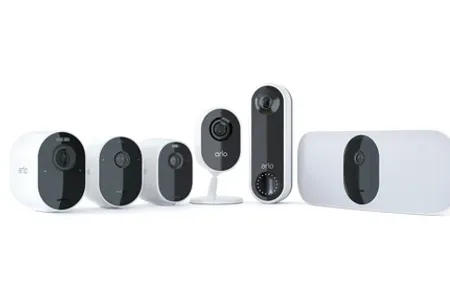
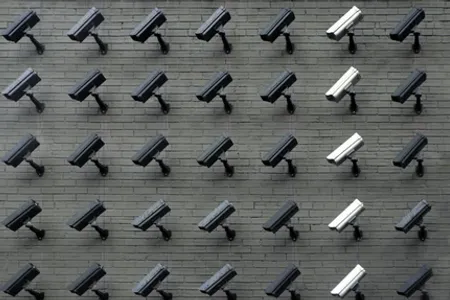


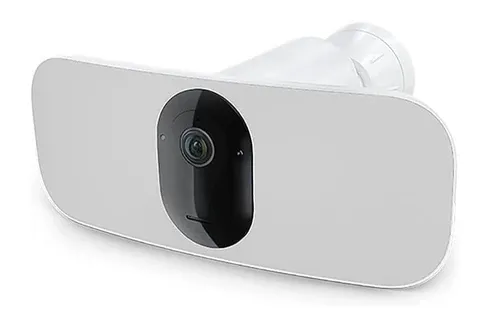
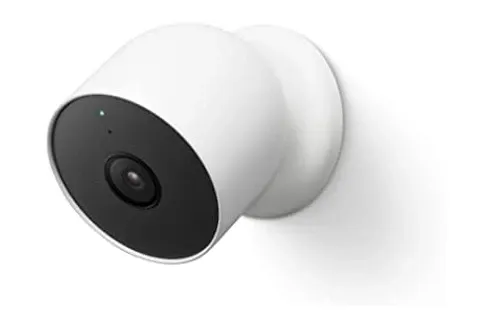
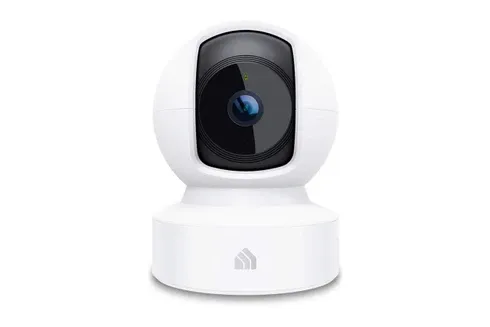
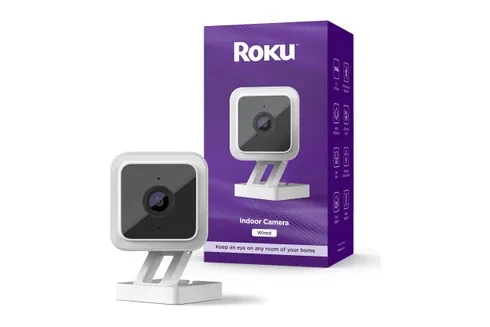

Smart Home Surveillance and Monitoring
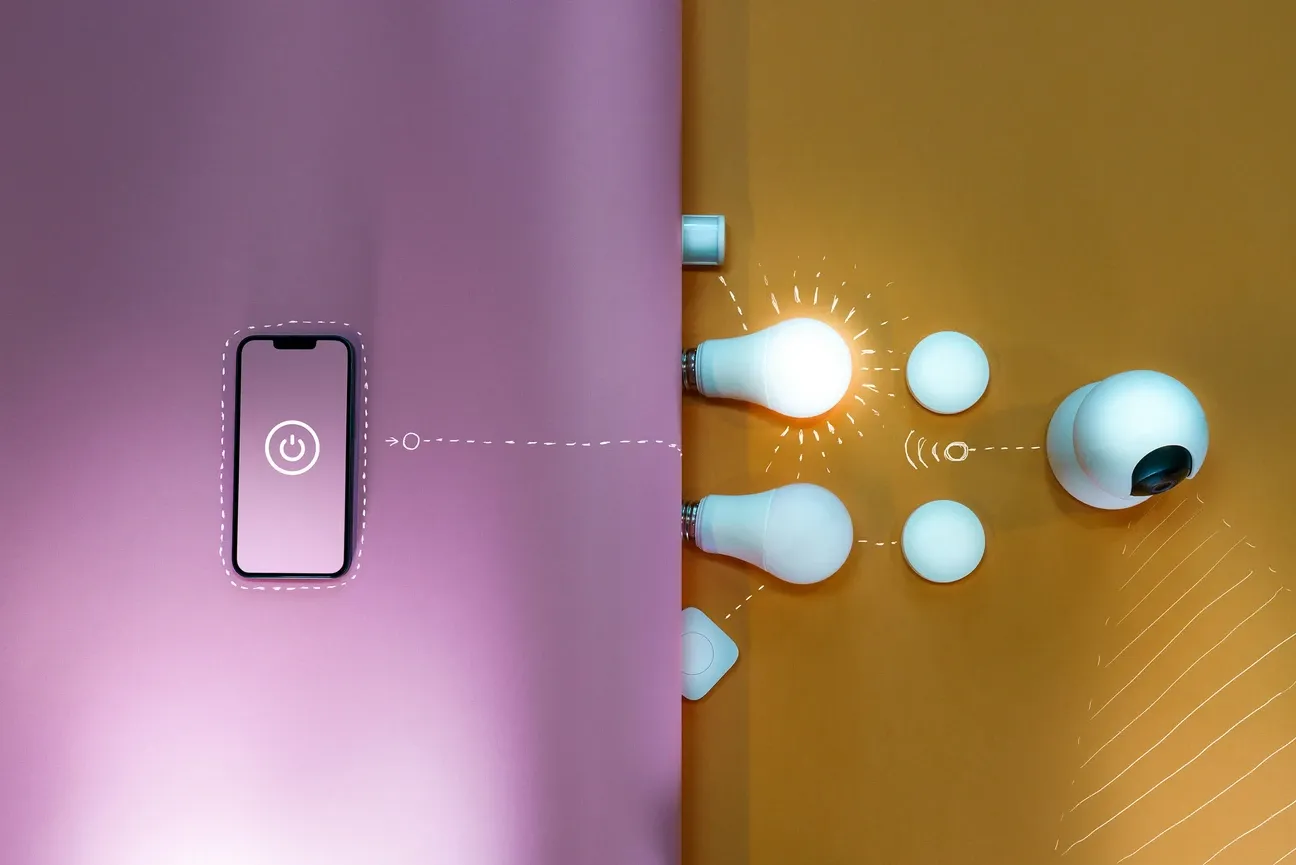
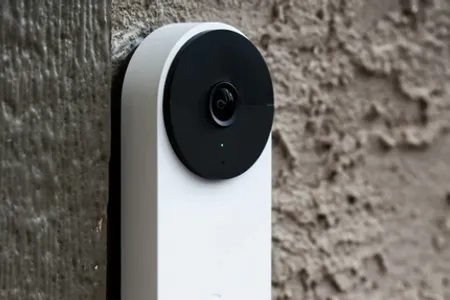
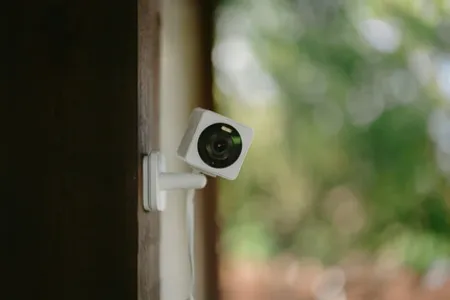
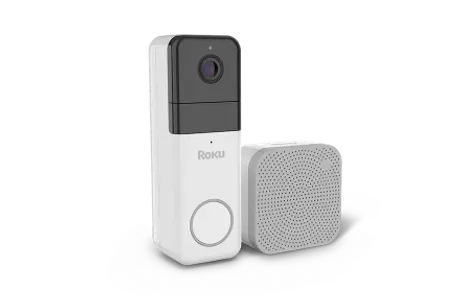
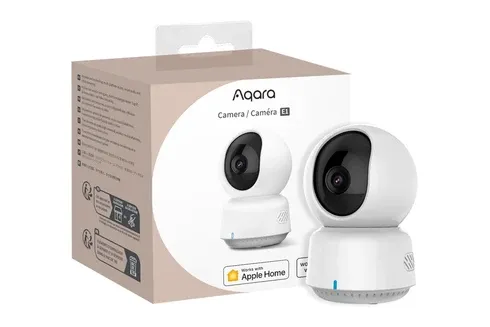
Smart home surveillance systems provide comprehensive monitoring and security for your property with continuous protection and intelligent alerts. From security cameras to advanced monitoring solutions, surveillance technology helps you keep watch over your home and loved ones with peace of mind. Advanced features include motion detection, night vision, two-way audio communication, and cloud storage for continuous property protection and evidence preservation. Surveillance represents an essential component of modern home security, offering deterrent value against potential threats while providing documented evidence when incidents occur.
Surveillance systems integrate with smart home hubs and voice assistants, allowing you to monitor activity in real-time and receive instant alerts when motion is detected. Whether you're at work, on vacation, or simply another room in your home, surveillance cameras and monitoring devices keep you informed about what's happening around your property. Professional surveillance capabilities provide comprehensive property monitoring with intelligent detection, real-time alerts, and recorded evidence for incident investigation. Advanced camera technology captures high-resolution video suitable for security verification and evidence gathering in case of security breaches. Modern surveillance systems combine multiple technologies to create layered security: high-resolution video with wide-angle lenses covers entry points and perimeters effectively, while motion detection algorithms distinguish between important activities and false triggers from weather or vegetation movement.
Night vision capabilities use infrared or color night technology to maintain continuous visibility in complete darkness, ensuring no blind spots in your security coverage. Integration with home automation systems enables coordinated responses like triggering outdoor lighting when motion is detected, or locking doors when unauthorized activity is identified. Cloud storage provides secure off-site backup preventing evidence loss, while local storage offers privacy-focused recording without internet dependency. Smart surveillance transforms reactive security into proactive protection through continuous monitoring and intelligent analysis.
Future-Ready Surveillance Systems
As smart home technology evolves, surveillance systems continue adding capabilities like AI-powered person detection, package recognition, and anomaly detection that learn your home's normal patterns. Modern surveillance infrastructure supports multiple viewing methods-smartphone apps, web dashboards, voice commands, and automated alerts-enabling you to stay informed regardless of your location or situation. Investment in quality surveillance technology provides long-term security benefits, peace of mind for your household, and valuable documentation for insurance and law enforcement purposes when needed.
Effective surveillance extends beyond simple recording to include analysis and response. Modern systems learn normal activity patterns and alert you to deviations, distinguishing between expected visitors and potential threats. Cloud storage ensures your recordings persist even if equipment is stolen, while local storage protects privacy by keeping data within your home. The combination of video evidence, motion timestamps, and automated alerts creates a comprehensive security layer that deters criminal activity while providing documentation that speeds law enforcement response when incidents occur. Regular system maintenance, lens cleaning, and firmware updates ensure your surveillance investment continues protecting your home effectively.
Start building your surveillance system today by selecting quality cameras matched to your specific protection needs and installation environment. Whether you need outdoor weatherproof models, discreet indoor options, or specialized thermal imaging systems, modern surveillance technology offers solutions for every security requirement. Begin with perimeter cameras at entry points, expand to interior monitoring as needed, and integrate with your broader smart home ecosystem for coordinated security responses. Consistent monitoring combined with proper maintenance creates a powerful deterrent while providing reliable evidence when protection is needed most. Establish comprehensive surveillance coverage today and enjoy peace of mind knowing your property is continuously protected.
Implementing surveillance within your smart home ecosystem creates layered security combining multiple detection and recording methods. Strategic camera placement covers entry points, vulnerable windows, and exterior perimeters while respecting privacy in sensitive areas. Cloud storage ensures recordings persist even if equipment is stolen, while local storage protects privacy by keeping data within your home network. Modern surveillance systems leverage artificial intelligence to distinguish between important security events and false alarms caused by weather, animals, or normal movement. Professional-grade systems integrate with other smart home devices like locks and lighting to create coordinated responses to detected threats. Regular maintenance including lens cleaning and firmware updates ensures continuous reliable operation. Investment in quality surveillance provides peace of mind through continuous monitoring and evidence preservation when security incidents occur. Strengthen your home security today with intelligent surveillance systems that combine advanced camera technology with automated responses and intelligent analysis for comprehensive property protection.
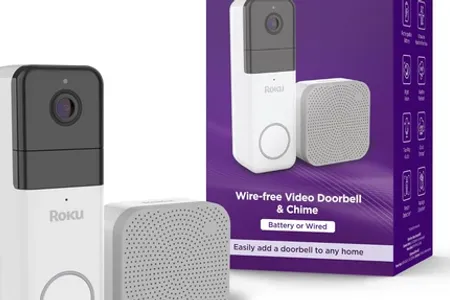
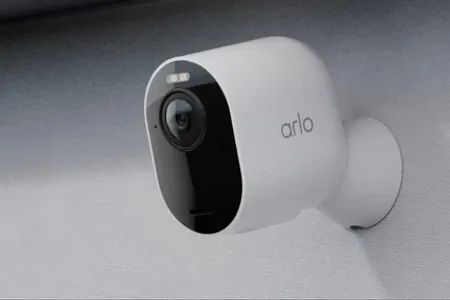
This product seamlessly integrates into modern smart home ecosystems, offering flexible compatibility with popular platforms and protocols. Users appreciate the intuitive interface that minimizes setup complexity while maximizing functionality. The device architecture prioritizes reliability, with consistent performance across different environmental conditions and usage scenarios. Future firmware updates promise enhanced capabilities, ensuring your investment remains relevant as technology evolves.
Strategic Camera Placement and Coverage Planning
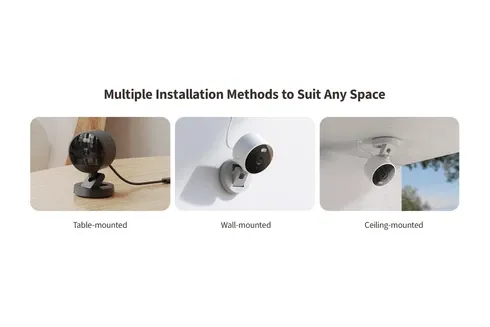
Effective surveillance requires careful consideration of camera placement, coverage angles, and environmental factors that influence video quality. Entry points including front doors, garage doors, side gates, and patio doors represent critical monitoring locations where security risks are highest. Cameras positioned at these locations should offer wide-angle coverage that captures approaching visitors from sufficient distance to enable identification. Height placement proves crucial, with most security experts recommending installation between seven and nine feet above ground, high enough to document faces of approaching visitors but not so high that overhead angles obscure facial features needed for identification. Angling cameras slightly downward helps capture faces while preventing direct sunlight from washing out video in afternoon hours.
Perimeter coverage extends surveillance beyond immediate entry points to include vulnerable windows, roof access areas, and rear yard zones where intruders might approach less visibly. Strategic placement of multiple cameras creates overlapping coverage that eliminates blind spots around corners and building edges. Corner-mounted cameras or strategically positioned exterior cameras can cover dead zones that single camera installations leave unmonitored. Planning comprehensive coverage before purchasing ensures you acquire appropriate quantity and types of cameras rather than discovering gaps after installation. Visual mapping using satellite imagery or detailed property photos helps identify optimal camera positions before hardware arrives.
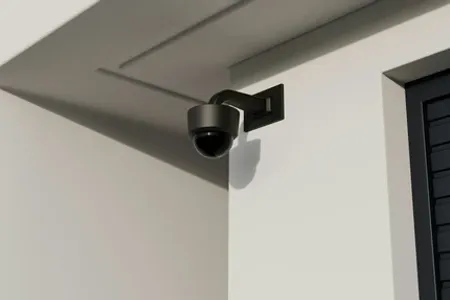
Environmental factors significantly impact surveillance effectiveness and should guide camera selection and placement decisions. Cameras positioned to face east or south receive morning or afternoon sunlight that can create backlighting challenges requiring camera models with wide dynamic range capabilities. Cameras placed under eaves or building overhangs experience less direct weather exposure, potentially extending lifespan and reducing maintenance needs. Proximity to landscape lighting or street lamps can introduce unwanted glare or shadows that interfere with nighttime visibility. High wind areas might benefit from sturdy mounting hardware and potentially weather-sealed camera models designed for extreme conditions. Considering these environmental variables during planning prevents expensive camera relocations or disappointment with suboptimal video quality.
Video Quality, Storage, and Retention Strategies
Modern surveillance systems offer multiple storage options, each with distinct advantages and tradeoffs. Cloud storage provides off-site backup that protects recordings even if equipment is stolen or damaged, crucial for maintaining security evidence after incidents. However, cloud storage typically involves subscription costs, potential privacy concerns about third-party access to recordings, and bandwidth requirements for continuous upload. Local storage using attached hard drives or network-attached storage preserves recordings within your home network, providing privacy protection and eliminating ongoing subscription costs. The tradeoff involves risk of evidence loss if storage devices are stolen or fail before recordings are backed up. Hybrid approaches combining both local and cloud storage offer optimal protection, maintaining local copies for immediate access while cloud copies protect against equipment loss.
Retention policies determine how long recordings remain available for review before being overwritten or deleted. Security best practices recommend maintaining at least thirty days of continuous recording for standard residential surveillance, allowing time to discover incidents and preserve evidence before automatic deletion. Higher-value properties or homes in high-crime areas might warrant longer retention periods, stretching towards ninety days or more. Conversely, privacy-focused implementations might deliberately limit retention to shorter periods, automatically deleting older recordings after two weeks. Whatever retention period you select should align with your security priorities, storage capacity, and privacy preferences. Most systems support tiered retention where higher-priority areas maintain longer recording history while less critical zones automatically delete older footage more aggressively.
Video resolution represents a critical factor in surveillance effectiveness, with modern systems offering resolutions from 1080p through 4K or higher. Higher resolution provides more detail for identification purposes and enables digital zooming without excessive pixelation, benefits that prove valuable when investigating security incidents. However, higher resolution increases storage requirements significantly, potentially quadrupling storage needs when moving from 1080p to 4K. Balanced approaches often employ 1080p or 2K resolution for most cameras, reserving higher resolutions for critical areas like front doors where facial identification matters most. Night vision capabilities vary between infrared systems that produce black-and-white video and color night technology that maintains color information in darkness. Understanding these tradeoffs helps select camera specifications matching your actual surveillance requirements rather than purchasing maximum capability and wasting storage on unnecessary resolution.
Integration and Response Automation
Smart surveillance gains dramatically increased value through integration with broader smart home automation systems. Automated responses to detected motion, such as activating outdoor lighting, alert home occupants and create the appearance of activity that deters opportunistic criminals. Notifications sent to smartphones enable immediate awareness of activity and potential threats regardless of location. Recording events triggered by detected motion optimizes storage utilization by capturing only significant activity rather than continuous video of empty spaces. Some advanced systems employ person detection algorithms that distinguish between visitors, delivery personnel, and family members, enabling appropriately tailored responses. For example, detection of an unexpected visitor might send immediate alerts while recognition of regular mail carriers might log the event without notifications.
Integration with smart locks enables coordinated security responses, such as locking doors when unauthorized activity is detected during vacation periods. Voice assistant integration allows verbal surveillance status queries, with the ability to view live video on compatible displays throughout your home. Creating comprehensive security routines that coordinate cameras, locks, lighting, and alerts transforms surveillance from passive recording into proactive security that responds intelligently to detected threats. Testing these integration scenarios during normal operations ensures they function reliably when actually needed. Documentation of your integrated security setup helps troubleshoot problems and guides family members in emergency situations.
Maintenance and System Reliability
Regular surveillance system maintenance ensures consistent performance and extends equipment lifespan substantially. Monthly lens cleaning removes dust, spider webs, and weather deposits that accumulate on camera optics and reduce video quality. Power cycling cameras quarterly refreshes network connections and clears temporary memory issues that might degrade performance over time. Firmware updates should be installed promptly when available, ensuring cameras receive security patches and performance improvements. Testing recording functionality monthly, reviewing recent video footage for quality, and verifying that alerts function properly maintains awareness of system status. Proactive maintenance prevents gradual degradation of video quality that might go unnoticed until it becomes impossible to identify important details during security incidents. The modest time investment in surveillance system maintenance delivers substantial returns through reliable operation and optimal video quality when surveillance documentation matters most.
Privacy and Security Best Practices
Camera placement strategies balance security needs with household privacy concerns. Avoid pointing cameras into bathrooms, bedrooms, or other private spaces where expectation of privacy is paramount. Exterior cameras focused on entry points, driveways, and perimeter areas provide security value while respecting household members privacy. Cloud storage security depends on strong passwords, two-factor authentication, and limiting access to authorized users only. Regular review of camera permissions ensures only trusted people retain access to surveillance footage. Clear family communication about surveillance systems helps establish reasonable expectations about privacy and recording practices within your home.
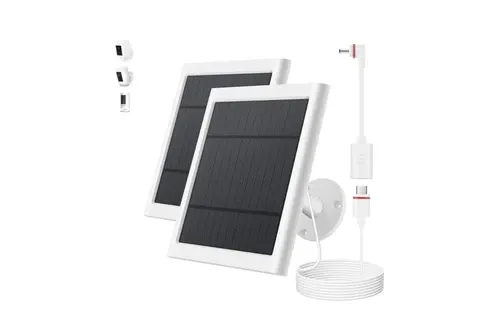
Surveillance system selection requires careful consideration of resolution requirements, storage options, power sources, and network connectivity before purchasing equipment. Higher resolution cameras capture more detail enabling identification at greater distances but consume significantly more storage space and network bandwidth compared to lower resolution alternatives. Storage capacity planning must account for desired retention periods, number of cameras, resolution settings, and recording modes to ensure adequate space remains available without constant manual deletion. Wired cameras provide reliable power and data connections but require professional installation and limit placement flexibility, while wireless battery-powered cameras offer easy installation anywhere but demand regular battery replacement or solar charging solutions.
Network connectivity proves critical for cloud-enabled surveillance systems that upload recordings to remote servers for off-site backup and remote viewing. Adequate internet upload bandwidth prevents recording gaps caused by network congestion, with modern high-resolution cameras potentially requiring several megabits per second upload capacity per camera. Local network reliability matters equally since cameras must maintain consistent connections to recording hubs or cloud services to capture footage reliably. Wireless cameras compete for limited WiFi bandwidth with other household devices, potentially causing connectivity issues in homes with many wireless devices or weak router signals in distant areas.
Budget considerations extend beyond initial camera purchase prices to include ongoing subscription costs for cloud storage, periodic equipment replacement, and potential professional installation fees. Cloud storage subscriptions often represent the largest long-term expense, with premium features like extended retention periods, advanced motion detection algorithms, and priority support commanding higher monthly fees. Planning surveillance system budgets over multi-year timeframes reveals total cost of ownership more accurately than focusing solely on initial hardware expenses. Budget-conscious implementations might combine local storage for most cameras with cloud backup for critical cameras monitoring main entry points, balancing cost savings with protection against evidence loss.
Professional monitoring services provide additional security layer by employing trained personnel who review alerts and contact authorities when suspicious activity occurs. Monthly monitoring fees typically exceed self-monitored cloud storage costs significantly but deliver faster emergency response since monitoring center personnel can verify incidents before dispatching police or fire services. False alarm reduction through professional verification prevents unnecessary emergency responses that might incur fines in jurisdictions limiting false alarm frequency. Evaluating whether professional monitoring justifies additional expense depends on individual security concerns, neighborhood crime rates, and personal comfort managing security notifications independently versus delegating response decisions to trained security professionals.
Legal compliance requirements vary significantly across jurisdictions regarding surveillance camera usage, recording notice requirements, and retention limitations. Some regions mandate visible signage warning visitors about active surveillance recording, while others restrict recording audio without explicit consent from all recorded parties. Workplace surveillance often faces stricter regulations than residential installations, with employee notification and consent requirements potentially limiting permissible camera placements and recording practices. Researching local surveillance laws before installing systems prevents legal complications and ensures your security implementation complies with applicable privacy regulations and recording consent requirements.
Integration opportunities between surveillance systems and other security devices create coordinated responses enhancing overall protection. Motion detection events from cameras can trigger immediate responses including activating outdoor lighting to illuminate intruders clearly, locking smart locks to prevent entry, and sending emergency notifications to household members alerting them to potential threats. Coordinating surveillance with alarm systems enables cameras to begin recording automatically when alarm sensors detect intrusions, capturing crucial evidence during critical moments. These integrated responses transform passive surveillance recording into active security system that responds intelligently to detected threats rather than simply documenting events after they occur.
Performance optimization through camera positioning, settings adjustment, and network configuration maximizes surveillance system effectiveness. Positioning cameras to avoid direct sunlight prevents glare and exposure problems that wash out important details during certain times of day. Adjusting motion sensitivity settings reduces false alerts from trees swaying in wind while ensuring genuine security events trigger reliable notifications. Configuring quality versus bandwidth settings balances video clarity against network capacity limitations and storage consumption rates. Regular performance reviews identifying problematic cameras or persistent false alert sources enable targeted adjustments improving system reliability and user satisfaction over time.