MOVA Robot Vacuum and Mop Devices
MOVA builds flagship robot vacuum and mop combos with high suction power, swappable pads, and obstacle-clearing legs for premium home cleaning.
Products
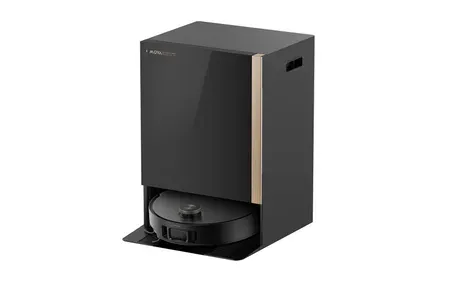
The MOVA Mobius 60 is a 1599 dollar flagship robot vacuum with...
MOVA Robot Vacuums Overview
MOVA is a robot vacuum brand focused on the premium end of the robot vacuum market. Its lineup pairs strong suction ratings with swappable mop pads and legs that lift the chassis over door thresholds and small obstacles, a mechanical trick most competitors handle with software workarounds instead. The MOVA Mobius 60 is the brand's current flagship, built for buyers who want a single device that vacuums and mops without babysitting it room by room.
MOVA targets shoppers who already own a mid-range robot vacuum and are frustrated by weak edge cleaning or mop pads that just push dirty water around. The brand leans on raw suction numbers and mechanical hardware, not marketing gimmicks, to close that gap.
What Sets MOVA Apart
- High suction ratings, often 20000Pa or higher, aimed at pet hair and embedded carpet dirt
- Swappable mop pads that let you switch between light touch-up mopping and deeper scrubbing
- Leg-lift mechanisms that physically raise the unit over thresholds instead of just tilting the brush
- Companion app controls for smart home scheduling and no-go zones
Buying a MOVA Robot Vacuum
MOVA units sit in the premium price bracket, so they make the most sense for larger homes with mixed hard floor and carpet, or for households with pets that generate heavy hair buildup. Before buying, check dock footprint (self-empty stations are large) and confirm your flooring transitions match what the leg-lift feature is designed to clear.
Pair a MOVA vacuum with Alexa or Google Assistant for voice-triggered cleaning runs, and review the mop pad replacement schedule before committing, since consumable costs add up over a year of regular use.
Maintenance and Real-World Performance
Owners who run a MOVA vacuum daily report that the biggest maintenance item is the mop pads, not the brush roll. Pads wear down faster than most buyers expect, especially in homes with tile or stone floors that generate more friction than laminate or hardwood. Budgeting for a replacement pad set every few months keeps mopping performance consistent instead of letting a worn pad smear dirty water across the floor.
Suction performance holds up well on carpet, but the real differentiator is how the unit behaves at transitions. A vacuum that vacuums well but gets stuck at every door saddle ends up needing manual rescue mid-cycle, which defeats the point of automation. The leg-lift mechanism is the feature that actually solves this, not just marketing copy, and it is the main reason buyers upgrade from a cheaper robot vacuum to a MOVA model.
Battery life on a full charge typically covers a mid-size home in one pass, with the unit returning to its dock to empty its bin and refill its water tank automatically on higher-end configurations. That self-sufficiency matters most for larger multi-story homes, where a weaker robot vacuum would need multiple manual restarts to finish the job.
Setup takes about fifteen minutes for most households, starting with the docking station placement and initial mapping run. The vacuum builds a floor plan during its first cleaning pass, then lets owners draw no-go zones and set room-specific cleaning schedules through the companion app. Most complaints during setup come from weak home WiFi coverage near the dock rather than the vacuum itself, so placing the dock within range of a strong signal avoids most connectivity headaches later.
Noise levels sit in a comfortable range for daytime cleaning, though the self-empty and water-refill cycles run louder than the vacuuming pass itself. Scheduling cleaning runs for times when nobody is on a video call or trying to nap solves that minor annoyance for most households. Overall, buyers moving up from an entry-level robot vacuum tend to notice the difference most in edge cleaning and threshold handling, the two areas where cheaper models consistently fall short.
Comparing MOVA to Other Premium Robot Vacuum Brands
The premium robot vacuum segment has gotten crowded over the past couple of years, with several manufacturers chasing the same combination of high suction and automatic mopping. What separates MOVA from the pack is less about raw specs on paper and more about how the hardware behaves in everyday homes with real furniture, real pets, and real clutter. A vacuum that scores well in a controlled lab test but gets stuck under a couch or tangled in a phone charger cable is not actually solving the problem most owners care about.
MOVA's engineering choices reflect that priority. Rather than relying purely on software to detect obstacles and route around them, the brand builds physical solutions like the leg-lift mechanism directly into the chassis. That approach tends to be more reliable across firmware updates, since a mechanical fix does not depend on a sensor correctly identifying every possible obstacle in real time. Buyers who have been burned by a robot vacuum that worked great on release day and got buggier after a software update often gravitate toward brands that solve problems in hardware first.
Price is the honest tradeoff here. MOVA vacuums cost more than mid-range competitors, and that premium only makes sense if the household actually has the mixed flooring, thresholds, or pet hair volume the extra engineering is built to handle. A small apartment with all-carpet flooring and no pets is unlikely to see enough benefit to justify the price gap over a cheaper robot vacuum.
Frequently Asked Questions About MOVA
Owners researching MOVA before buying tend to ask the same handful of questions. How loud is the self-empty cycle? Loud enough to notice, quiet enough to ignore from another room. Does the mop pad actually scrub, or just wipe? It applies light downward pressure and back-and-forth motion, which handles daily grime but will not lift dried-on stains without pretreatment. Can it handle high-pile carpet? Yes, though suction and mopping obviously do not mix, so most models automatically lift the mop pad when they detect carpet underneath.