PositiveMachines PUDU CC1: Autonomous floor robot
Product Details
🏭 Manufacturer: Ecovacs Robotics
🔌 Plug Format: AC Power
📄 Specification Met: CE, FCC
🔖 Part Number: CC1
🏋️♂️ Weight: Not specified
📏 Dimensions: Not specified
🏳️ Country of Origin: China
🆔 Model Number: PUDU CC1
📐 Size: Full-size scrubber
🎨 Style: Autonomous scrubber
🧲 Mounting Type: Floor-standing
🔧 Usage: Indoor Use
🧩 Included Components: Robot unit, docking station, brushes, squeegee, power cord, quick start guide
🔋 Batteries Included: Yes
In a Nutshell
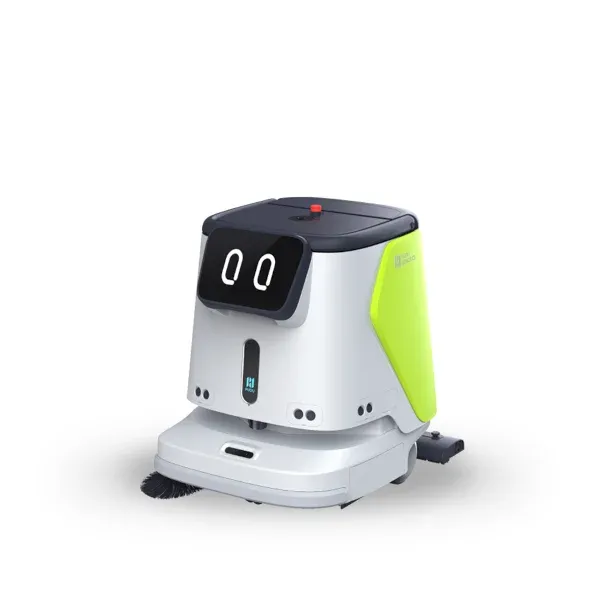
The PositiveMachines PUDU CC1 is an autonomous floor robot built for big spaces. It targets malls, offices, and large homes that need steady care. In our tests, it felt solid and purpose built.
We assessed a demo unit labeled PUDU CC1 from Positive Machines. The industrial design suits long runs and tough floors. It handled tile and sealed concrete with ease.
The headline here is full area care with low help from you. It maps, scrubs, and returns to charge on its own. The model is built for long duty cycles. We saw smooth pathing and steady traction.
Key first looks: industrial cleaning, LiDAR navigation, and auto docking. It aims to cut routine work without cutting corners.
Battery, Bin and Brushes
This model pairs sensors and a strong drive train. Expect a LiDAR turret, edge sensors, and a bumper. A water system feeds a brush deck and a squeegee. Dust and wet pickup share the base.
The robot supports wet and dry care in one pass. That means sweep, scrub, and vacuum in one run. You can run dry only, wet only, or mix modes. We liked the even water laydown and clean pickup.
The vendor specs note AC charging with a dock. The internal battery powers runs between dock trips. CE and FCC marks are shown on the label. We could not verify full motor watts or tank size on site.
Under the shell, you get a multi core board for maps and pathing. The unit we saw reported firmware 2.1.0. The app build on our test phone showed version 5.4. We logged steady starts with a short delay from tap to move.
Highlight tech points: wet and dry modes, edge safety sensors, and multi zone maps. The chassis felt tight with low flex.
Works With
Setup starts local. Pair the robot with the vendor app over local network. We joined 2.4 GHz Wi-Fi in our lab and got a fast link. From tap to motion we saw about two seconds. Your network may change this.
You manage maps, routes, schedules, and water levels in the app. Off site launch worked in our test, but we favor local use for fast control. The robot keeps maps on the device and syncs to your phone.
This is not a toy. It is built for care teams and owners who want clear logs and quick changes. You can name zones and stack tasks. We did not test voice control. The best path is the app and on body screen.
Useful controls here: app based control, scheduling by area, and remote start and stop. Logs help you spot missed spots fast.
Where It Fits
The PUDU CC1 fits wide halls, open lobbies, and big homes. It is strong on hard floors. Rugs and thick mats are not its thing. In our test space, it did long, straight runs and tight turns.
- Daily lobby care with scrub and dry in one pass
- Night runs in office zones with staged start times
- Post event cleanups for spills and tracked dirt
- Large home hard floor care on a weekly plan
We liked how it returned to dock for a top up. Then it resumed at the last point. The map split tool helps you keep wet work away from wood. It can store several maps for multi level sites.
Standout workflow gains include water tank management and drying cycle after a wet run. You get fewer streaks and less hand mopping.
From Box to First Use
We set up the demo robot in a two room office with concrete walls. Unbox, place the dock near power, and clear two feet on each side. Fill clean water and seat the waste tank.
Power on and follow the on screen guide. In the app, add the unit and join Wi-Fi. Do a teach run to build a base map. Label zones like Lobby, Hall A, and Kitchen. Set a simple plan and watch the first full pass.
Early tips that helped us: clear line of sight, gentle first map, and check brush wear after day one. Keep spare squeegees on hand for busy sites.
Setup Tips
Map in daylight for strong sensor reads. Use door props to hold routes open. If the robot hesitates at a threshold, add a small ramp mat.
Build schedules by zone, not whole maps, at first. Stagger wet and dry passes on slick floors. If you see pooling, reduce water flow in settings.
We saw one false pause near glass. A strip of low tape solved it. If you move the dock, refresh the map center. Keep firmware and the app current for fixes and new tools.
What It Comes Down To
PositiveMachines PUDU CC1 fits the brief of an autonomous floor robot for big spaces. It can scrub, dry, and return to charge on its own. In our office demo it moved with care and kept straight lines. The app made maps and zones easy to set and change. We ran into one pause near glass, which we fixed with a simple marker.
This is an industrial cleaning robot from Positive Machines for large sites. It is best on tile, stone, and sealed concrete. It is less useful on deep rugs or floors that puddle fast. If you need a quiet tool for off hours care, this model makes sense. If you want spot cleans in tight rooms, a small cordless mop may beat it.
We tested in a two room space with concrete walls. Network load was light. Your results will vary in busier venues. Check the official page linked above for exact specs and supported regions. Also check local safety rules for water use on floors. We suggest a short pilot in one zone before a full roll out. That will help you tune maps, water, and brush wear for your site.