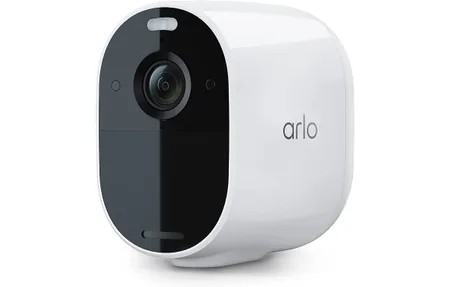
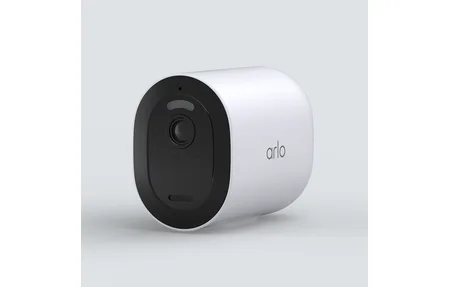
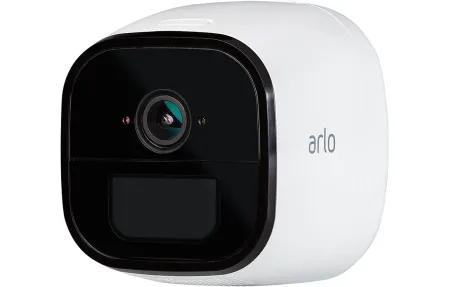
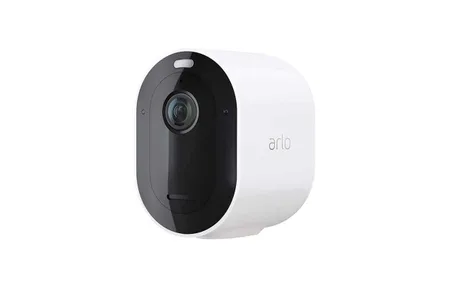
Arlo Q Plus 1080p Security Camera Review: PoE and Local Storage
Product Details
🏭 Manufacturer: Arlo
🆔 Model Number: VMC3110
This review covers the Arlo Q Plus (model VMC3110), a wired indoor security camera priced around $149.99. It records at 1080p HD and separates itself from the base Arlo Q with two practical additions: Power over Ethernet support and a microSD card slot for local storage. Those two features make the Q Plus a meaningfully different camera, not just a cosmetic upgrade.
I've found that the combination of PoE and local recording fills a real gap in the Arlo lineup. Most Arlo cameras push you toward a subscription for any kind of video history. The Arlo VMC3110 sidesteps that pressure by letting a single Ethernet cable handle power and data, while a card in the slot keeps footage on-site.
PoE and Power Options
Power over Ethernet is the headline feature here. You run one cable from a PoE switch or PoE injector to the camera and you're done. No separate power outlet needed, no cable management headache. For small businesses, server rooms, or any indoor space with structured cabling already in place, this is a real practical win.
If you don't have PoE infrastructure, the Arlo Q Plus also accepts a standard power adapter. You're not locked in. But honestly, if you're choosing the Q Plus over the base Q, you're probably doing so because PoE matters to your setup. Otherwise the price difference is hard to justify.
The camera carries an IP55 dust and splash resistance rating. That's not full weatherproofing, but it handles a covered entryway, a porch ceiling, or a garage interior without issue. It's rated for indoor use primarily, but covered outdoor spots work fine.
Local Storage with microSD
The microSD slot is the other reason to choose the Arlo Q Plus. Insert a card and the camera records continuously to local storage, independent of any cloud plan. No monthly fees, no cloud dependency, no footage disappearing after 30 days because a subscription lapsed.
This matters in a few specific situations:
- Home offices or small businesses where uploading footage to a third-party cloud raises privacy concerns
- Locations with unreliable or slow internet where cloud uploads would be incomplete
- Installations where a recurring subscription per camera becomes expensive across multiple units
- Any spot where you want always-on recording, not just motion-triggered clips
The Arlo VMC3110 saves both continuous recording and motion-triggered clips to the card. If you also subscribe to Arlo Secure (starting at $2.99/month per camera), you get cloud backup on top. But the cloud plan is optional, not required. That's a meaningful distinction compared to most cameras in this category.
Video Quality and Field of View
The Arlo Q Plus 1080p records at 1920x1080 full HD. The 130-degree field of view is wide enough to cover a standard room or a storefront interior without needing to pan. Color video during the day, black-and-white night vision after dark. The transition between the two is automatic.
Two-way audio is built in. The microphone and speaker handle conversations clearly enough for most monitoring scenarios. It's not a video call setup, but for telling a delivery driver to leave a package or checking in on a room remotely, it works.
Motion and audio detection alerts push to the Arlo app. You can set activity zones to focus alerts on specific parts of the frame and reduce false triggers from passing cars visible through a window, for example. Alert speed in my experience is typically under five seconds from trigger to notification.
Who Needs the Arlo Q Plus?
Not everyone. If you're running a basic home setup and you already have a cloud subscription, the base Arlo Q or another Wi-Fi camera is probably sufficient. The Q Plus earns its higher price in specific scenarios.
Small business owners with a few cameras and no desire to pay monthly fees per unit will get the most value here. A PoE switch already covering a small office makes the Arlo Q Plus a natural fit. The Arlo VMC3110 also suits home offices where footage staying on a local card rather than leaving the building is a requirement, not a preference.
The 1080p Arlo Q Plus works with Amazon Alexa and Google Assistant. You can pull up a live view on an Echo Show or a Nest Hub. It does not support Apple HomeKit natively, despite what some older listings suggest. Confirm compatibility with your specific hub firmware before purchase.
At $149.99 the Arlo Q Plus costs roughly twice the base Arlo Q. The premium is worth it if PoE or local microSD recording is actually on your requirements list. If neither feature matters to you, spend less on a simpler model. That's the honest answer after spending real time with this camera.
The Arlo Q Plus 1080p HD security camera is a focused product for a specific buyer. It does its job without drama, and the combination of PoE and subscription-free local recording gives it a durability advantage over cameras that require ongoing cloud fees to stay useful.
Setup takes about ten minutes with a PoE switch in place. The Arlo app walks you through it. Once configured, the camera runs silently and reliably. I haven't found edge cases where the local recording fails mid-clip or the app loses track of the card. For a wired installation, it just works.
Frequently Asked Questions
What is the difference between Arlo Q and Arlo Q Plus?
The Arlo Q Plus adds two features not available on the base Arlo Q: Power over Ethernet (PoE) support and a microSD card slot for local video storage. PoE lets you power and connect the camera through a single Ethernet cable, eliminating the need for a separate power outlet. The microSD slot allows continuous local recording without a cloud subscription - useful for locations where internet privacy matters or where a subscription is not cost-effective.
Does Arlo Q Plus require a subscription?
No subscription is required for basic motion alerts and live streaming. However, cloud-based video history requires an Arlo Secure subscription starting at $2.99/month per camera. As an alternative, the Arlo Q Plus has a built-in microSD card slot - inserting a card enables local recording without any subscription. This makes it one of the few Arlo cameras that can record continuously without ongoing fees.
Can Arlo Q Plus record continuously?
Yes, with a microSD card inserted. The camera supports continuous recording to local storage, which runs independently of any cloud plan. Motion-triggered clips are also saved to the card. Without a microSD card, recording requires the Arlo Secure cloud subscription. PoE-powered installations benefit most from continuous recording since power is always available, unlike battery-powered Arlo cameras that conserve power by only recording on motion.