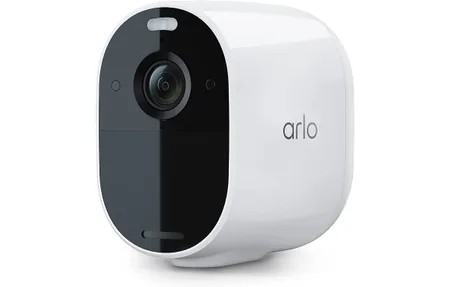
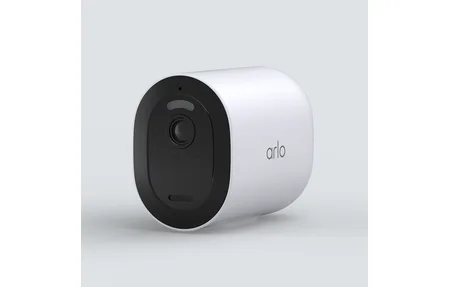
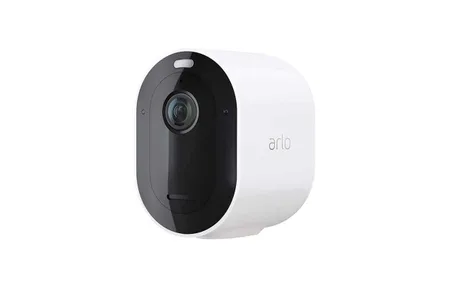
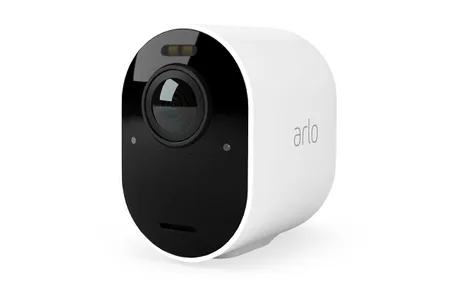
Arlo Go Mobile Security Camera (VMC3040) Review: LTE Where Wi-Fi Fails
Product Details
🏭 Manufacturer: Arlo
🆔 Model Number: VMC3040
The Arlo Go Mobile Security Camera (model VMC3040) solves a specific problem: you need outdoor video surveillance at an off-grid location where Wi-Fi fails or never existed in the first place. It connects over LTE cellular, records at 1080p HD, runs on a rechargeable battery, and mounts anywhere you can aim it. Priced at around $180-200, it's more expensive than a standard outdoor camera, and the ongoing data plan cost makes it pricier over time. That premium is justified if LTE connectivity is what you actually need.
I've looked at a lot of outdoor cameras. Most assume you have a strong 2.4 GHz signal within range. The Arlo Go doesn't make that assumption, which is both its strength and the reason it isn't right for most homes.
Who Is the Arlo Go VMC3040 Actually For?
The Arlo Go isn't a general-purpose home camera. If your house has reliable Wi-Fi, you'll get better value from the Arlo Pro 4 or Arlo Essential at a lower price without the monthly data plan. The VMC3040's value is entirely tied to its LTE feature.
The use cases where it genuinely makes sense are specific. Think vacation cabins with no always-on internet. Construction sites in their pre-infrastructure phase. Agricultural properties - barns, gates, equipment storage yards - where the house router doesn't reach. Boat docks and marinas. Rental properties where tenants manage the internet and might disconnect it.
These are real problems that standard cameras can't solve. The Arlo Go can.
LTE Connectivity and How It Works
The VMC3040 uses a Micro SIM card on AT&T or T-Mobile compatible networks. The SIM is not included in the box - you buy it separately and insert it before setup. That's an important detail to know before you order. Arlo's app walks you through the activation process, which takes about five minutes once you have a SIM.
When Wi-Fi is available at the site, the camera uses it instead of cellular data. It switches automatically. That's useful for properties with occasional but unreliable broadband - the camera uses Wi-Fi when it can and falls back to LTE when it can't. The monthly cellular cost is real, though. A quiet property with minimal motion events might get by on 1GB per month. A high-traffic site or one with weak signal strength (which makes the radio work harder) will drain data faster.
Video Quality
The Arlo Go records at 1080p HD. Daylight footage is clear enough to identify faces and vehicles at close to mid range. The wide-angle lens covers a solid field of view without heavy edge distortion. Night vision uses infrared LEDs with useful range for driveways, gates, and entryways.
Two-way audio lets you speak through the camera from the Arlo app. That's useful for greeting a delivery driver or asking someone at a gate to identify themselves. Motion detection supports customizable activity zones - you draw a region of interest in the frame, and the camera only alerts when motion occurs inside it. That cuts down on nuisance notifications from traffic passing at the edge of the shot.
Key specs at a glance
- Video: 1080p HD with infrared night vision
- Connectivity: LTE cellular + Wi-Fi (SIM sold separately)
- Battery: Wire-free, rechargeable
- Audio: Two-way
- Motion detection: Customizable activity zones
- Built-in: Siren and spotlight
- Smart home: Alexa compatible
- Cloud storage: Requires Arlo Secure subscription
- Price: $180-200
Battery Life at Remote Sites
Battery life on the VMC3040 varies heavily by site conditions. A quiet property with light activity and strong LTE signal can see several weeks per charge. A high-traffic location or one with marginal cellular signal drains significantly faster because the radio draws more power when it struggles to maintain a connection.
This is a real consideration for truly remote sites. If you can't easily visit to recharge every few weeks, think about pairing the camera with a solar charging panel. Arlo sells a compatible solar charger that keeps the battery topped off as long as there's adequate sunlight on the panel.
Arlo Secure Subscription
The camera ships with a 30-day Arlo Secure trial. After that, a subscription is required for cloud video history and AI-based detection features. Person, vehicle, and package detection all run through the cloud. Without a paid plan, the camera still detects motion and sends alerts, but you don't get recorded clips to review after the fact.
Plans start at $2.99 per month per camera. That's not expensive, but it's another recurring cost on top of the LTE data plan. We've found the combination of cellular data plus Arlo Secure runs around $10-15 per month total at a quiet site, which is worth it if the alternative is no security coverage at all.
The Arlo app handles live view, playback, and alert management. It's well-designed for mobile use, which matters because most people checking a remote property camera are doing so from a phone. Alexa integration lets you pull up a live view on an Echo Show with a voice command if that's useful for your setup.
The 1-year limited warranty covers manufacturing defects. Arlo's documentation is solid, and the app is among the more polished camera apps on the market.
Frequently Asked Questions
Does the Arlo Go need a Wi-Fi network to work?
No. The Arlo Go uses LTE cellular as its primary connection. You insert a compatible SIM card and the camera operates independently of any home Wi-Fi. It can also connect to Wi-Fi when available to save cellular data. This makes it useful for construction sites, remote properties, and anywhere broadband isn't an option.
What data plan does the Arlo Go VMC3040 require?
The camera uses a Micro SIM card on AT&T or T-Mobile compatible networks. Budget varies by site activity. A quiet property may manage on 1GB per month. A busy site with frequent motion events may need 2-5GB. MVNOs on AT&T or T-Mobile networks such as Cricket and Mint Mobile also work.
Does the Arlo Go require an Arlo Secure subscription?
Yes, for practical use. LTE service activation and video history both require an Arlo Secure subscription. The 30-day free trial covers the basics, but after that you'll want a paid plan starting at $2.99 per month to access recorded clips and AI detection features.