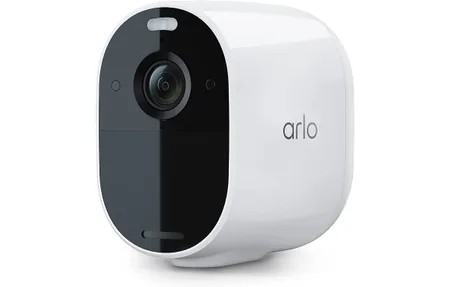
Arlo Go 2 Security Camera (VMC3050) Review: LTE With Better Battery Life
Product Details
🏭 Manufacturer: Arlo
🆔 Model Number: VMC3050
The Arlo Go 2 Security Camera (model VMC3050) is the second-generation version of Arlo's LTE camera, and the improvements over the original are substantial. Battery life goes from a few weeks up to six months. The video adds HDR. A built-in color spotlight replaces purely infrared night vision. Google Home support joins Alexa. At around $200-230, it costs a bit more than the original Arlo Go, but the battery life improvement alone makes it a meaningfully better product for remote site monitoring.
Like the original Go, the VMC3050 is built for one specific job: outdoor surveillance at locations where Wi-Fi is unreliable or absent. It isn't the right camera for most homes. But if you need LTE connectivity, the Go 2 is the version to get.
What Makes the Go 2 Better Than the Original?
The six-month battery life is the headline improvement. The original Arlo Go needed recharging every few weeks, which is manageable at a nearby property but a real problem at a remote site you visit infrequently. Six months means you might charge it twice a year. That changes the practical math for agricultural setups, cabins, and construction sites considerably.
HDR video is a genuine quality upgrade for challenging lighting conditions. A camera mounted at a gate or driveway often faces harsh backlighting - bright sky behind a subject, for example. HDR handles that better than standard 1080p, pulling detail out of both the bright and dark parts of the frame simultaneously.
The built-in spotlight is more useful than it might seem. It adds color night vision capability, so instead of grainy black-and-white infrared footage, you get color images at night when the spotlight activates. That helps significantly with identifying vehicles and clothing colors after dark.
[IMAGE: Arlo Go 2 outdoor security camera mounted on a post against a clear sky (search "Arlo Go 2 outdoor camera mount")]
LTE and Wi-Fi Dual Connectivity
The VMC3050 uses LTE cellular + Wi-Fi dual connectivity. It works with a compatible SIM card on AT&T or T-Mobile compatible networks. The SIM isn't included - you buy it separately. When Wi-Fi is available, the camera uses it automatically and saves cellular data. When Wi-Fi drops or isn't present, it falls back to LTE.
This dual-mode design suits properties in transition. A construction site might have temporary Wi-Fi during the build phase and rely on LTE before and after. A vacation rental might have broadband that tenants control. The Go 2 handles both scenarios without needing configuration changes.
Arlo Secure subscription is required for LTE service activation and for accessing cloud video history beyond the 30-day trial. Without it, the camera still detects motion and sends alerts, but recorded clips aren't available for review after the fact. Plans start at $2.99 per month per camera.
Video Quality and Features
The Arlo Go 2 records at 1080p HDR. Daylight footage is clear and well-exposed. The HDR processing is most noticeable in mixed-lighting scenes where the standard camera would either blow out the sky or underexpose the foreground.
Two-way audio works well. The microphone picks up voices clearly from a few feet away, and the speaker is loud enough to be heard outdoors in normal wind conditions. The built-in siren can be triggered manually from the app or set to activate automatically on certain alert types.
Motion detection supports customizable activity zones. You define regions of interest in the camera's field of view, and alerts only fire when motion occurs inside those zones. That's essential for outdoor cameras where trees, traffic, or animals at the frame's edge would otherwise generate constant false alerts.
Key specs at a glance
- Video: 1080p HDR with color spotlight night vision
- Connectivity: LTE cellular + Wi-Fi (SIM sold separately)
- Battery: Wire-free rechargeable, up to 6 months
- Weather resistance: IP65
- Audio: Two-way with built-in siren
- Built-in: Color spotlight
- Smart home: Alexa and Google Home compatible
- Cloud storage: Arlo Secure subscription required
- Price: $200-230
IP65 Weather Resistance
The Go 2 carries an IP65 rating - dust-tight and protected against water jets from any direction. It handles rain, morning frost, and normal outdoor exposure without problems. It isn't rated for submersion, so don't mount it in low spots where water pools. For wall mounts, post mounts, and eave installations, IP65 is sufficient for most climates.
How Does Go 2 Compare to the Original Arlo Go?
The VMC3050 improves on the VMC3040 in every meaningful way. Six-month battery versus a few weeks. HDR versus standard 1080p. Color spotlight versus infrared-only. Google Home support added. The price difference between the two is $20-30 depending on where you buy.
We've found the Go 2 is worth the extra cost if battery life at a remote site matters to you - which it usually does, because that's exactly the scenario these cameras are built for. The only reason to choose the original Go is if you find it significantly discounted.
For most remote-site applications, the Go 2 is the right choice between the two Arlo LTE cameras. The six-month battery life means you can install it, set up alerts, and largely forget about it until the app tells you to recharge - which is exactly the right behavior for a camera at a location you don't visit often. If the spot does have Wi-Fi and you'd rather have 2K video, the Arlo Pro 4 Spotlight is the alternative.
Frequently Asked Questions
How is the Arlo Go 2 different from the original Arlo Go?
The Arlo Go 2 (VMC3050) adds HDR video, a built-in color spotlight, and significantly better battery life - up to 6 months versus a few weeks on the original Go. It also supports Google Home, which the original did not. IP65 weather resistance and two-way audio are present on both models.
Does the Arlo Go 2 require an Arlo Secure subscription?
Yes, for LTE activation and cloud video history. Without a subscription, you lose access to recorded clips after the 30-day trial and LTE service requires the plan to stay active. Arlo Secure starts at $2.99 per month per camera. Person, vehicle, and package detection also require the plan.
Can the Arlo Go 2 work on Wi-Fi only without a SIM card?
Yes. The Arlo Go 2 connects to Wi-Fi and works as a standard wireless camera without a SIM card. You only need the SIM for LTE cellular connectivity. If you want LTE as a backup when Wi-Fi drops, you install a compatible SIM. This makes it flexible for sites that have Wi-Fi today but might lose it unexpectedly.