Managing and Displaying Collections With Smart Home Tech


This post may contain affiliate links. As an Amazon Associate we earn from qualifying purchases. Disclosure.
Whether you collect vinyl, wine, sneakers, or vintage cameras, the display is half the joy and half the risk. Here's how smart home tech protects a collection from heat, light, and humidity while showing it off properly.
A collection is more than the sum of its pieces. The way you display it, the light it sits under, the air around it, decides whether it looks like a museum case or a cluttered shelf, and whether it survives the decade in good shape. Managing and displaying collections used to mean expensive cabinets and a hygrometer you had to check by hand. Smart home tech quietly changed that. For the price of a nice frame, you can now light, climate-control, and guard a collection automatically.
TL;DR: Smart tech protects and shows off a collection on three fronts. Tunable low-UV LED lighting on schedules limits fading. Smart hygrometers and thermostats hold humidity and temperature in a safe band and alert you when they drift. Cameras and contact sensors add security for valuable pieces. Start with a $20 sensor and a couple of smart bulbs, then scale into a hub-linked system as the collection grows.
I've watched a friend's comic collection warp because a sunny window and a radiator did their slow damage over two summers. None of it was visible day to day. That's the trap with collections, the harm is gradual and invisible until it's done. Sensors catch what your eyes miss. If your collection leans toward paintings and prints, the smart home art collection protection guide drills into the exact humidity and UV thresholds, and for staging vinyl or books the smart display collections walkthrough covers accent lighting on a budget.
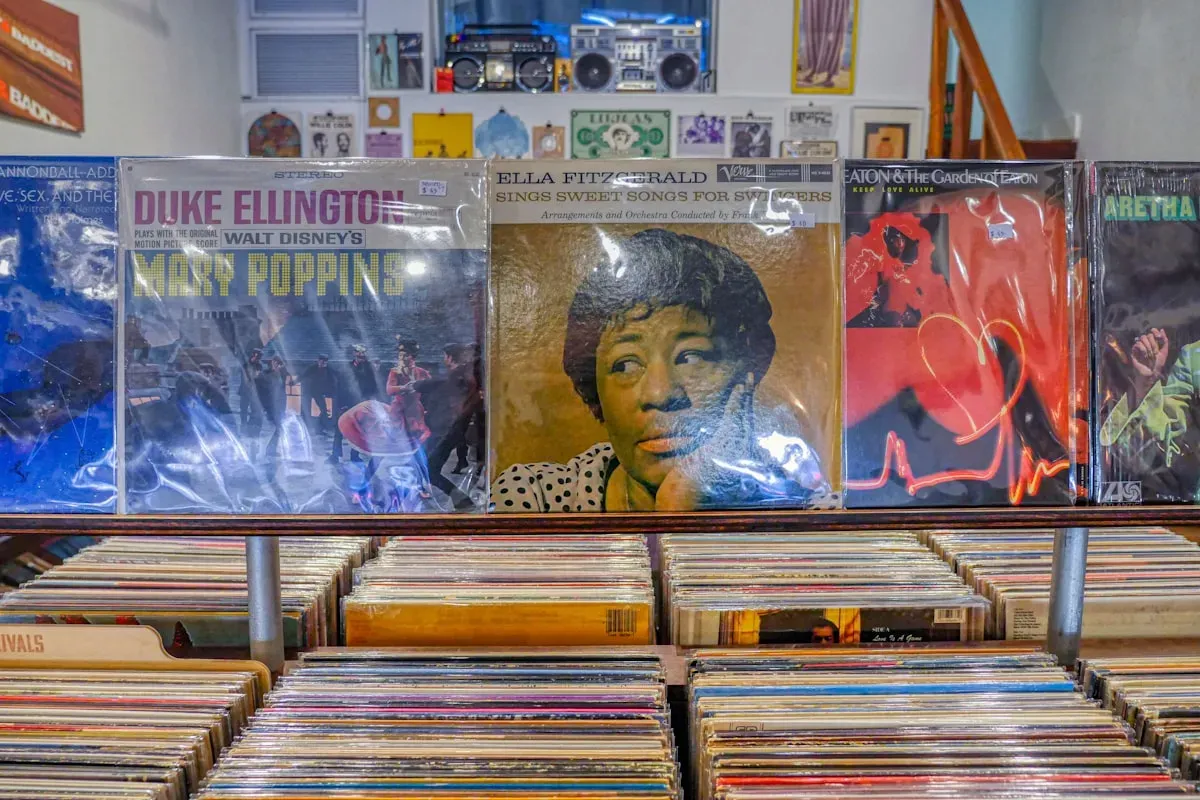
How Do You Light a Collection Without Fading It?
Light is the first thing people get wrong. Direct sunlight and old halogen spots fade dyes, yellow paper, and crack finishes over time. The fix is boring and effective: tunable warm-white LED smart bulbs, on a schedule.
LEDs emit far less UV than halogen or fluorescent lighting, and UV is a major driver of photochemical damage. That said, don't overstate the safety: visible light itself still fades dyes and paper over time, so no bulb is truly harmless to a sensitive piece. That's exactly why scheduling matters more than most collectors realize. A display light that runs 14 hours a day delivers roughly twice the cumulative exposure of one that runs 7. Set the lights to switch off overnight when nobody's looking anyway, and dim them during peak daylight. If you're unsure which bulbs suit a display case versus a shelf, the smart light selection guide breaks down color temperature and dimming quality, which is exactly what a display setup lives or dies on.
There's an aesthetic win here too. Tunable bulbs let you warm the light in the evening for a gallery feel and cool it in daytime so colors read true. A single tap can switch a whole shelf from "showing off to guests" mode to "everyday low glow." Lighting used well is what separates a display from a pile.
How Do You Hold the Climate Steady?
Here's the part collectors underestimate. Temperature swings and humidity do more long-term damage than light, and they do it silently. Paper, leather, vinyl records, wooden instruments, and wine all have a happy range, and drifting outside it warps, molds, or cracks the pieces.
A smart hygrometer is the cheapest insurance you can buy. For around $20 it logs temperature and humidity, charts the trend, and pings your phone the moment the room drifts out of range. According to the US National Park Service museum guidelines, most mixed collections do best between 40 and 55% relative humidity, and stability matters more than hitting an exact number. A room that swings from 30 to 70% is worse than one that sits steadily at 58.
Pair the sensor with a smart thermostat and the system starts acting on its own. When the display room heats up, the thermostat responds before the collection notices. The best smart thermostats of 2026 all support this kind of sensor-linked automation, and it's the difference between knowing about a problem and preventing one. For a wine collection or a humidor, you can go further and trigger a small humidifier or dehumidifier on the same rule.
What Security Is Worth Having?
If a collection has real value, it needs eyes on it. This doesn't mean a bank vault. A single indoor camera pointed at the display, plus a contact sensor on the cabinet door, covers most of what a home collector needs. The camera records if someone opens the case; the sensor fires an instant alert to your phone.
The genuinely useful trick is layering these with the rest of the house. A cabinet opened while the alarm is armed can flash the room lights, sound a chime, and start recording, all at once. That kind of layered response is covered in smart home security automations, and it turns a passive camera into an active deterrent. Lighting plays a security role too, and smart lights for home security shows how a display that lights up on motion after hours makes a would-be thief think twice.
For high-value pieces, I'd add one more layer: a discreet log. A smart contact sensor keeps a timestamped history of every time the cabinet opened. If something goes missing, you have a record. It sounds paranoid until the day it isn't.
How Do You Automate the Boring Upkeep?
A collection is a small ecosystem, and ecosystems need maintenance. Smart home routines handle the parts you'd otherwise forget:
- Weekly humidity report. Have the system message you a summary every Sunday, so a slow drift shows up as a trend, not a crisis.
- Filter and battery reminders. Air purifiers and sensors both need attention on a schedule, and a routine that nags you beats a dead sensor you didn't notice.
- Seasonal light adjustment. Shorten display-light runtime automatically in summer when daylight is longer and doing free damage through the windows.
- Guest mode. One tap brightens everything to showcase levels when people come over, then drops back to conservation levels afterward.
These small automations fit into a broader smart home maintenance routine, and honestly, they're where the "smart" part earns its name. The tech isn't impressive because it's flashy; it's impressive because it remembers the things you don't.
What Does It Cost to Run?
Running display lighting, a dehumidifier, and a camera around the clock adds up. It's worth keeping an eye on. Energy-monitoring plugs will show you exactly what the display setup costs to run each month, and scheduling cuts that meaningfully. Turning display lights off overnight isn't just good conservation for the collection, it trims the bill too. The efficient energy management guide covers how to balance the always-on gear against the stuff that can safely switch off.
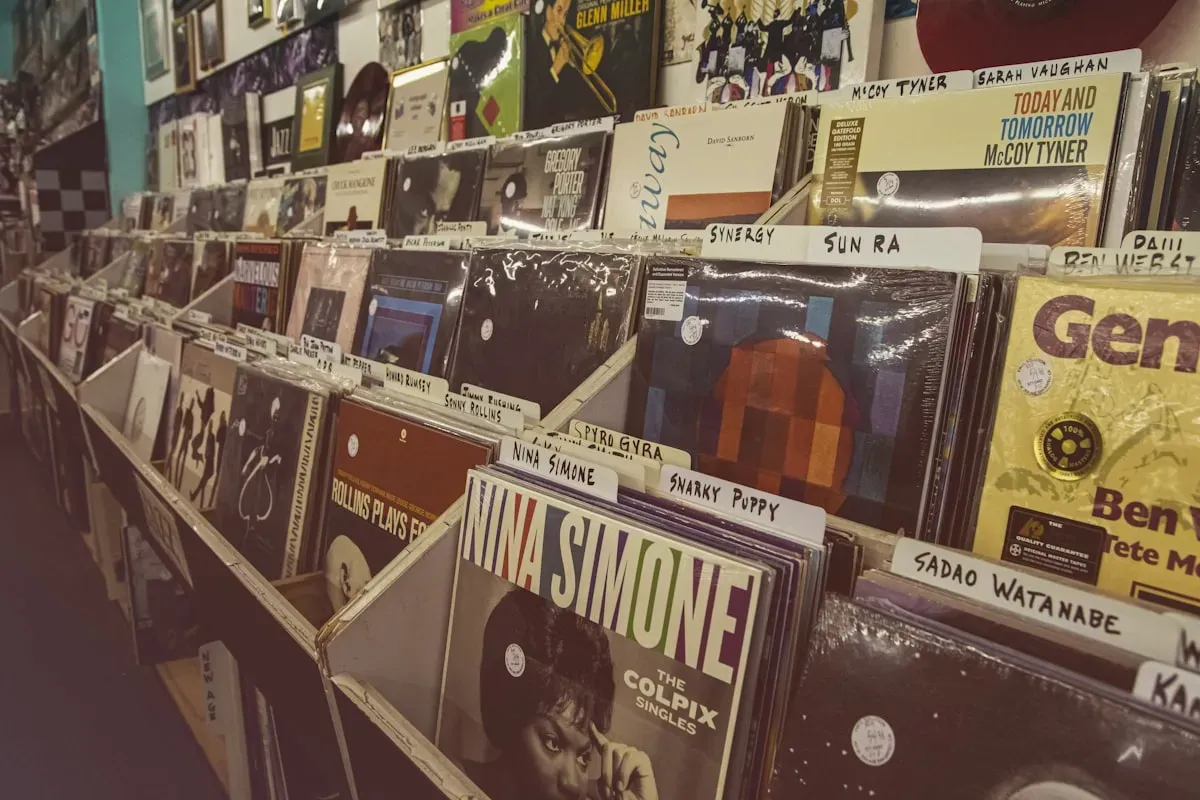
How Do You Tailor the Setup to What You Collect?
Different collections have different enemies, and the smart setup should reflect that. A one-size approach wastes money and misses the real risk.
Vinyl records care most about heat and flatness. Keep the room cool and steady, and keep display lighting off the sleeves, because sun-faded jackets kill resale value fast. A hygrometer plus a scheduled, dimmable spot is usually enough.
Wine is all about humidity and stability. It wants a higher band, roughly 60 to 70% relative humidity, and it hates temperature swings even more than warmth. Here a sensor linked to a thermostat and a small humidifier earns its keep, because the failure mode, dried corks and oxidized bottles, is expensive and invisible until you open one.
Paper-based collections, comics, trading cards, photographs, and prints, are the most light-sensitive of all. According to the Image Permanence Institute, cool and dry with minimal light exposure is the winning formula. Low runtime on the display lights and a tight humidity band do most of the work.
Sneakers and modern collectibles fear yellowing and crumbling soles, both accelerated by heat and UV. Cool, dark storage with occasional showcase lighting beats a permanently lit display case. The pattern repeats across every category: know the specific enemy, then point the right sensor and schedule at it.
Here's the quick-reference version:
| Collection | Target humidity | Biggest enemy | Smart setup priority |
|---|---|---|---|
| Paper, comics, photos | 40-50% RH | Light and UV | Low light runtime, tight humidity |
| Vinyl records | 40-55% RH | Heat and sun on sleeves | Cool, steady room; lights off sleeves |
| Wine | 60-70% RH | Humidity swings, temp swings | Sensor plus humidifier and thermostat |
| Sneakers | 40-55% RH | Heat, UV, sole breakdown | Cool dark storage, showcase lighting only |
Start Small, Then Grow
You don't need to build all of this at once, and you shouldn't. Start with the single highest-value move: a $20 smart hygrometer in the room, so you finally know what your collection has been living in. Add a couple of tunable bulbs next. Bring in a camera when the value justifies it.
If you're brand new to any of this, the smart home beginner's guide is the right first stop, and it'll steer you away from the common mistake of buying a dozen gadgets before you know what problem you're solving. When the device count grows, a proper hub ties lights, sensors, and cameras into single automations. Where's the collection heading next? Wherever it goes, the same three pillars, light, climate, and security, keep it safe, and the tunable, scheduled lighting that protects it today is exactly where smart lighting is heading for everyone else too.
One last piece of advice from experience: document the setup as you build it. Note which sensor watches which room, what humidity band each collection needs, and which automation does what. A collection outlives your memory of how you wired its protection, and future-you, or whoever inherits the pieces, will be grateful for a page that explains the system rather than a mystery box of gadgets nobody dares touch.
A collection deserves better than a sunny shelf and a hope. Give it steady air, gentle light, and a watchful eye, and it'll still look museum-fresh long after the gear that protects it has paid for itself many times over.
Frequently Asked Questions
What humidity level should I keep a collection at?
It depends on the material, but most paper, photographs, and wood-framed pieces are happiest between 40 and 55% relative humidity. Wine cellars aim higher, around 60 to 70%. A cheap smart hygrometer that logs the readings and alerts your phone when the room drifts out of range is the single most useful sensor for any serious collector.
Can smart lighting actually damage a collection?
They can, but less than the old alternatives. Ordinary LED smart bulbs emit little UV compared with fluorescent tubes, and they run cooler than halogen, so they cut two of the damage pathways. But visible light still fades colors over time regardless of UV, so the real protection is limiting exposure: schedule display lights to switch off overnight and dim during the day. Tunable warm-white LEDs on a schedule are the safe default.
Do I need a hub to run a collection display setup?
Not always, but it helps. A hub lets your lights, sensors, and cameras work together in one automation, so a humidity spike can trigger an alert and a fan on the same rule. If you only have a couple of bulbs and a sensor, a Wi-Fi setup is fine to start. Scale up to a hub when the number of devices makes app-hopping annoying.
Sources & References
- US National Park Service, Museum Environment Guidelines Government
- Image Permanence Institute, Environmental Guidelines Research
- Smithsonian, Caring for Your Collections (light and humidity) Reference