Roborock Saros Rover Robot Vacuum with Stair-Climbing Legs
Product Details
🏭 Manufacturer: Roborock
🔌 Plug Format: Battery
📄 Specification Met: FCC, CE
🏋️♂️ Weight: 1.5 kg
📏 Dimensions: 250 mm x 200 mm x 150 mm
🏳️ Country of Origin: China
🆔 Model Number: Saros Rover
📐 Size: Compact
🎨 Style: Wheel-leg rover
🔧 Usage: Indoor, multi-level homes
🧩 Included Components: Robot vacuum, charging dock, brushes, filters
🔋 Batteries Included: Yes
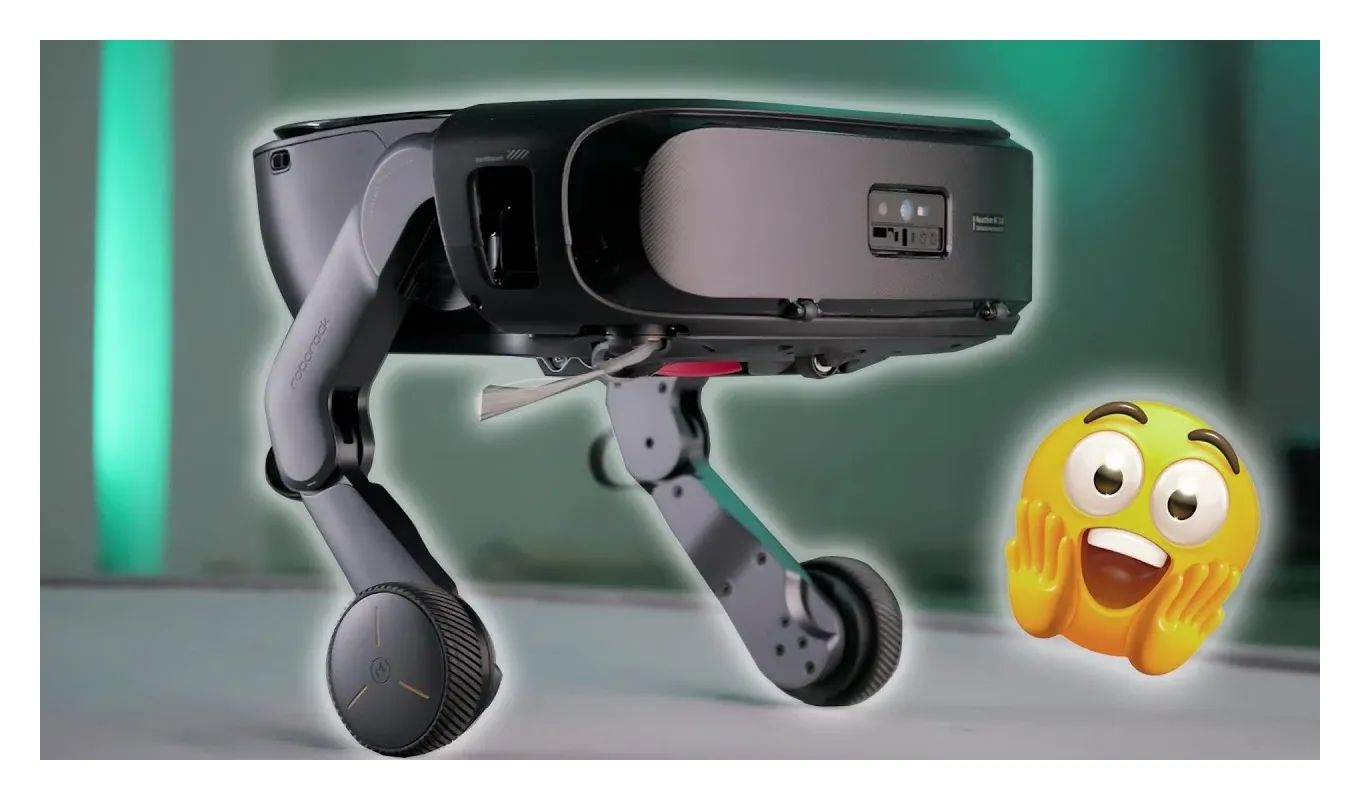
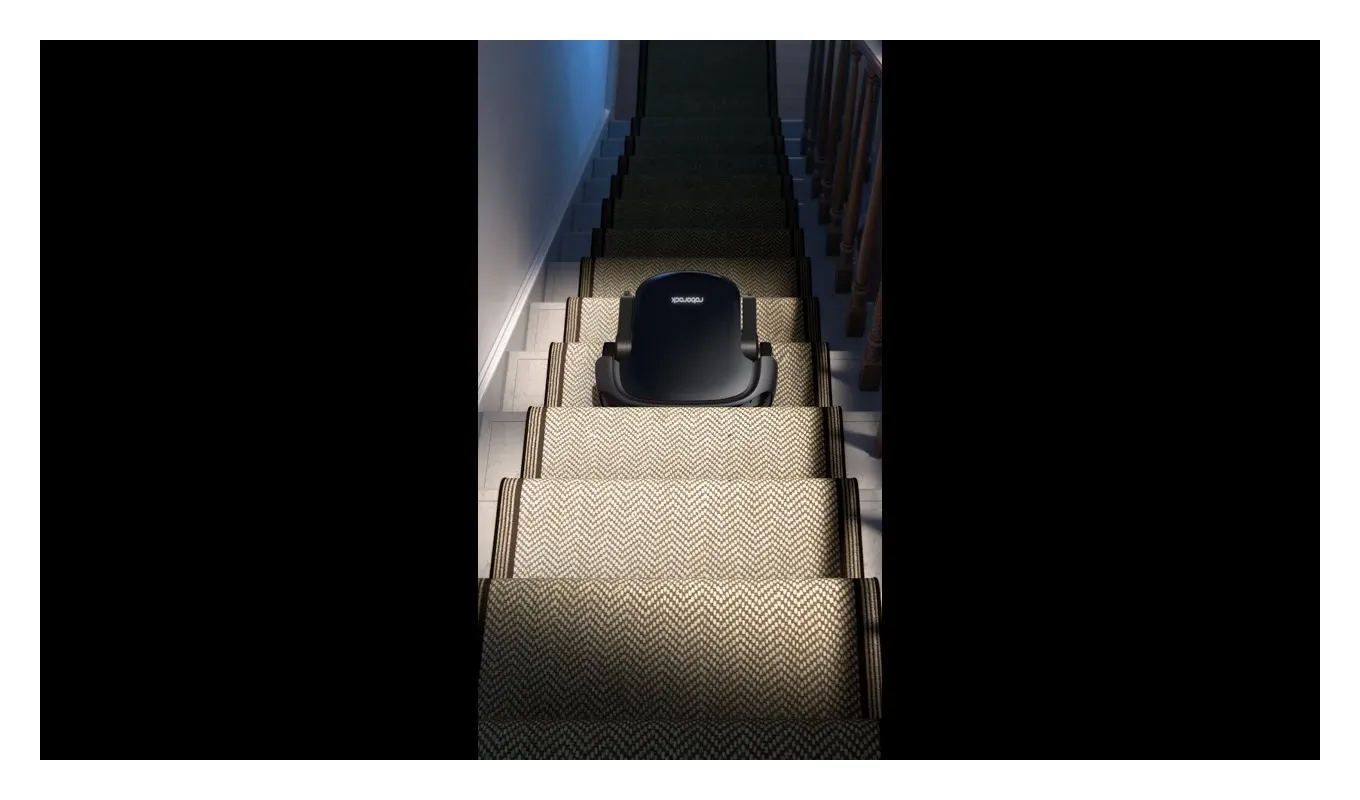
The Roborock Saros Rover is the first stair-climbing robot vacuum that can climb stairs. It uses a wheel-leg architecture to navigate multi-story homes autonomously, announced at CES 2026 in Las Vegas. Every disc-shaped robot vacuum before it stops at the first step. The Saros Rover does not. It cleans while climbing, so each stair tread gets vacuumed during the ascent and descent without the robot pausing its cleaning cycle.
At CES 2026, we watched the unit complete a full residential staircase run without intervention. The legs extend in sequence, the body adjusts its balance, and the vacuum head stays active throughout. This is not a concept prototype - the movement is deliberate. For full specifications, see the Roborock CES 2026 press release.
How Does Wheel-Leg Architecture Work?
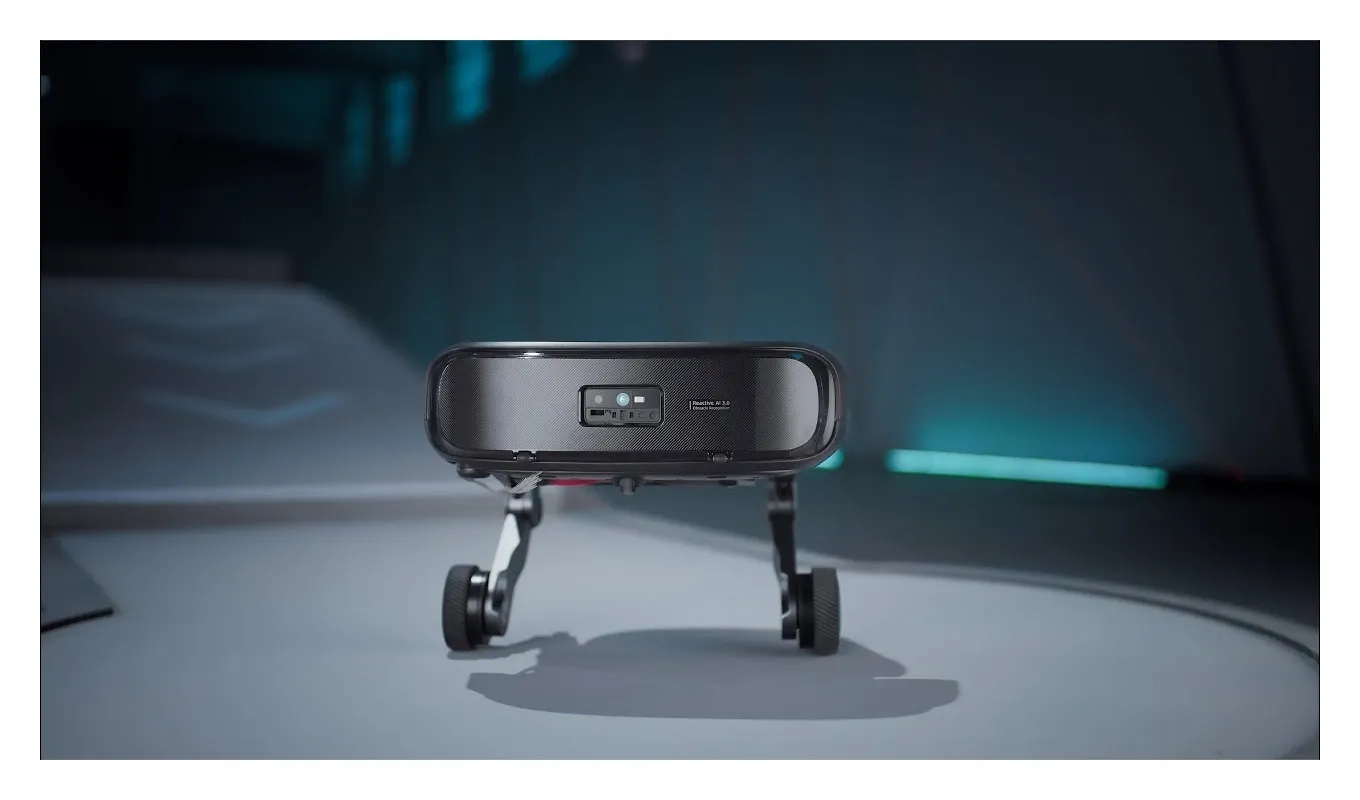
Wheel-leg architecture gives the Saros Rover a body that can both roll and step. Each of the four limbs ends in a wheel for smooth movement on flat floors, but the limbs articulate at multiple joints. When the robot reaches a stair edge, the front limbs lift and place the wheels on the upper step. The rear limbs then push and lift to complete the transition. This cycle repeats for every riser on the staircase.
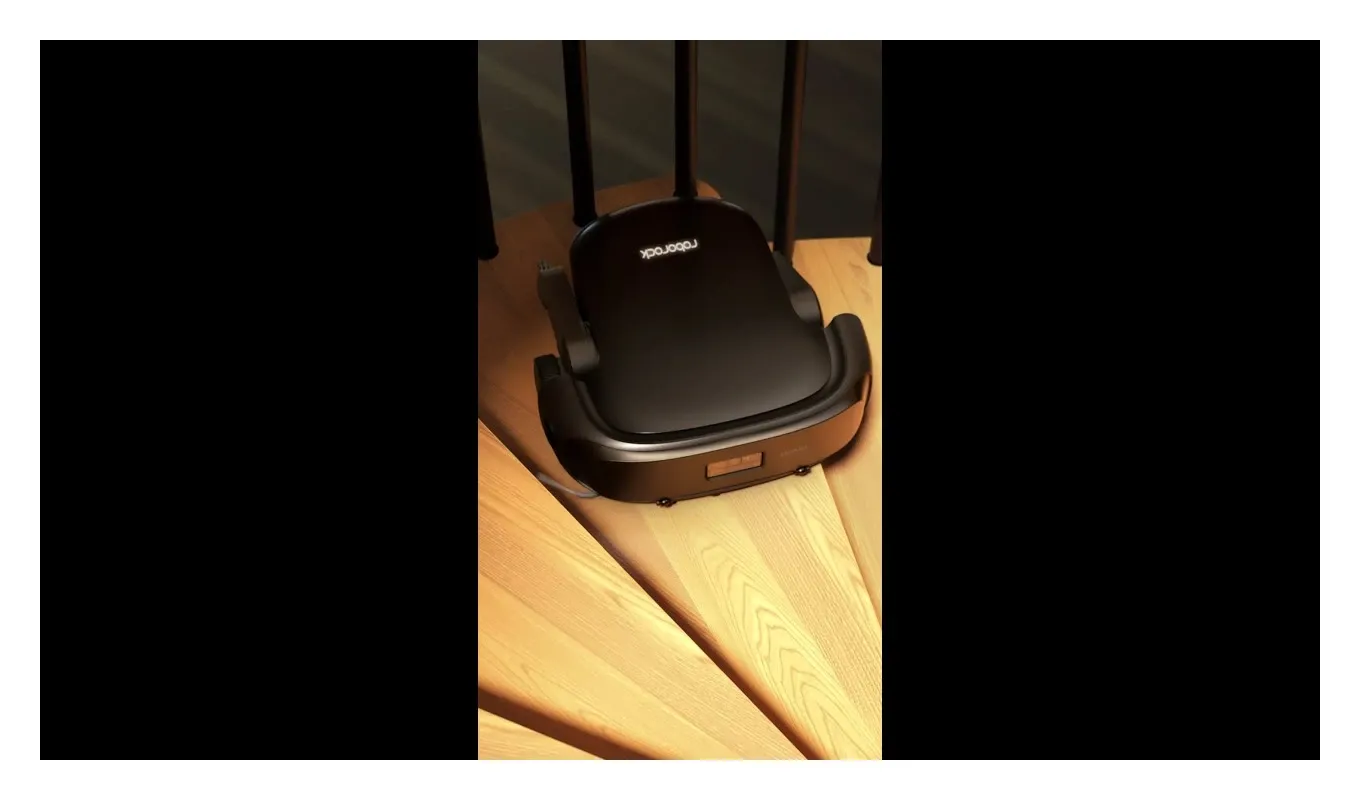
The system handles stairs up to 1.77 inches (45 mm) high and navigates curved staircases as well as straight ones. A self-leveling algorithm keeps the chassis oriented correctly relative to the cleaning surface, so suction remains effective during a climb.
AI Obstacle Detection and Stair Logic
The onboard AI identifies over 200 obstacle types using structured light and camera input, distinguishing between a stair edge to climb and a ledge to avoid. At CES 2026, the unit stopped at an improved platform edge rather than descending unsafely, confirming the avoidance logic works in both directions.
Machine learning refines path decisions over time, adjusting leg timing and extension based on logged performance data from repeated sessions.

Suction, Battery and Navigation
The Saros Rover uses a redesigned chassis measuring 250 mm wide and 200 mm deep, weighing 1.5 kg. FCC and CE certified. Key specs:
- Threshold-crossing height: up to 1.77 inches (45 mm)
- AI obstacle recognition: 200+ object types
- Connectivity: 2.4 GHz Wi-Fi
- Power: rechargeable battery with dock return
- Cleaning: active suction on each stair tread during climb
The compact body fits under most furniture when legs are retracted. Weight distribution shifts dynamically during stair climbs to maintain a stable center of gravity. The anti-tangle brush system from the broader Saros lineup is included, making it effective in homes with long hair or pets.
How Does It Compare to Other Saros Models?
| Feature | Saros Rover | Saros Z70 | Saros 20 |
|---|---|---|---|
| Stair climbing | Yes | No | No |
| Special mechanism | Wheel-leg | Robotic arm | AdaptiLift 3.0 |
| Max threshold | 1.77 in (45 mm) | 0.79 in (20 mm) | 0.79 in (20 mm) |
| Best for | Multi-story homes | Single-floor debris pickup | Ultra-thin coverage |
| Availability | TBA 2026 | Available | Available |

Which Smart Home Platforms Does It Support?
The Roborock app provides full control on iOS and Android, with multi-floor map management that stores separate layouts and understands stairway connections between levels. Cleaning zones, schedules, and no-go areas are all configured in the app.
Voice control works with Amazon Alexa, Google Home, and Google Assistant. Named zones become addressable targets for voice commands. SmartThings integration enables the Saros Rover to trigger from other smart home device states - for example, starting a clean when a door sensor detects everyone has left.
Local processing handles navigation for routine operations. Schedules run during internet outages because the core logic stays on the device.
Best Use Cases for Multi-Story Homes
The Saros Rover solves a problem standard robot vacuums cannot: cleaning a multi-story home with one unit. The most practical scenarios:
- Multi-level townhouses where stairs require manual cleaning or a second vacuum
- Pet owners whose stairs collect fur faster than flat floors
- Split-level homes with raised sections connected by a step or two
- Smart home setups that need fully automated multi-floor scheduling
One robot covering every floor overnight is genuinely new.
Setup and Maintenance
Place the charging dock, connect to 2.4 GHz Wi-Fi through the app, and run the first mapping pass on the ground floor. After mapping, the multi-floor sequence links additional levels through the identified stairway connection points. Stair climbing can be restricted to specific staircases in the app settings.
Maintenance follows the standard Roborock schedule: empty the dustbin after each session, clean the brush roll weekly, and replace the filter every one to three months.
Bottom Line
The Roborock Saros Rover solves a real limitation. Not a minor one. Every robot vacuum owner with stairs has worked around the same problem for years, and this product addresses it directly with working hardware shown publicly at CES 2026.
Durability of the leg mechanism will be the critical question once the product reaches consumers. Roborock's track record with the Saros Z70 and Saros 20 gives reasonable confidence in build quality. The Alexa, Google Home, and SmartThings integration means it slots into an existing smart home without extra hardware. If pricing lands near the Saros Z70 range, it becomes the logical choice for any multi-story homeowner who wants one robot to cover every floor.
Frequently Asked Questions
When will the Roborock Saros Rover be available to buy?
As of early 2026, the Saros Rover was announced at CES 2026 and has not yet reached retail availability. Roborock has not announced an official release date or final price. Check the Roborock US store for updates as production details are confirmed.
Can the Saros Rover vacuum while climbing stairs?
Yes, the Saros Rover actively vacuums during stair climbing. The cleaning head maintains contact with each tread as the wheel-leg mechanism lifts the robot step by step. Suction and brush rotation remain active throughout both ascent and descent.
What smart home platforms does the Saros Rover support?
The Saros Rover connects via the Roborock app and supports Amazon Alexa, Google Home, and Google Assistant for voice control. Samsung SmartThings integration allows the robot to trigger from other smart home device states such as door sensors or motion detectors.
How tall can stairs be for the Saros Rover to climb?
The Saros Rover handles thresholds up to 1.77 inches (45 mm) and is designed for standard residential staircases. It navigates both straight and curved stairs. Very steep or non-standard stair designs may present challenges that Roborock has not yet addressed in published specs.
How does the wheel-leg design differ from a standard robot vacuum?
Standard robot vacuums use a flat disc chassis with fixed wheels that cannot lift or step. The Saros Rover replaces this with articulated limbs that both roll and step. Each leg operates independently, allowing the robot to lift its front onto a stair tread and pull its rear up in sequence, similar to how a climbing animal moves.