
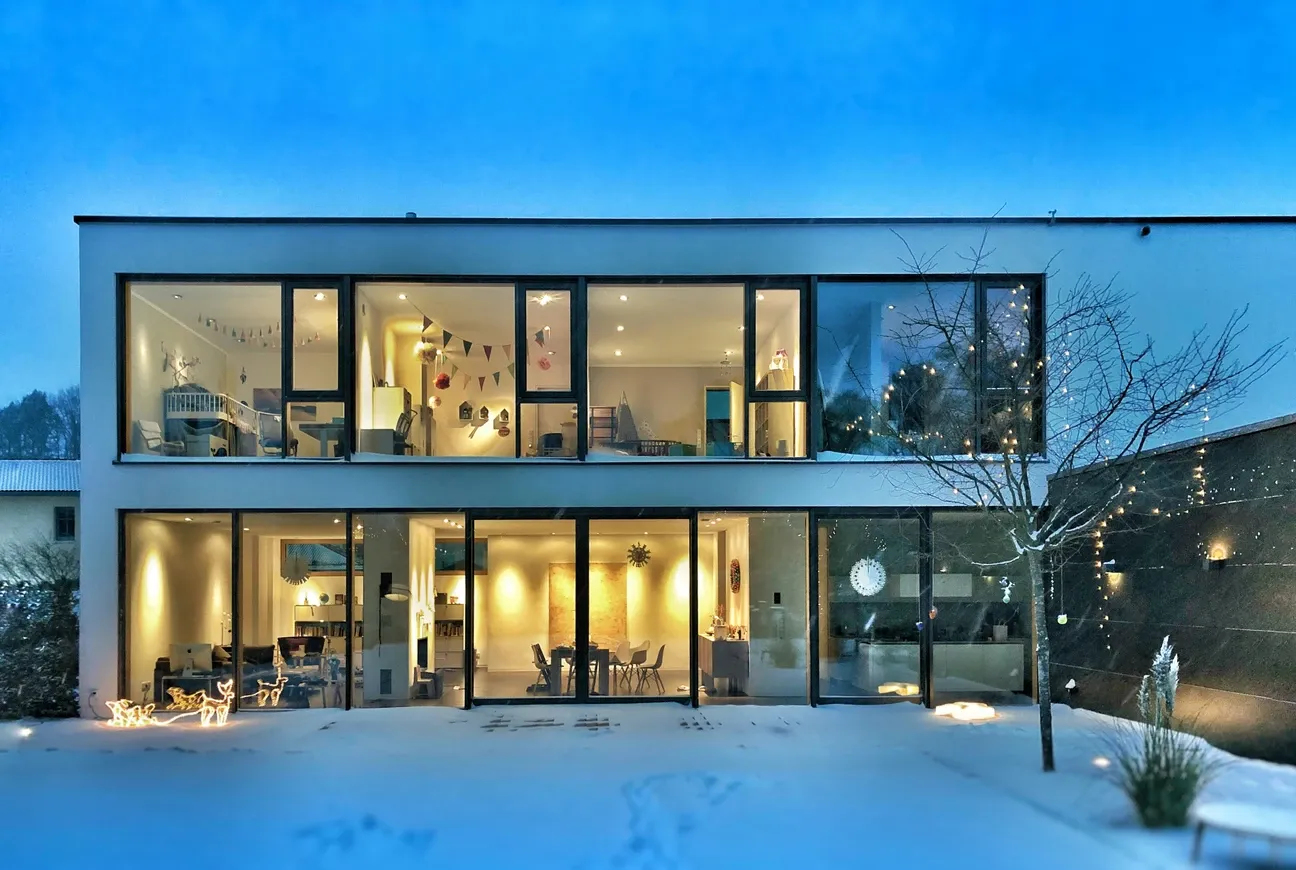
In a world that's constantly progressing towards energy-efficient solutions, choosing the right lighting for your home can make a significant impact. Whether you're considering traditional bulbs or moving towards smart lights, it's crucial to understand their differences to make an informed decision. In this article, we explore how smart lighting can transform your home, offering convenience and efficiency compared to traditional lighting setups.
Understanding the Basics of Smart Lighting
Smart lighting refers to innovative smart devices that offer enhanced control over your home's lighting. These lights can be adjusted using a smartphone app or voice commands through a smart home hub. Unlike traditional lighting, smart lights offer a wide array of features, including adjusting brightness and color, scheduling, and integration with other smart home systems.
Key Advantages of Smart Lights
- Energy Efficiency: Smart lights often use LED technology, which consumes less energy and contributes to green living.
- Convenience: With the ability to control lighting through an app or voice, you gain ease and flexibility.
- Automation: Set schedules and timers, or utilize motion sensors to automate lighting based on your routine.
- Integration: Connects with systems like Amazon Echo or Google Assistant for seamless interaction.
- Customization: Change hues and intensity to match your mood or activity with products like the Roku Smart Light Bulb, which offers 16 million colors and intelligent dimming.
These benefits make smart lights an appealing choice for modern homes.
Traditional Lighting: A Reliable Classic
Traditional lighting involves using incandescent or fluorescent bulbs to illuminate spaces. These have been the go-to options for many due to their simple usage and affordability. However, they lack the advanced features and connectivity of smart lights, potentially leading to higher electricity costs in the long run.
Traditional vs. Smart Lights: A Cost Comparison
While traditional bulbs are generally less expensive up front, smart lights can save money over time with energy efficiency. LED lights used in smart systems are designed to last longer, reducing the frequency of replacements and the overall impact on the environment.
Making the Right Choice for Your Home
Choosing between smart lighting and traditional lighting depends largely on your lifestyle, budget, and needs. If environmental impact and efficiency are priorities, smart lighting might be your best bet. However, for those who prefer simplicity without the need for added control features, traditional lighting still holds its value.
Conclusion: Smart Solutions for a Modern World
In conclusion, if you're looking to embrace smart solutions for your home, adopting smart lighting systems can offer numerous benefits – from better control to improved energy savings. For traditionalists, sticking with what is familiar might be comforting and straightforward. Reflect on your specific needs and evaluate how each lighting type aligns with your vision for a comfy and cost-effective home atmosphere.
Smart lighting adoption continues to accelerate as prices fall and compatibility improves. The transition from traditional to smart lighting represents a broader shift in how households manage their physical environments. What once required manual switches and was limited to on-or-off functionality now offers endless possibilities for customization, scheduling, and integration with other home systems. This evolution demonstrates how technology can enhance everyday life without requiring users to abandon simplicity or sacrifice ease of use. Whether you choose smart lighting today or prefer to wait for further refinement, understanding these distinctions empowers you to make choices aligned with your home, budget, and values.
The transition to smart lighting represents more than just upgrading fixtures. It's a shift toward proactive home management where lighting adapts to your lifestyle rather than requiring manual adjustment. Modern smart bulbs use less than half the energy of incandescent alternatives while lasting 15 to 25 times longer. When multiplied across an entire home with dozens of light fixtures, this translates to substantial long-term savings. Beyond cost, smart lighting enables personalized comfort through color temperature adjustment that follows circadian rhythms, automations that respond to occupancy patterns, and integration with other systems for comprehensive home control. Whether you choose smart or traditional depends on your priorities, but the technology has matured to offer compelling benefits for most homeowners.
The adoption of smart lighting has accelerated over recent years as prices have dropped and ecosystems have matured. What once seemed like a luxury feature is becoming mainstream, with new homes often pre-wired for smart systems and retrofits becoming increasingly affordable. The variety of options available-from simple plug-in smart bulbs to fully integrated whole-home systems-ensures solutions exist for any budget or technical comfort level. Installation typically requires no special expertise, allowing homeowners to upgrade gradually rather than all at once. This flexibility makes the transition accessible to virtually everyone.
Smart plugs like the Sonoff smart plug-in unit complement smart lighting systems by providing flexible control of traditional fixtures and lamps through smart outlets, extending your automation capabilities beyond dedicated smart bulbs. For whole-room control without replacing bulbs, smart switches like the Sonoff Switchman Smart Wall Switch M5 let you automate traditional fixtures while maintaining simplicity and cost-effectiveness. Many smart bulbs and lighting systems use ZigBee connectivity for reliable, low-power mesh networking that ensures stable performance across your entire home.
Ultimately, both smart and traditional lights have their places in homes today, but the decision hinges on individual circumstances and goals. So whether you are drawn to the connectivity of smart systems or appreciate the simplicity of traditional lighting, ensure that your choices mimic the lifestyle you aspire to achieve.
Discover how smart lighting transforms everyday living spaces into responsive environments that adapt to your needs throughout the day and night. Ready to make the transition? Our comprehensive guide on smart lighting installation walks you through the entire process step-by-step.