
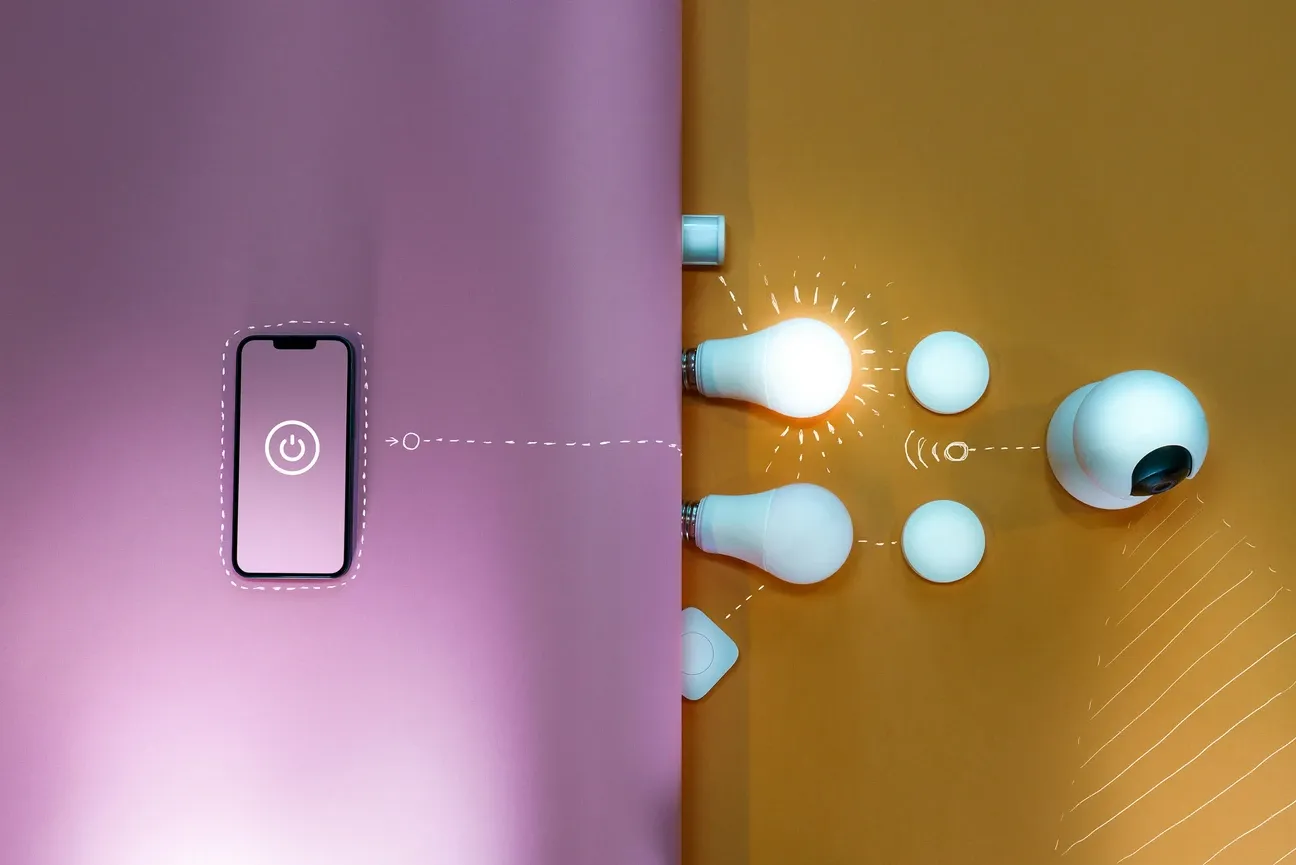
Selecting the perfect smart home system can be both exciting and overwhelming. With the rise of home automation, choosing the right tools to suit your lifestyle is crucial. This guide will illuminate essential considerations for optimizing your living environment with smart technology.
Key Features of Smart Home Systems
When deciding on the best system, it's necessary to understand the core components that make these systems smart. Many people wonder about voice assistant integration. Whether you prefer Amazon's Alexa, Google Assistant, or Apple's HomeKit, seamless compatibility is paramount. Choosing a system that works well with your preferred voice assistant ensures effortless control over your environment.
Compatibility and Integration
- Ensure your system supports current and future device additions.
- Check for compatibility with popular smart home hub brands.
- Look for established communication protocols like ZigBee or Z-Wave.
- Evaluate the ease of integration with existing Smart Devices and future technologies.
Considering these factors helps maintain a cohesive smart home experience, allowing devices to work in harmony rather than isolation. Powerful hubs such as Samsung SmartThings cater to a wide array of devices.
Energy and Cost Efficiency
Energy efficiency and cost savings are significant benefits of utilizing smart technology. Smart lighting and smart thermostat controls can substantially reduce energy usage, lowering utility bills. It's wise to assess:
- Energy-saving capabilities of Smart Lighting.
- The ability of your smart thermostat to learn and adapt to your habits.
- Overall potential for lowering energy costs and enhancing convenience.
Efficient systems go beyond monetary savings by boosting environmental impact. Meanwhile, built-in features like motion detection and humidity sensors contribute to maintaining comfort and safety.
Security and Privacy
Security remains a top consideration for many homeowners exploring smart technology. Protecting your home and data is vital. Modern home security systems offer:
- Smart lock technology to secure access.
- Video doorbells to monitor activity.
- Advanced security features in smart cameras.
- Encrypted data protocols to safeguard your information.
These features not only protect physical property but also maintain personal privacy. Innovative security systems such as those offered by Ring or Arlo can provide peace of mind.
Customization and Personalization
Lastly, the ability to customize your smart home system to fit personal preferences is key. Some homeowners prioritize entertainment, using smart speakers for music streaming or video streaming devices for home theaters. Others focus on ambiance, configuring smart lighting to reflect their mood or event.
In summary, when you embark on setting up a smart home, consider the following insights:
- User-friendly interface: The system should be accessible and easy to navigate.
- Customizable settings: Should allow personal customization for tailored experiences.
- Scalability: Choose systems that can grow with your needs.
When exploring specific platforms, you may want to compare Somfy vs Competitors for motorized shading solutions or investigate how to configure WiFi in Home Assistant for local-first automation. The future of smart homes smart switches and connected devices continues to evolve, making it an exciting time to invest in the right system.
Understanding these aspects will lead to a satisfying integration of smart technology into your home life, enhancing convenience and promoting energy efficiency. Embrace the opportunity to modernize your living space today while making informed decisions that cater to your unique requirements.
When evaluating smart home systems, it is important to consider the distinction between cloud-dependent and locally processed platforms. Cloud-based systems offer the advantage of remote access from anywhere with an internet connection, but they rely on the manufacturer maintaining their servers. Locally processed systems keep your data within your home network, providing faster response times and continued operation even during internet outages. Understanding this difference helps you select a system that aligns with your priorities for privacy, reliability, and long-term independence from subscription services.
The rapid adoption of the Matter standard across the industry is also reshaping how consumers approach system selection. Matter enables devices from different manufacturers to communicate natively without requiring brand-specific hubs or bridges. This interoperability means that choosing a system today does not lock you into a single ecosystem permanently. As more devices receive Matter certification, homeowners gain the freedom to mix and match products from various brands while maintaining seamless functionality across their entire setup.
Practical Product Examples for Your System
As you plan your smart home implementation, consider starting with foundational devices. Smart plugs and power strips like the Shelly Power Strip 4 Gen4 offer outlet-level energy monitoring and control that work across multiple ecosystems. For monitoring and security, cameras like the Kasa Home Security Wi-Fi Camera TC60 provide essential visual feedback with night vision capabilities. These products represent the diversity of options available and demonstrate how different manufacturers have built solutions that work within the broader smart home landscape.