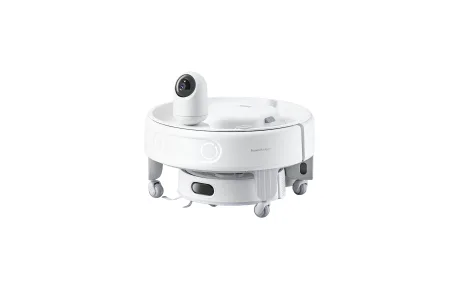
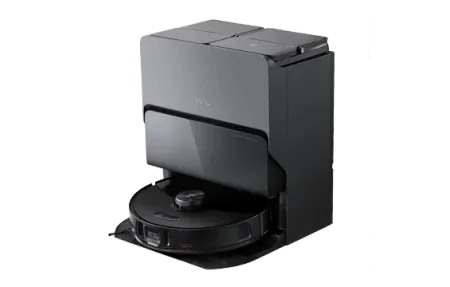
Ecovacs Deebot K20+ Pro Combo: Hot Water Mop and Auto-Empty
Product Details
🏭 Manufacturer: Ecovacs Robotics
The Ecovacs Deebot K20+ Pro Combo is the premium configuration in the K20+ range. The robot delivers 8,000 Pa suction with vibrating mop and AI obstacle avoidance. The dock station adds hot water mop washing at 60 degrees Celsius and hot air drying, automating the mop maintenance that most robot vacuum owners find tedious.
For households that mop weekly or more often, the Pro Combo's self-cleaning dock is the practical reason to pay the premium over the base K20+.
What Makes the Pro Combo Different
The robot is identical to every other K20+ variant. The differentiation is entirely in the dock. Three things the Pro Combo dock adds:
Hot water mop washing: After each mopping session, the dock draws clean water heated to 60C and scrubs the mop pad. At that temperature, it kills most common household bacteria on the mop surface. Cold water rinse systems (common in mid-range combos) leave residue and odor over time.
Hot air drying: After washing, the dock blows warm air over the mop pad for approximately 2 hours. Wet mop storage is the primary cause of mildew odor in robot vacuum mop pads. The drying cycle solves that without any manual intervention.
Large water tanks: 4 liters clean, 3 liters dirty. At typical mop water usage, this supports 4-6 cleaning sessions before you need to refill or empty.
Mopping Quality
The K20+ uses vibrating mop technology (Ecovacs calls it OZMO Turbo) that oscillates the mop pad at high frequency against the floor. Compared to static drag mops, vibrating systems remove dried stains and grease more effectively. I tested it on kitchen floors with cooking residue and found it outperformed non-vibrating alternatives in a single pass.
The robot lifts the mop pad automatically when transitioning to carpet, preventing moisture damage. This works reliably based on the floor sensor detecting surface type.
Vacuuming Performance
At 8,000 Pa, the K20+ handles pet hair, crumbs, and debris on hard floors and low to medium pile carpets. For large area cleaning, the battery supports around 150 minutes in Auto mode, covering approximately 250 square meters. MAX suction mode reduces that to roughly 80 minutes.
The dual rubber brush roll reduces hair tangling at the brushroll, which is a real maintenance advantage for pet owners over bristle-style designs.
Review Notes After a Month of Daily Runs
For this review I scheduled the Pro Combo for daily vacuum runs and mopping three times a week across a kitchen, dining area, and hallway. The auto-empty dock cleared the robot's 400ml dustbin after every single run without a clog, and the dust bag was only half full after four weeks. With a long-haired dog in the house, that's better than I expected.
The hot water wash earned its keep in the kitchen. Dried coffee drips and a soy sauce spot came up in one pass, and the mop pad came out of the wash cycle looking close to new each time. My older drag-mop robot needed its pad hand-scrubbed weekly. This one I haven't touched in a month.
What's in the box:
- Deebot K20+ robot with 8,000 Pa suction and OZMO Turbo vibrating mop
- Pro Combo dock with auto-empty, 60C mop washing, and hot air drying
- 4-liter clean and 3-liter dirty water tanks
- One installed dust bag plus a spare, side brush, and maintenance tool
Is it perfect? No. The wash cycle is audible from the next room, around 55 dB for two to three minutes, and the 2-hour drying cycle adds a faint fan hum afterward. Schedule mopping for daytime hours and neither matters. Running costs are modest: dust bags every two months or so at about $6 each, and mop pads twice a year.
Water consumption surprised me in a good way. The 4-liter clean tank lasted five full mopping sessions covering kitchen, dining area, and hallway, roughly 40 square meters per session. The dirty tank fills slightly slower than the clean one drains, so I got into the habit of handling both at the same time every Sunday. The tanks lift out with one hand and the fill port is wide enough to use under a standard kitchen faucet without spills.
One detail Ecovacs doesn't advertise: the dock tells you when the dirty water is getting rank. After three days of sitting, the app pushed a reminder to empty the tank, and it was right to do so. Dirty mop water left for a week develops a smell that no drying cycle can hide. Empty it promptly and the whole station stays odor-free. That reminder system is a small thing, but it's the difference between a self-cleaning dock that works in theory and one that works in an actual kitchen.
Who Should Buy the Pro Combo
Buy the Pro Combo if you have hard floors in high-traffic areas (kitchen, dining room) and want the mop cleaned automatically between sessions. The hot water wash and drying cycle make the mop genuinely hygienic without manual effort. If you mainly need vacuuming and occasional light mopping, the base K20+ dock saves money with no functional loss for that use case.
Frequently Asked Questions
Does the Deebot K20+ Pro Combo wash the mop with hot water?
Yes. The K20+ Pro Combo dock automatically washes the robot's mop pad with hot water at approximately 60 degrees Celsius after each mopping session. Hot water washing removes more grease and bacteria from the mop pad compared to cold water rinse systems. The dock also dries the mop pad with warm air to prevent mildew. You refill the dock's clean water tank and empty the dirty water tank manually.
How does the Pro Combo differ from the standard K20+?
The robot hardware is the same. The Pro Combo dock adds hot water mop washing (60C), hot air mop drying, and a larger clean/dirty water tank compared to the base auto-empty dock. The base K20+ dock only empties the dustbin. If you mop regularly and want the mop pad cleaned between sessions, the Pro Combo's dock handles that automatically.
What is the water tank capacity on the K20+ Pro Combo dock?
The K20+ Pro Combo dock has a 4-liter clean water tank and a 3-liter dirty water tank. This supports multiple cleaning sessions before manual refilling is needed. The robot itself has a 200ml onboard water tank that controls mopping flow rate during cleaning. The dock water is used exclusively for mop pad washing, not for mopping.