Ecovacs Deebot K20+ Air Purifier Kit: Vacuuming and Air Cleaning
Product Details
🏭 Manufacturer: Ecovacs Robotics
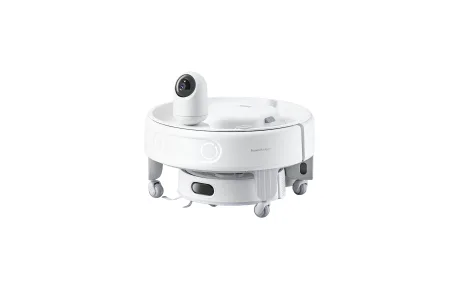
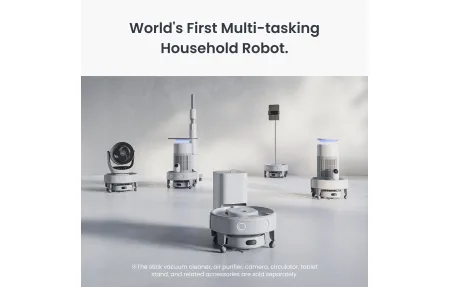
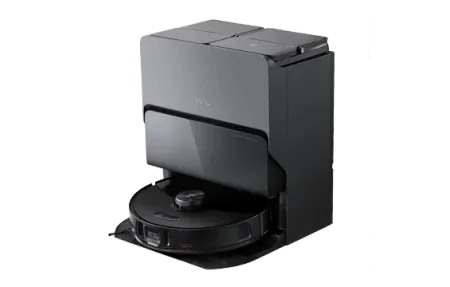
The Ecovacs Deebot K20+ Air Purifier Kit bundles the K20+ robot vacuum with an auto-empty dock that includes a HEPA H13 air purifier. The dock handles two jobs: it empties the robot's dustbin after each run and continuously filters room air between cleaning sessions. The robot delivers 8,000 Pa suction with AI obstacle avoidance and multi-floor mapping.
This combination appeals to allergy sufferers or pet owners who want both floor cleaning and air quality improvement from a single product ecosystem.
Cleaning Performance
The K20+ robot itself performs the same in this kit as in the standard and Patrol configurations. 8,000 Pa suction in MAX mode handles pet hair, dust, and debris effectively on hard floors and carpets. Auto mode adjusts suction based on surface detection, which preserves battery life on hard floors while increasing suction automatically on carpet.
Mopping is included via a vibrating mop pad. The K20+ lifts the mop pad automatically when crossing carpeted areas, which prevents wet streaks. Water tank capacity is 200ml, suitable for cleaning up to around 1,500 square feet before refilling.
Dock Air Purifier: Honest Assessment
The dock air purifier covers a small to medium room effectively. HEPA H13 filtration captures allergens, dust, and pet dander that the vacuum stirs up during cleaning. The air purifier runs quietly at low setting (around 38 dB) and noticeably louder at high setting (around 58 dB). For nighttime running in a bedroom, low setting is comfortable.
CADR (Clean Air Delivery Rate) on the dock purifier is not published by Ecovacs, which makes direct comparison to dedicated air purifiers difficult. Based on the dock's fan size, I'd estimate it's effective for rooms up to 15-20 square meters. For a living room larger than that, supplement with a dedicated unit.
Three Weeks of Testing: Review Notes
For this review I ran the Air Purifier Kit in a 16-square-meter bedroom for three weeks. Vacuuming ran on a daily 9 AM schedule, and the dock purifier stayed on low overnight. The pattern that emerged surprised me a little. Dust buildup on the nightstand and window sill dropped visibly by the end of week two, which I'd attribute to the purifier catching the fine particles the vacuum kicks up rather than to the vacuuming alone.
Does the combination beat two separate devices? Not on raw specs. A $120 dedicated purifier with a published CADR moves more air. But the dock approach has one real advantage: it runs in the exact spot where the robot ejects its dustbin contents, which is where airborne dust concentration spikes. Timing the purifier to ramp up right after auto-empty is something no separate purifier does automatically.
Here's what the bundle includes out of the box:
- Deebot K20+ robot vacuum with 8,000 Pa suction and a vibrating mop pad
- Auto-empty dock with HEPA H13 filtration and a built-in blower fan
- 200ml water tank for mopping runs up to roughly 1,500 square feet
- One dust bag installed plus a spare in the box
- Side brush, mop pad, and a cleaning tool for the brush roll
Filter upkeep is the hidden cost. The H13 filter wants replacement about every 6 months, and Ecovacs replacement filters run around $25-30. Budget for that before buying, because a clogged filter quietly turns the purifier function into a noisy fan that accomplishes nothing.
Noise levels stayed reasonable in my testing. The 38 dB low setting is quieter than my refrigerator. The auto-empty cycle is the loud part, a 10-second roar around 80 dB, so schedule cleaning for hours when nobody is napping.
One scheduling trick made a measurable difference for me. I set the purifier to run on high for 30 minutes immediately after each vacuum session, then drop back to low. Vacuuming agitates settled dust no matter how good the robot's filter is, and that half-hour burst catches the cloud while it's still airborne. My desktop air quality monitor showed PM2.5 readings settling back to baseline about twice as fast with that routine compared to leaving the purifier on a constant low setting all day.
A note on pets: with a cat in the room, the dock filter visibly collected dander and fine hair at the intake grille within the first week. Wipe that grille down every few days or the airflow drops. It takes ten seconds with a dry cloth and keeps the purifier working at its rated capacity.
App Features and Integration
Like the rest of the K20+ range, the Air Purifier Kit uses the Ecovacs DEEBOT app for scheduling, zone cleaning, and no-go areas. The dock air purifier settings (fan speed, timer) are also managed through the same app. Alexa and Google Home integration supports basic voice commands for the robot. The dock purifier does not have direct voice control integration.
The K20+ Air Purifier Kit makes sense if you want one purchase to address both floor cleaning and air quality in a room up to about 200 square feet. If your primary concern is air quality in larger spaces, invest that budget in a dedicated air purifier with published CADR specs.
Frequently Asked Questions
What type of air filter does the K20+ Air Purifier Kit dock use?
The K20+ Air Purifier Kit dock uses a HEPA H13-class filter that captures particles down to 0.3 microns at 99.95% efficiency. The dock doubles as an air purifier when the robot is charging. This covers dust, pollen, pet dander, and some bacteria-sized particles. The filter replacement cycle is approximately every 6 months under normal use, with replacement filters available from Ecovacs directly.
Does the air purifier in the dock run continuously or only when the robot is docked?
The air purifier function in the dock operates independently of the robot's position. You can run the dock as a standalone air purifier when the robot is cleaning. The dock draws in room air, filters it through the HEPA layer, and returns clean air. It is a relatively small purifier suitable for spaces up to around 200 square feet. For larger rooms, a dedicated air purifier with higher CADR would perform better.
How does the K20+ Air Purifier Kit differ from the standard K20+?
The base K20+ has a simple auto-empty dock that collects debris from the dustbin. The Air Purifier Kit dock adds an H13 HEPA filter and a blower fan that continuously filters room air. The robot hardware is identical in both kits. The choice comes down to whether you want the dock to improve air quality between cleaning sessions.