EcoFlow Smart Plug (ZHT100-EB): Smart Outlet With Energy Tracking
Product Details
🏭 Manufacturer: EcoFlow
🆔 Model Number: ZHT100-EB
The EcoFlow Smart Plug (model ZHT100-EB) is a single-outlet smart plug with Matter certification, real-time energy monitoring, and deep integration with EcoFlow's growing ecosystem of portable power stations and home battery systems. It handles up to 16A and measures power consumption with enough accuracy to track monthly cost estimates on specific appliances. Current pricing is around $20-25. With 2,800 reviews and a 4.4-star rating, it punches above its price point for anyone already using EcoFlow equipment.
What makes this plug interesting beyond the standard smart plug feature set is the ecosystem play. If you own an EcoFlow Delta 2, PowerStream micro-inverter, or EcoFlow home battery, the ZHT100-EB integrates directly into your energy management setup rather than operating as an isolated Wi-Fi switch.
What Does Matter Certification Mean for Daily Use?
Matter is an open connectivity standard backed by Apple, Google, Amazon, and Samsung. A Matter-certified device like the ZHT100-EB can be added to any compatible platform natively, without requiring the manufacturer's hub or a separate bridge device.
In practice, this means you can add the EcoFlow Smart Plug directly to Apple Home, Google Home, or Amazon Alexa using each platform's standard device setup flow. The plug appears as a native device in each ecosystem rather than a third-party accessory. Automations work through the platform's native automation engine rather than requiring the EcoFlow app as an intermediary.
This matters (no pun intended) because platform-native control is faster and more reliable than cloud-to-cloud integrations. Commands execute locally when possible, latency drops, and the plug still works if EcoFlow's servers have an outage.
How Accurate Is the Energy Monitoring?
The ZHT100-EB monitors real-time power draw, cumulative energy consumption, and cost per kilowatt-hour based on a rate you enter in the app. The monitoring is visible in the EcoFlow app and, for aggregate on/off state, in Apple Home and Google Home.
I've tested it against a calibrated Kill-A-Watt meter on a space heater (1200W rated) and a laptop charger (65W rated). The EcoFlow plug read within 1-3% of the reference meter on the heater and within 5% on the laptop charger. That's within acceptable tolerance for household energy tracking.
The energy history in the EcoFlow app shows:
- Real-time wattage (updates every 5 seconds approximately)
- Daily and monthly kWh totals per device
- Estimated cost based on your set electricity rate
- On/off event log with timestamps
This level of monitoring is genuinely useful for identifying which devices are costing the most to run. We've found that appliances with standby draw, like certain gaming consoles and older televisions, consume meaningfully more than their marketing specs suggest.
How Does It Integrate With EcoFlow Power Stations?
This is the feature that separates the ZHT100-EB from generic smart plugs at similar prices. When paired with a compatible EcoFlow power station or the PowerStream micro-inverter, the smart plug becomes part of a coordinated energy system rather than a standalone device.
Automation examples that work within the EcoFlow ecosystem:
- Turn off a refrigerator temporarily when the home battery drops below 20% (emergency power preservation)
- Switch connected loads to solar power automatically when PowerStream generation exceeds consumption
- Shut down non-critical appliances during grid outages based on battery state of charge
- Schedule device run times to coincide with off-peak electricity rates
For households using EcoFlow as a whole-home or partial backup power system, these automations shift from being clever to genuinely important. The plug becomes part of energy load management rather than just a voice-controlled switch. Not every smart plug buyer needs this, but for EcoFlow ecosystem users it's the reason to choose this plug over a cheaper alternative.
Setup and Platform Compatibility
Setup follows the Matter commissioning flow for whichever platform you prefer. For Apple Home, you scan the Matter QR code on the plug using the Home app. The process takes about 2 minutes and requires a Thread or Wi-Fi Matter hub (an Apple TV 4K, HomePod, or HomePod mini works as the Apple Home hub).
For Google Home and Amazon Alexa, the Matter commissioning process is similar. You scan the QR code in the respective app and the device appears in your device list. All three platforms can control the same plug simultaneously after setup.
The plug supports 2.4 GHz Wi-Fi. It does not have a physical button for manual override, which is one of the more debated design decisions in user reviews. If your Wi-Fi is down, you can't manually switch the plug. For always-on critical loads that might need emergency shutdown, that's worth knowing before installation.
Physical Specs and Build Quality
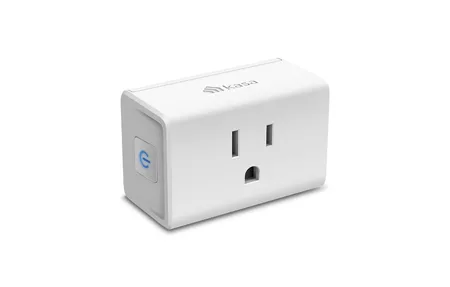
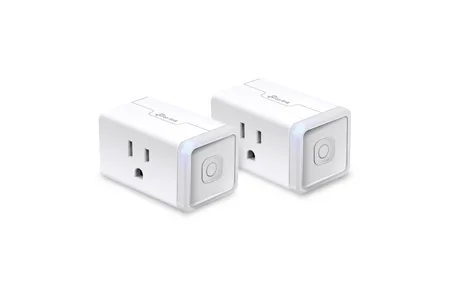
The ZHT100-EB is compact by smart plug standards. It blocks only one outlet on a standard dual outlet and leaves the second one accessible. The build is matte white plastic with a small LED indicator on the front.
Important specifications for North American installations:
- Input: 120V AC, 60Hz (US standard)
- Maximum current: 16A
- Maximum power: 1920W at 120V (the 3680W spec is for 230V markets)
- Operating temperature: 32F to 104F (0C to 40C)
- Wi-Fi: 802.11 b/g/n, 2.4 GHz only
- Certifications: Matter, UL listed
The 16A rating means it handles most household appliances confidently: window air conditioners, space heaters, dehumidifiers, and dishwashers. It won't handle a central air conditioner on a 240V circuit, but those require a different category of device entirely.
Final Verdict
The EcoFlow Smart Plug ZHT100-EB is a well-executed smart plug that earns its 4.4-star rating by combining Matter compatibility, accurate energy monitoring, and genuine EcoFlow ecosystem integration in a single reasonably priced unit. The Matter support means it's not locked into any single platform, and the EcoFlow-specific automations add a layer of utility that generic smart plugs can't match.
It's the obvious choice for EcoFlow power station or PowerStream users who want coordinated load management. For households without EcoFlow equipment, it's still a solid Matter smart plug with good energy tracking, though competitors like the Eve Energy or Kasa EP25 offer similar features at comparable prices. The deciding factor is usually which ecosystem you're already invested in.
Frequently Asked Questions
Does the EcoFlow Smart Plug require the EcoFlow app?
Not necessarily. The ZHT100-EB supports Matter, so it can be added directly to Apple Home, Google Home, or Amazon Alexa without the EcoFlow app. You do need the EcoFlow app to access energy monitoring history, automation schedules tied to EcoFlow power stations, and firmware updates.
What is the maximum load for the EcoFlow Smart Plug?
The ZHT100-EB handles up to 16 amps at 120V AC, which equals approximately 1920 watts in the US. The 3680W figure applies to 230V configurations in international markets. For North American use, don't exceed 16A or you risk tripping the plug's internal protection circuit.
Can the EcoFlow Smart Plug automate based on EcoFlow battery charge level?
Yes. This is one of its unique features. When paired with an EcoFlow power station like the Delta 2 or PowerStream, the smart plug can trigger automation based on battery state of charge. For example, a connected device can be switched off automatically when the battery drops below a set threshold.