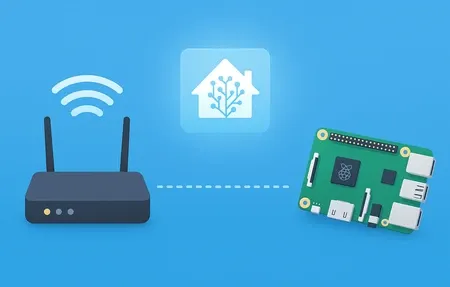

Linux powers many of the most versatile smart home platforms available today. From Raspberry Pi single-board computers running Home Assistant to dedicated Linux servers managing complex automation routines, the open source operating system provides a solid foundation for DIY smart home enthusiasts who want full control over their connected devices.
Running a smart home platform on Linux offers several advantages over cloud-dependent alternatives. Local processing keeps your data private and ensures your automations continue working even when internet connectivity drops. The extensive package ecosystem means you can install monitoring tools, database backends, and custom scripts to extend your setup far beyond what proprietary hubs allow.
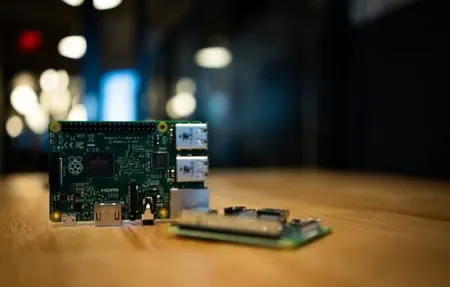
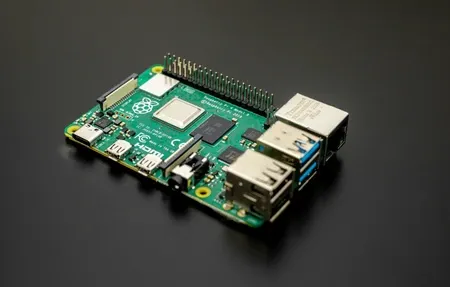
Raspberry Pi remains the most popular Linux platform for home automation beginners. Its compact size, low power consumption, and GPIO pins make it ideal for connecting sensors and actuators directly. More advanced users often graduate to Intel NUC or repurposed mini PCs when they need additional processing power for video analytics, voice recognition, or running multiple containerized services simultaneously.
The Linux community contributes thousands of integrations, plugins, and configuration templates that simplify complex automation tasks. Whether you want to control Zigbee devices through a USB coordinator, set up MQTT brokers for lightweight messaging, or create custom dashboards with Grafana, Linux provides the tooling and flexibility to build exactly the smart home system you envision.
System administration skills transfer directly to smart home management on Linux. Scheduling tasks with cron, monitoring resource usage with standard utilities, and managing network configurations through familiar command line tools all apply when maintaining a home automation server. Users comfortable with terminal environments find the transition natural and rewarding.
Container technologies like Docker have transformed how people deploy smart home software on Linux. Running each service in its own container prevents dependency conflicts and simplifies updates. A typical setup might include separate containers for your automation platform, database, reverse proxy, and monitoring stack, all orchestrated through a single compose file that makes backup and migration straightforward.
Security hardening is another area where Linux excels for smart home deployments. Firewall configuration, SSH key authentication, automatic security updates, and network segmentation all help protect your connected devices from unauthorized access. The operating system's permission model and audit logging capabilities provide layers of defense that consumer-grade hubs simply cannot match.
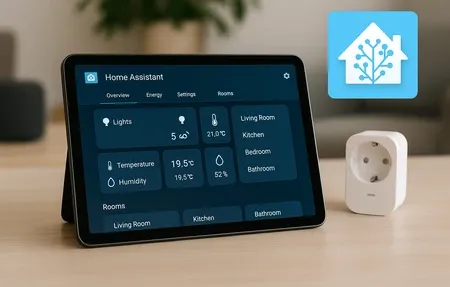
Energy monitoring and optimization represent a growing use case for Linux-based smart homes. By connecting power meters and environmental sensors to your server, you can track electricity consumption patterns, identify wasteful appliances, and create automated schedules that reduce utility bills. The analytical capabilities available through open source data processing tools turn raw sensor readings into actionable insights for more efficient household management.
Voice control integration works seamlessly on Linux through various open source speech recognition engines. Users can set up local voice processing that keeps all audio data on their own hardware rather than sending it to cloud servers. This approach satisfies privacy requirements while still providing convenient hands-free control of lights, thermostats, locks, and media players throughout the home.
Backup and disaster recovery planning benefits from Linux's mature tooling ecosystem. Automated snapshot scripts, version-controlled configuration files, and documented restore procedures ensure that a hardware failure does not mean starting your smart home setup from scratch. Many experienced users maintain their entire configuration in git repositories, enabling quick recovery and easy experimentation with new features.
Network management capabilities on Linux extend naturally to smart home device oversight. Tools for scanning connected devices, monitoring bandwidth usage per endpoint, and detecting unusual traffic patterns help maintain a healthy and secure local network. Setting up VLANs to isolate IoT devices from personal computers adds another layer of protection that enterprise administrators have relied on for decades.
Automation scripting reaches its full potential on Linux where Python, Node.js, and shell scripts can interact directly with device APIs and system services. Users write custom triggers based on calendar events, weather forecasts, sunrise calculations, or complex conditional logic that no commercial hub interface could express. The programming environment is limited only by standard computing capabilities rather than artificial restrictions imposed by consumer product designers.
Remote access to a Linux-based smart home server can be configured securely through VPN tunnels or reverse proxy setups with proper certificate management. Checking on your home while traveling, adjusting thermostat schedules from the office, or reviewing security camera footage from anywhere in the world becomes straightforward without relying on third-party cloud relay services that introduce latency and privacy concerns.
Hardware compatibility on Linux continues to expand as manufacturers recognize the growing demand from technical users. USB Zigbee and Z-Wave coordinators, Bluetooth adapters, and Thread border routers all receive regular driver updates. The kernel development community actively works to support new wireless protocols and chipsets, ensuring that Linux remains at the forefront of smart home connectivity options for years to come.