

LED light technology has revolutionized smart home illumination, offering energy efficiency, durability, and versatile color control. Modern LED Light solutions provide millions of colors, dimming capabilities, and seamless integration with smart home ecosystems, transforming how homeowners approach ambient and functional lighting.
Why LED Light Technology Matters
LED Light has become the foundation of smart lighting systems. These energy-efficient sources consume a fraction of the power used by incandescent bulbs while delivering superior brightness and color accuracy. In smart homes, LED lights serve as more than illumination-they create atmospheres, improve security, support circadian rhythms, and integrate with automated routines.
LED Light in Smart Home Applications
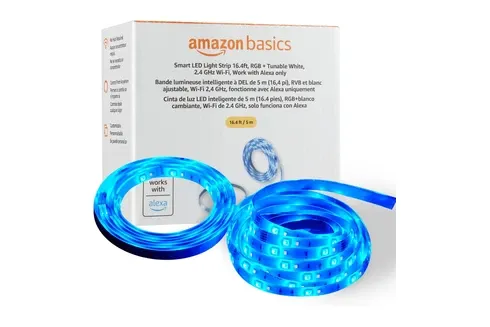
LED light strips, bulbs, and panels adapt to various scenarios:
- Ambient Lighting: Create mood and enhance interior design
- Task Lighting: Improve visibility for work and daily activities
- Accent Lighting: Emphasize architectural features and artwork
- Security Lighting: Motion-activated illumination for safety
- Circadian Support: Color temperature adjustment for healthy sleep patterns
LED light technology continues to evolve, offering smarter, more efficient solutions for modern homes that prioritize both aesthetics and sustainability.
The Science Behind LED Light Efficiency
LED light technology represents a fundamental shift from traditional incandescent and halogen systems. Unlike incandescent bulbs that waste approximately 90% of energy as heat, LED lights convert energy directly into visible light with minimal thermal output. This dramatic efficiency difference means LED light bulbs consume 75-80% less electricity while producing comparable or superior brightness. The physics underlying this performance involves semiconductors that emit photons when electrical current passes through them, a process fundamentally different from heating a filament until it glows. For homeowners, this efficiency translates to lower electricity bills, reduced cooling requirements in warm climates, and significantly extended bulb lifespan measured in tens of thousands of hours rather than hundreds.
Smart LED Light Integration and Control
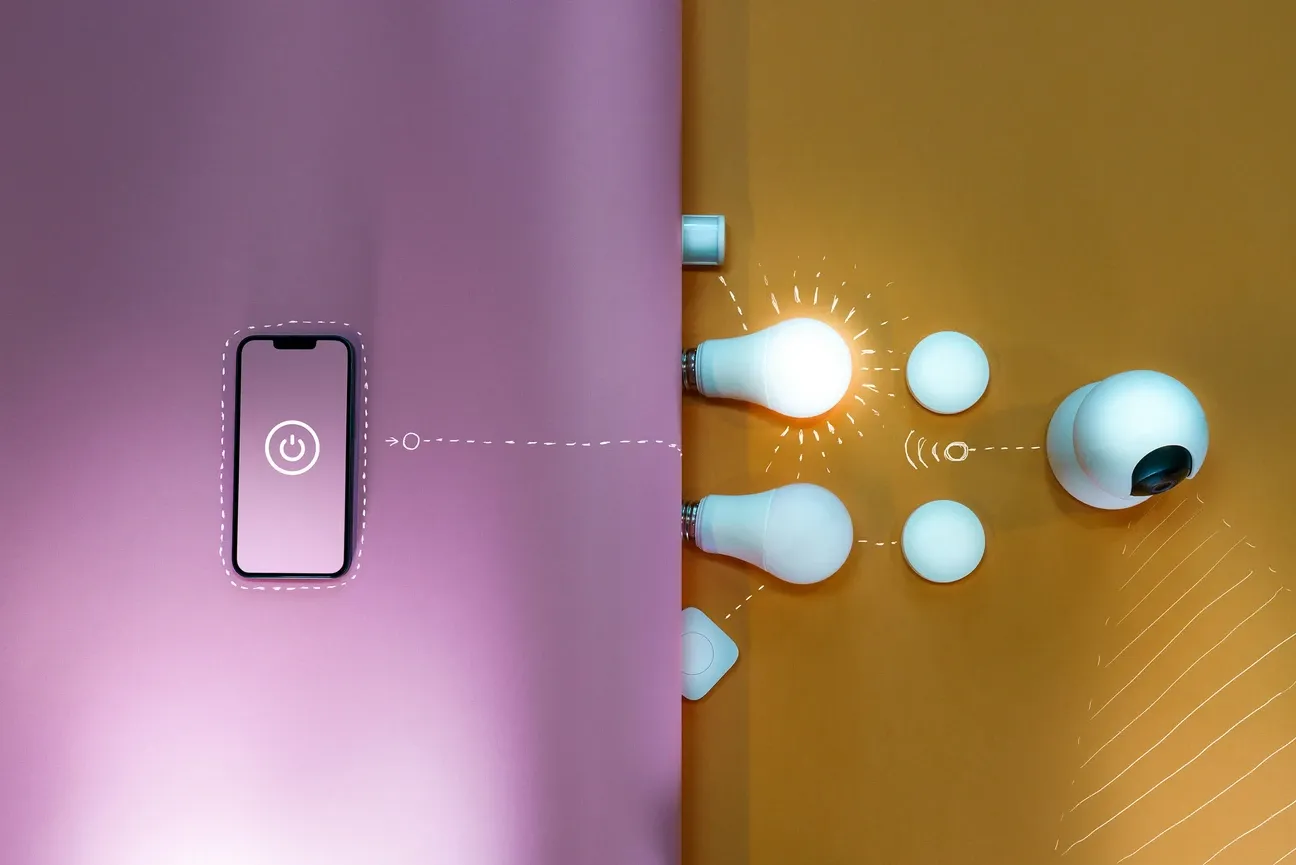
Modern smart homes leverage LED light technology as a foundation for intelligent automation. Smart LED light bulbs equipped with WiFi or Zigbee connectivity enable remote dimming, color adjustment, and scheduling through smartphone apps or voice commands. Tunable white LED lights automatically adjust color temperature throughout the day, supporting natural circadian rhythms that align with sunrise and sunset cycles. This capability proves particularly valuable for offices, bedrooms, and living spaces where light quality directly impacts productivity, mood, and sleep quality. Some advanced LED light systems incorporate occupancy sensors and daylight harvesting, automatically adjusting brightness based on natural sunlight levels and room occupancy patterns.
LED Light Color Rendering and Spectrum
The quality of LED light depends significantly on color rendering index, a measure of how accurately colors appear under that light source. High-quality LED lights maintain a color rendering index above 90, ensuring that artwork, food, clothing, and skin tones appear natural and vibrant. The spectrum of LED light continues to improve as technology advances, with manufacturers developing white LEDs that more closely match natural daylight. RGB LED lights and tunable options offer color customization capabilities that expand beyond traditional white lighting, enabling homeowners to create ambient lighting scenes that match any mood or activity. Professional-grade LED light fixtures now rival specialty halogen systems in color accuracy while consuming a fraction of the power.
LED Light in Commercial and Outdoor Applications
Beyond residential use, LED light technology has transformed commercial lighting, outdoor illumination, and specialty applications. Retailers appreciate LED light systems that showcase products with accurate color rendering while reducing energy costs. Street lighting, parking facilities, and outdoor security illumination benefit from LED light's directional nature and instant-on capability compared to traditional discharge lamps. Architectural accent lighting using LED lights allows designers to emphasize building features, landscaping, and public spaces with unprecedented precision and energy efficiency. Even horticultural applications utilize specialized LED light spectrums optimized for plant growth, enabling indoor farming and controlled environment agriculture with exceptional energy efficiency.
Choosing the Right LED Light Solution
Selecting appropriate LED light products requires consideration of several factors beyond simple wattage equivalency. Color temperature, measured in Kelvin, determines whether LED light appears warm (2700K) like traditional incandescent bulbs or cool (5000K+) like daylight. Dimming compatibility matters significantly, as not all LED lights work with every dimmer switch or automation system. Smart LED light adoption should prioritize compatibility with existing smart home platforms like Apple HomeKit, Google Home, or Amazon Alexa to ensure seamless integration. Lumens per watt efficiency continues improving as LED light technology matures, with modern solutions offering exceptional brightness per unit of power consumption.
LED light technology stands as one of the most impactful energy efficiency innovations available to modern homeowners. Whether upgrading a single room or implementing comprehensive smart lighting throughout a residence, LED light solutions deliver immediate benefits through reduced electricity consumption, superior reliability, and integration with smart home automation systems that enhance comfort and convenience.
Transitioning to LED Light Technology
Many homeowners delay upgrading to LED lighting due to misconceptions about costs, compatibility, or performance. The initial investment in quality LED light products has dropped significantly over recent years, making the transition more affordable than ever. Most LED light bulbs now feature universal base types compatible with existing fixtures, eliminating the need for costly rewiring or replacement of lamps and light fittings. The rapid return on investment through electricity savings typically justifies the upgrade cost within one to three years, depending on usage patterns and local electricity rates.
LED Light Maintenance and Longevity
One of the overlooked advantages of LED light technology involves minimal maintenance requirements. Unlike traditional lighting that requires frequent bulb replacements, LED lights operate reliably for extended periods, often lasting five to ten years or more with typical residential use. This extended lifespan reduces the inconvenience and cost of replacement while contributing to environmental sustainability by reducing waste. The durability of LED light products also makes them particularly suitable for hard-to-reach locations like cathedral ceilings, outdoor fixtures, and architectural accent lighting where replacement becomes inconvenient and expensive.
The Environmental Impact of LED Light Solutions
Choosing LED light technology aligns with environmental responsibility and sustainability goals. The reduced energy consumption of LED lights directly translates to lower carbon footprint for residential and commercial properties. When multiplied across millions of homes and businesses, the global adoption of LED light technology significantly reduces electrical grid demand and associated fossil fuel consumption. The manufacturing process for LED light products continues to improve in environmental terms, with manufacturers developing more efficient production methods and improving recyclability of LED light components.
Embracing LED light technology represents a practical investment in both immediate household economics and long-term environmental stewardship. As technology continues advancing, LED light solutions will remain central to achieving energy-efficient, responsive, and environmentally conscious living spaces.