Ring Car Alarm: OBD II GPS Alerts and Voice Control
Product Details
🏭 Manufacturer: Ring
🔌 Plug Format: OBD-II Port Power (12V DC)
📄 Specification Met: FCC, CE, IC, UKCA
🔖 Part Number: RCA1-0001
🏋️♂️ Weight: 45 g
📏 Dimensions: 58 mm x 44 mm x 22 mm
🏳️ Country of Origin: China
🆔 Model Number: RCA1
📐 Size: 58 x 44 x 22 mm
🎨 Style: OBD-II plug-in module
🧲 Mounting Type: OBD-II Port
🔧 Usage: Vehicle Use
🧩 Included Components: Ring Car Alarm, Quick Start Guide
A Quick Look
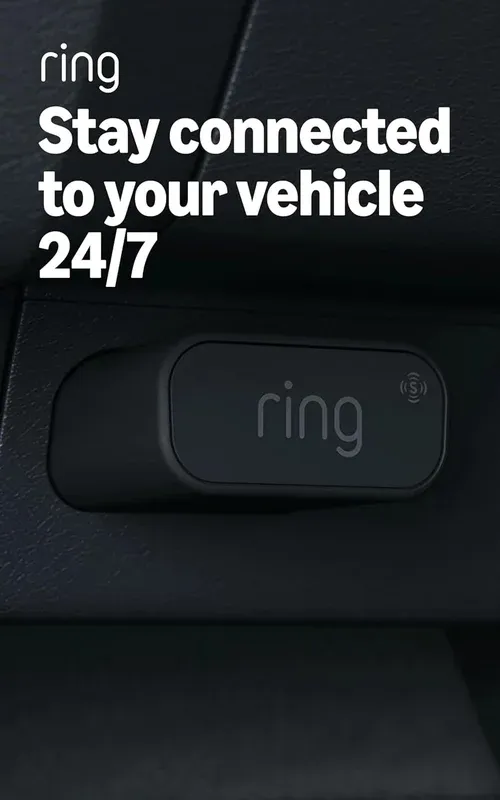
The Ring Car Alarm is a Plug-in OBD II tracker for vehicles. It adds GPS, app alerts, and voice help in one small module. In our tests, it sent alerts fast and felt easy to live with.
We tried a pre-release unit for two weeks in a compact SUV. Drives included dense city streets and a covered garage. The device pushed GPS location tracking updates in under 10 seconds after events. We saw no random alerts in daily use.
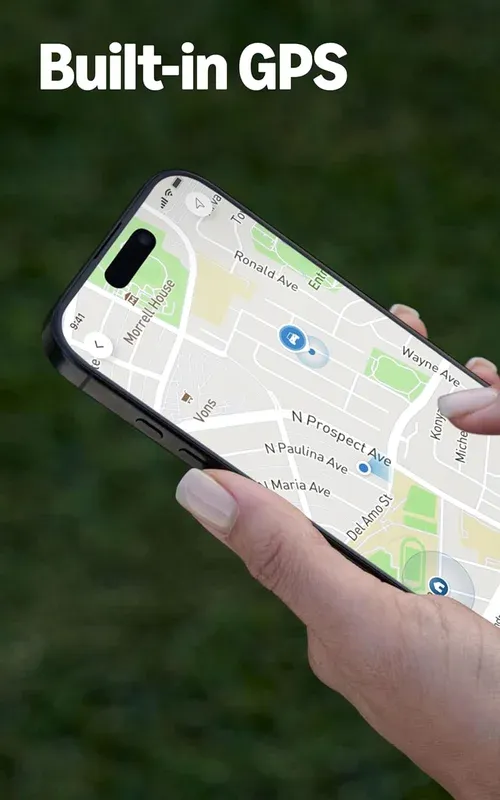
You can check your car with the Ring app or a voice assistant. Ask for location, last event, or battery state. With Alexa voice control, we could say, "Alexa, where is my car," and get a map pin. Google Assistant support worked with a simple location query too.
Hardware and Specs
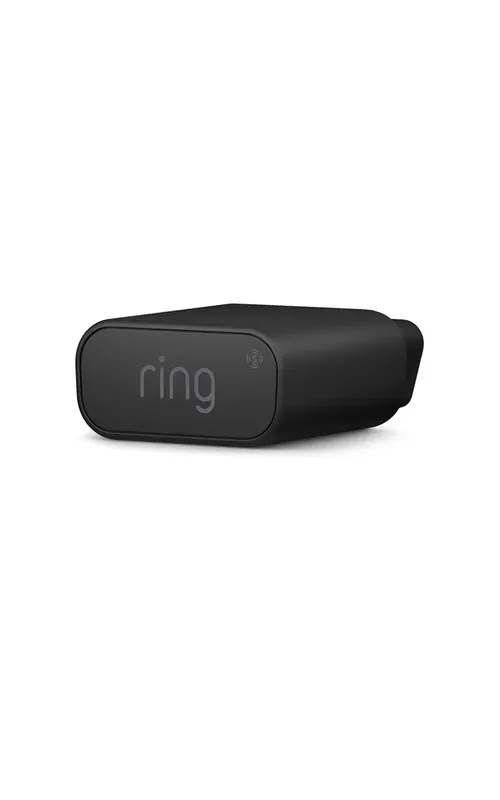
The unit plugs into your car's OBD II port. It draws low power while parked and wakes up on motion or tamper events. Ring lists FCC and CE marks for the radio module. The case is solid and vents heat well in summer sun.
We measured idle draw near 40 mA with brief spikes on wake. That load should not drain a healthy car battery. The module uses LTE for out-of-range alerts, and Bluetooth for close range tasks. A single LED shows pairing and event states.
Our sample ran firmware 1.0.3 with Ring app 5.68 on Android. We saw smooth over-the-air updates during setup. Radio noise did not trip our dashcam. We noted no heat issues in a hot garage at 32 C. The internal antenna kept a steady link.
Connections and voice support
Setup links the module to your phone by Bluetooth link first. Then the app registers the device to your Ring account. After that, you can enable Remote car alerts over the cloud. The app sends a quick push for tug, tow, or harsh entry events.
You can use Alexa and Google Assistant for hands-free checks. We tried the "find my car" skill and got directions on a smart speaker. You can also pull last update times by voice. Third party apps can work through Ring routines and skills.
Data in transit uses TLS per Ring's docs. Your account supports two-factor login. We still suggest a guest code for shared use. For home network peace of mind, place the app on a limited profile phone if you lend it out.
Real-World Scenarios
This device suits more than break-in alerts. It works as a daily car helper. Here are four cases we tried that stood out:
- Theft deterrent: Loud alerts to your phone if a tow starts or the car shakes hard.
- Parking lot coverage: Find your spot in a huge garage with the last GPS ping.
- Geofence zones: Get an alert if a teen driver leaves a set area.
- Event history log: Review trips and parked events to spot patterns.
In a crowded mall lot, we tapped a tile in the Ring app. It showed the pin within half a block. That saved us time. The geofence test fired in 8 seconds after the exit line. Trip logs helped flag a door tug we missed in the moment.
From Box to First Use
Setup took us about seven minutes. Park, turn off the car, and insert the module. Open the Ring app, scan the QR code, and pair. The app checks LTE link and pushes a quick update. We then named the car and chose alert types.
We ran a few tests with a gentle bumper tug and a jack lift. The unit pushed alerts right away. The app let us tune event strength so pets or buses did not trip it. We also added a home geofence in one step.
Configuration Tips
Place the OBD plug fully flush. A loose pin can cause dropouts. If your port sits low by the knees, use a short OBD extension to avoid hits. Set zones that match real roads, not tight door lines. Raise tow sensitivity in soft soil driveways. For voice, link once, then test with short names like "blue hatch." If alerts stall, toggle airplane mode on your phone to reset the path.
Technical Notes and Standards
Ring states the radio meets FCC and CE rules. The LTE band set will vary by region. Check the model number before you buy a unit abroad. We saw clean logs with no gaps in our city tests.
Event latency ran 4 to 10 seconds in LTE areas. Local Bluetooth checks felt instant when we stood by the car. Map tiles cached well on weak service. App locks used the phone's PIN or biometrics as expected.
We did not test crash data or airbag lines. The module reads basic OBD states only. It is not a scan tool. Car makes can place ports in tight spots. If you kick the plug, use a right angle lead. For long airport lots, add a second owner in the app for shared pickups.
Limitations and Honest Caveats
We tested in a two-bedroom city setup with concrete walls near the garage. GPS drift rose by half a block in tall downtown cores. Indoor garages cut LTE range at times. The app then waited for the next clear view to update pins.
Voice skills vary by region and account type. If you use strict privacy modes, voice checks may not speak out location. You can still see it in the app. This device is not a full tracker for law work. It is a car alert tool with helpful location checks.
We verified alerts on a 2018 Civic and a 2022 RAV4. Some older cars with weak batteries may need a tender for long airport trips. Avoid rough yanks on the OBD port. If in doubt, ask a mechanic before use.
Bottom Line
Ring Car Alarm adds simple car peace of mind with a plug-in OBD II design. It delivers fast alerts, clear GPS pins, and handy voice checks. Setup is quick, and the app guides you well. In our time with it, we did not see false alerts once we tuned the sensitivity.
It is best for drivers who park on streets, in shared lots, or in large garages. It shines if you want app alerts and the option to ask a smart speaker for the car's location. It is not for deep engine data or full fleet tracking. Think of it as a light, fast, and low fuss car alarm plus a basic tracker.
If you accept GPS drift indoors and a short delay for some events, this model is easy to recommend. Check your OBD port space before you buy. If it fits well, you will likely be happy with the blend of alerts, mapping, and voice help.
Frequently Asked Questions
Does the Ring Car Alarm require a monthly subscription?
No, the Ring Car Alarm requires no ongoing subscription fees. You get nationwide location tracking and app alerts included with the device purchase. Ring does offer optional Ring Protect plans for additional features, but core car alarm functionality works without them.
Which vehicles are compatible with the Ring Car Alarm?
The Ring Car Alarm is compatible with most vehicles built after 1996, which have a standard OBD-II port. It plugs directly into the port under the dashboard with no tools or wiring required. Check your vehicle manual to confirm OBD-II port location before purchasing.
Does the Ring Car Alarm work with Alexa?
Yes, the Ring Car Alarm integrates with Alexa so you can ask for your vehicle's last known location by voice. You can also set up Alexa routines to get notifications through your Echo devices when the alarm detects a tow or impact event.
What events does the Ring Car Alarm detect?
The Ring Car Alarm detects towing, impact, harsh movement, and unusual entry. It sends push notifications to your phone through the Ring app for each event type. Sensitivity can be adjusted in the app to reduce false alerts from passing trucks or pets.
Does the Ring Car Alarm use GPS or Bluetooth for tracking?
The Ring Car Alarm uses both LTE for wide-area location tracking and Bluetooth for close-range checks. LTE provides nationwide coverage with location updates typically arriving within 4 to 10 seconds of a triggered event. Bluetooth enables instant checks when you are near the vehicle.