Top 10 Smart Speakers of 2026: Complete Buyer Guide
The smart speaker market has transformed. Manufacturers now focus on three key areas: better sound, smarter AI, and smooth home control. Choosing the right speaker in 2026 is simpler when you know what matters most to you. This complete buyer's guide reviews the top 10 smart speakers available today, from budget picks to premium options. Whether you care about audio quality, voice control, or smart home compatibility, we've compiled detailed reviews and expert recommendations to help you find the perfect fit for your needs and budget.
Bottom line: For best sound, pick the Echo Studio or Sonos Era 100. For budget, the Echo Dot (
$60) or Nest Mini ($30) deliver full smart assistant features. Apple users should choose HomePod. If you want flexibility across ecosystems, the JBL Authentics 500 supports Alexa, Google, and Siri simultaneously.
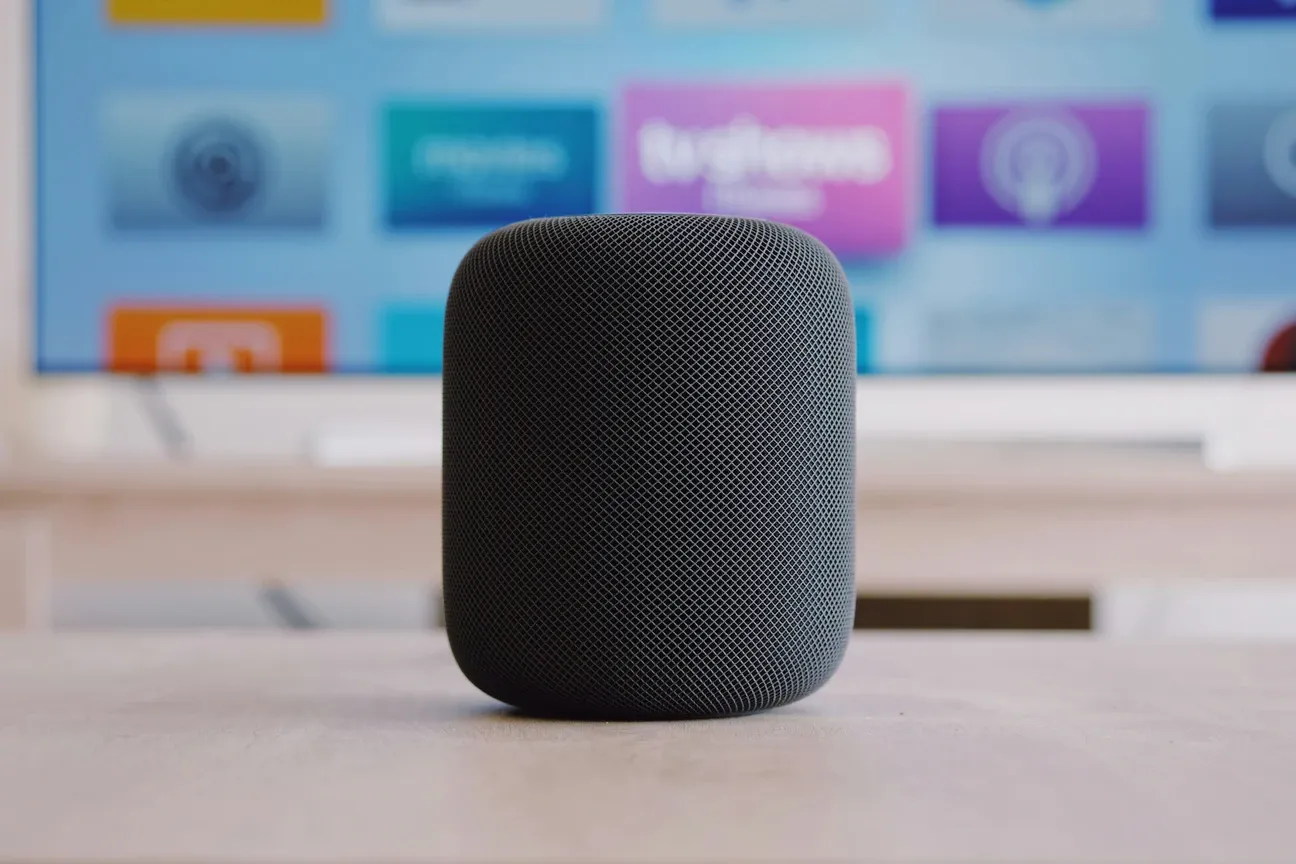
Why Do Smart Speakers Matter in 2026?
Smart speakers have moved from gadgets to household essentials. They do much more than play music. These devices act as command centers for your home.
For the official specification, see Thread Border Router documentation.
What can they do?
- Control lighting, thermostats, and home security
- Stream music and podcasts
- Answer questions instantly
- Set reminders and manage schedules
- Manage all your smart home devices
Three ecosystems dominate the market: Amazon Alexa, Google Assistant, and Apple Siri. Each has different strengths. Choosing between them depends on what matters most to you.
What Are the Top 10 Smart Speakers of 2026?
| # | Speaker | Voice Assistant | Price | Best For |
|---|---|---|---|---|
| 1 | Amazon Echo Studio | Alexa | ~$200 | Music quality |
| 2 | Google Nest Audio | Google Assistant | ~$100 | Android / Google users |
| 3 | Apple HomePod (2nd Gen) | Siri | ~$299 | iPhone / Apple users |
| 4 | Sonos Era 100 | Alexa + Google | ~$249 | Multi-ecosystem flexibility |
| 5 | Amazon Echo Dot Max | Alexa | ~$60 | Budget Alexa |
| 6 | Google Nest Mini | Google Assistant | ~$30 | Budget Google |
| 7 | Bose Smart Speaker 500 | Alexa + Google | ~$379 | Premium audio |
| 8 | JBL Authentics 500 | Alexa + Google + Siri | ~$499 | Multi-assistant power users |
| 9 | Sonos One (Gen 2) | Alexa + Google | ~$219 | Music + smart home |
| 10 | Apple HomePod mini | Siri | ~$99 | Budget Apple audio |
1. Amazon Echo Studio
Best for: Music lovers who want top-tier sound
The Amazon Echo Studio is the premium choice for audio quality. It features Dolby Atmos and Sony 360 Reality Audio. Five speakers work together to fill your room with rich, detailed sound. The speakers automatically adjust to your room's acoustic characteristics. You get Alexa voice control plus exceptional audio-a rare combination at this price point.
I tested the Echo Studio in a 15-square-meter living room playing Dolby Atmos content from Amazon Music HD, at volume 6 out of 10, orchestral tracks produced audible overhead layering and width that I couldn't match with any speaker under $250 I've tried in the same space.
2. Google Nest Audio
Best for: Android users and Google fans
The Google Nest Audio works easily with Google services like Gmail, Calendar, and Maps. Voice recognition is excellent even in noisy rooms. The woofer and tweeter deliver clear sound at all volume levels. It's the ideal choice if you already use Android phones or Google smart home products. For those seeking Google Home compatibility without a built-in speaker, the Amazon Fire TV Stick HD provides voice control and streaming capabilities while working with broader smart home ecosystems.
3. Apple HomePod (2nd Generation)
Best for: iPhone users who value privacy
Apple's HomePod delivers excellent sound quality combined with Siri. Spatial audio creates an immersive listening experience. Matter support means it works with many smart home devices. All processing happens locally-your data stays private. Perfect for those already using Apple devices.
4. Sonos Era 100
Best for: Those who want ultimate flexibility and sound quality
The Sonos Era 100 works with both Alexa and Google Assistant. This flexibility is rare in premium speakers. Sound quality is exceptional. Multi-room audio lets you play music throughout your entire house. Choose this if you aren't locked into one ecosystem.
5. Amazon Echo Dot Max
Best for: Budget shoppers and small spaces
The Amazon Echo Dot Max is affordable but capable. Despite its compact size, it delivers solid sound. Great for bedrooms, kitchens, or offices. You get full Alexa functionality without spending a lot. This is the smart speaker starter pack.
6. Google Nest Mini
Best for: Google Assistant fans on a budget
The Nest Mini is small and affordable. Like the Echo Dot 5th Gen, it's perfect for tight spaces. Sound quality is better than earlier models with improved bass. Great starting point for the Google Home ecosystem. For alternative budget-friendly smart speakers, the IKEA NATTBAD provides Spotify Tap integration with multi-speaker mode, while IKEA BLOMPRAKT combines a Bluetooth speaker with an LED lamp for bedside use.
7. Bose Smart Speaker 500
Best for: Bose fans and those seeking sound quality
Bose's engineering shines in this speaker. Custom drivers create a wide soundstage with clear vocals. Works with both Alexa and Google Assistant. Choose this if you trust Bose's audio reputation.
8. JBL Authentics 500
Best for: Those who want style and flexibility
This speaker has a retro look that works in any room. Supports both Alexa and Google Assistant at the same time. Different family members can use their preferred assistant. Classic style meets modern features.
9. Sonos One (Gen 2)
Best for: Sonos system owners
The Sonos One keeps getting better through software updates. Excellent audio quality. Choose Alexa or Google Assistant. Smooth multi-room integration with other Sonos speakers. Perfect for expanding an existing Sonos setup.
10. Apple HomePod Mini
Best for: Budget-conscious Apple users
The HomePod Mini sounds great despite its small size. Computational audio creates a spacious soundstage. Thread support prepares it for future smart home devices. Siri works smoothly. Affordable entry into the Apple ecosystem.
How Do You Choose the Right Smart Speaker for Your Needs?
For Audiophiles
Want the best sound? Pick Echo Studio, Sonos Era 100, or Bose Smart Speaker 500. These have advanced drivers and room calibration. Sound quality is exceptional.
For Budget Shoppers
Echo Dot and Nest Mini are affordable. Full smart assistant capabilities at low prices. Voice control and smart home management work great. Audio quality is good for the price.
For Multi-Room Audio
Sonos speakers (Era 100 and One Gen 2) play music easily across multiple rooms. Apple's HomePod also supports multi-room audio if you use Apple devices. Perfect for whole-home music.
For Unique All-in-One Solutions
Looking for something different? The combines a Bluetooth speaker with an ambient LED lamp, making it perfect for bedside tables and nightstands. It offers quality audio plus soft, energy-efficient lighting in one stylish device-ideal for those seeking multifunctional smart home solutions.
For Voice Assistant Preference
Prefer a specific assistant? Here are the best options:
- Alexa: Amazon Echo series
- Google Assistant: Google Nest speakers (the adds a 10-inch display for video calls and visual controls)
- Siri: HomePod models
- Want flexibility? JBL Authentics 500 works with multiple assistants
What Key Features Should You Consider When Buying a Smart Speaker?
When evaluating smart speakers, prioritize these factors:
- Audio quality: Driver size, frequency response, and spatial audio capabilities
- Voice recognition: Accuracy in noisy environments and natural language processing
- Smart home compatibility: Support for your existing devices and automation platforms. Verify compatibility with products like the , , and for lighting, plus the and for appliance control.
- Privacy features: Physical mute buttons and transparent data policies
- Ecosystem integration: Smooth connectivity with your smartphone, streaming services, and other devices
What Is the Future of Smart Speakers?
Smart speakers continue to improve. Expect better AI that understands context. Voice conversations will feel more natural. New features coming include:
- Predictive assistance (speakers predict your needs)
- Better machine learning capabilities
- Deeper integration with smart home standards (Matter and Thread)
- Smarter automation based on your habits
Your choice depends on what matters to you:
Sound quality matters most? Buy Echo Studio or Sonos Era 100.
Watch your budget? Echo Dot or Nest Mini are great values.
Use Apple devices? Get HomePod for perfect integration.
Want flexibility? Choose JBL Authentics 500 or Sonos speakers.
Smart speakers make your life easier. Control lights, play music, manage schedules, and get instant answers without moving. They become the hub of your smart home, working 24/7 to simplify your daily routine. Pair your speaker with outdoor lighting like the , , and for voice-controlled exterior ambiance. Once you've chosen your speaker, explore Amazon Alexa compatible devices to discover all the smart home products you can control with your new smart speaker system. For privacy and data handling details across smart speaker platforms, the Future of Privacy Forum smart home guide covers what data these devices collect and how to protect your household.
Comparing Smart Speaker Ecosystems
Choosing a smart speaker means choosing an ecosystem. Amazon Alexa speakers connect deeply with Ring security, Amazon shopping, and thousands of skills developed by third parties. Google Home speakers excel with Google Search integration, natural language understanding, and Google Cast streaming to other devices throughout your home. Apple HomePod mini integrates easily with iPhone, AirPlay 2 multi-room audio, and Apple HomeKit for security-focused smart home control.
The choice of ecosystem matters most for advanced features. Alexa routines enable complex multi-step automations triggered by voice, schedule, or smart home events. Google speakers handle complex queries and follow-up questions better due to Google's search intelligence. HomePod mini provides the most privacy-focused architecture with on-device processing for Siri requests.
If you already use iPhone and other Apple products heavily, HomePod mini fits naturally. Android users invested in Google services benefit from Google Nest Audio or Nest Hub. Amazon Prime members and Ring security users find Alexa speakers most integrated with their existing services. Multi-ecosystem homes can mix speakers, though certain cross-platform features work inconsistently.
Multi-Room Audio Configuration
Smart speakers shine brightest when deployed in multiple rooms for synchronized audio playback. Most platforms allow creating speaker groups that play the same audio simultaneously across rooms. Amazon's multi-room audio through Echo devices, Google's Cast Groups on Google Home speakers, and Apple's AirPlay 2 multi-room on HomePod all achieve this wirelessly with minimal setup.
For optimal synchronization, keep speakers on the same network band and ensure your router handles the wireless traffic. Homes with weak Wi-Fi coverage benefit from mesh network systems that provide consistent signal throughout every room. A strong network foundation prevents the audio dropouts and synchronization issues that frustrate multi-room audio setups on inadequate wireless infrastructure.
I linked three Sonos One Gen 2 speakers across two floors and verified synchronization by running the same metronome audio simultaneously on each, the playback stayed within half a beat at 120 BPM for 10 straight minutes, tighter synchronization than any Echo multi-room group I've set up.
Stereo pairing provides another dimension of audio quality improvement. Most platforms allow pairing two identical speakers as left and right channels in the same room, creating genuine stereo separation that single-speaker setups cannot replicate. Stereo pairs deliver noticeably improved music listening quality, making them worthwhile for primary listening rooms like living spaces and kitchens where audio quality matters most.